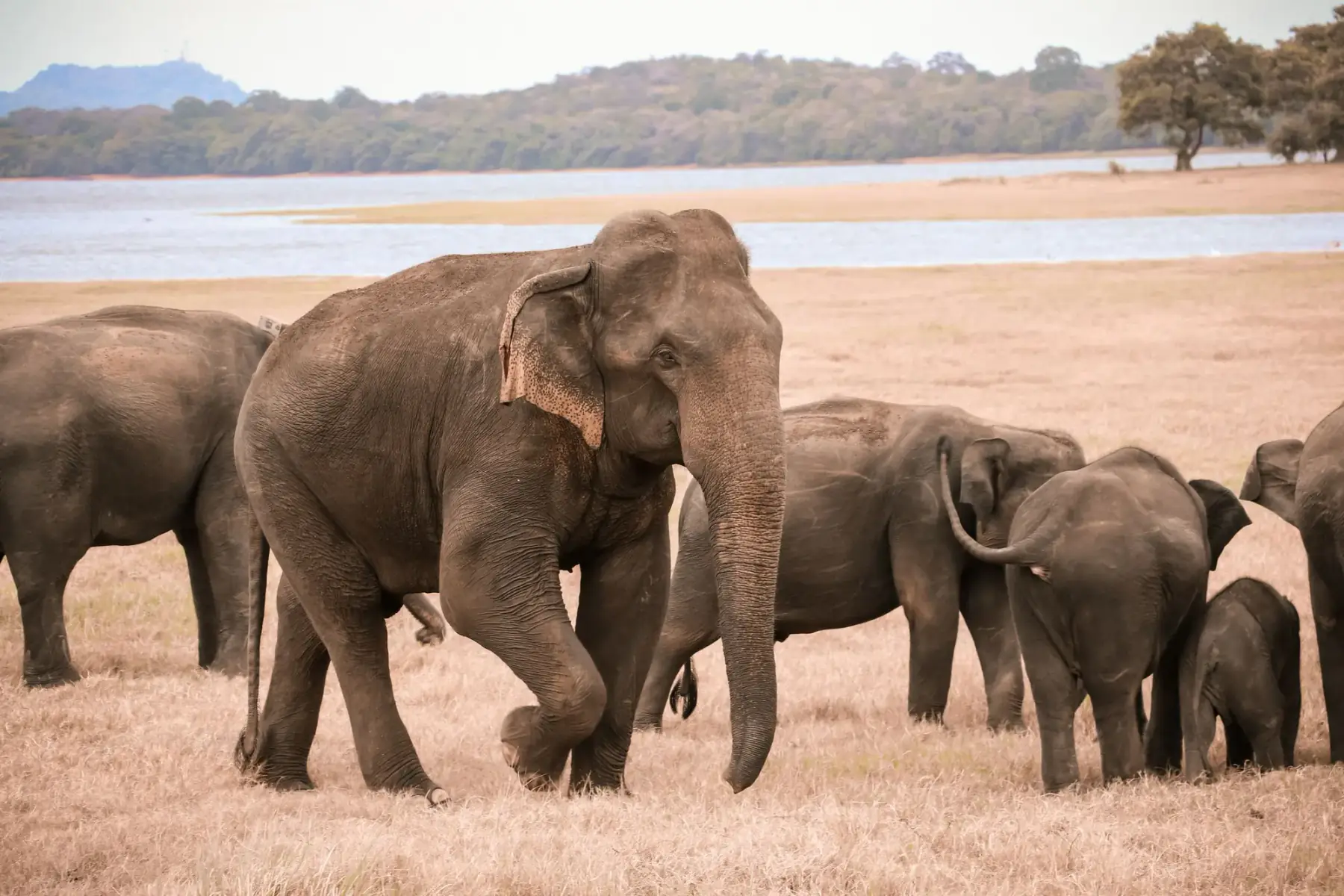
Udawalawe National Park
Udawalawe is one of Sri Lanka's most-visited national parks, with 368,871 visits recorded in official 2025 data.
Udawalawe recorded 368,871 visits in 2025, making it one of Sri Lanka's most-visited national parks while receiving fewer than half as many visits as Yala in the same official dataset. That difference can inform a route decision, but it cannot guarantee a quiet drive or a particular wildlife sighting.
Why the park was declared
The Department of Wildlife Conservation says Udawalawe was among the national parks declared to protect catchment areas and provide habitat for animals displaced by large irrigation projects. The Department also lists it among the country's most-visited national parks.
What the visitor data shows
The 2025 total comprised 170,890 domestic and 197,981 foreign visits. This is an annual demand measure, not a live crowd indicator. It should not be converted into claims that every departure is quiet or that sightings are more reliable than at another park.
Permits and route checks
National-park entry is subject to a Department of Wildlife Conservation permit and prescribed conditions. Its online day-visitor process asks for the park and date, group and vehicle details, payment, and a receipt for presentation at the entrance.
Before committing to Udawalawe, confirm the current permit process, opening or access notices, door-to-door travel time, and the operator's conduct around animals and other vehicles. Decide whether the park still fits the route if the hoped-for species does not appear.
For a direct choice, compare the official visitation evidence in Udawalawe vs Yala. The comparison intentionally does not promise elephants, leopards or a crowd-free safari.
Is Udawalawe National Park worth visiting?
Worth it when the route fits the south, with lower recorded visitation than Yala but no guarantee of a quiet drive. Choose it on route fit, not promises.
Where Udawalawe National Park fits in your route
Compare it with Yala in the Udawalawe vs Yala guide and use the wildlife-safaris guide for operator questions.
To weigh Udawalawe against Yala, Wilpattu, Minneriya and the other parks on one page, see Sri Lanka's national parks compared.
Choose between parks from the itinerary and current evidence, not a fixed winner label.
Rules to follow on site
Park rules keep visitors in vehicles at designated points: hold that line, keep your distance from wild elephants and follow the tracker's instructions. Feeding animals or blocking their movement is prohibited. Confirm the park's current entry rules and permits with the Department of Wildlife Conservation when you plan the visit.
Sources
Last verified 2026-08-28
Read next
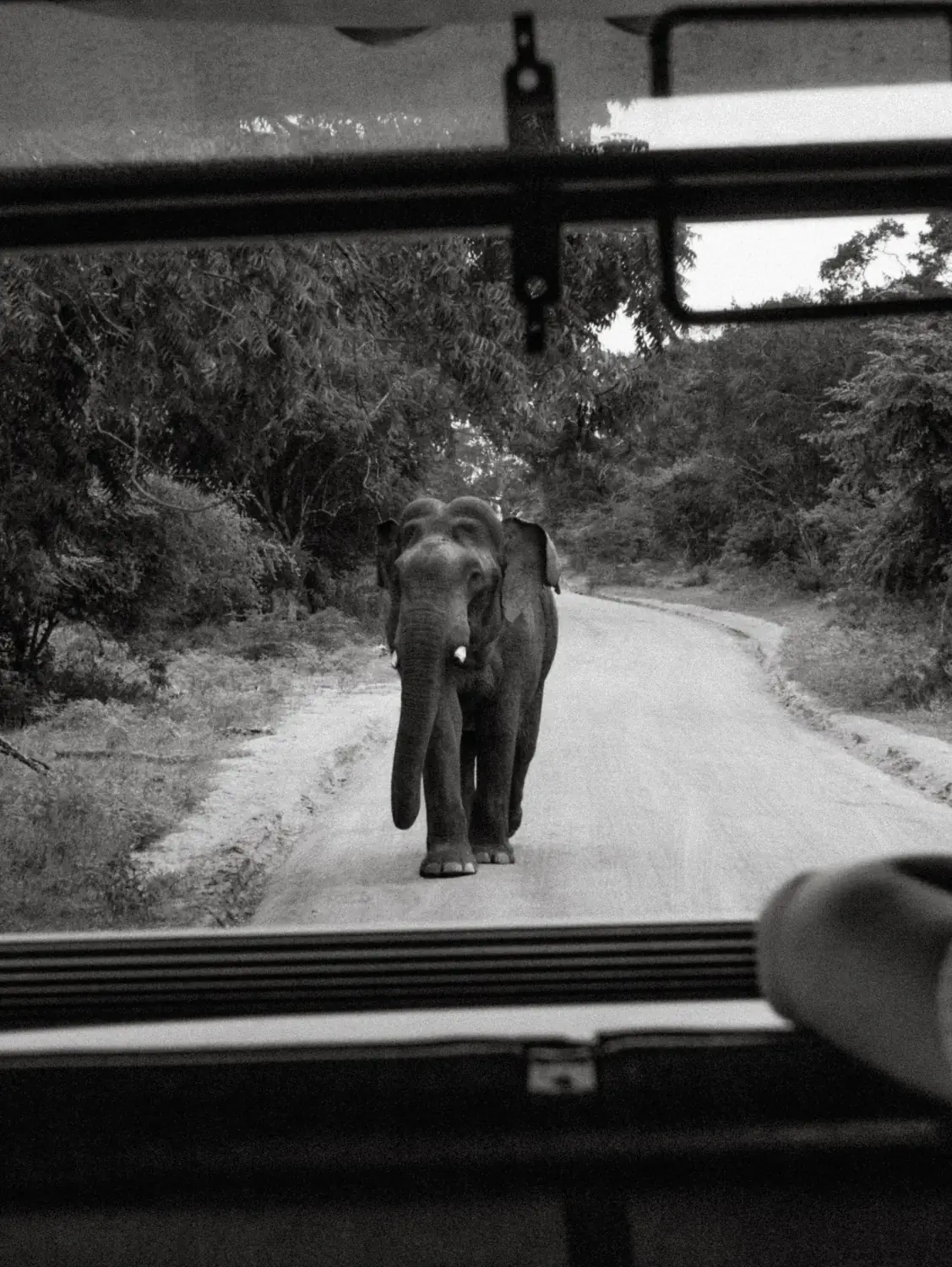
Sri Lanka's National Parks Compared
Compare Yala, Udawalawe, Wilpattu and Minneriya using official 2025 visitation, permit rules and route-fit questions rather than sighting promises.
Sri Lanka with Children
Plan Sri Lanka with children by limiting transfer load, checking age and safety rules, and keeping weather-dependent alternatives.
Udawalawe or Yala?
Choose Udawalawe if elephants and a quieter park matter most; choose Yala if leopards are the priority and you accept heavier crowds. Yala Blocks 1 and 2 reopen 16 October 2026.
More places in this region
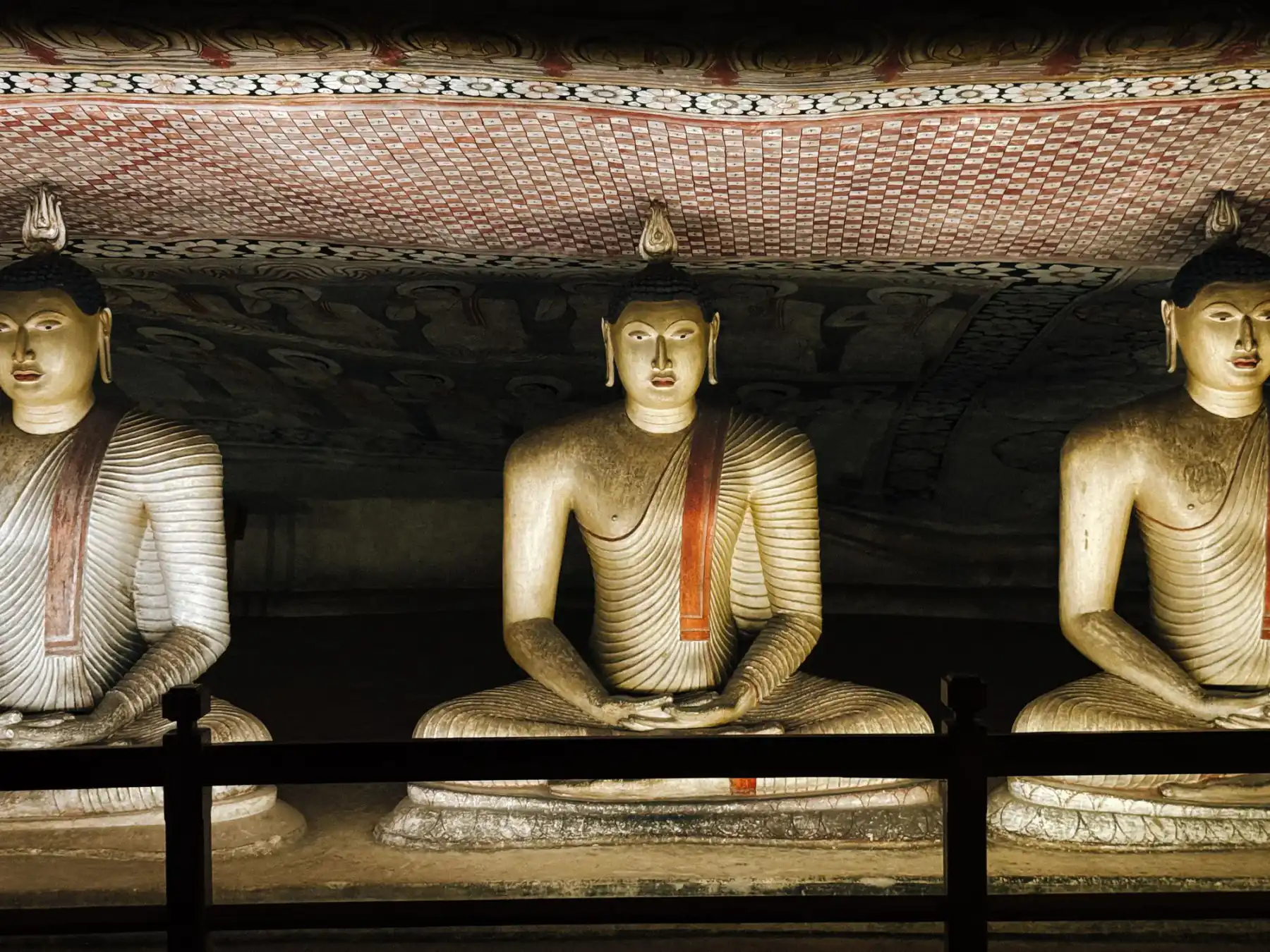
Kataragama Sacred Precinct
Sacred siteAn active deep-south pilgrimage precinct interpreted through multiple traditions, requiring site-specific cultural guidance.
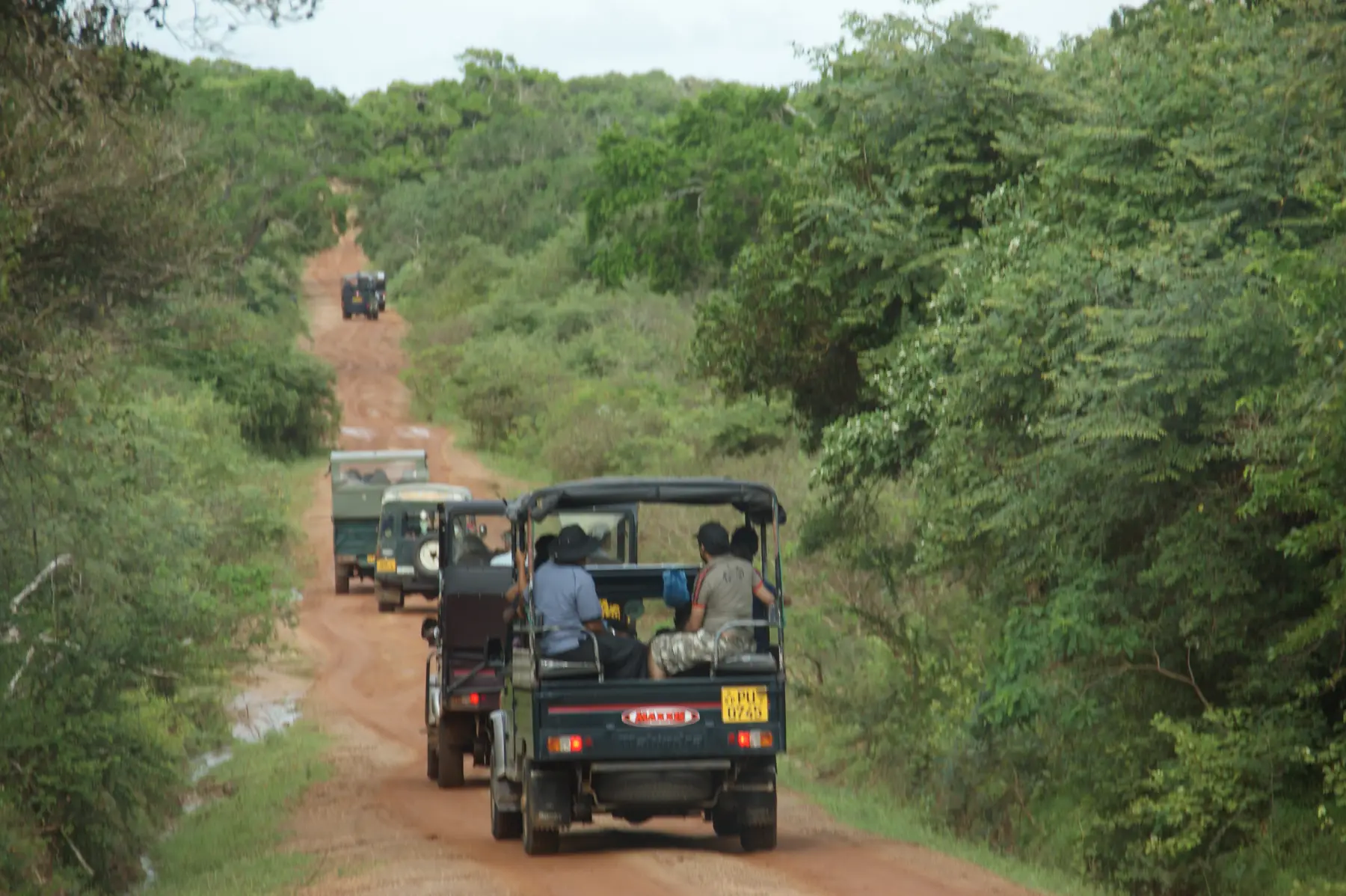
Yala National Park
WildlifeYala Blocks 1 and 2 reopen to tourists on 16 October 2026 after the dry-weather closure. Bungalow and campsite bookings open from 1 November. Permits and official booking.