Where to begin
Find your own corner of the island
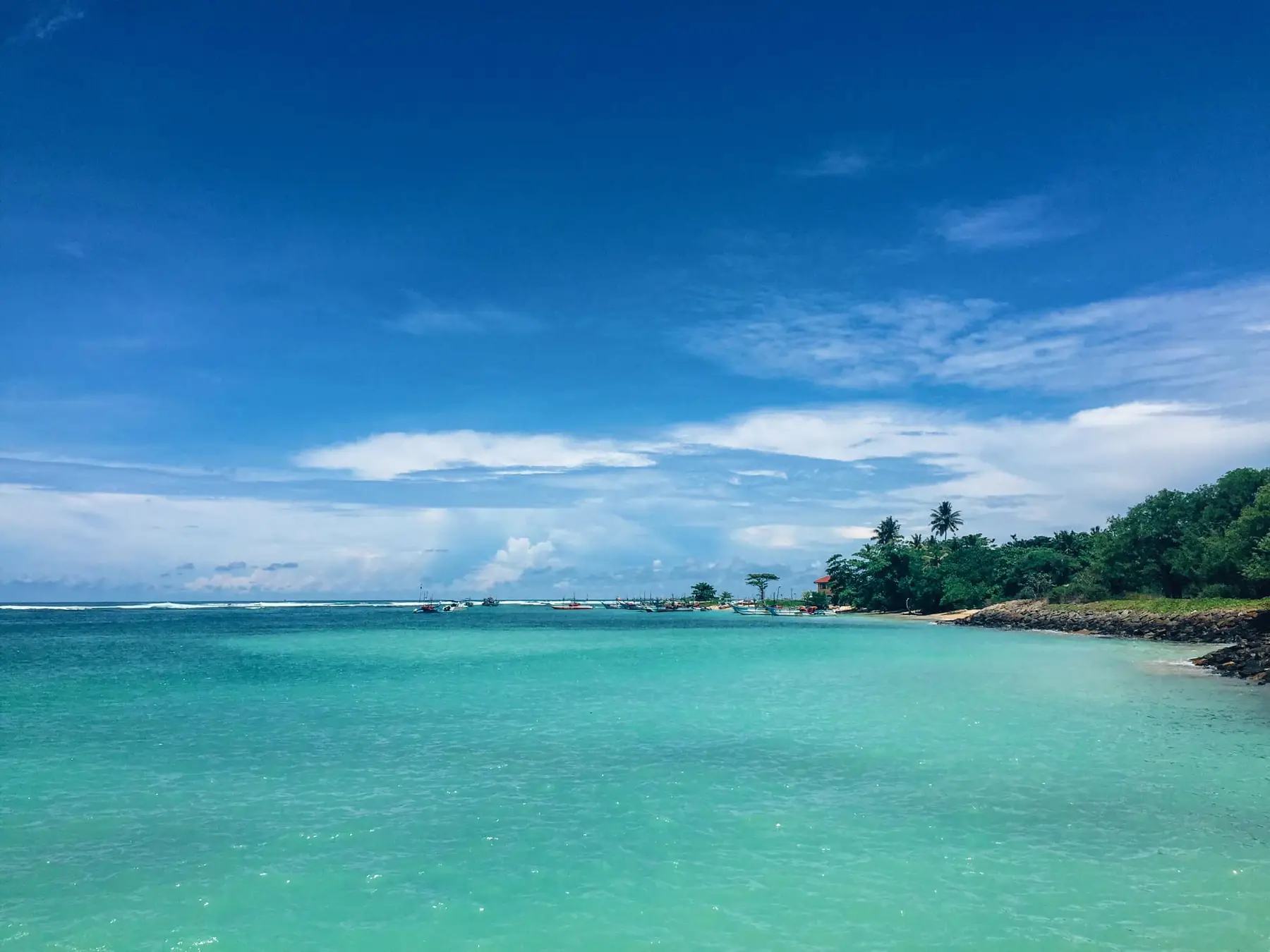
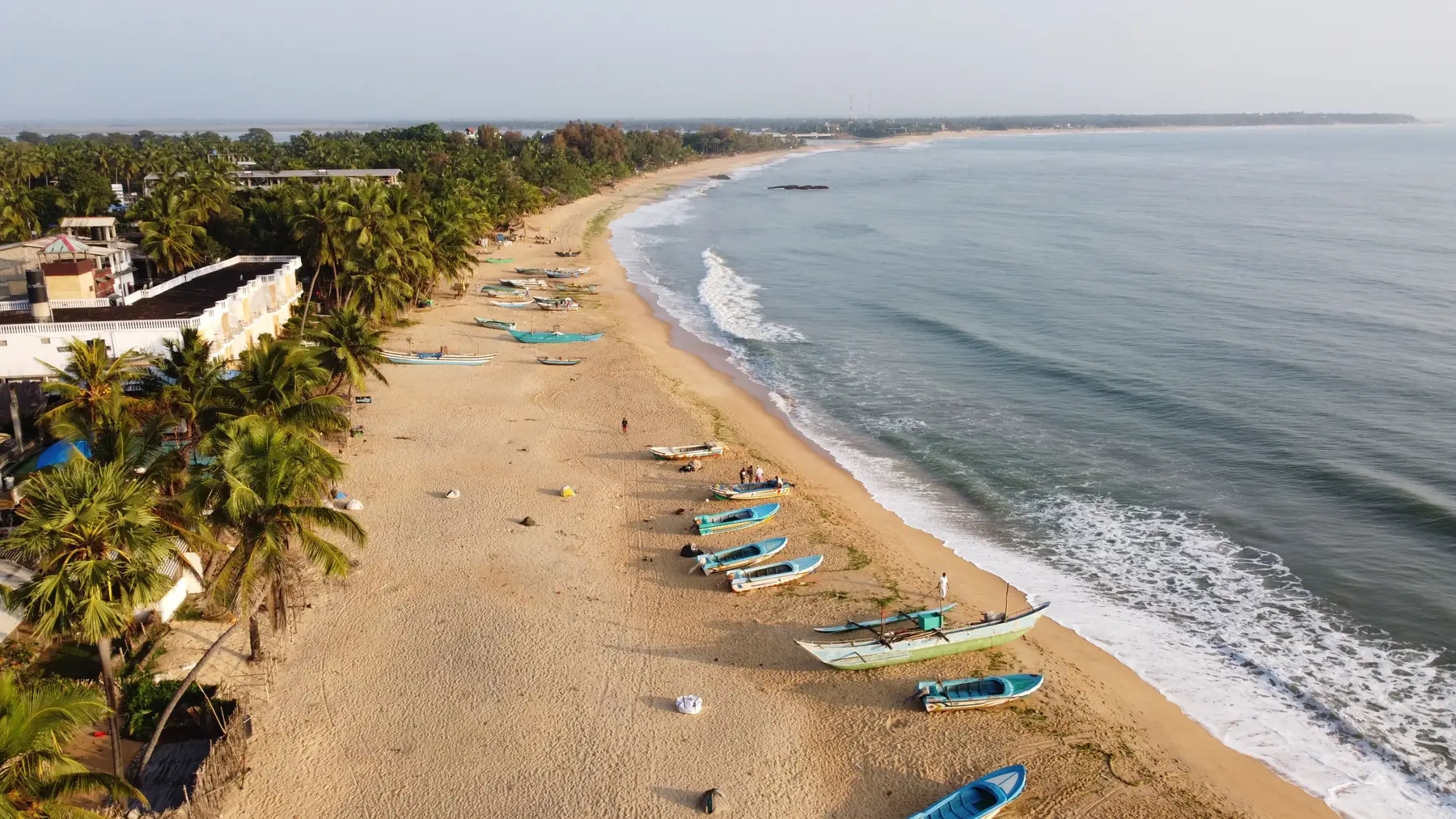
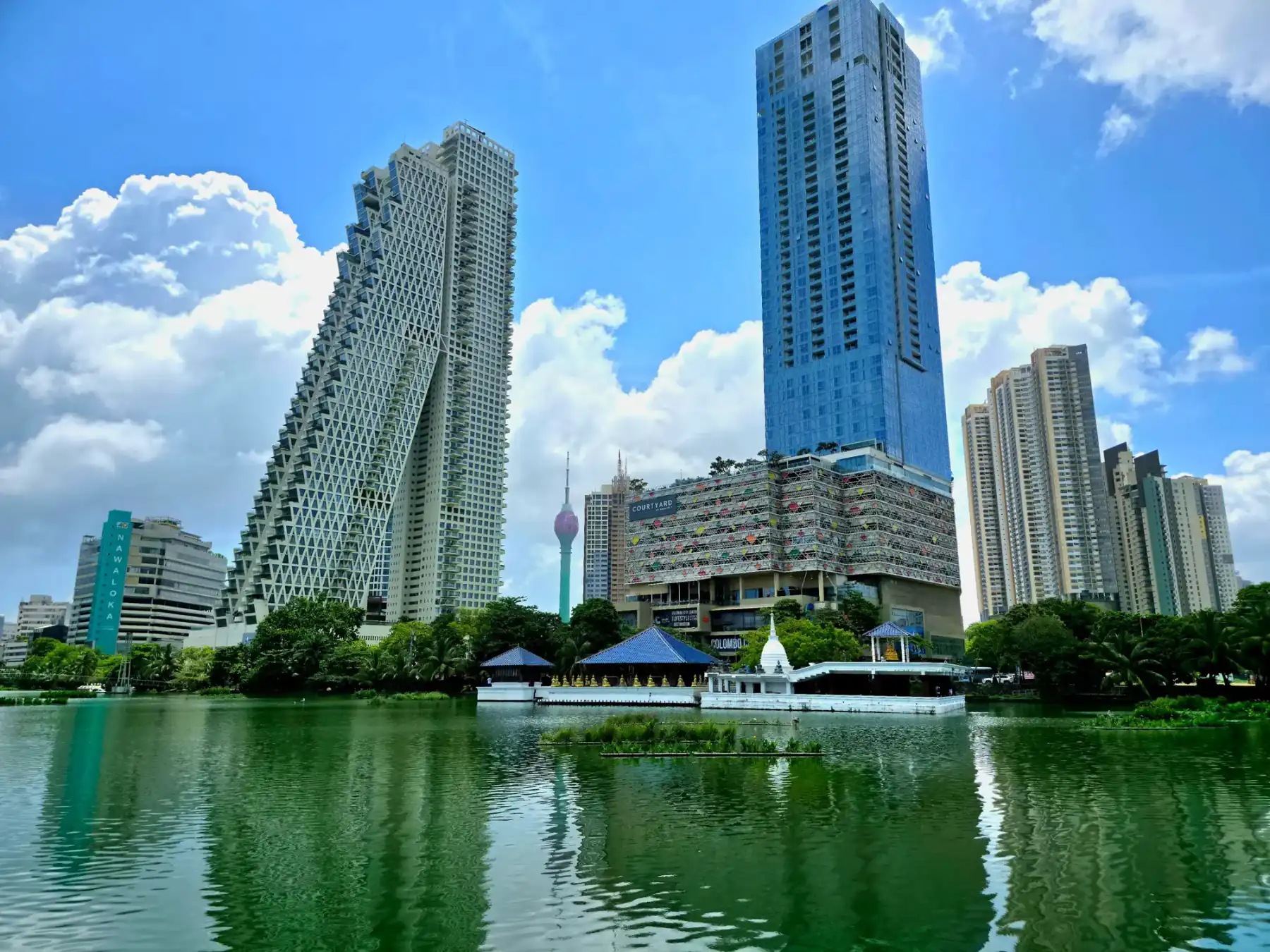
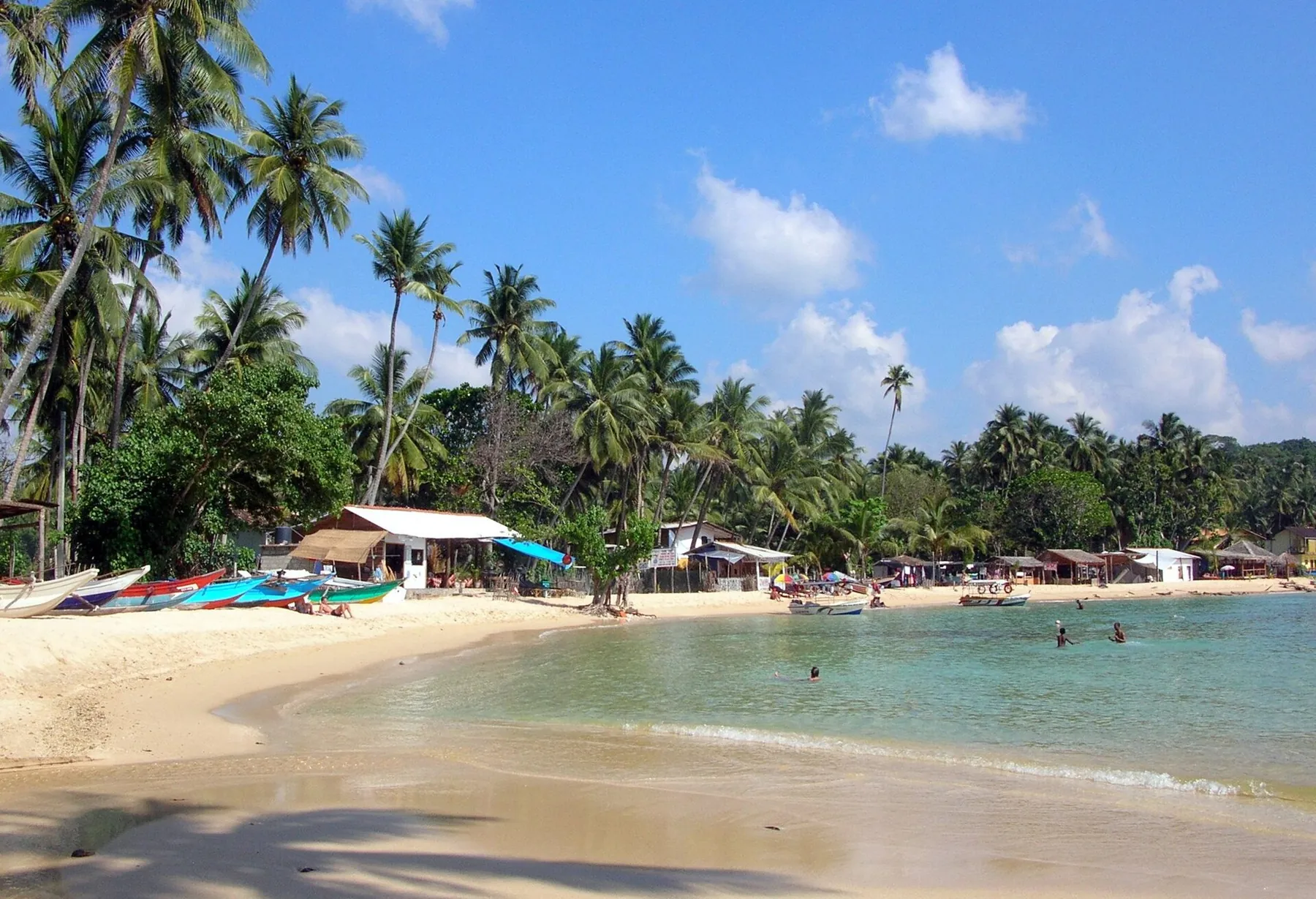
Choose a coast, a hill town or a city base with practical, connected context.
An independent Sri Lanka travel guide to regions, destinations, journeys and practical questions, with sources and review dates shown on every entry.
No generic checklist. Pick the kind of context that makes a route yours.
Choose a coast, a hill town or a city base with practical, connected context.
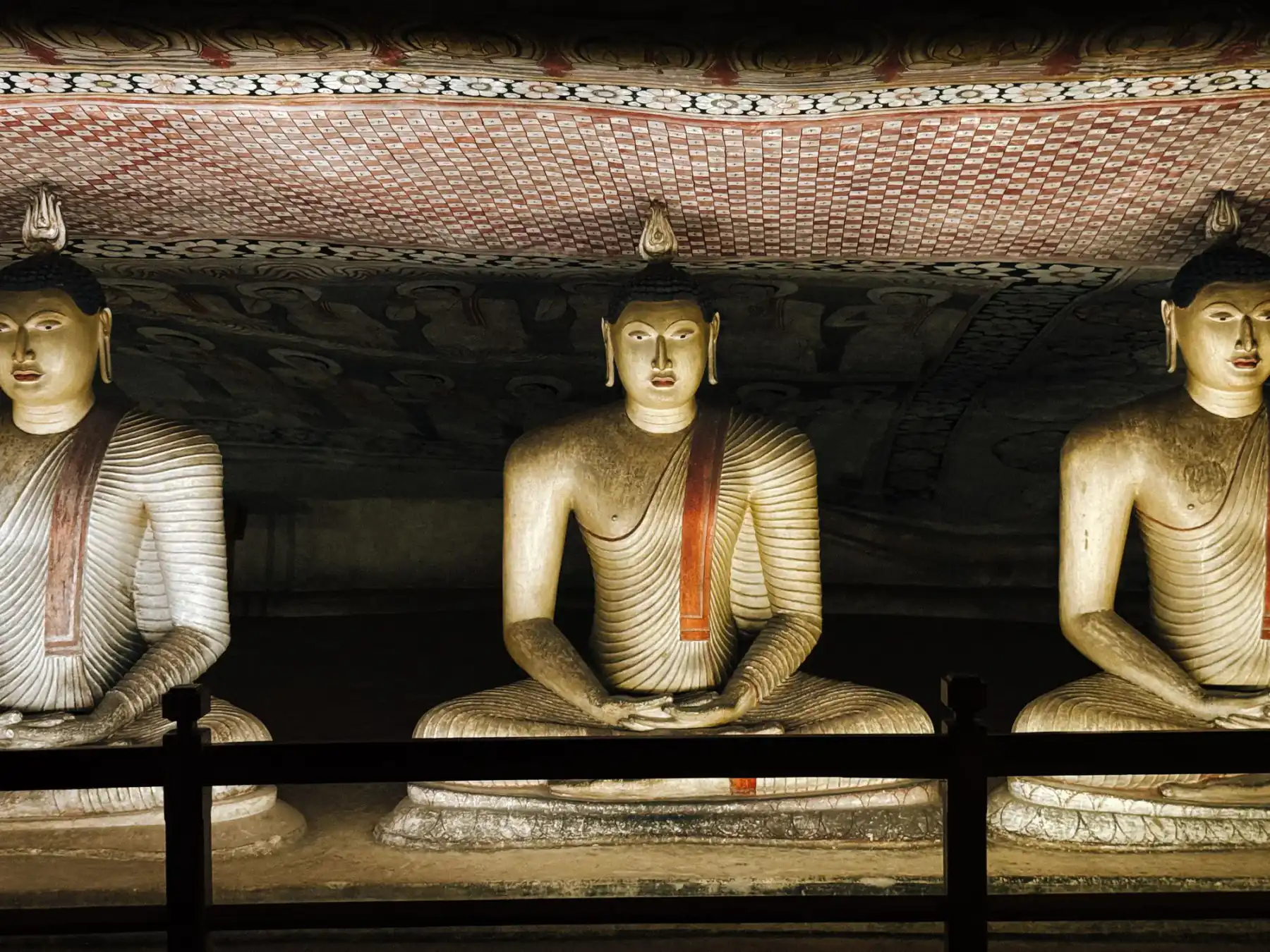
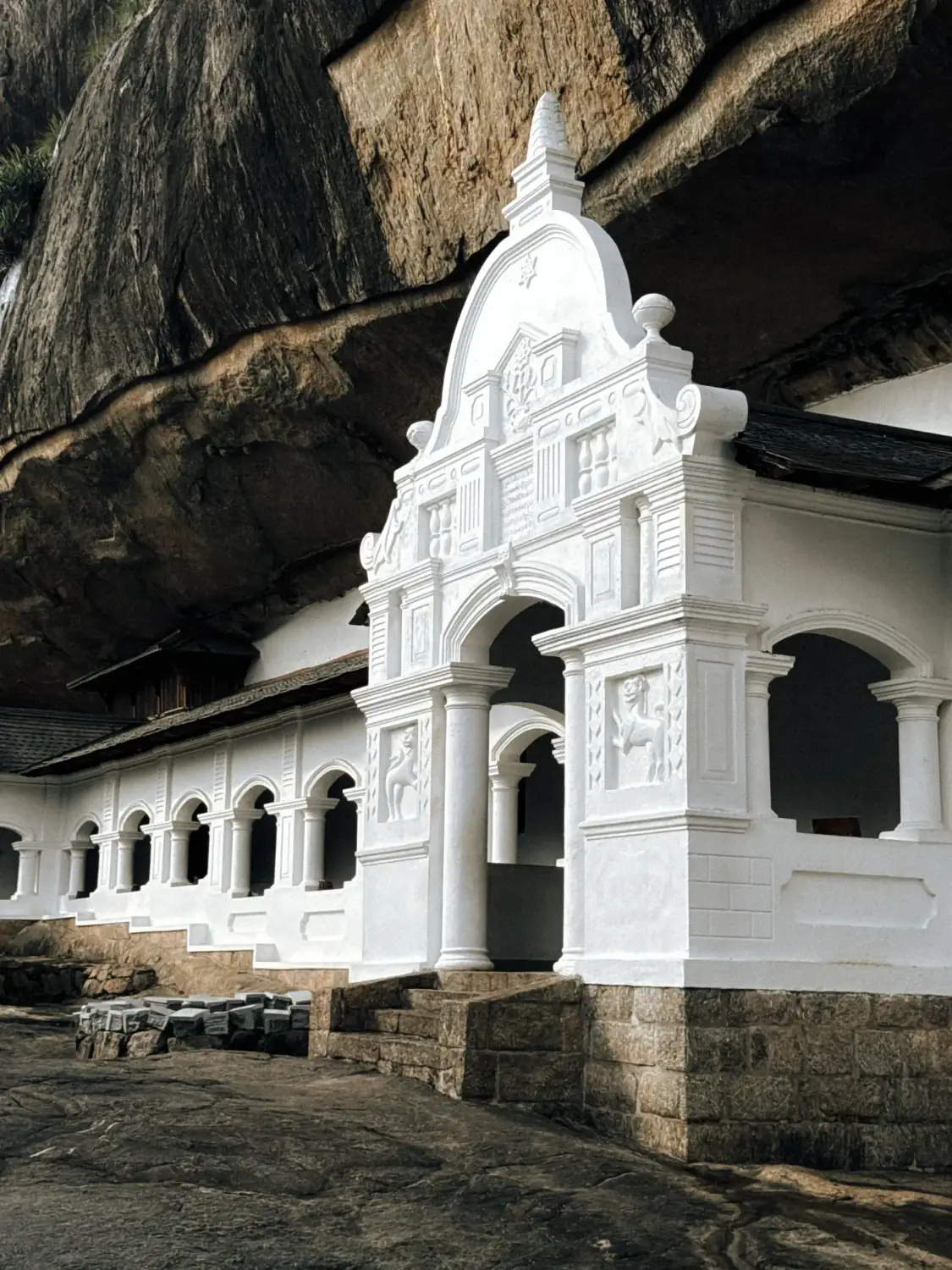
Sacred sites, forests and living places explained with enough context to travel thoughtfully.
What stays with you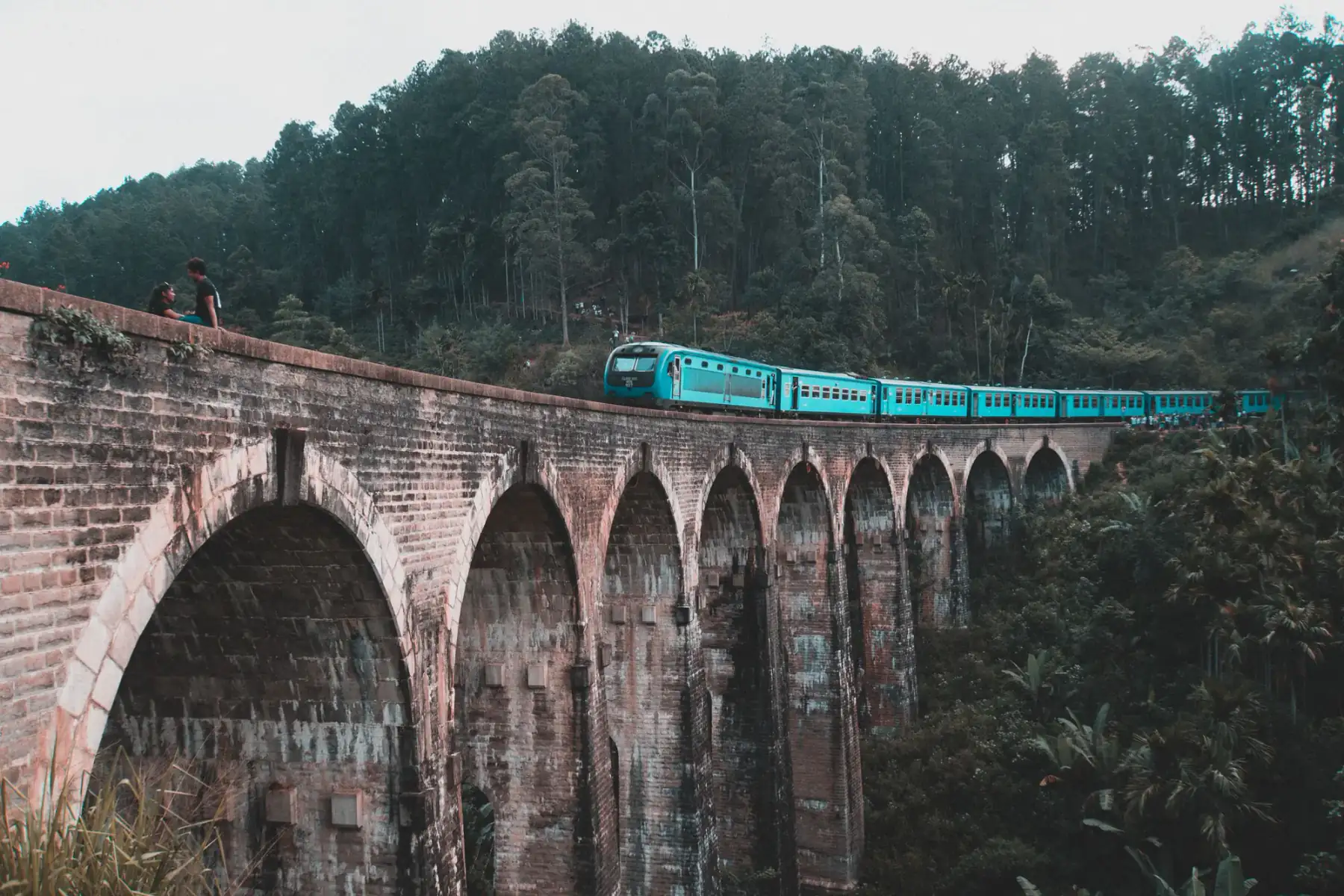
Wildlife, rail, tea country and coastline arranged by the kind of day you want.
How it feels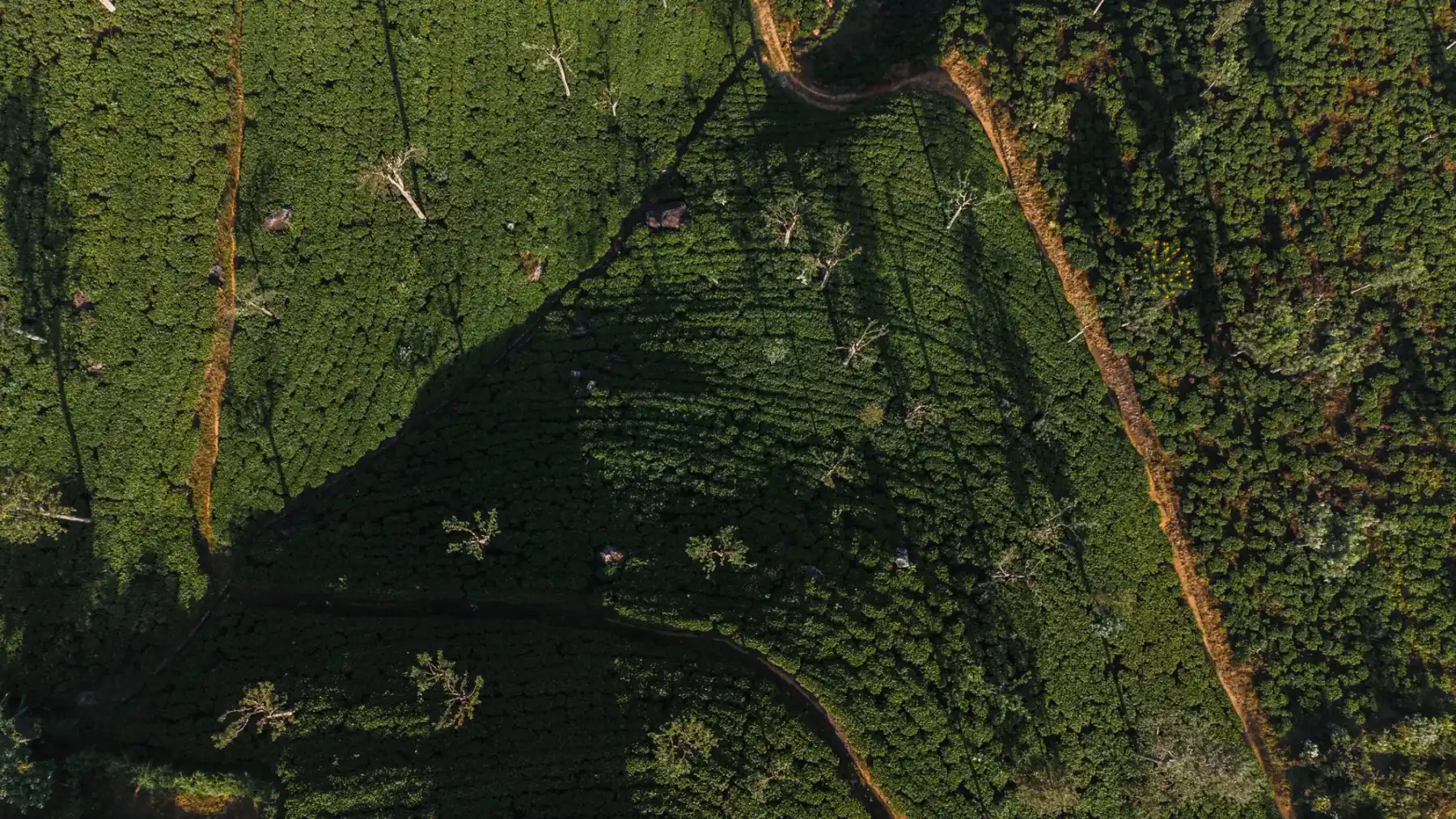
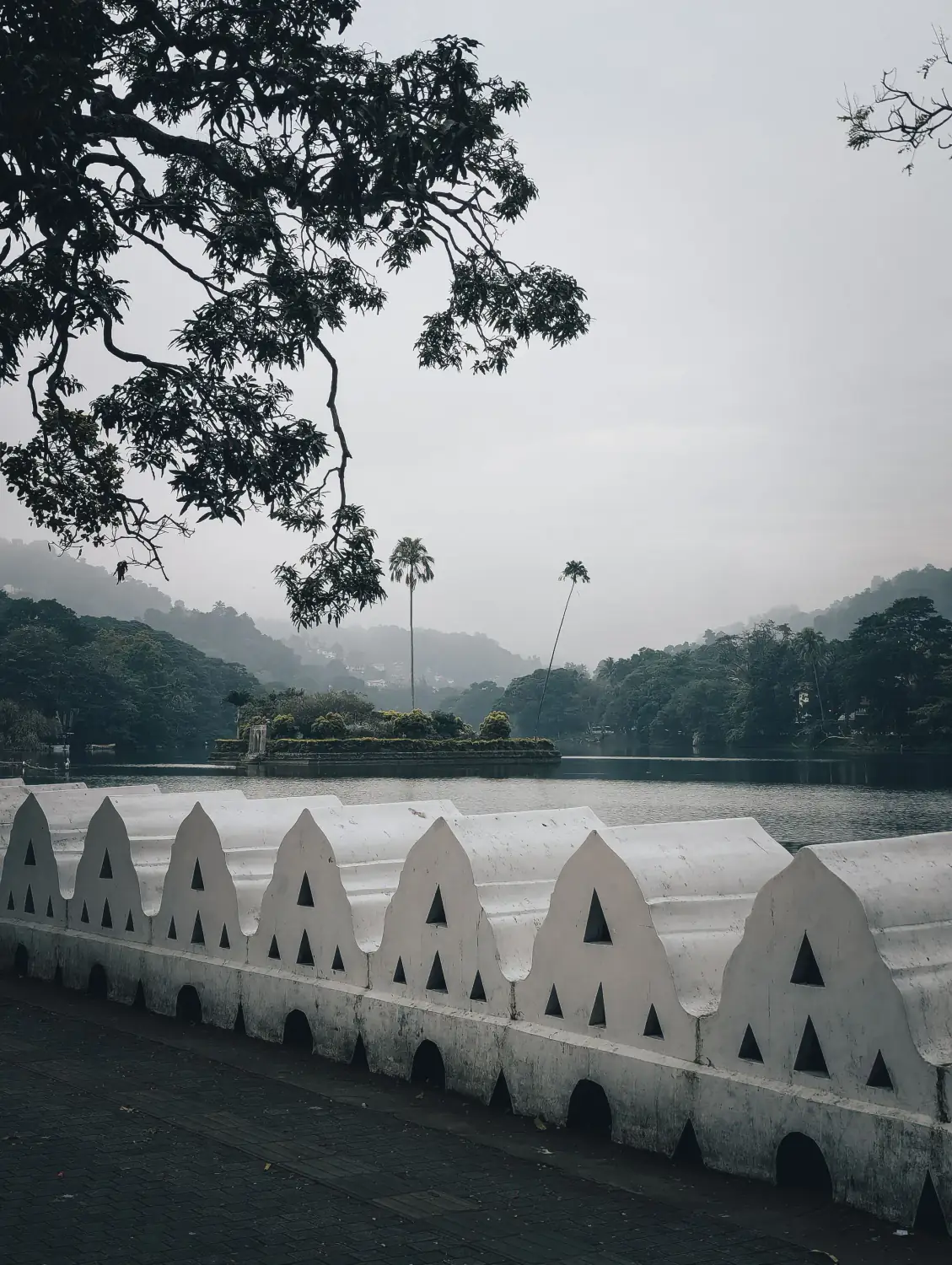
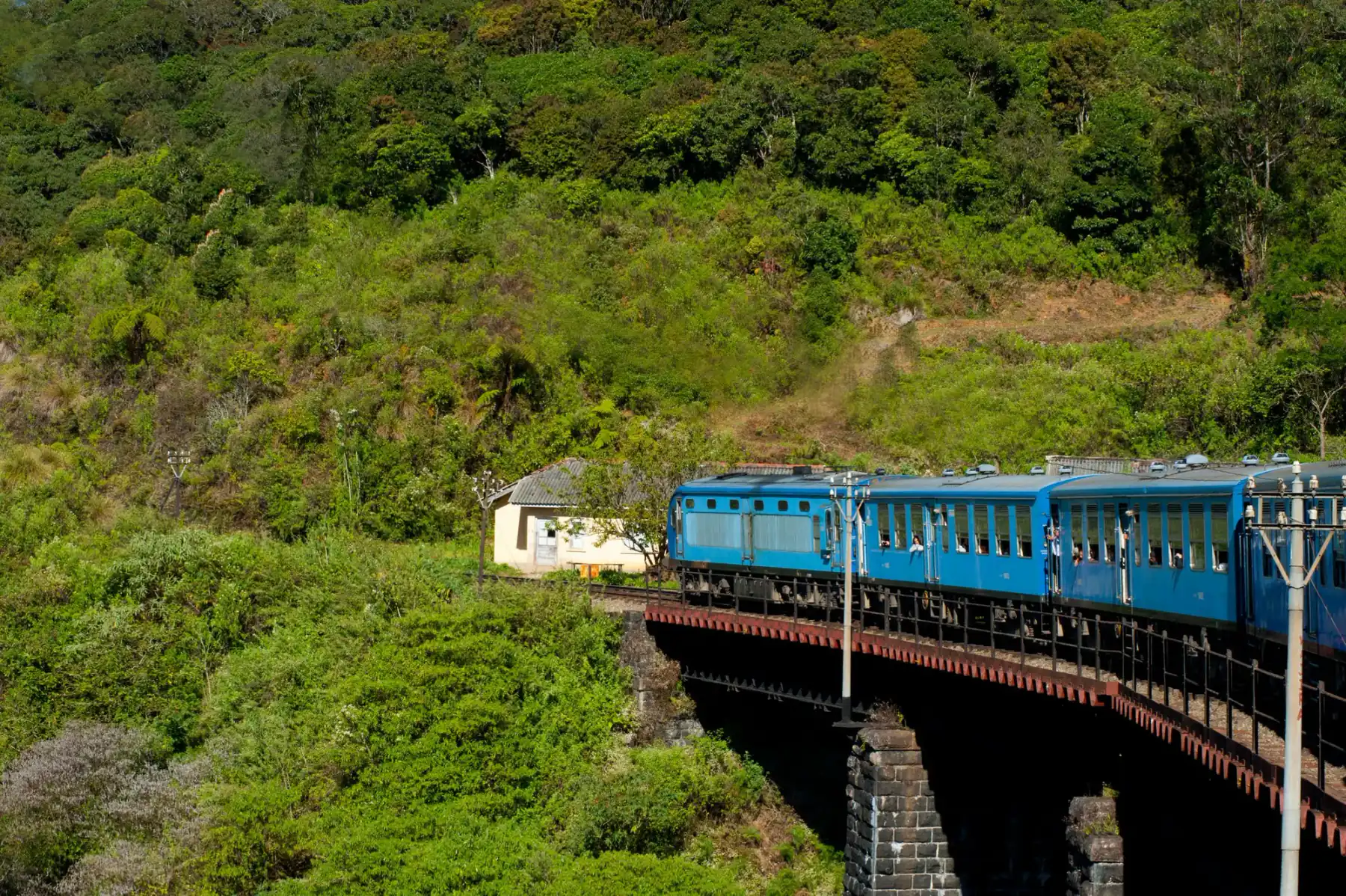
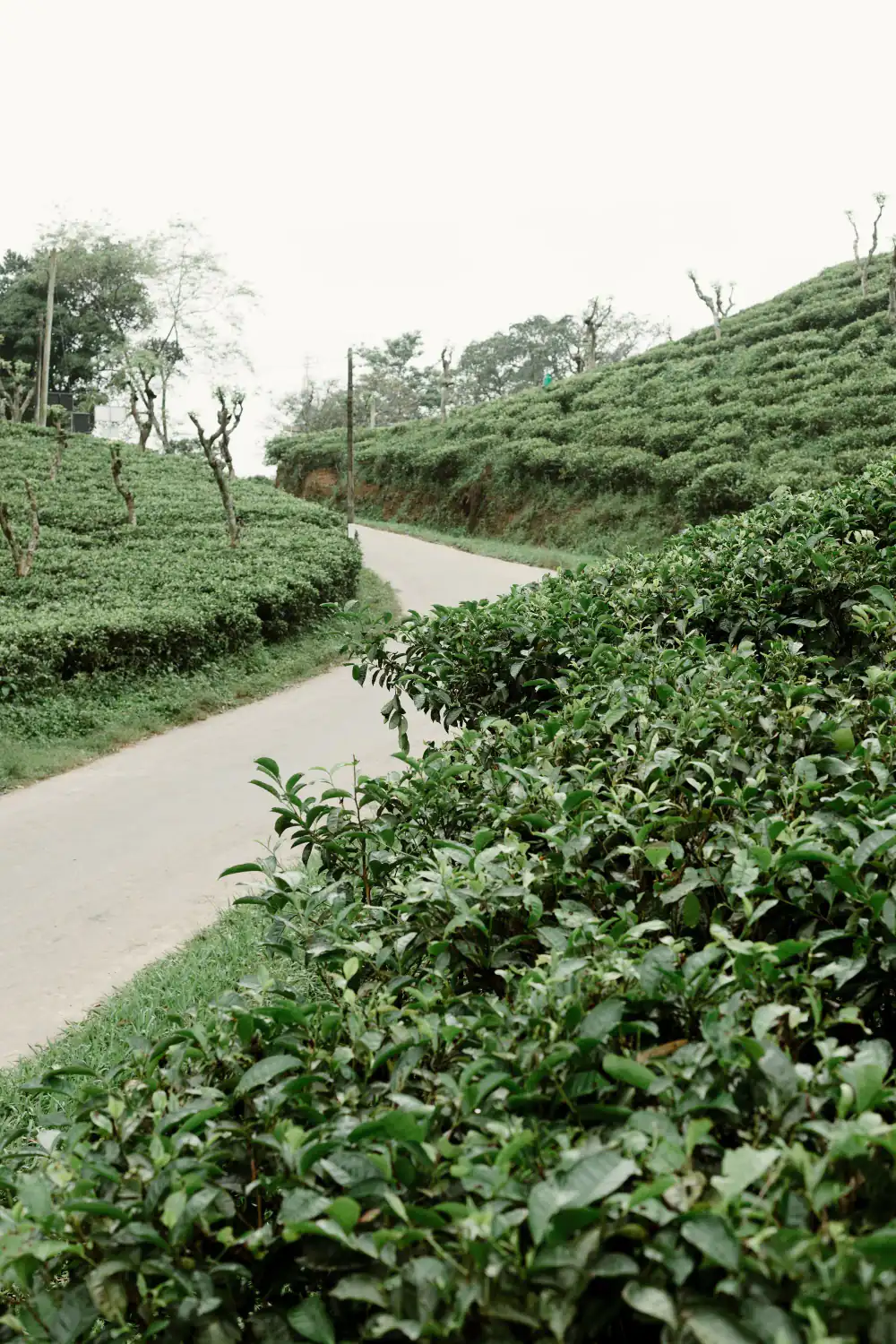
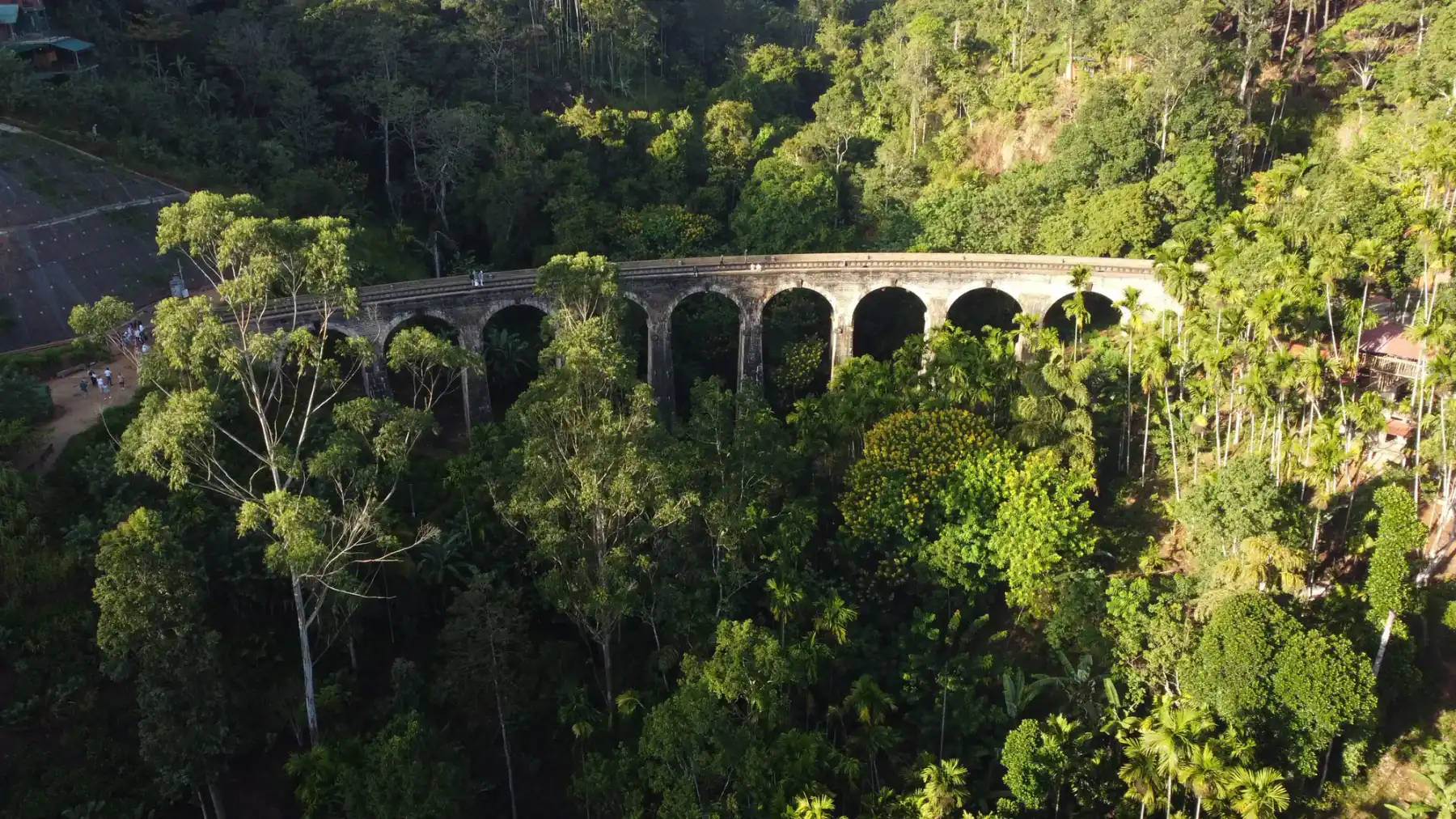
Connect Kandy, Nuwara Eliya and Ella with context on highland places, rail journeys and the time needed between stops.
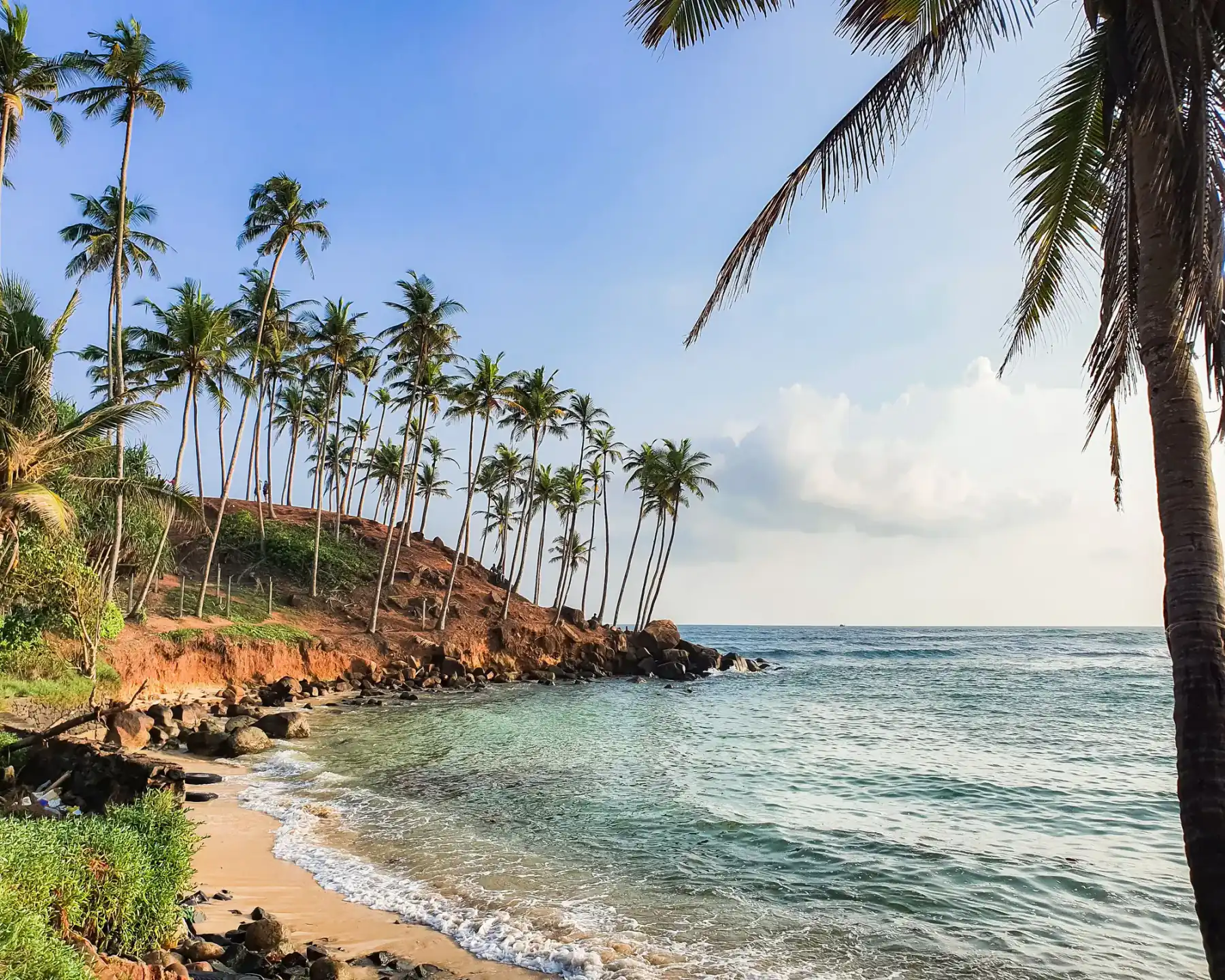
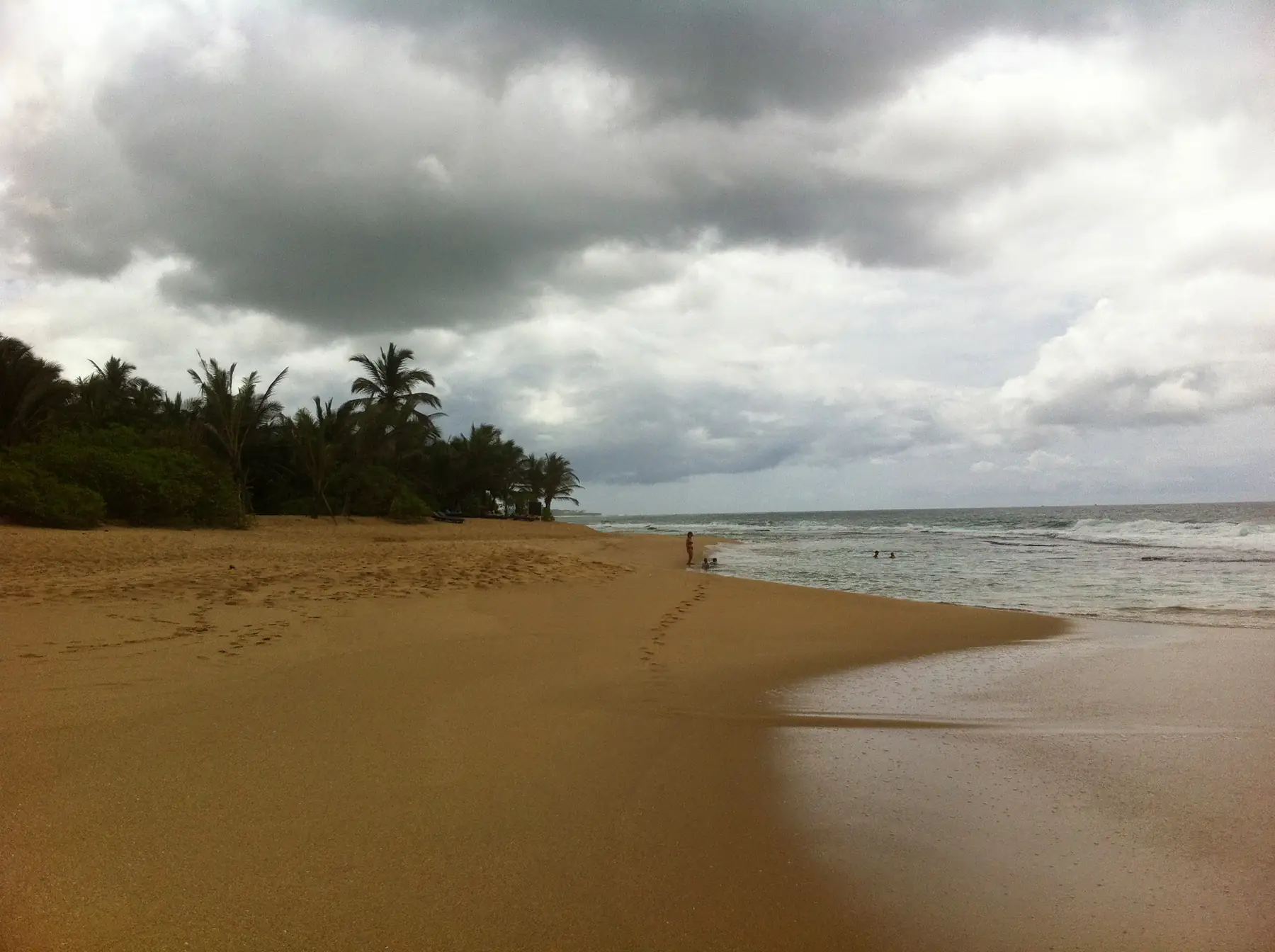
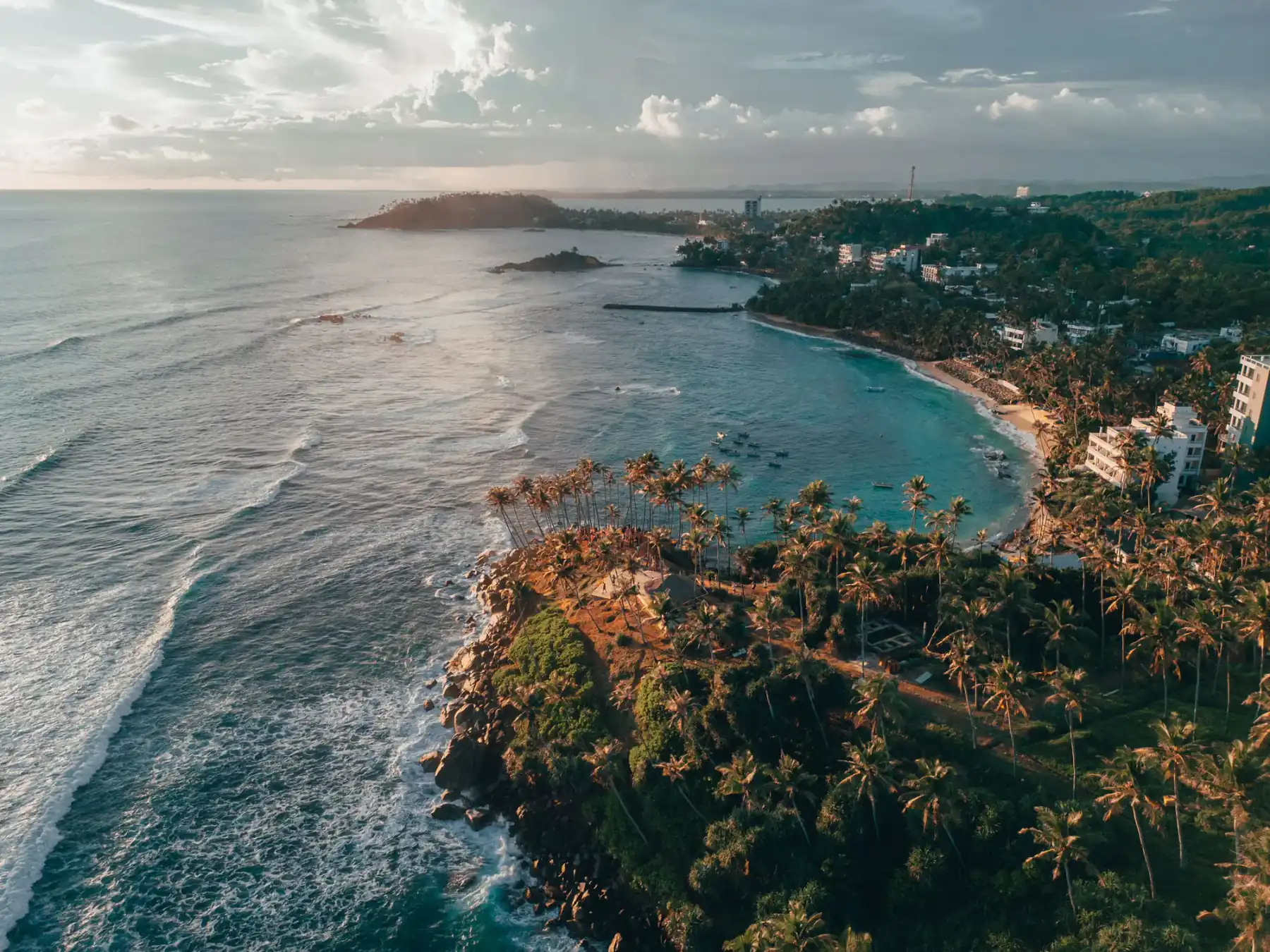
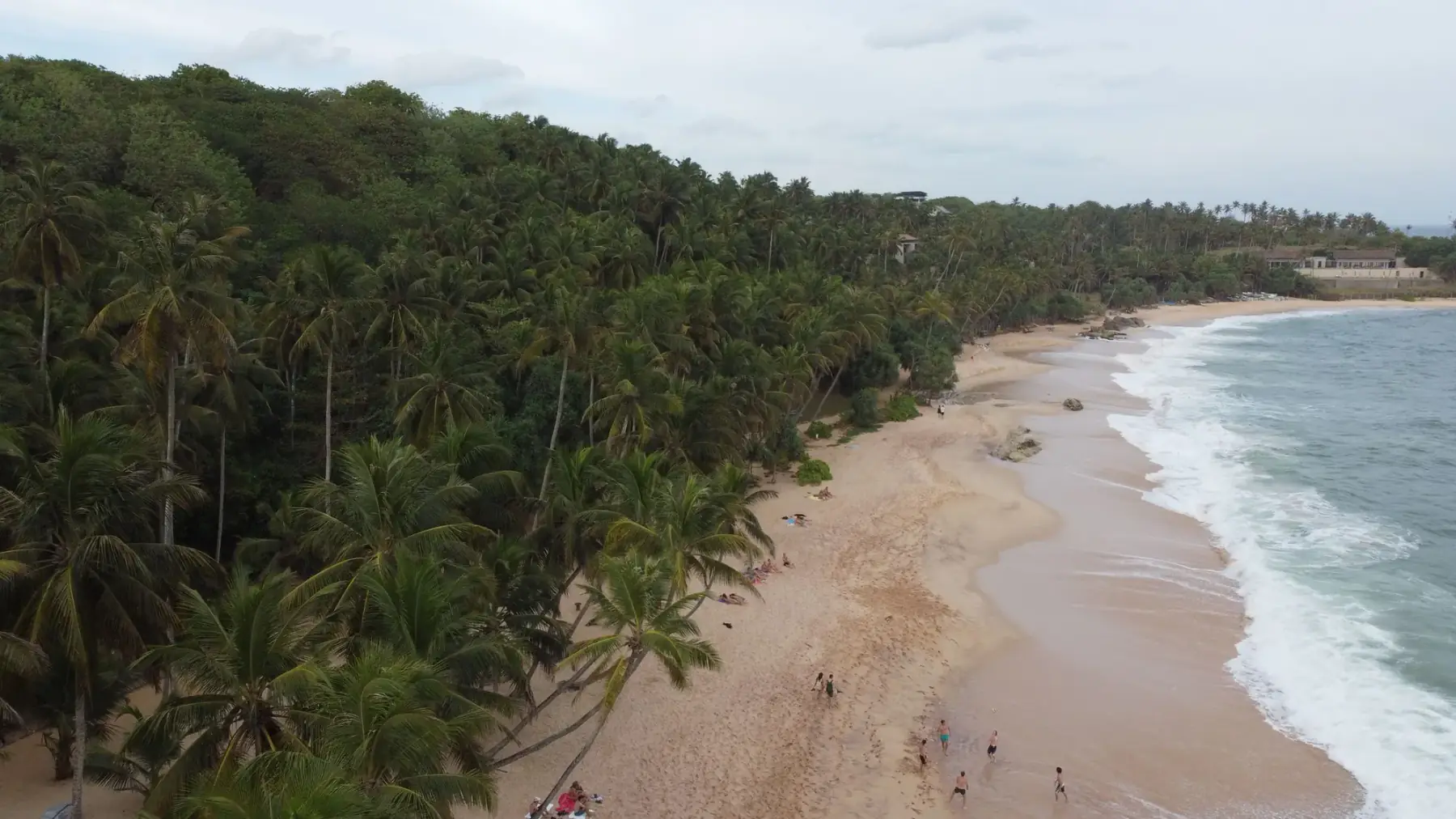
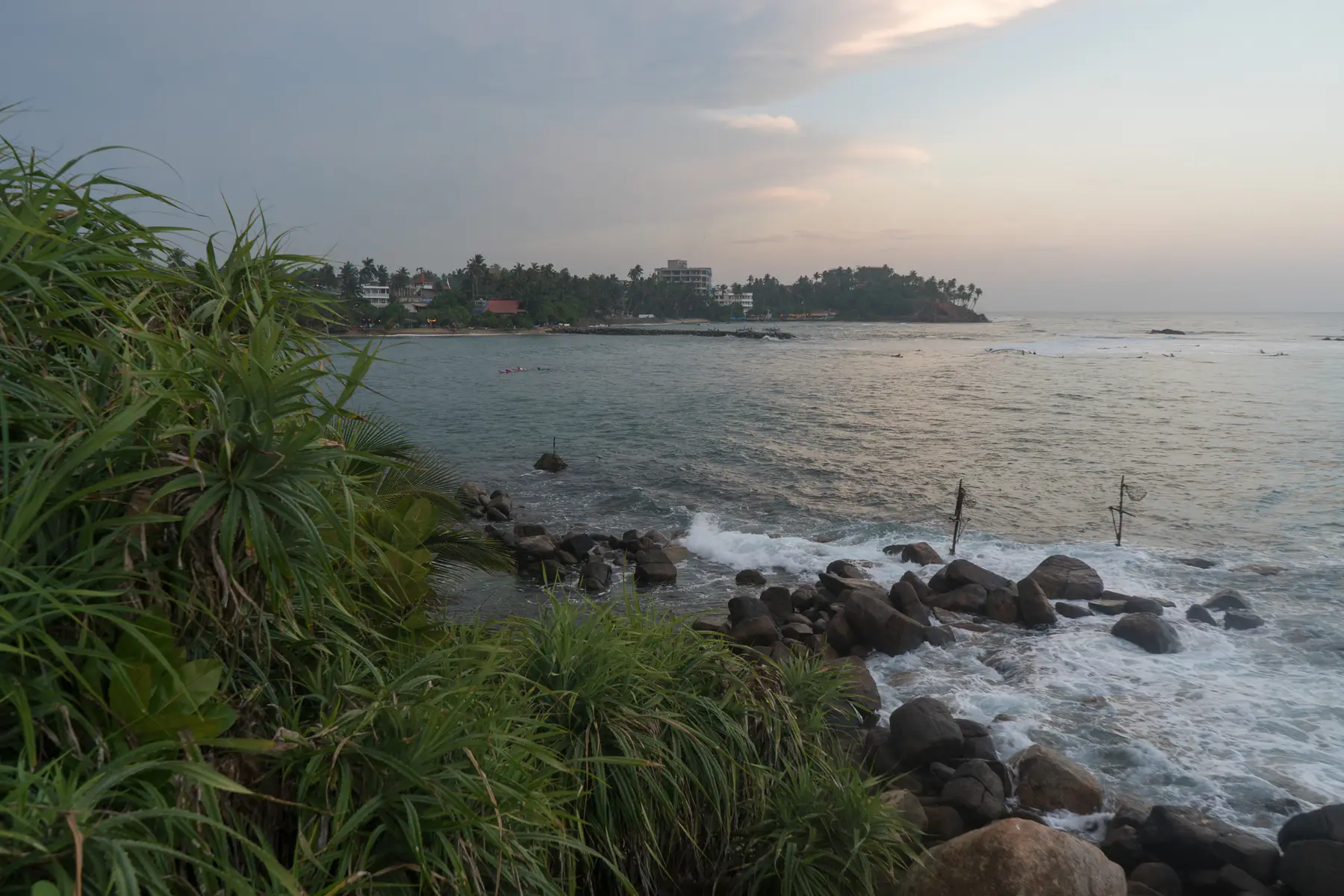
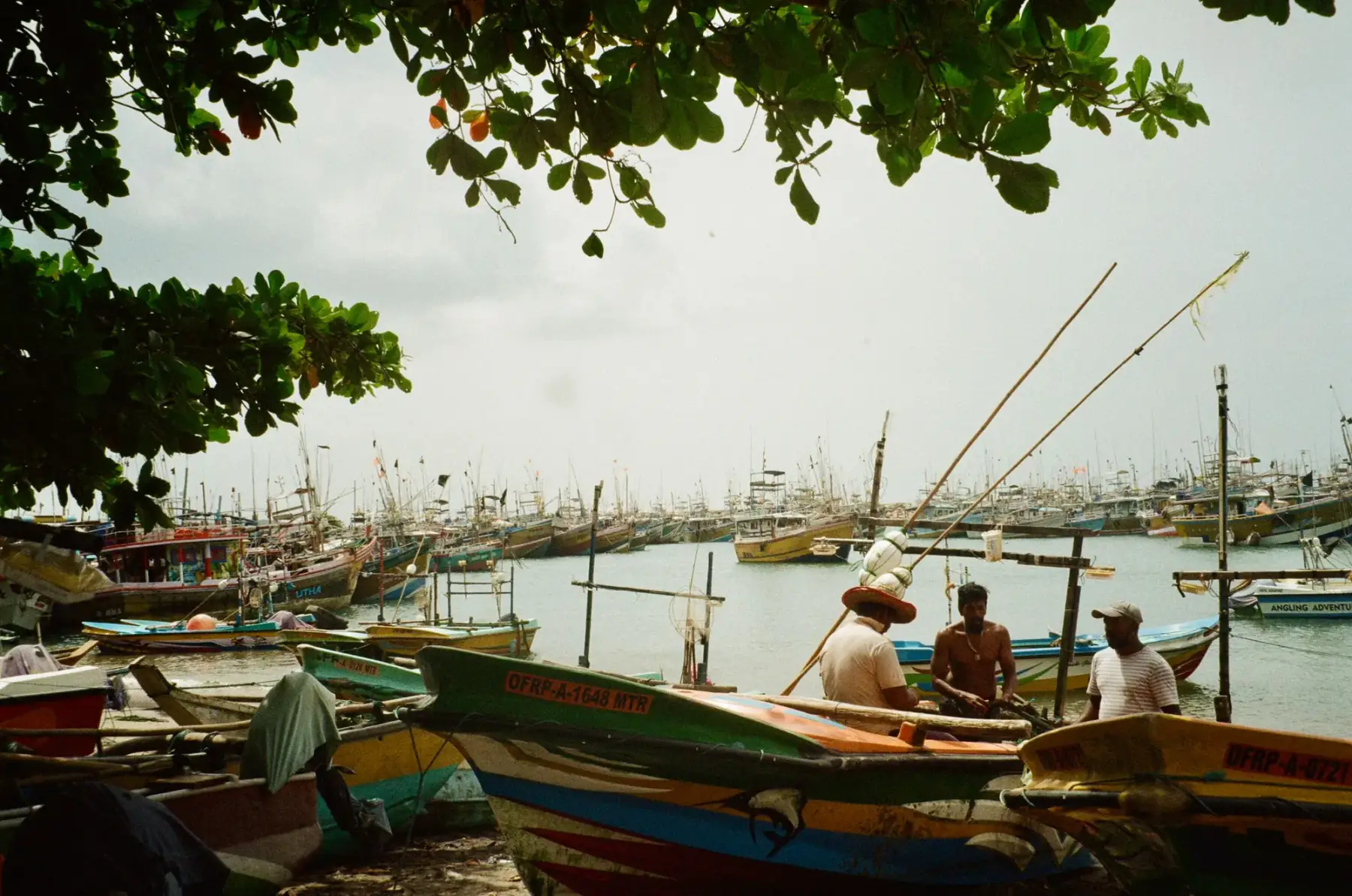
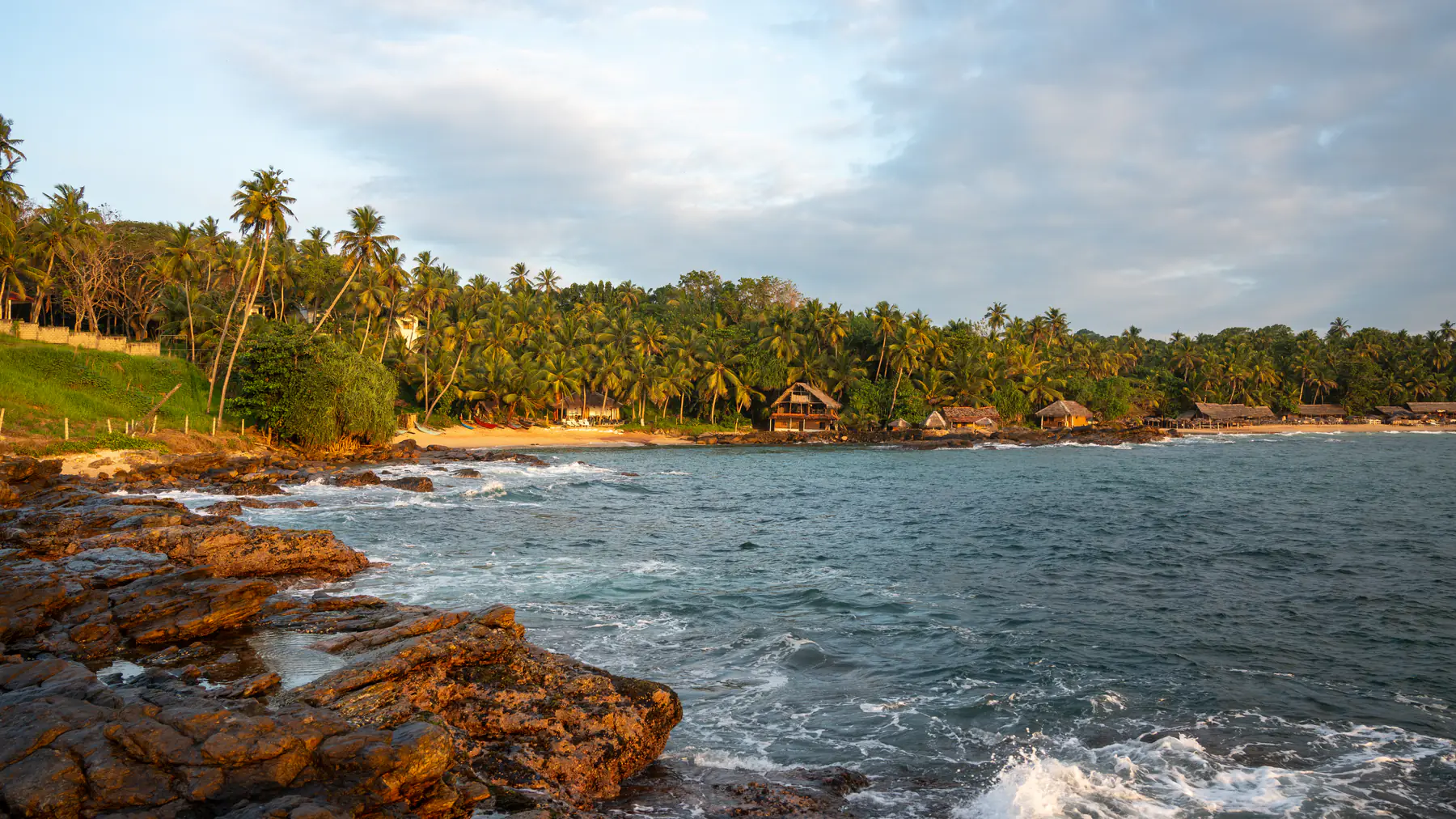
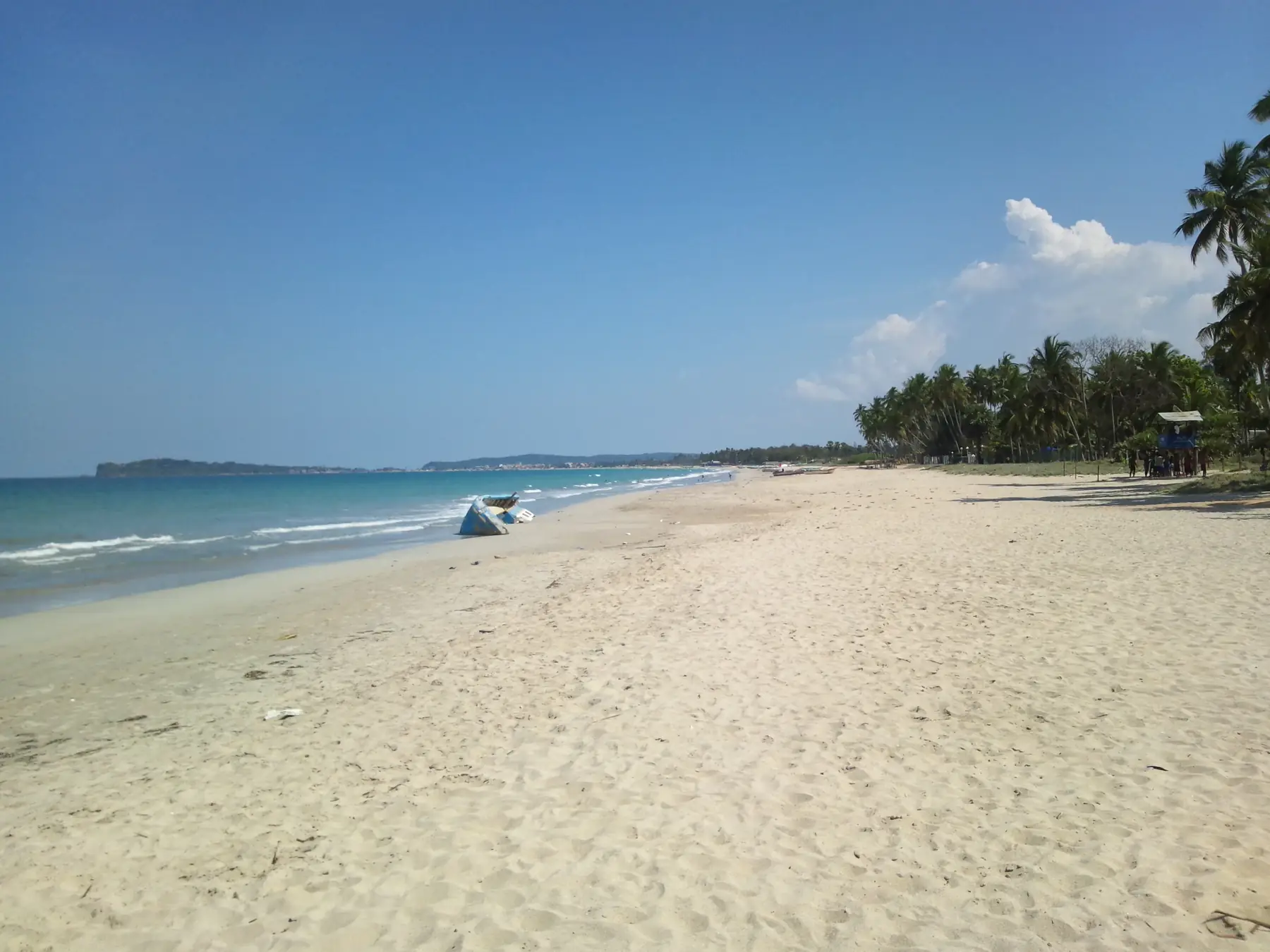
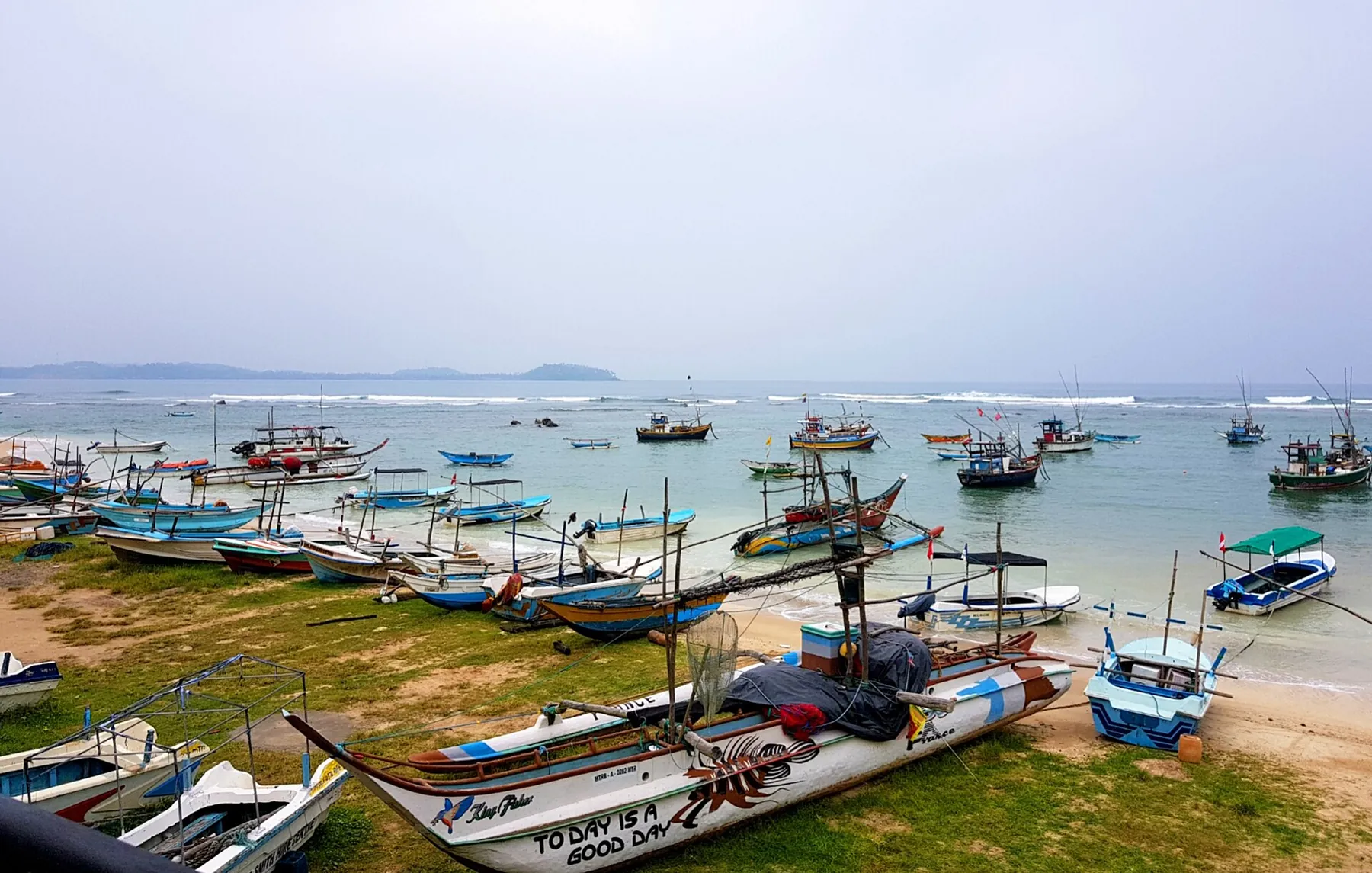
Compare Galle, Mirissa and Tangalle, then check current weather and operator advice for sea-based activities.
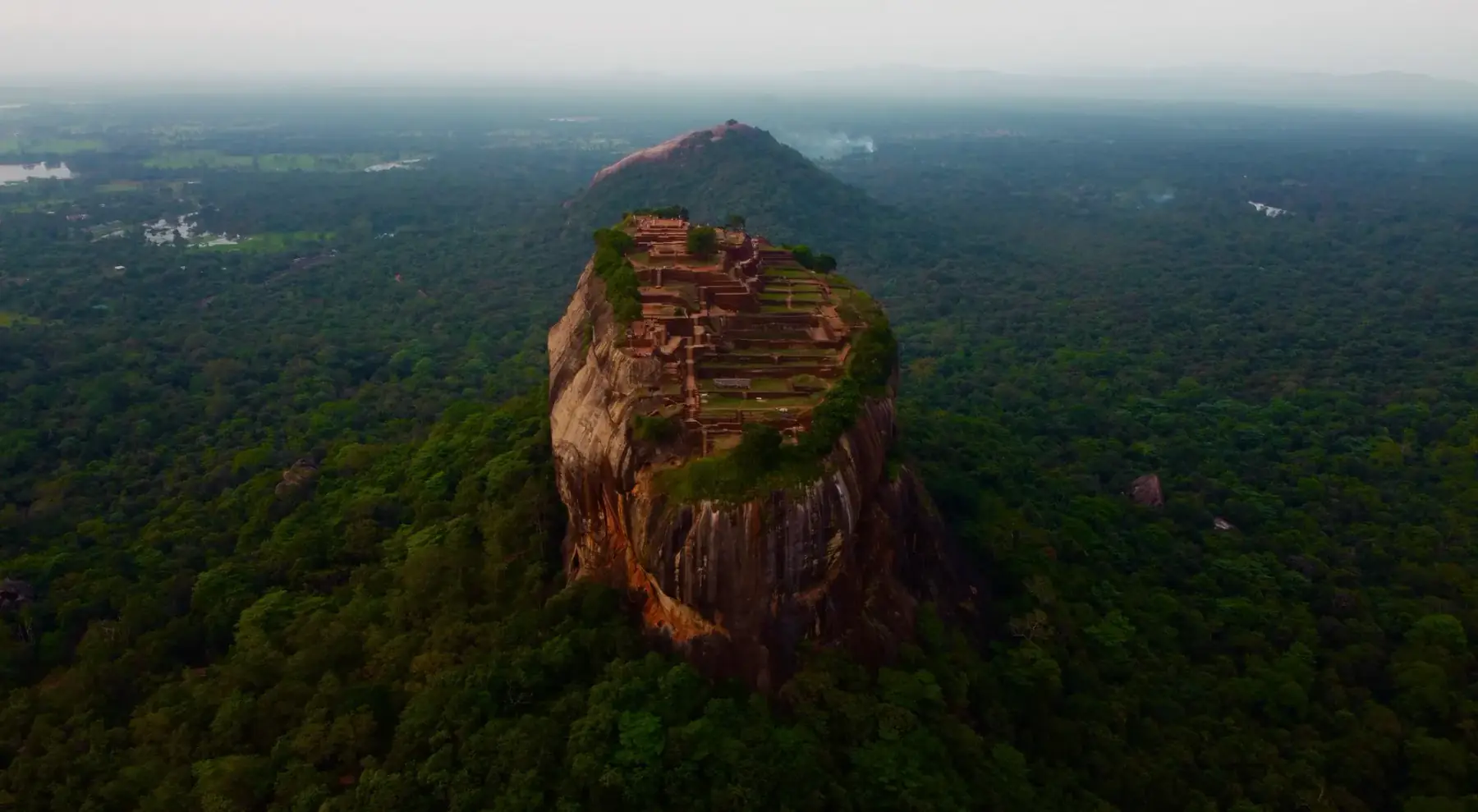
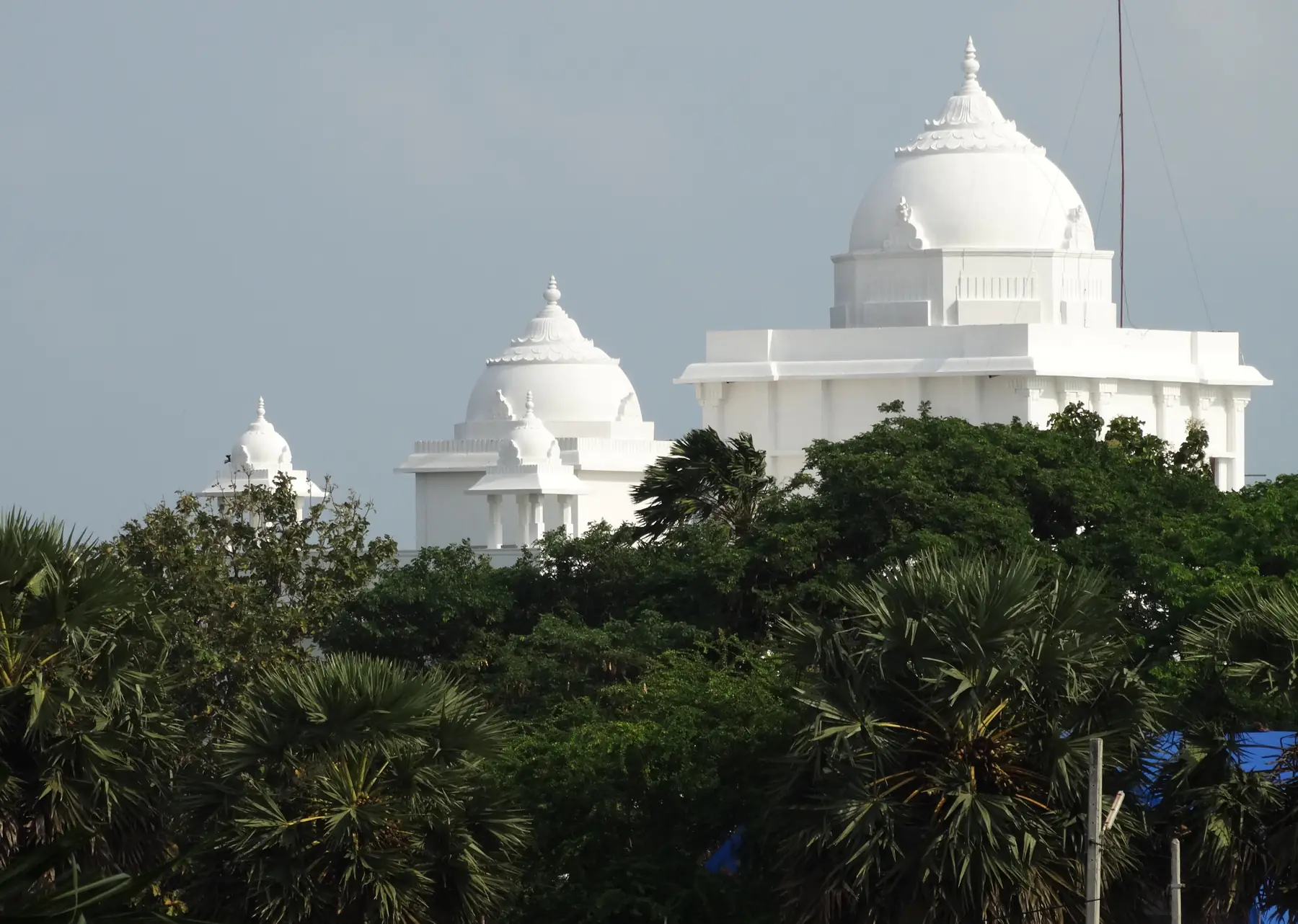
Connect Anuradhapura, Polonnaruwa, Sigiriya and Dambulla in a route shaped around the island's ancient capitals and sacred places.
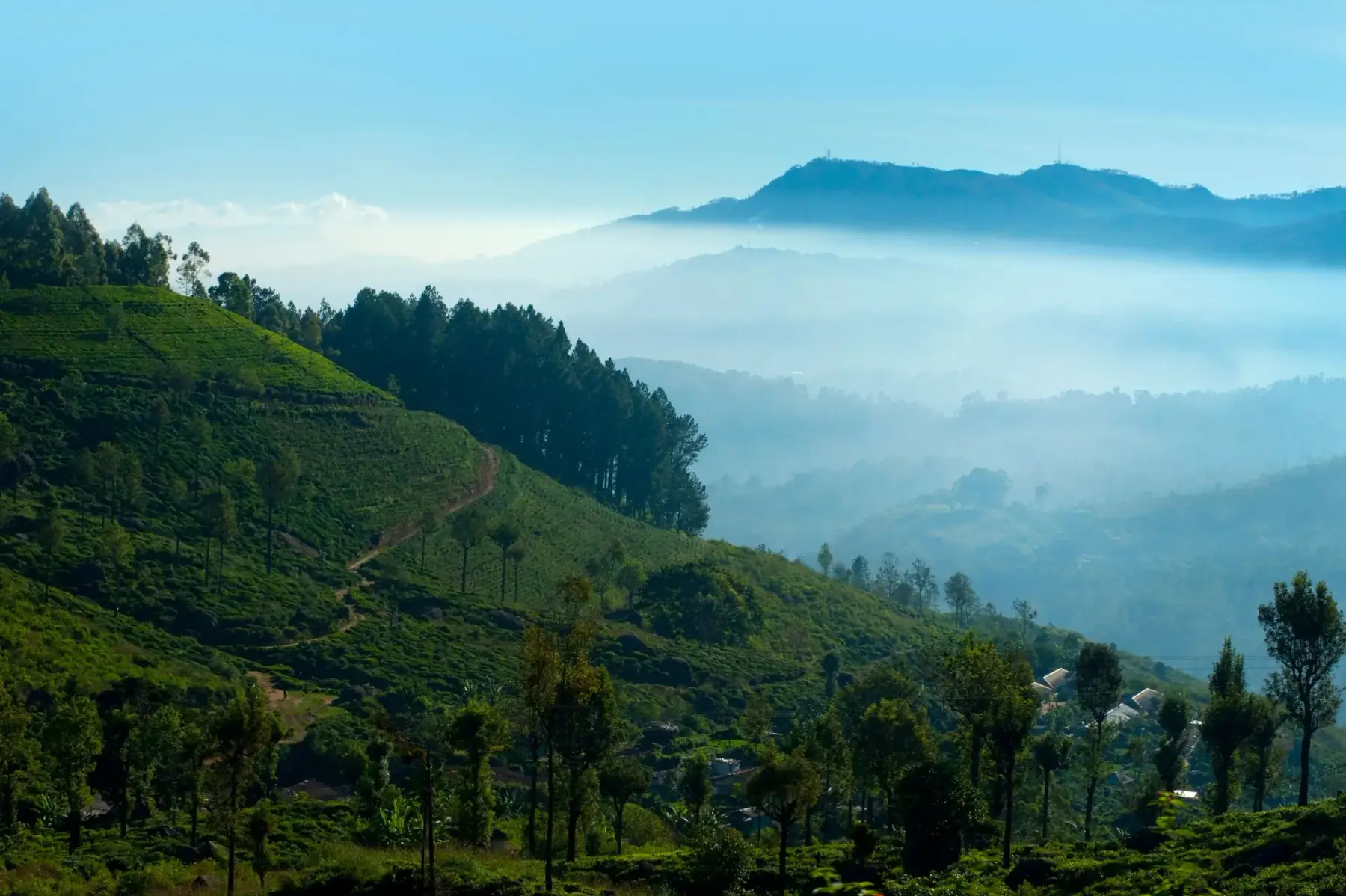
Serendib Atlas connects places, experiences, regions and practical reading into one map. Nothing to book. Just the context that makes a route feel like yours. Every entry carries its sources and the date it was last checked, so you can tell what is settled fact from what shifts with the season.
Why this guide existsRead the route, season, dress code, sacred-site etiquette and transport detail before it becomes a browser-tab pile.
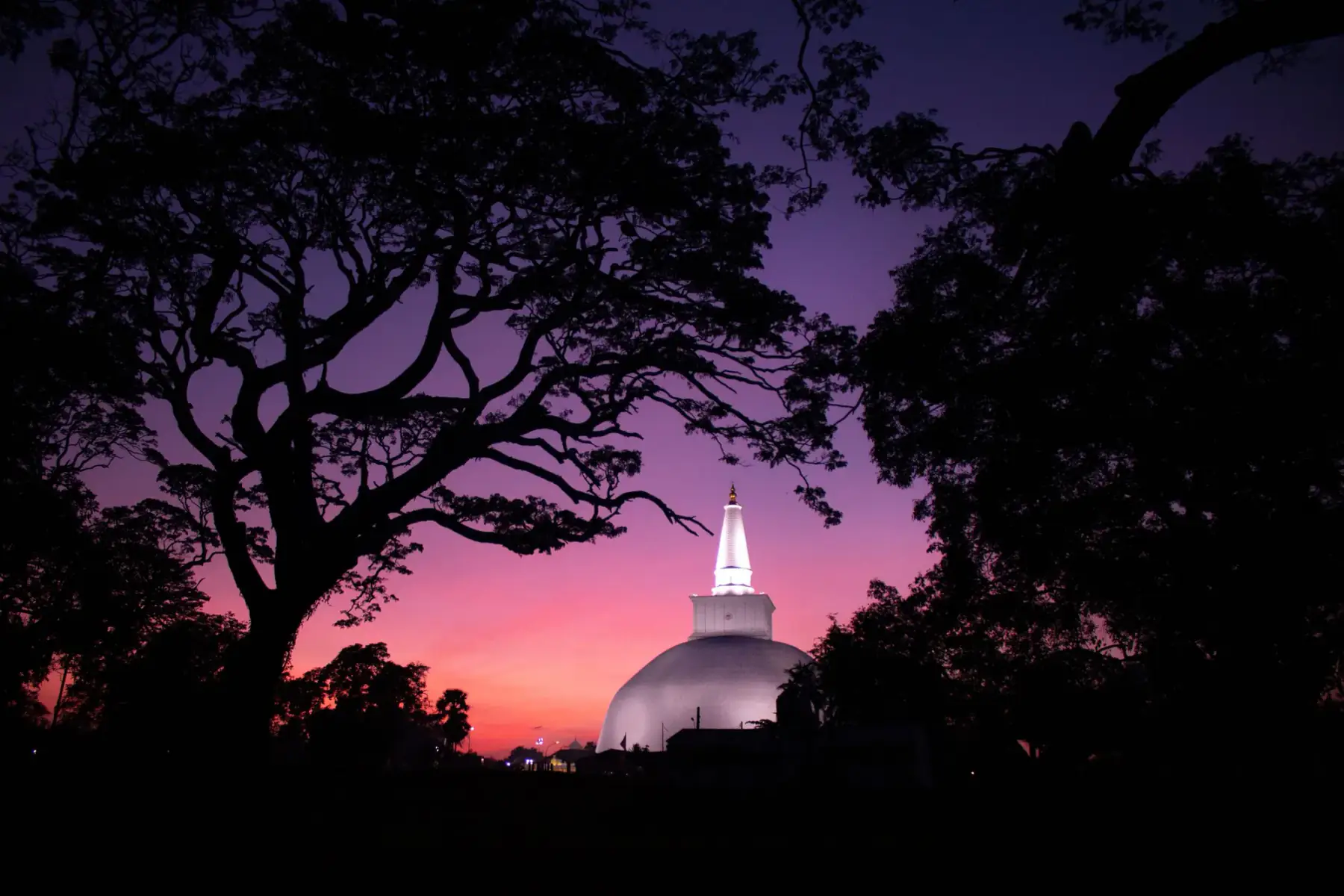
A World Heritage sacred city established around a cutting from the Buddha's tree of enlightenment and shaped by centuries as a political and religious capital.
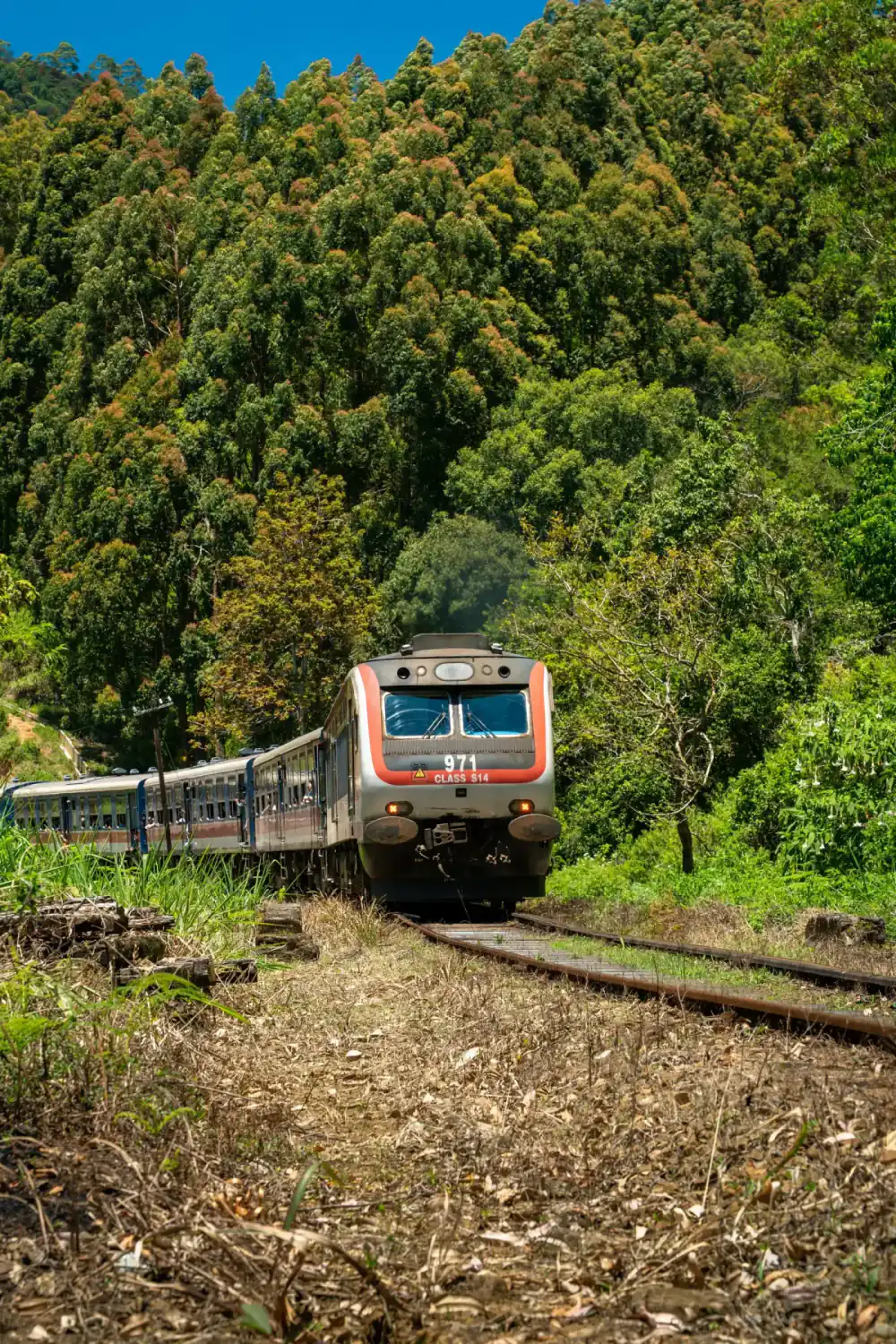
A serial UNESCO World Heritage property comprising Peak Wilderness, Horton Plains and Knuckles Conservation Forest.
A living Buddhist pilgrimage site organised around five cave shrines, inscribed on the World Heritage List in 1991.
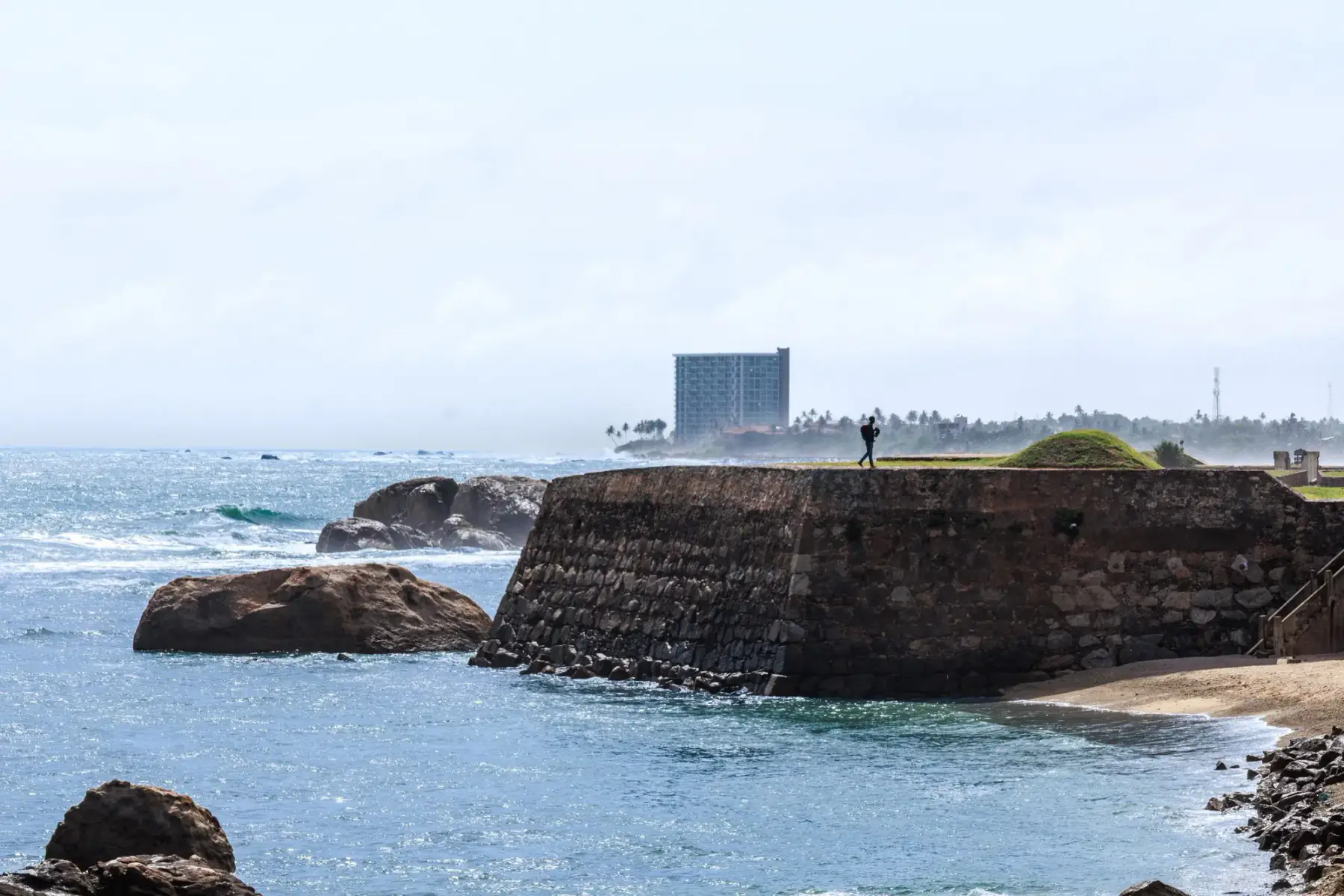
A living fortified town whose World Heritage value reflects the interaction of European planning and South Asian architectural traditions.
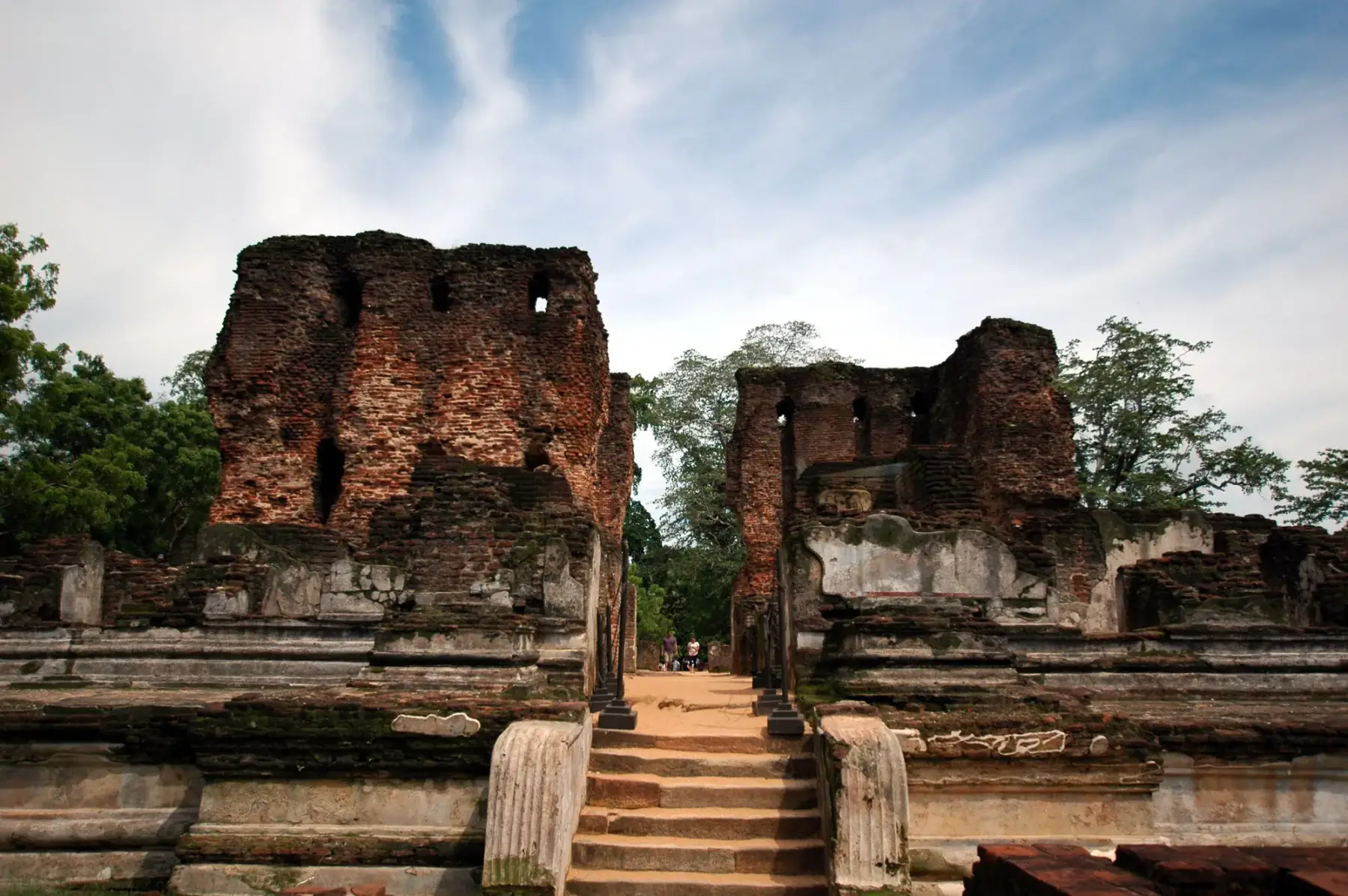
Sri Lanka's second capital after Anuradhapura, with Chola-period Brahmanic monuments and the 12th-century city associated with Parakramabahu I.
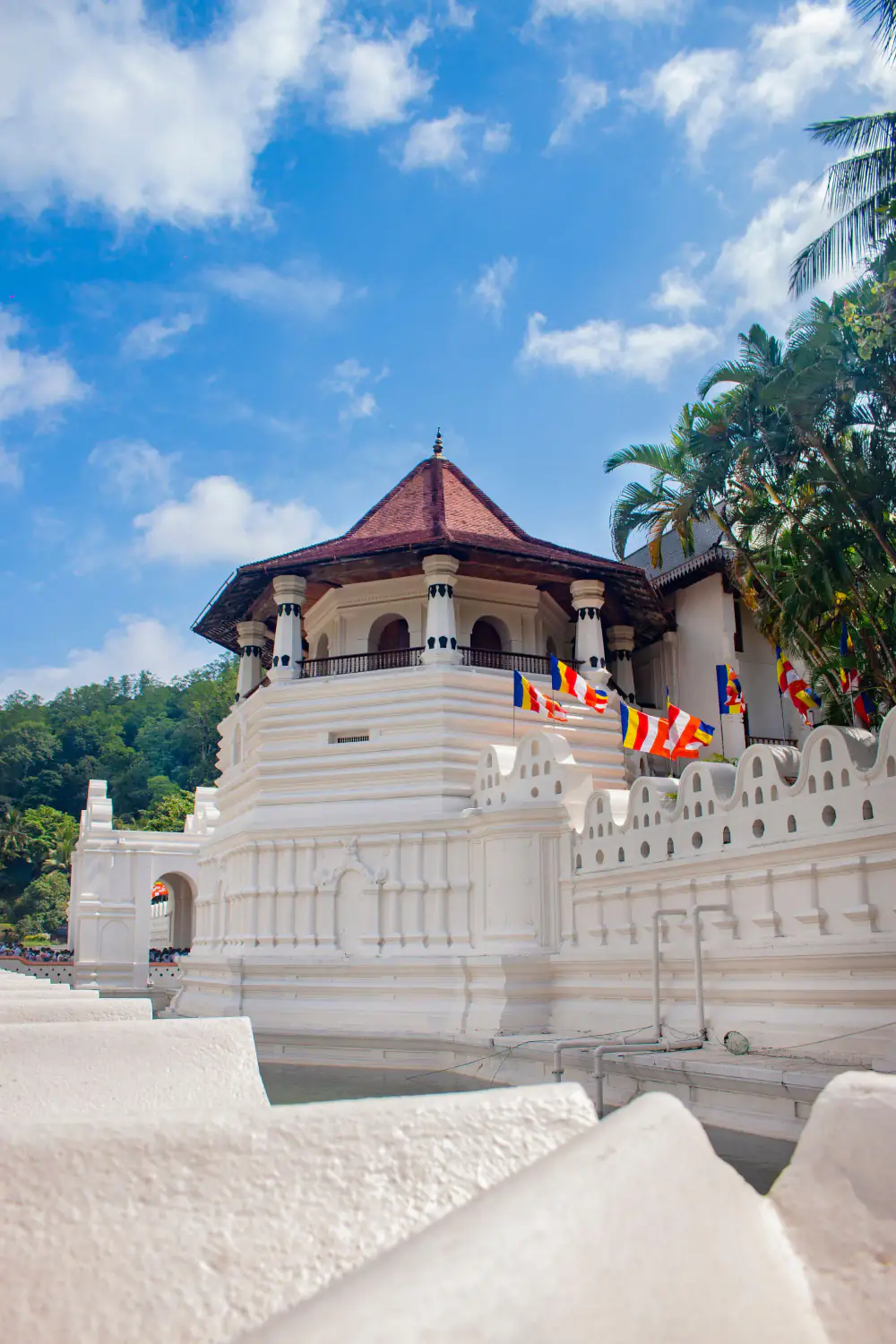
The UNESCO-listed sacred city of Sri Lanka's last Sinhala royal capital, centred on the Temple of the Sacred Tooth Relic.
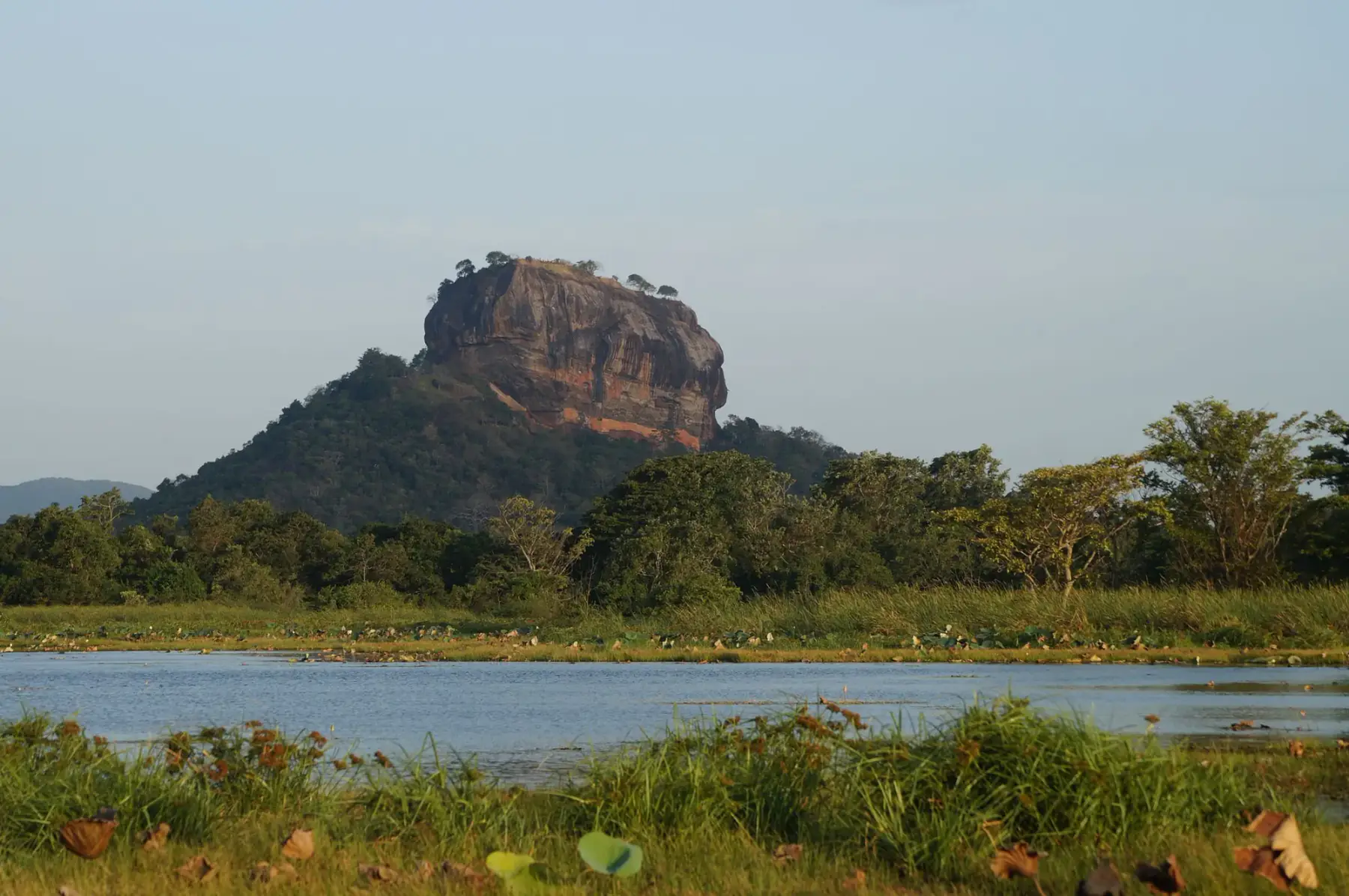
A World Heritage property built across the slopes and summit of a granite peak used as King Kassapa I's capital.
A UNESCO-listed rainforest reserve in south-west Sri Lanka, recognised for exceptional endemic biodiversity.
The ancient-capitals loop at a settled pace: rock temples, ruined cities and Kandy, without the coast.
A broad first pass: one cultural-triangle stop, the hill-country train, and a few days on the south coast.
The standard first loop with room to breathe: Cultural Triangle, hills and rail, then the south coast.
The same arc, unhurried, with an extra ancient capital, a safari night in the deep south, and slower beach time.