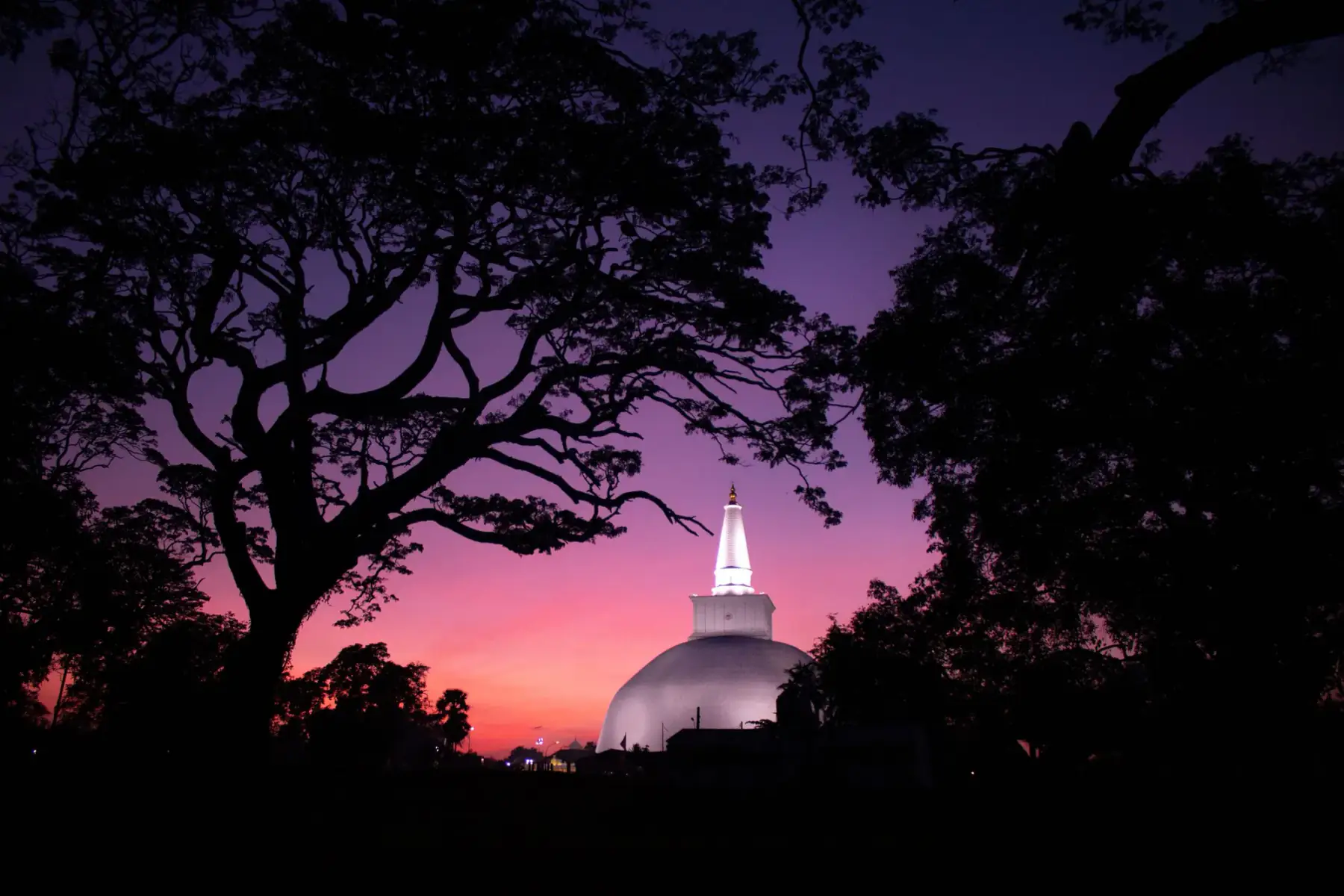
Anuradhapura
A large UNESCO-listed sacred city where archaeological remains and active Buddhist pilgrimage places share one landscape.
Anuradhapura is both an archaeological landscape and an active Buddhist sacred city. UNESCO says the city developed around a cutting of the Buddha's fig tree brought in the third century BCE and became a major political and religious centre before being abandoned after an invasion in 993.
Things to do in Anuradhapura
The visit is built from the World Heritage property's sacred places, monasteries and monumental remains spread over a broad area. Start by deciding which locations matter most, then verify current tickets, opening arrangements and transport between them. A generic "see the ruins" plan understates both the scale and the living religious use.
Dress code and worship conduct
Expect worship at places such as the Sri Maha Bodhi precinct and major stupas. Wear appropriate clothing, follow local instructions and avoid obstructing devotees or ceremonies. The sacred-sites guide provides a practical baseline, while the dedicated Anuradhapura place guide helps sequence the archaeological visit.
Use the Cultural Triangle region guide to decide whether Anuradhapura belongs with Polonnaruwa, Dambulla or Sigiriya in the same trip. Do not compress them into one day merely because they share a regional label.
How long to spend in Anuradhapura
There is no evidence-based universal length. Anuradhapura works best when the day has a small number of priorities. The archaeological property, active monasteries and major pilgrimage places are spread across a broad sacred landscape. A plan built around two or three named places leaves room to understand them; a long checklist encourages rushed transfers and makes it easier to treat worship spaces as exhibits.
Choose the modern city as a base when Anuradhapura itself is a central reason for the trip. If the goal is only a brief introduction before continuing through the Cultural Triangle, identify the one precinct or monument that answers that goal and accept that the visit will not represent the whole city.
Separate the base from the World Heritage property
This destination page helps with the decision to stay in Anuradhapura. The Sacred City of Anuradhapura guide covers the protected property and its historical significance. Keeping those purposes separate prevents accommodation and route questions from being mixed with claims about the ancient city. Tickets, opening hours, online booking and the dress code are on that page, checked against the Central Cultural Fund on 11 October 2026.
Getting around the sacred city
Start with the places where ceremonies, offerings or pilgrim movement may affect access. Allow time to remove footwear, follow photography restrictions and move around worshippers without interrupting them. Heat, rain and the distance between precincts can also change the sensible order, so confirm current site and transport information rather than copying an old one-day schedule.
Continue through the Cultural Triangle
Anuradhapura pairs most naturally with a route that gives each major property its own purpose. Polonnaruwa is another large ancient-city visit, Dambulla centres on a living cave-temple complex, and Sigiriya is the base for a concentrated rock-fortress visit. Select among them by available days and interest instead of assuming all four must fit. Anuradhapura or Polonnaruwa? compares the two ancient capitals.
Sources
Last verified 2026-08-28
Plan your Anuradhapura trip
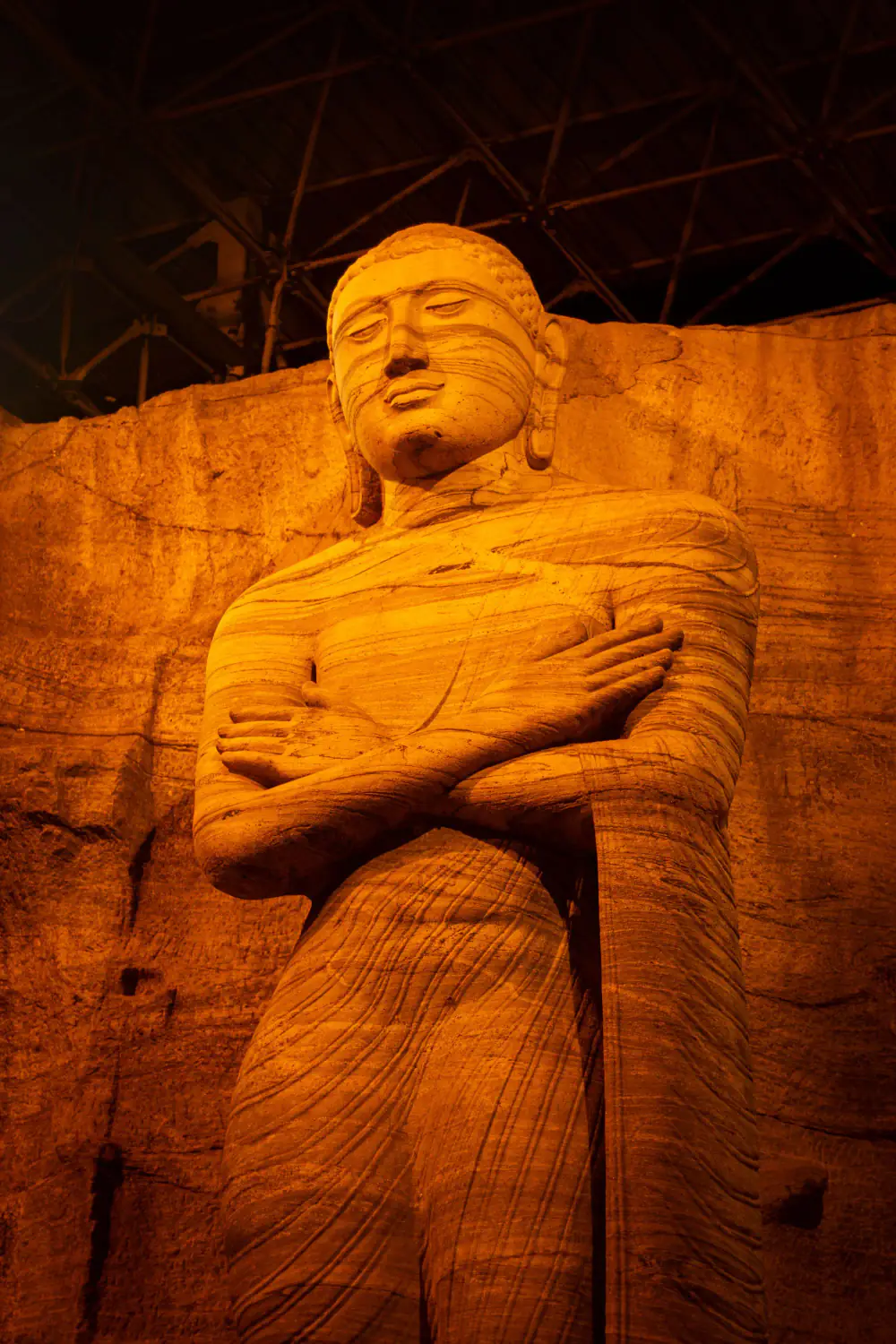
Anuradhapura or Polonnaruwa?
Choose Anuradhapura for a living sacred city and Sri Lanka's first capital; choose Polonnaruwa for medieval sculpture and a shorter hop from Sigiriya or Dambulla. Tickets and routes checked 9 October 2026.
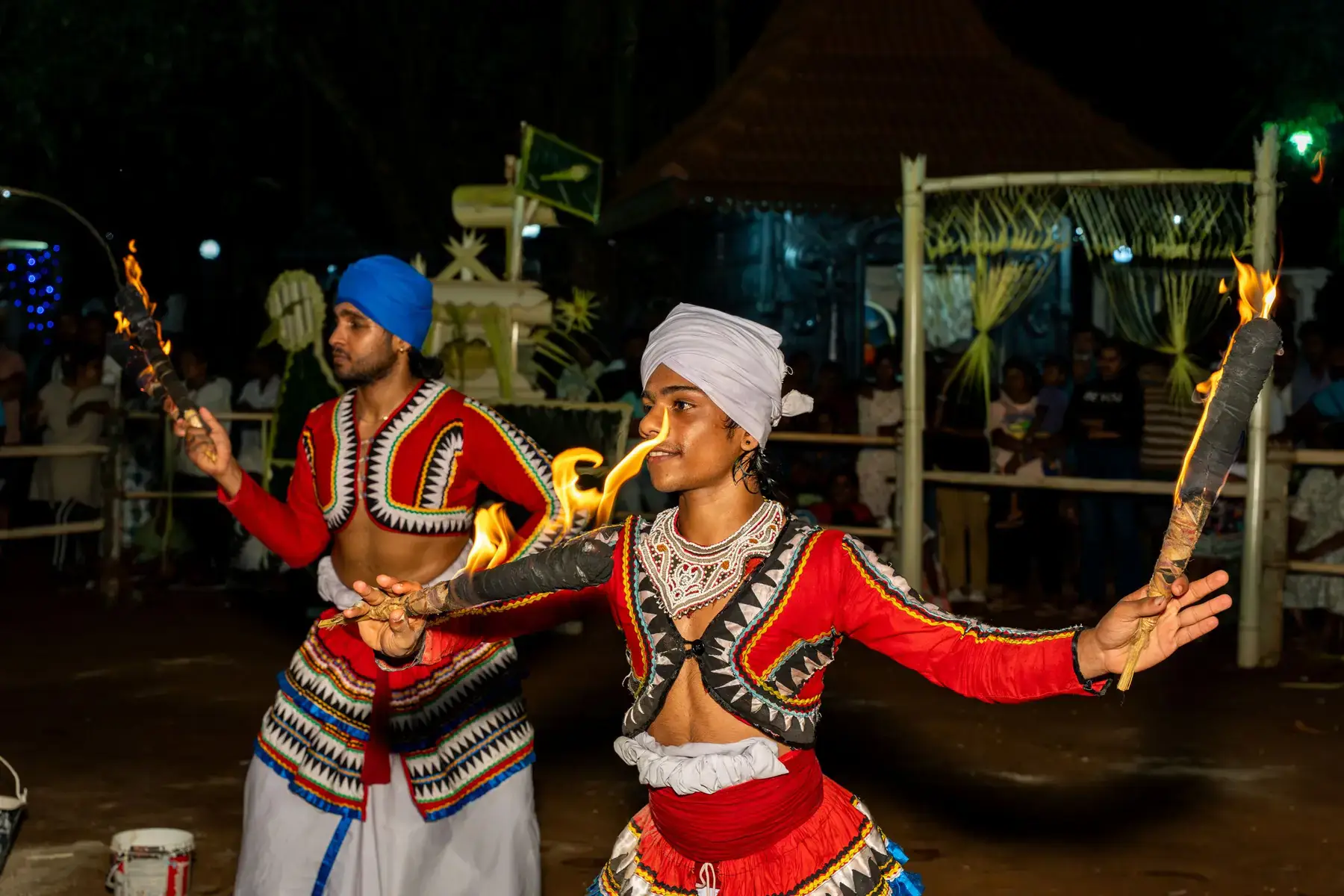
Sri Lanka Festival Calendar
A date-checking framework for Sri Lanka's religious and cultural festivals, whose exact dates and visitor arrangements change by year.
Sri Lanka in November
November is one of Sri Lanka's wetter months island-wide, and the Department of Meteorology expects above-normal rain in November 2026. How to plan around it, where to go, and what opens, checked 12 October 2026.
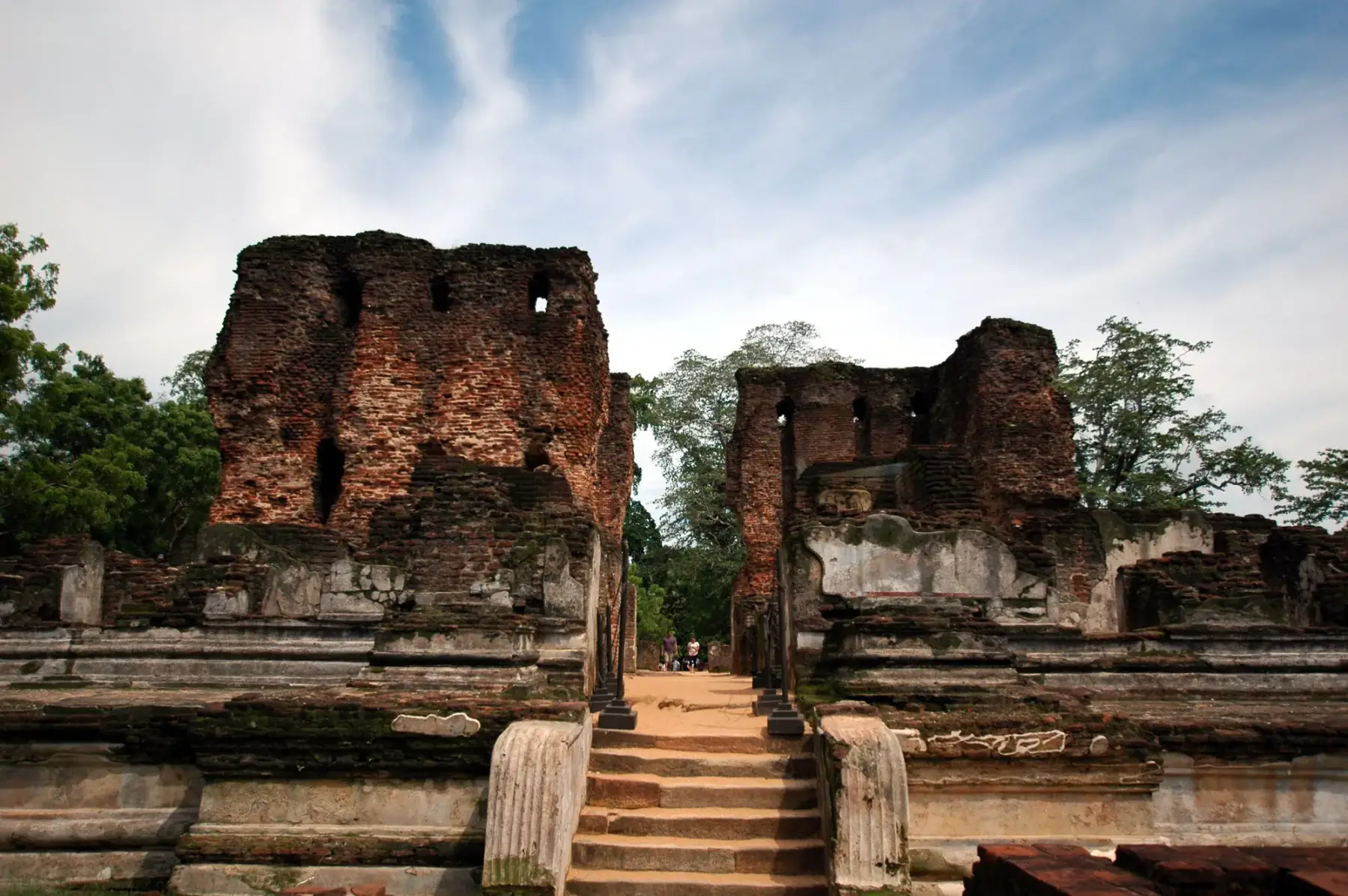
Cultural Triangle and Heritage Focus
A five-day heritage framework connecting Sigiriya, Dambulla, Anuradhapura, Polonnaruwa and Kandy without pretending every site fits one rushed loop.
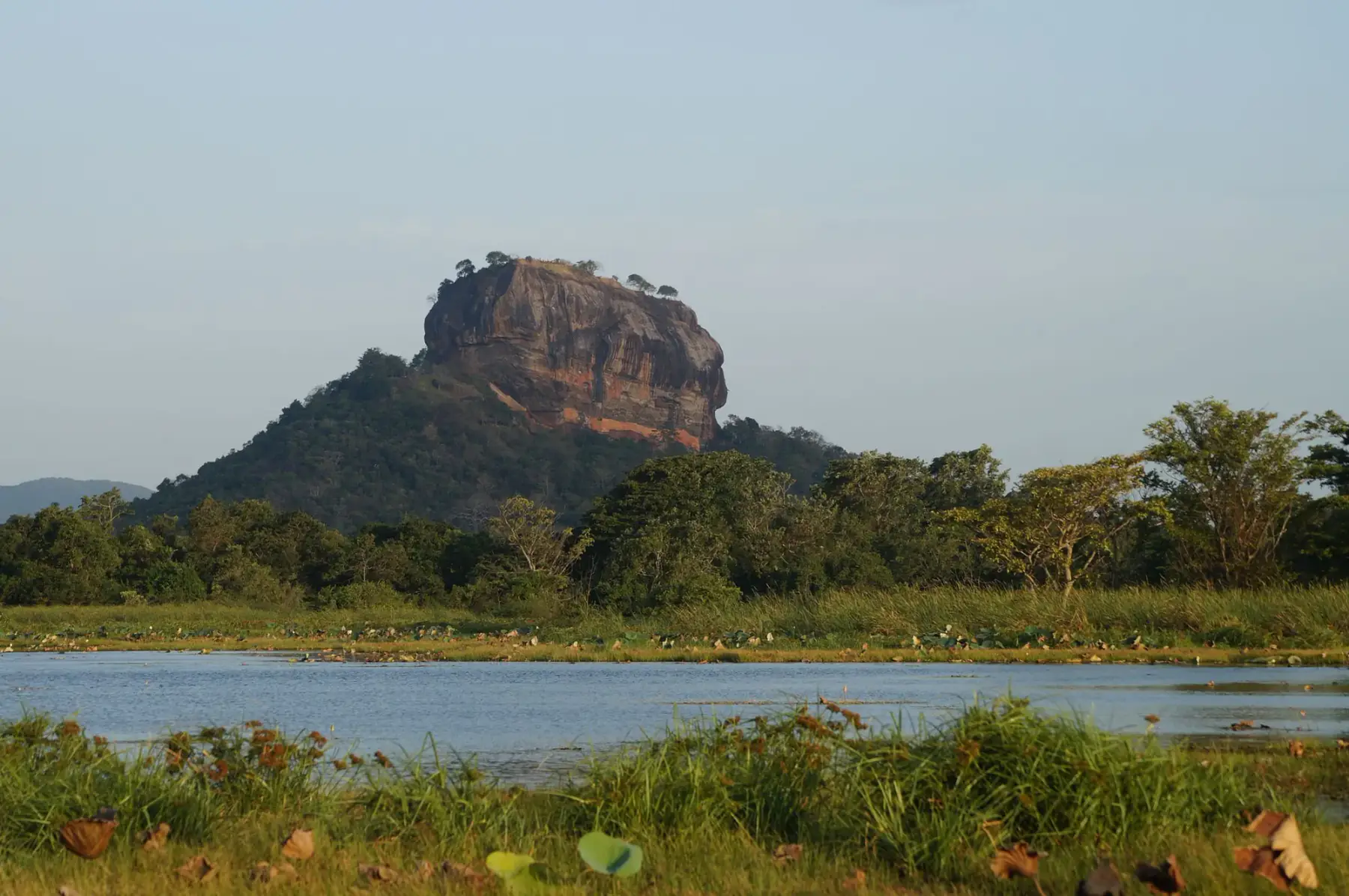
One Week, First Visit
A focused 7-day first route through the Cultural Triangle, with Anuradhapura, Sigiriya and Dambulla instead of a four-region sprint.
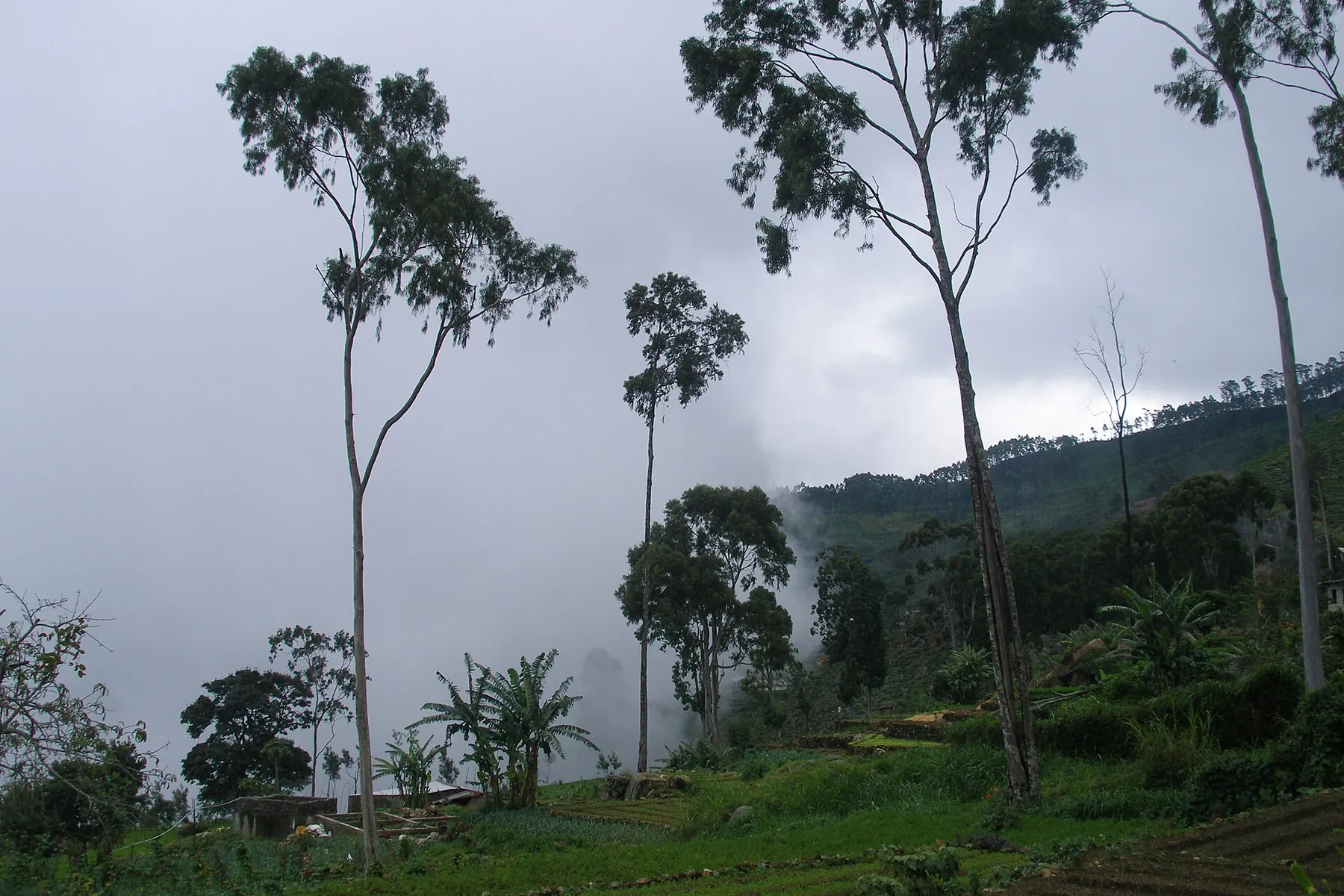
Sri Lanka in 3 Weeks
A 21-day Sri Lanka itinerary: Anuradhapura, Sigiriya and Dambulla, Kandy, the hill country by road and the Nanu Oya to Ella train, Yala, then a slow week on the south coast. Includes an east coast version for May to September. Checked 17 October 2026.
Places in Anuradhapura
Sacred City of Anuradhapura
UNESCO 1982 · Sacred siteA World Heritage sacred city established around a cutting from the Buddha's tree of enlightenment and shaped by centuries as a political and religious capital.
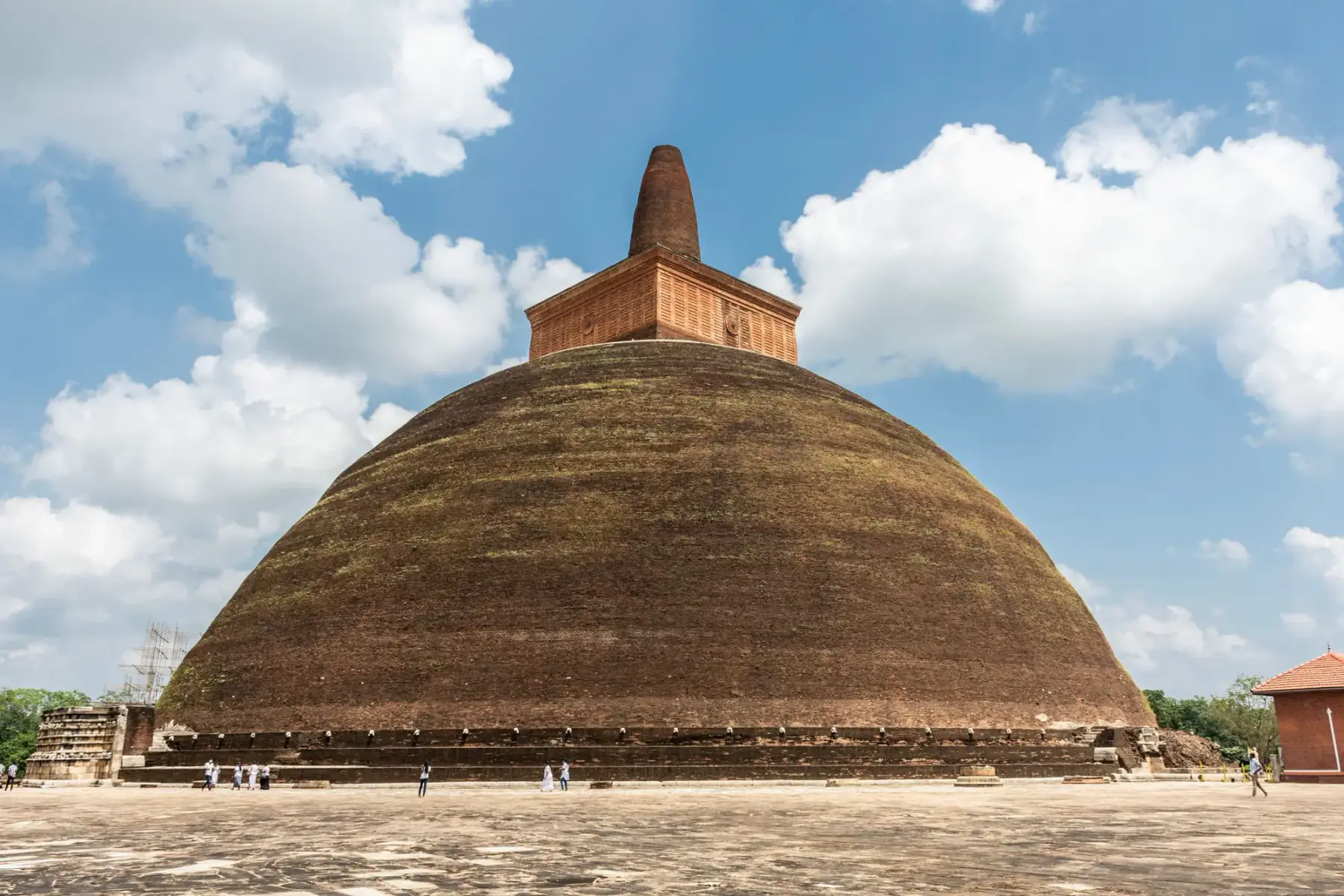
Jaya Sri Maha Bodhi
Sacred siteA living Buddhist pilgrimage place at the centre of Anuradhapura's sacred-city tradition.
Mihintale
Sacred siteAn active Buddhist pilgrimage and archaeological landscape near Anuradhapura, traditionally linked to Buddhism's arrival in Sri Lanka.
Ruwanwelisaya
Sacred siteA major active Buddhist stupa within Anuradhapura's sacred-city landscape.
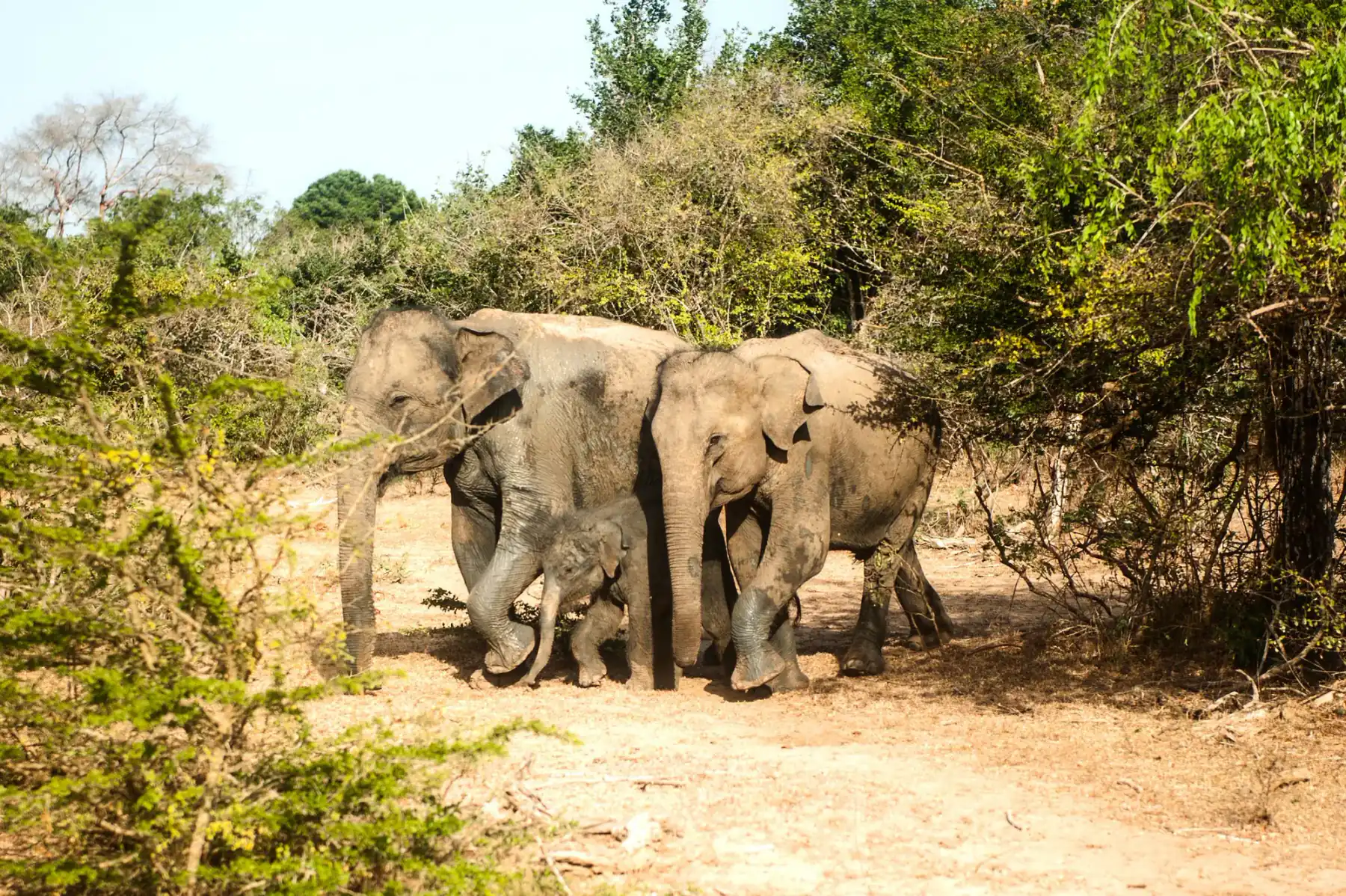
Wilpattu National Park
WildlifeWilpattu is one of Sri Lanka's older and most-visited national parks, with 164,925 visits recorded in official 2025 data.