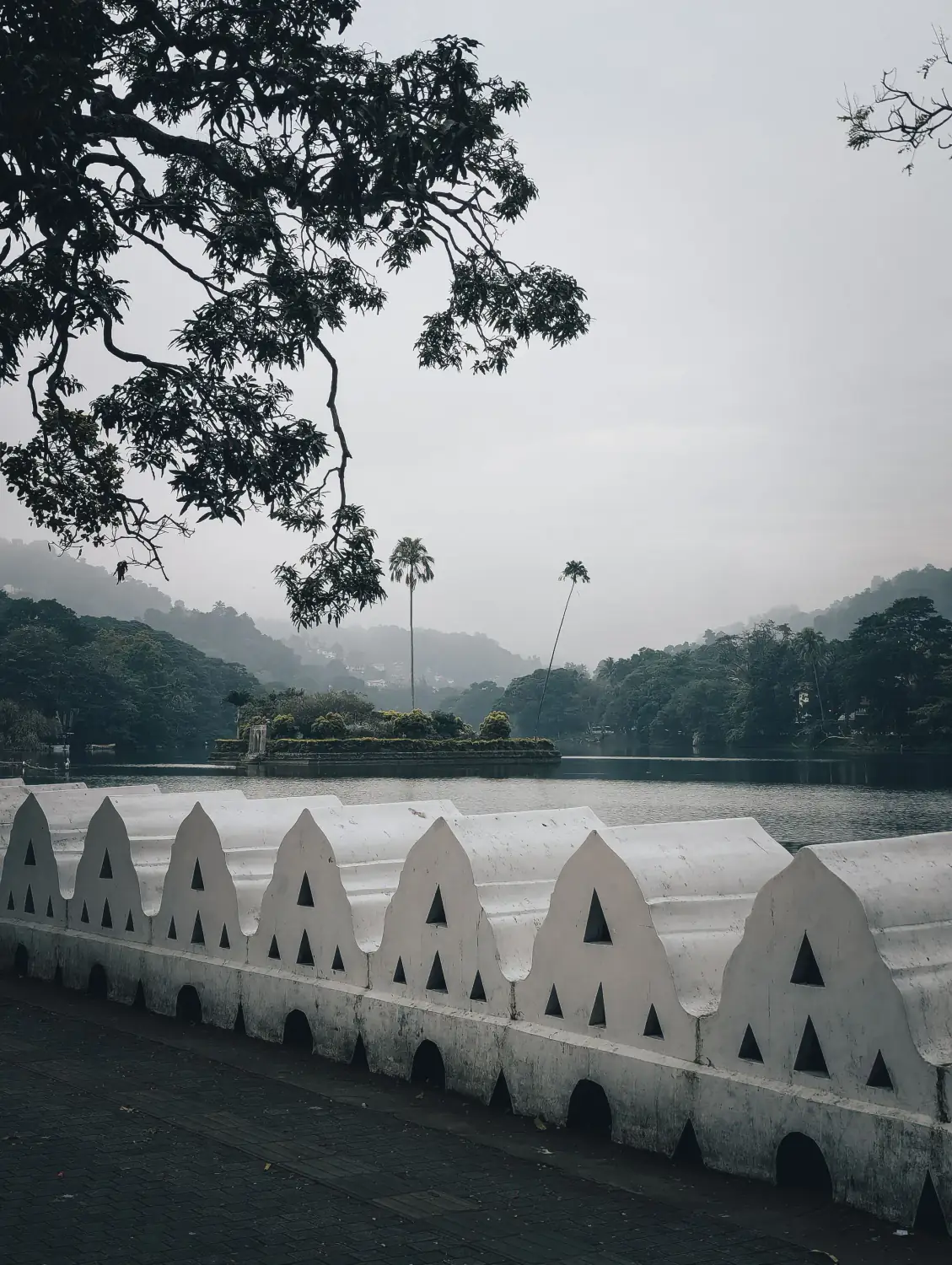
Kandy
A Central Province city whose clearest visitor purpose is the Sacred City of Kandy, the Temple of the Tooth Relic and nearby cultural and natural sites.
Kandy is most useful as a cultural and sacred-city stop. UNESCO identifies it as the last capital of the Sinhala kings and the location of the Temple of the Tooth Relic, while Central Province Tourism also highlights Peradeniya and Udawatta Kele among the district's visitor anchors.
Start with the sacred-city core
The Sacred City of Kandy and the Temple of the Sacred Tooth Relic are the city's defining heritage context. Treat the city page as the place to decide whether Kandy belongs in your route; use the specific place pages for history and visit preparation.
This is an active religious setting, not only a monument. Check current entry arrangements and event notices, wear clothing appropriate to a Buddhist sacred site, and follow instructions at the property. General preparation is covered in visiting sacred sites in Sri Lanka.
Add one wider Kandy-area priority
Central Province Tourism identifies the Royal Botanic Gardens at Peradeniya and Udawatta Kele among the area's attractions. If either matters, verify its current official access details and give it a distinct part of the itinerary. A long attraction list is less useful than a clear choice between sacred heritage, gardens and nature.
Is Kandy worth adding?
Choose Kandy when the UNESCO sacred-city context or its specific surrounding sites matter to you. If the only reason is an assumed rail connection, check current operations first. Sri Lanka Railways' accessible pages did not establish a guaranteed through Kandy-to-Ella service for future dates during the latest review; the Kandy-to-Ella train guide explains what is confirmed and how to verify a journey.
Plan the next leg
Flying in? The Colombo airport to Kandy guide compares the airport taxi, the buses via Colombo and the train via Peradeniya, with official prices. For a hill-country route, compare the roles of Ella and Nuwara Eliya before choosing the next base. Confirm live rail or road arrangements for the exact date rather than using a fixed duration or timetable from an undated article.
Decide what Kandy is for
Kandy can serve as a sacred-city visit, an urban hill-country base or a transport connection toward the central highlands. Those purposes need different schedules. A traveller focused on the Temple of the Tooth should organise the day around worship and current visitor arrangements; a traveller using Kandy mainly for rail should protect the departure plan from an overloaded morning.
Distinguish city, World Heritage property and temple
The Sacred City of Kandy is the UNESCO property and broader urban context. The Temple of the Sacred Tooth Relic is an active Buddhist institution within that context. This destination page addresses whether to use Kandy as a base. Keeping the three purposes separate prevents the temple from being treated as a museum attraction and the whole city from being reduced to one building.
Plan around living worship
Verify current opening, ceremony, clothing, footwear, security and photography guidance through the temple's official channels. Allow extra time when worship or public observance changes the flow. The sacred-site guide offers a shared baseline, but instructions at the site take precedence.
Choose the next hill-country base
Kandy, Nuwara Eliya and Ella are not interchangeable stops on one scenic line. Decide whether the next priority is tea-country context, Horton Plains access, walking around Ella or the rail experience itself. The Ella versus Nuwara Eliya guide and Kandy-to-Ella rail guide make those trade-offs explicit.
Keep fixed transport separate from sightseeing
Check the exact station, train and date through Sri Lanka Railways. Do not place a time-sensitive departure after a temple or city visit whose current queue and access cannot be guaranteed.
Sources
Last verified 2026-08-28
Plan your Kandy trip
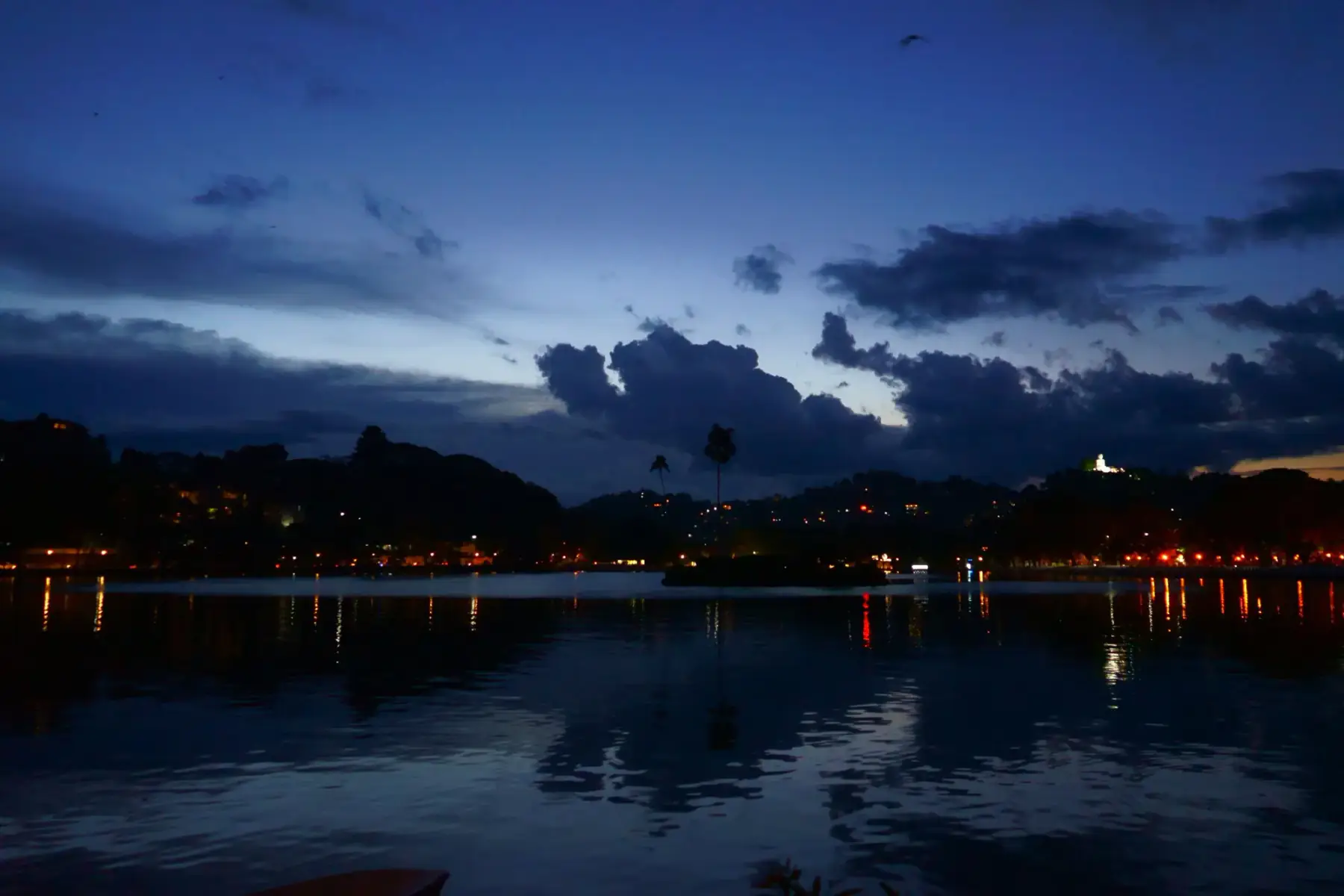
Colombo Airport to Kandy
From Bandaranaike International Airport to Kandy by the airport's official taxi, by bus via Colombo, or by bus and train via Peradeniya. Official bus fares checked 12 October 2026.
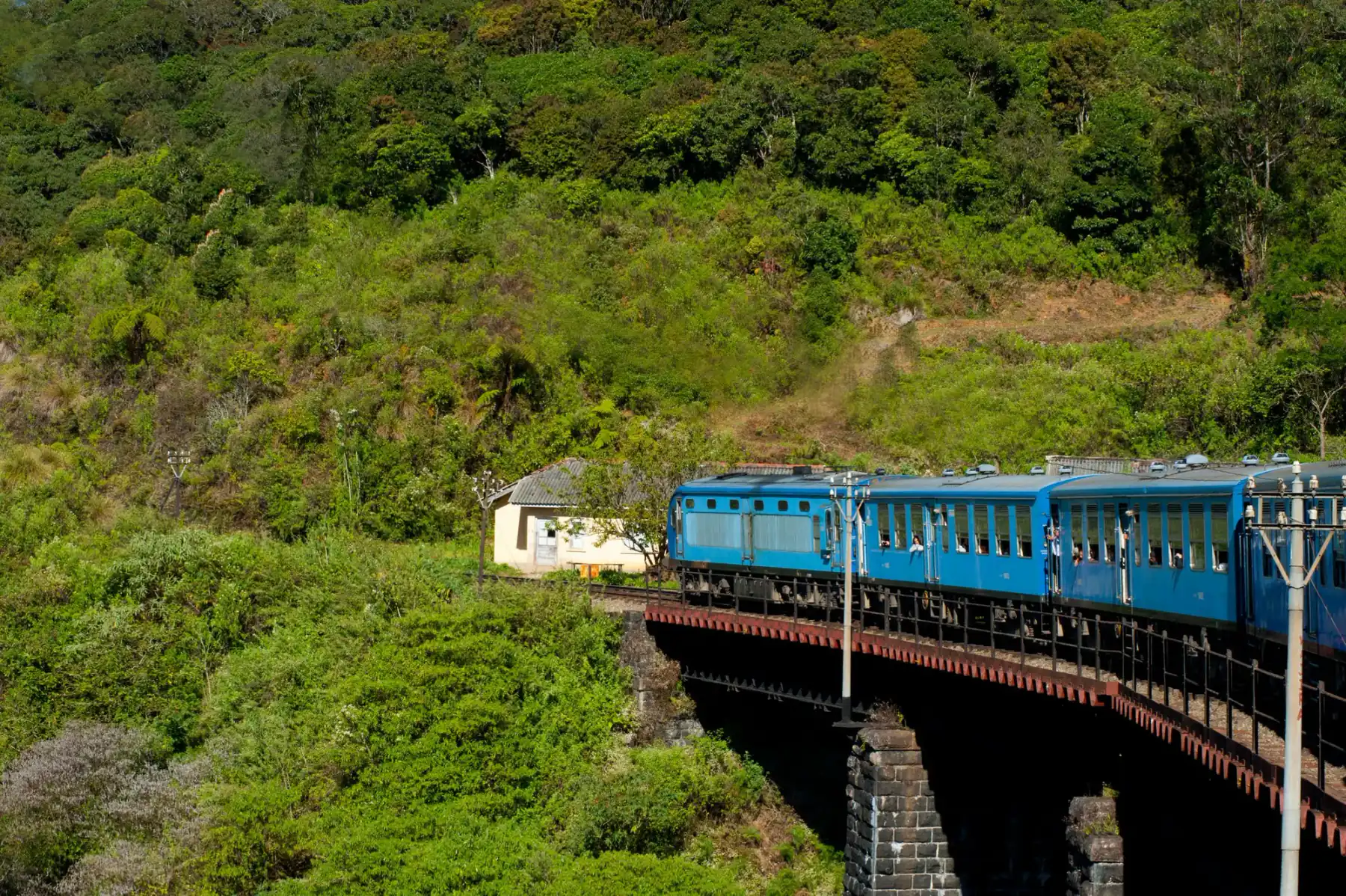
Getting Around Sri Lanka
Plan Sri Lanka transport by checking rail notices, official bus timetables and fares, and a route-specific fallback before each long transfer.
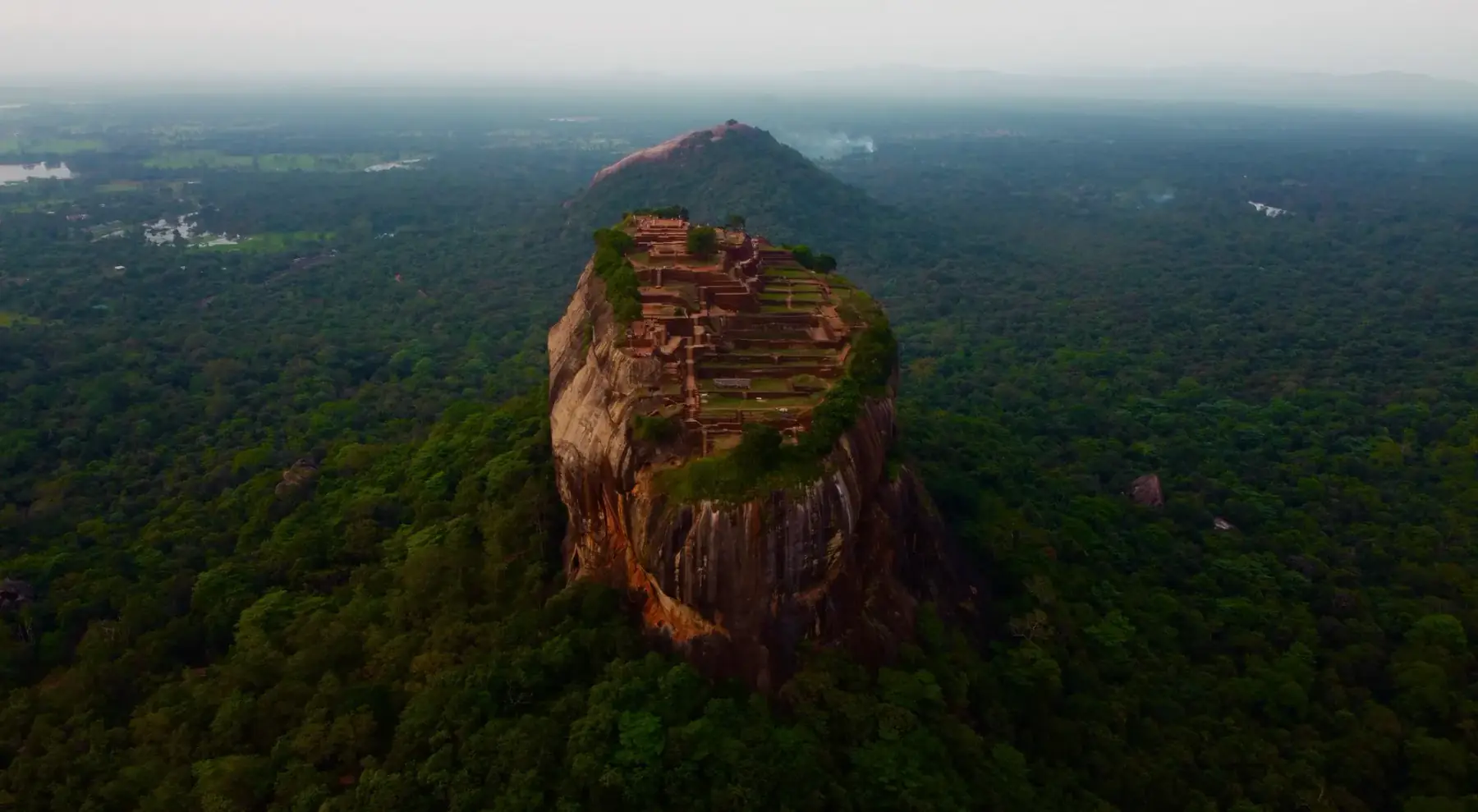
How Many Days Do You Need in Sri Lanka?
There is no universal minimum: choose trip length from the number of regions, transfer days and non-negotiable experiences you can verify.
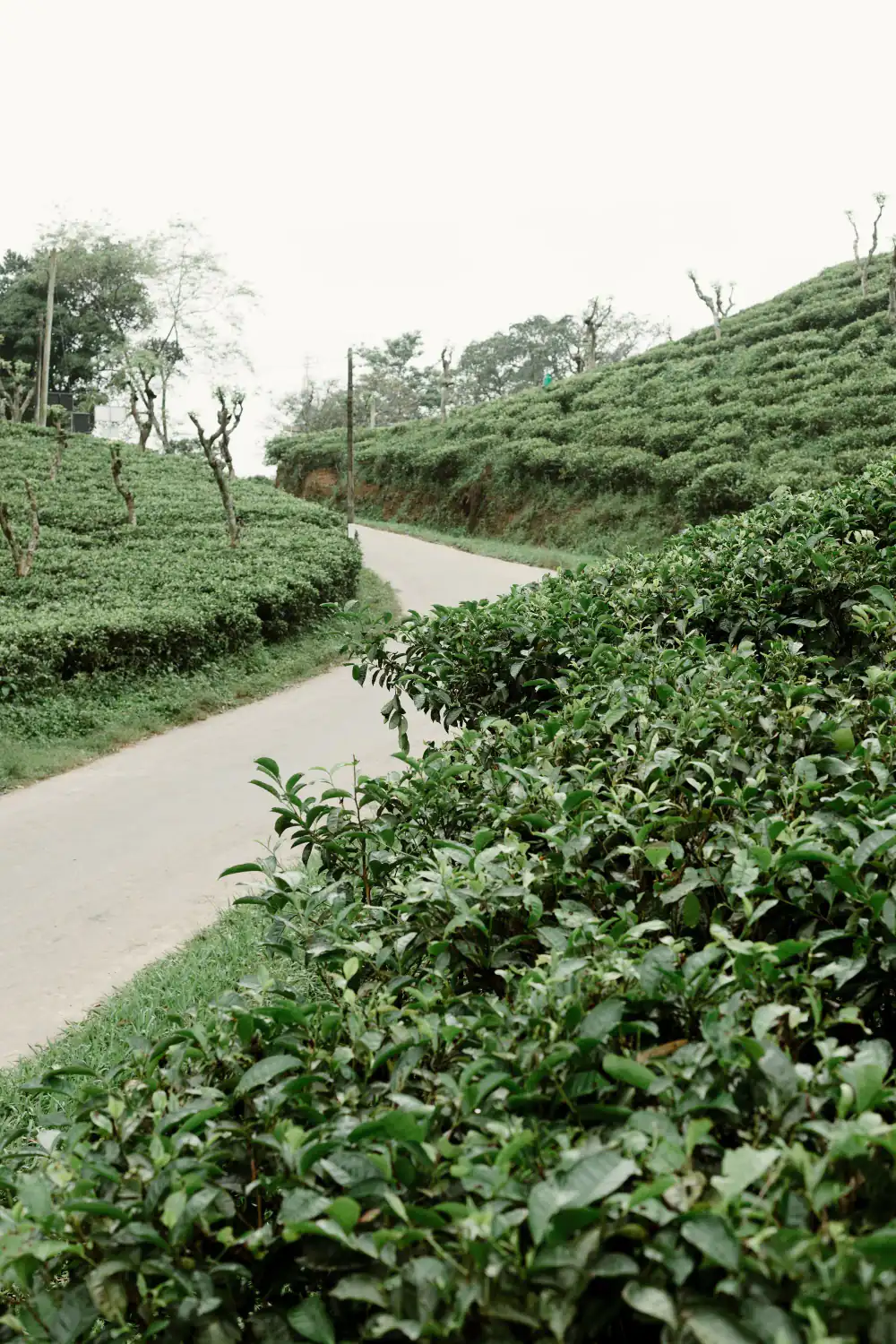
Kandy to Ella by Road
With no Kandy to Ella train running (checked 12 October 2026), go by road: a hired car or taxi, a bus, or road to Nanu Oya then the open Nanu Oya–Ella train. Official bus fare checked.
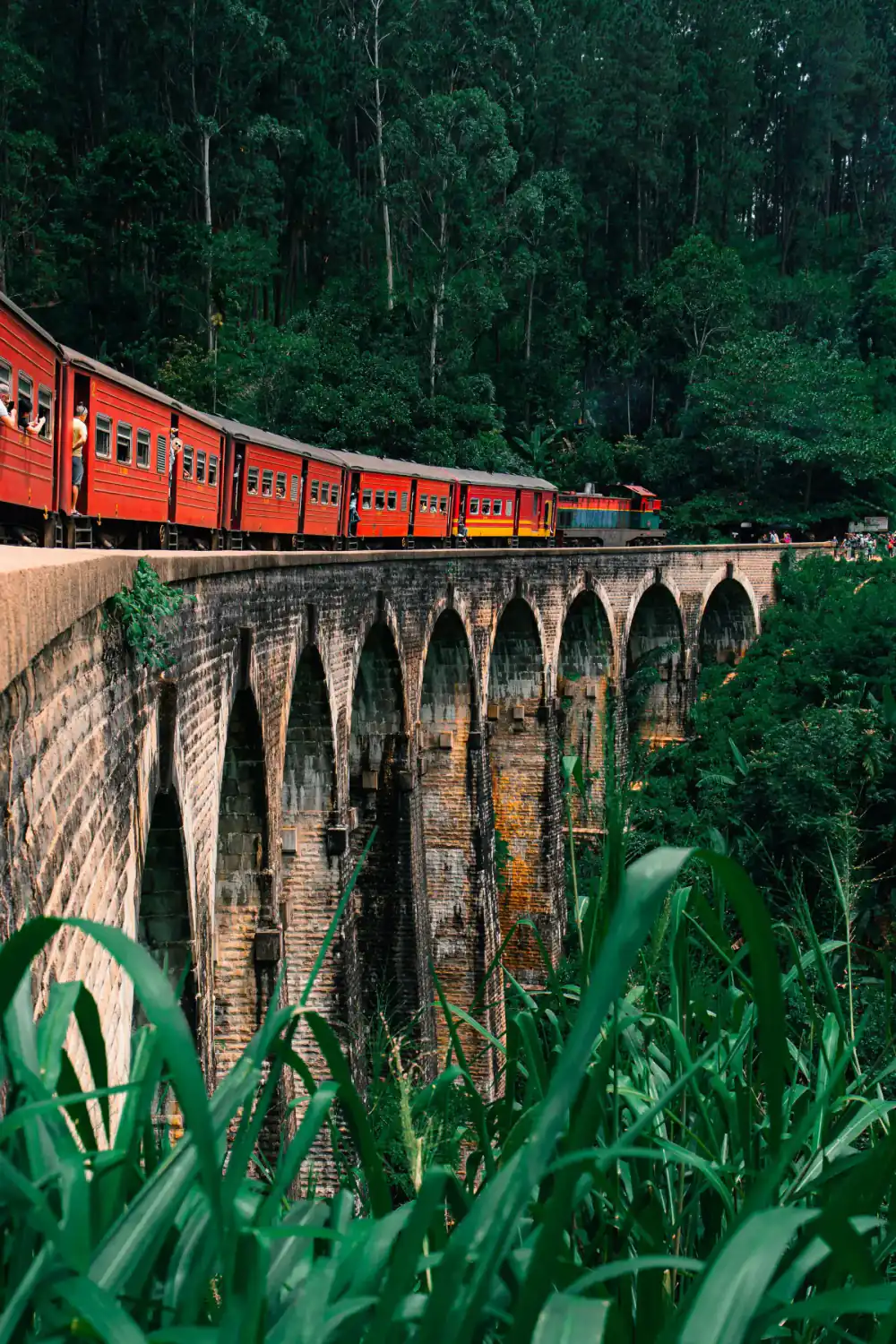
The Kandy to Ella Train
News reports show no through train from Kandy to Ella as of 17 October 2026; Nanu Oya to Ella runs.
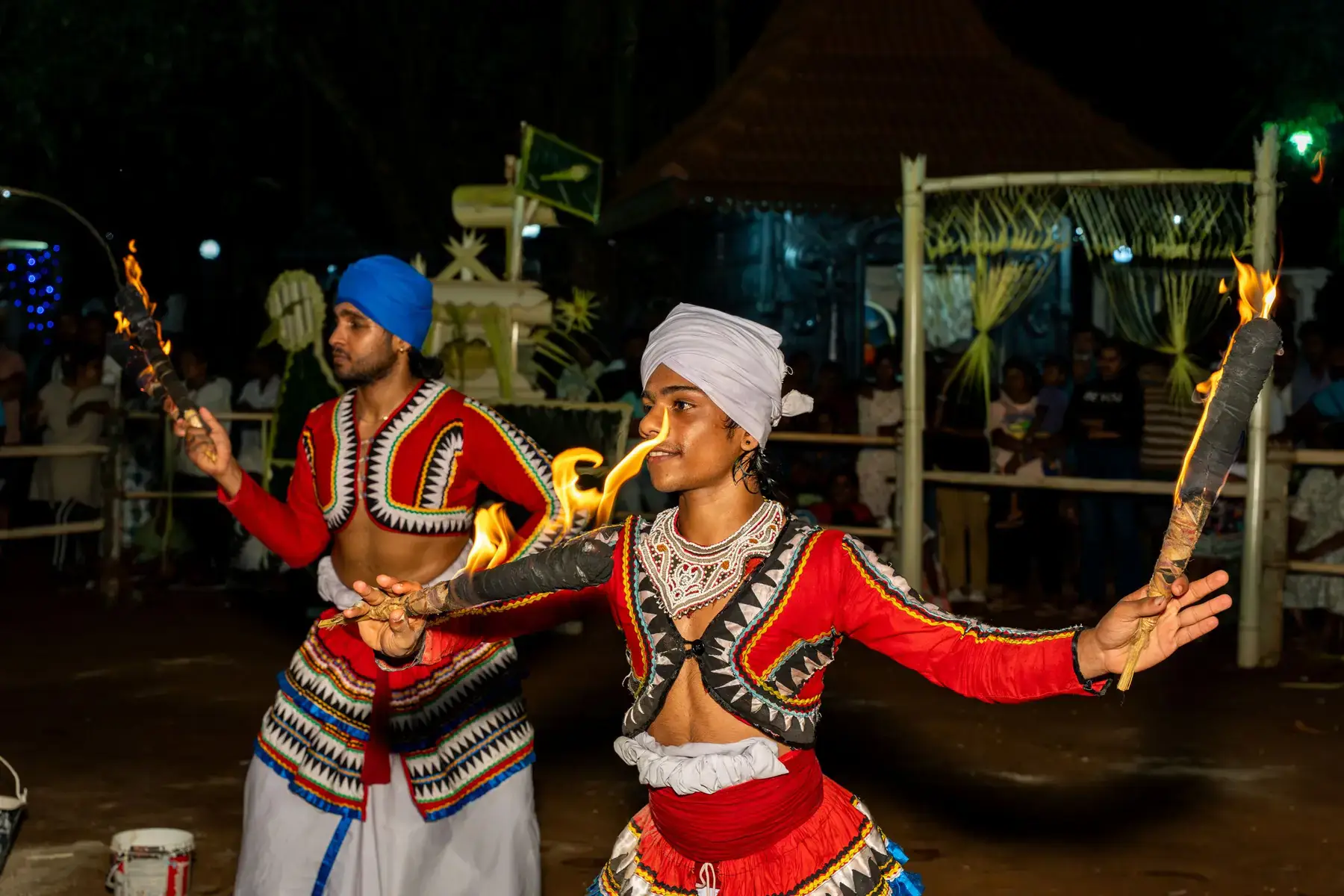
Sri Lanka Festival Calendar
A date-checking framework for Sri Lanka's religious and cultural festivals, whose exact dates and visitor arrangements change by year.
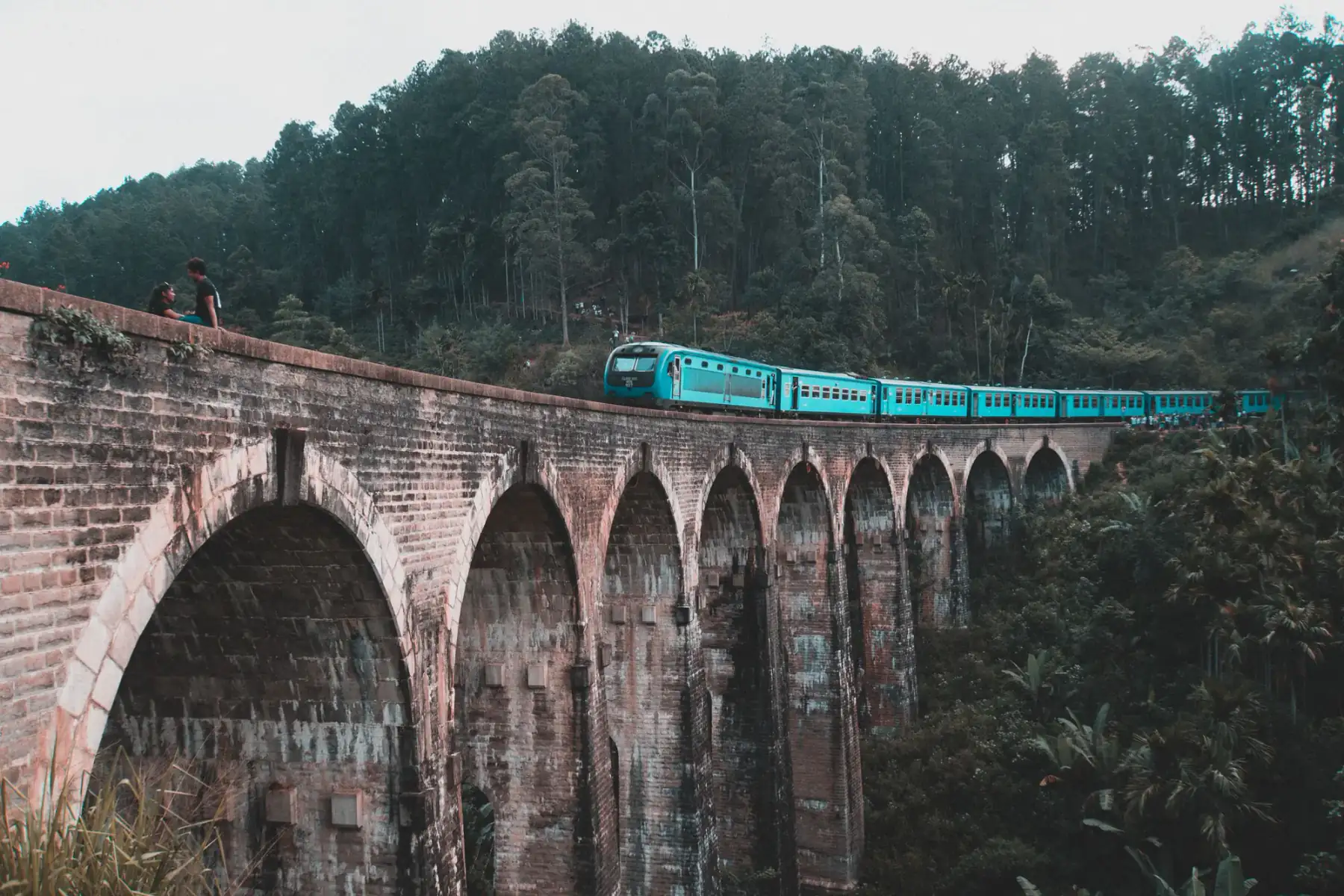
Classic Sri Lanka: South, Hills and Cultural Triangle
A day-by-day 10-day Sri Lanka itinerary: Sigiriya, Dambulla, Kandy, the Nanu Oya to Ella train, Galle and Mirissa, with dated ticket and fare costs checked 17 October 2026.
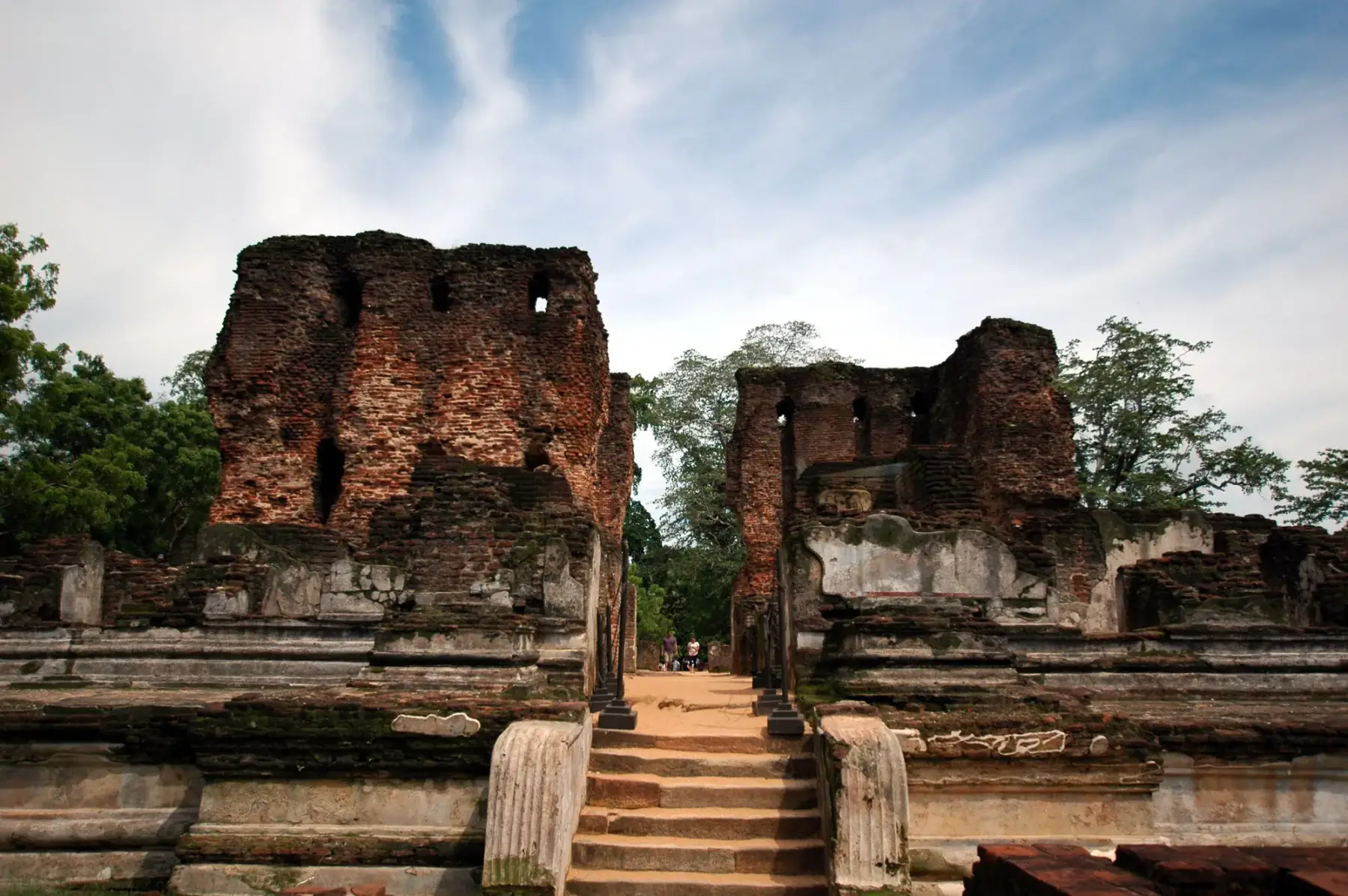
Cultural Triangle and Heritage Focus
A five-day heritage framework connecting Sigiriya, Dambulla, Anuradhapura, Polonnaruwa and Kandy without pretending every site fits one rushed loop.
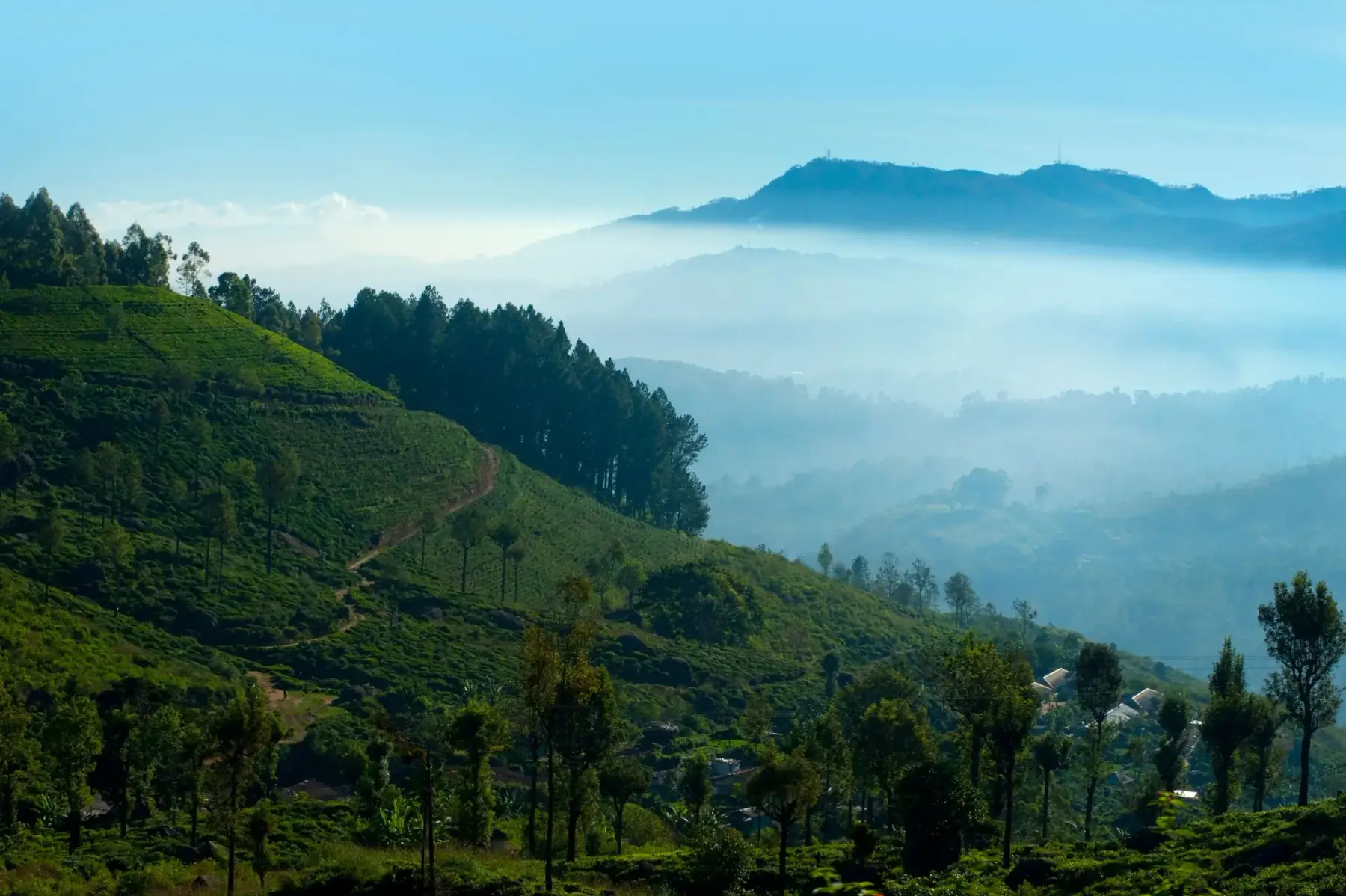
Hill Country and Tea Country
A 5-day hill-country framework through Kandy, Hatton, Nuwara Eliya and Ella, with every rail segment subject to current service confirmation.
Sri Lanka in 3 Weeks
A 21-day Sri Lanka itinerary: Anuradhapura, Sigiriya and Dambulla, Kandy, the hill country by road and the Nanu Oya to Ella train, Yala, then a slow week on the south coast. Includes an east coast version for May to September. Checked 17 October 2026.
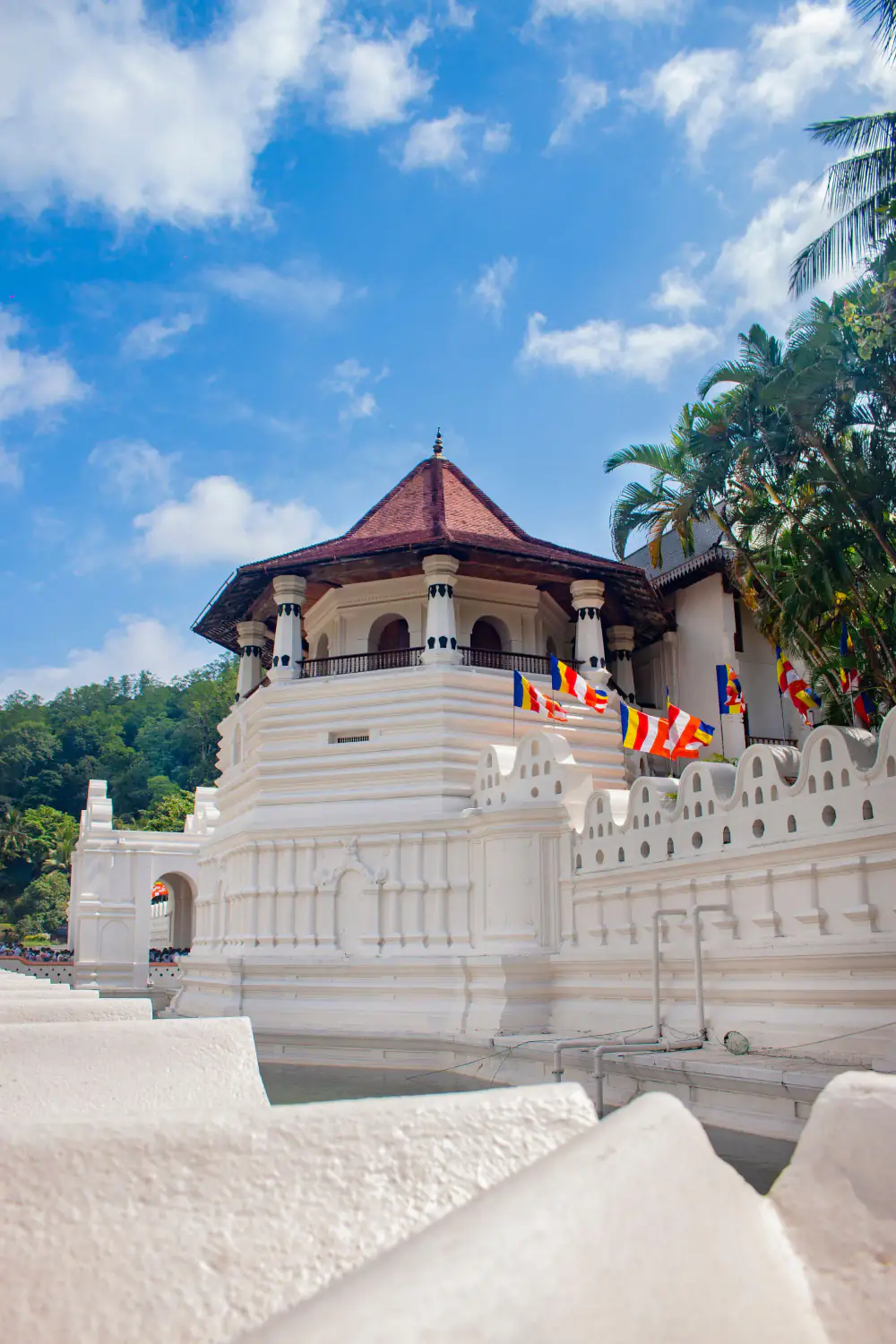
Five Days in Sri Lanka from India
A 5-day Sri Lanka route for Indian travellers: fly into Colombo, two nights in Kandy, two in Nuwara Eliya with the Ramboda Hanuman and Sita Amman temples, then fly home. Free ETA for Indians, rupee rules and the ferry alternative checked 11 October 2026.
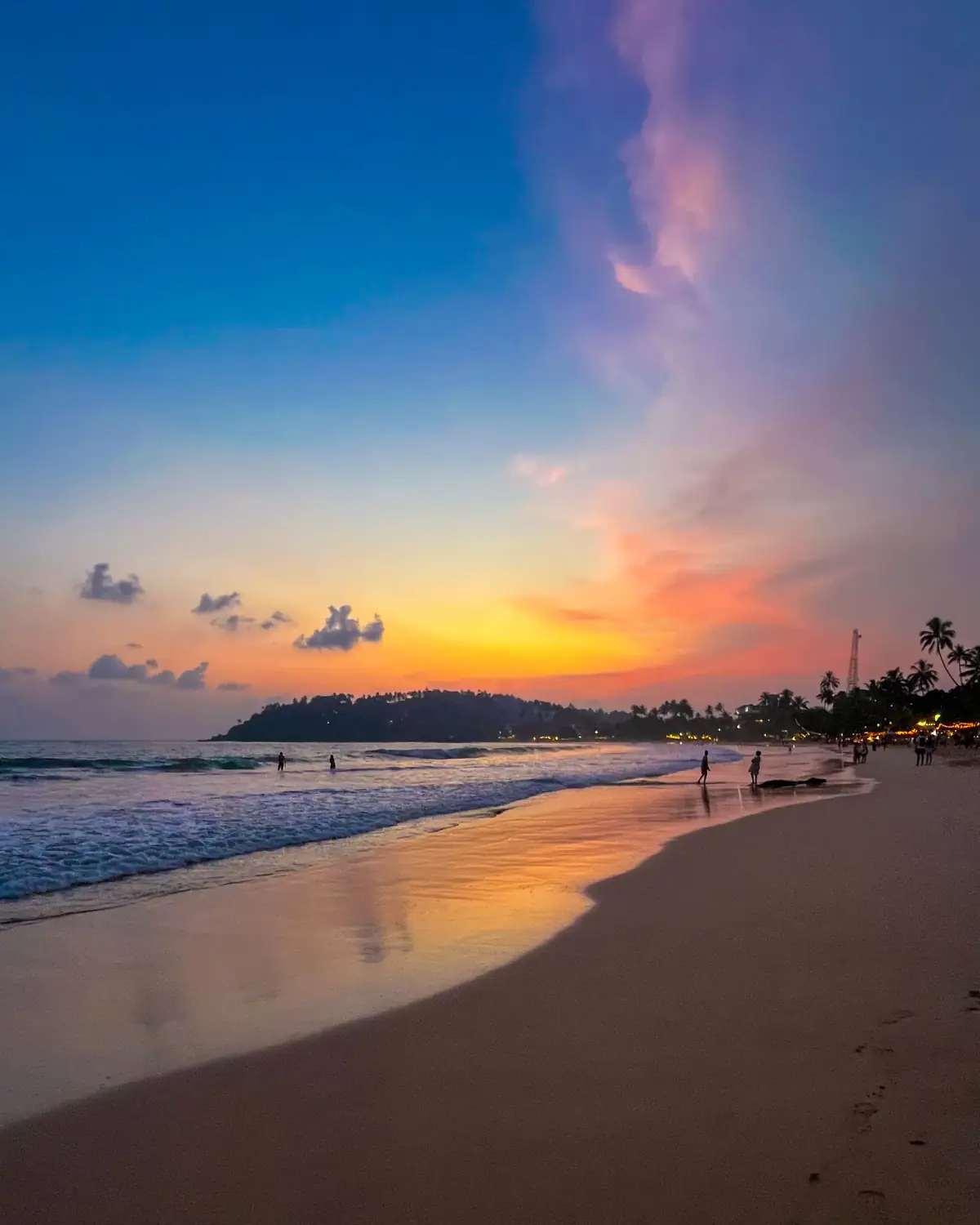
Sri Lanka and Maldives: 10 Days or 2 Weeks
A Sri Lanka and Maldives route for UK travellers and honeymooners: about six days in Sri Lanka and four in the Maldives on a 10-day trip, or nine and five over two weeks, with the island time at the end. Entry rules checked 11 October 2026.
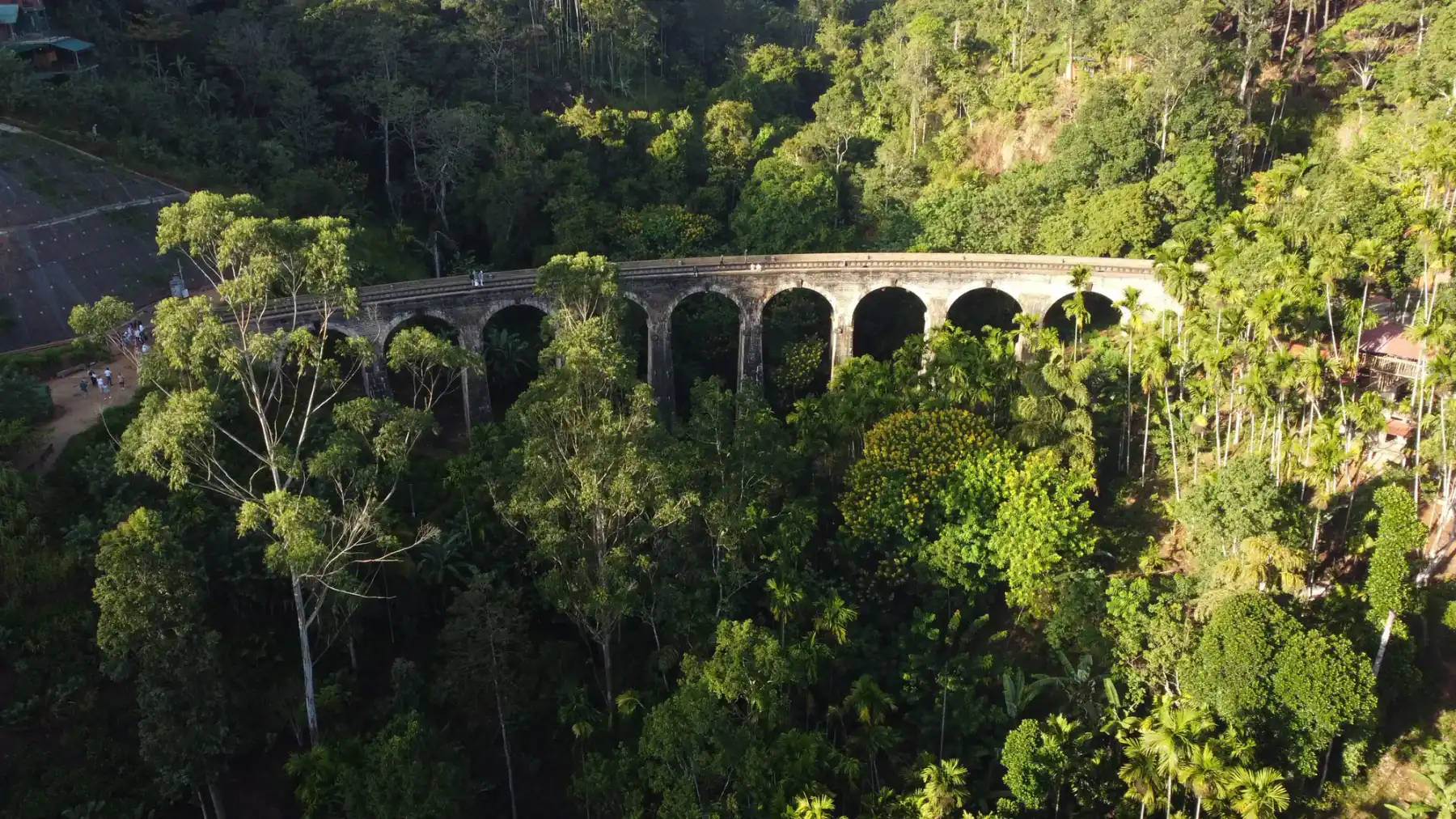
Two Weeks, Standard Pace
A day-by-day 2-week Sri Lanka itinerary: Sigiriya, Dambulla, Polonnaruwa, Kandy, Ella by the Nanu Oya train, a Yala safari, Galle and Mirissa, with dated ticket and fare costs checked 17 October 2026.
Places in Kandy
Sacred City of Kandy
UNESCO 1988 · Sacred siteThe UNESCO-listed sacred city of Sri Lanka's last Sinhala royal capital, centred on the Temple of the Sacred Tooth Relic.
Temple of the Sacred Tooth Relic
Sacred siteAn active Buddhist place of worship in Kandy that enshrines the Sacred Tooth Relic and anchors the UNESCO-listed sacred city.