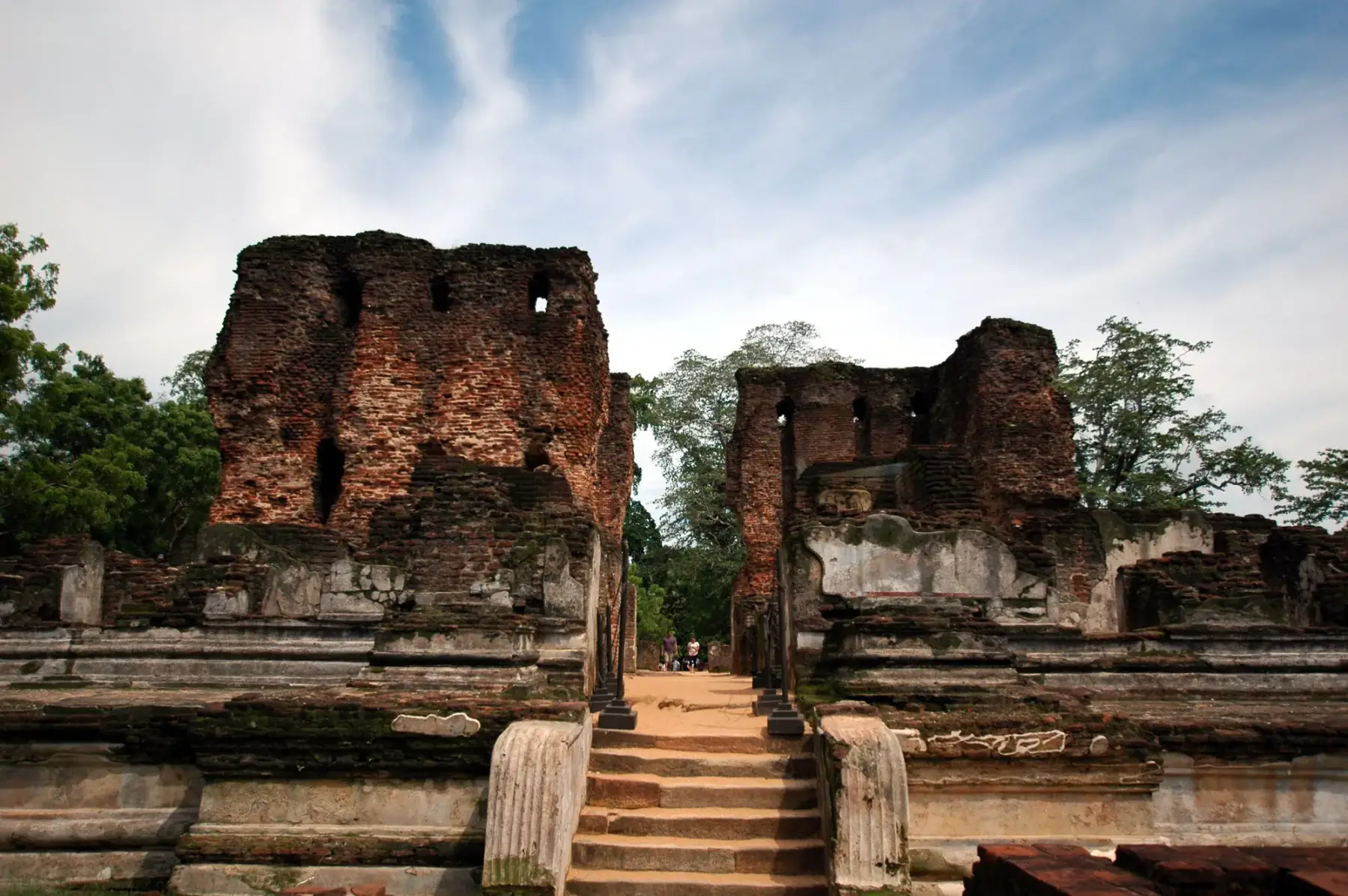
Polonnaruwa
A modern town beside the UNESCO-listed Ancient City of Polonnaruwa, suited to a focused archaeological stop.
Polonnaruwa pairs a present-day town with an extensive archaeological property. UNESCO identifies it as Sri Lanka's second capital after the destruction of Anuradhapura in 993, with monumental remains associated with the Chola period and the 12th-century garden-city works of Parakramabahu I.
Things to see in Polonnaruwa
The official tourism material highlights Gal Vihara, religious buildings, palace remains and Parakrama Samudra. These are not interchangeable quick photo stops: decide which parts of the ancient city matter, check the current ticket and access arrangements, and leave enough time to move between them.
Fit Polonnaruwa into the route
Polonnaruwa works as a dedicated heritage stop on a Cultural Triangle route. Combine it with Sigiriya or Dambulla only when the resulting travel and site time remain realistic. A nearby national-park visit is a separate activity with separate access and wildlife uncertainty; use the national-parks comparison rather than treating it as part of the archaeological ticket.
The archaeological area contains active religious spaces. Follow posted rules, dress appropriately where required and check before photographing people or worship.
Where to stay in Polonnaruwa
The modern town is the practical base beside the large World Heritage archaeological property. This page addresses the stay and route decision; the Ancient City of Polonnaruwa guide explains the protected site. Keeping them distinct prevents modern accommodation questions from being mixed with the medieval capital's history.
Set priorities inside the archaeological property
The ancient city contains different monument groups and religious buildings. Decide which themes or named places matter before arrival, then confirm current ticketing and access. A long list copied from a map does not create an intelligible visit and can leave too little time at the most significant places.
Dress code and conduct at the ancient city
Some monuments and shrines sit within a wider Buddhist cultural landscape. Follow current clothing, footwear and photography guidance, and make space for worshippers. Heritage status does not make every part of the property an unrestricted display.
Polonnaruwa day trip or overnight stay?
Stay near Polonnaruwa when the ancient city is a principal interest or when the next route benefits from the location. A day trip from Sigiriya or Dambulla may fit a shorter itinerary, but it adds a return road leg and can compress the archaeological visit. Compare the whole day, not only the distance on a map. If the alternative is Anuradhapura, see Anuradhapura or Polonnaruwa?.
Link the next decision
The Cultural Triangle guide distinguishes Polonnaruwa from Anuradhapura, Sigiriya and Dambulla. If a national park is being added, use the parks comparison and verify the relevant entrance and permit separately.
Sources
Last verified 2026-08-28
Plan your Polonnaruwa trip
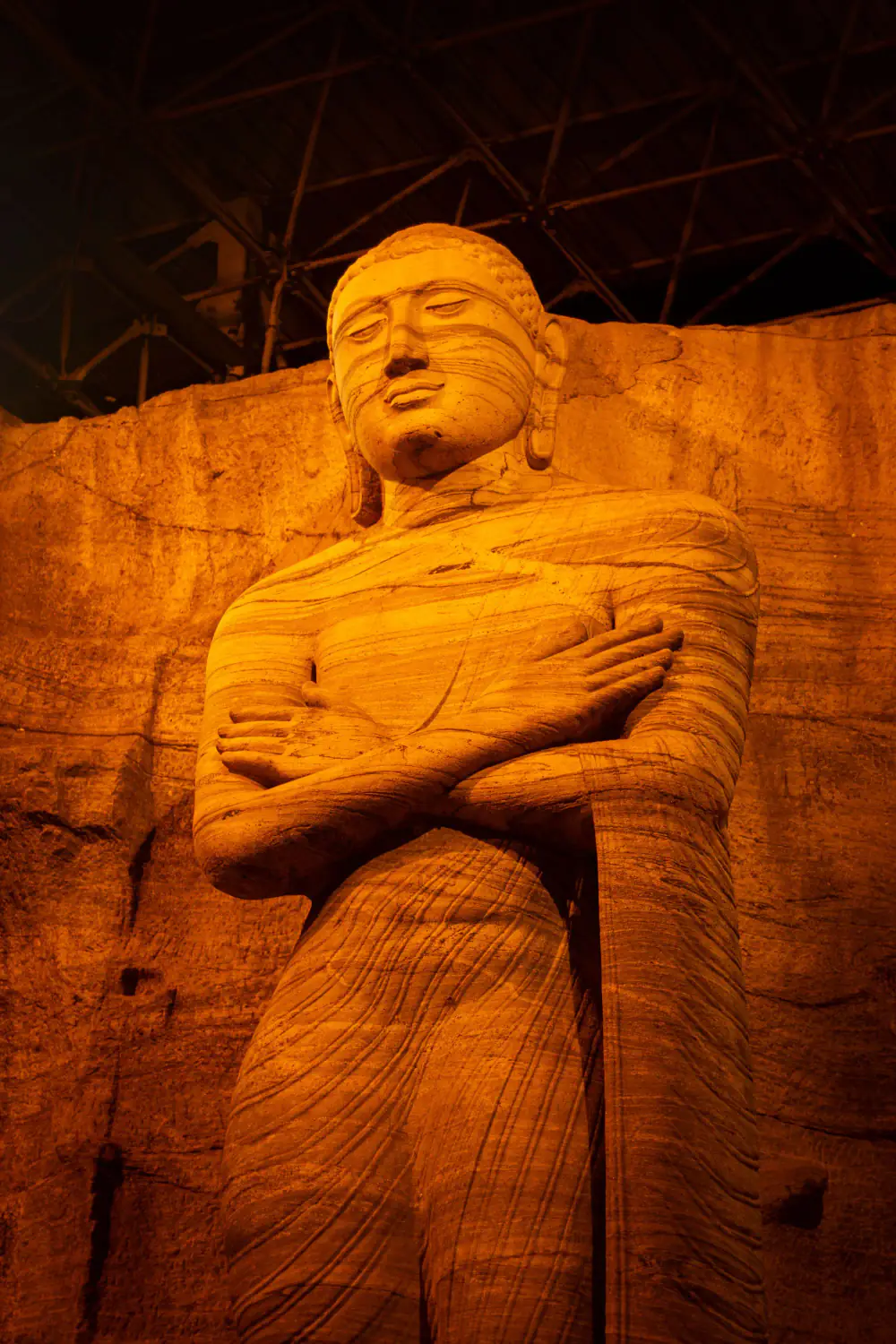
Anuradhapura or Polonnaruwa?
Choose Anuradhapura for a living sacred city and Sri Lanka's first capital; choose Polonnaruwa for medieval sculpture and a shorter hop from Sigiriya or Dambulla. Tickets and routes checked 9 October 2026.
Cultural Triangle and Heritage Focus
A five-day heritage framework connecting Sigiriya, Dambulla, Anuradhapura, Polonnaruwa and Kandy without pretending every site fits one rushed loop.
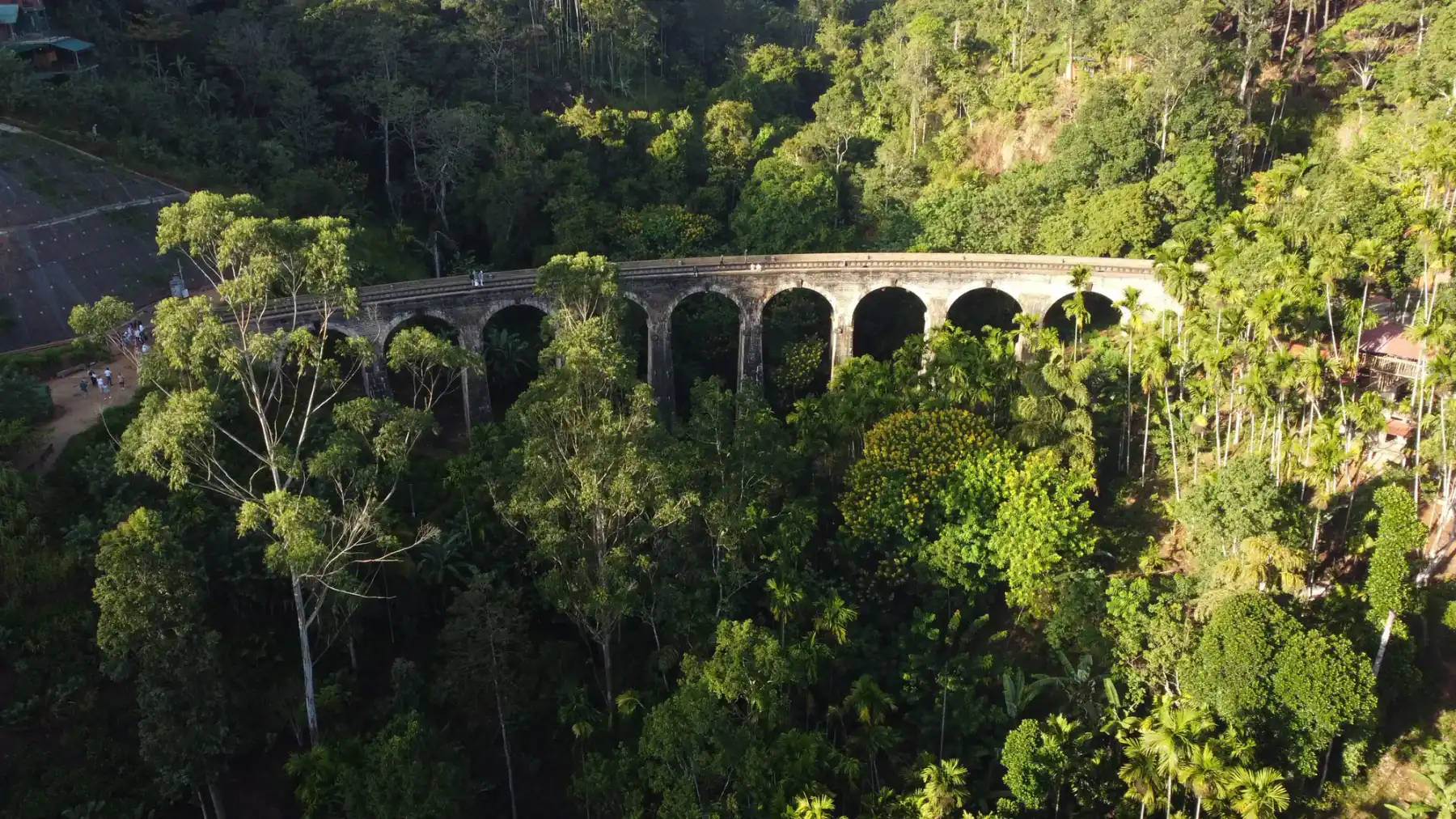
Two Weeks, Standard Pace
A day-by-day 2-week Sri Lanka itinerary: Sigiriya, Dambulla, Polonnaruwa, Kandy, Ella by the Nanu Oya train, a Yala safari, Galle and Mirissa, with dated ticket and fare costs checked 17 October 2026.
Places in Polonnaruwa
Ancient City of Polonnaruwa
UNESCO 1982 · HeritageSri Lanka's second capital after Anuradhapura, with Chola-period Brahmanic monuments and the 12th-century city associated with Parakramabahu I.