Trincomalee
An east-coast harbour city combining beaches, protected marine access and active sacred or heritage places.
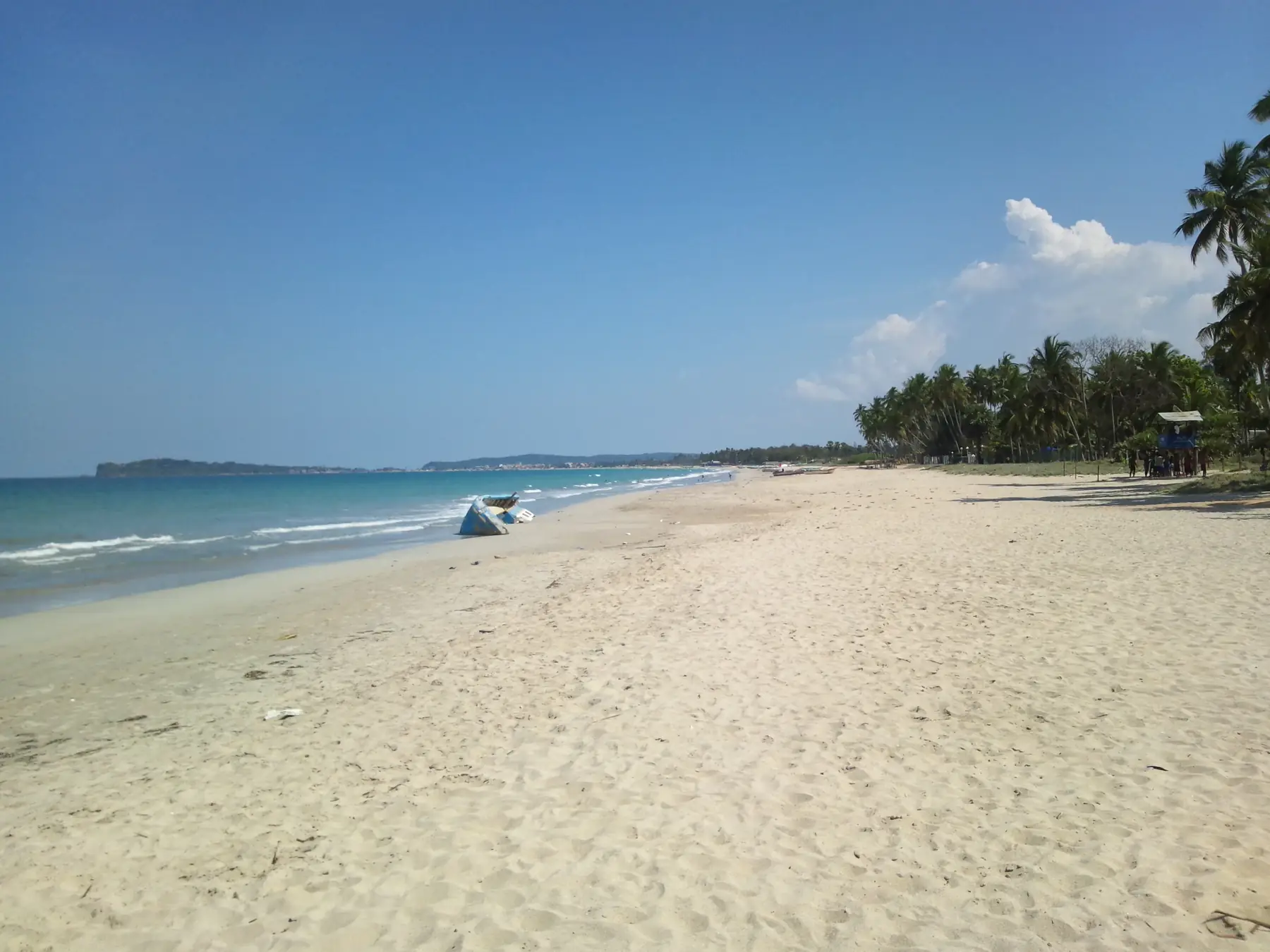
Trincomalee is an east-coast harbour city with three distinct visitor layers: urban and heritage sites, beaches north of the centre, and protected marine activity. A useful trip chooses among them rather than treating the district as one attraction.
City and sacred-site layer
The Central Cultural Fund includes Trincomalee heritage responsibilities, while Koneswaram Temple is an active Hindu site. Check current access, dress and photography expectations rather than treating a sacred place as an unrestricted viewpoint.
Beach and marine layer
Sri Lanka Tourism identifies Uppuveli, Nilaveli and Pigeon Island among the area's coastal draws. Pigeon Island National Park is protected by the Department of Wildlife Conservation, so permits, authorised transport and access status require current checks. Weather and underwater visibility cannot be guaranteed from a seasonal label.
Use the diving and snorkelling guide for operator questions and the east-coast region guide to compare Trincomalee with Batticaloa or surf-focused Arugam Bay. Check current marine information before any water activity. Whale-watching trips also leave from the Trincomalee area. The whale-watching guide covers the months and how to choose a licensed operator.
Choose Trincomalee by activity and location
Trincomalee can support a harbour-city visit, active Hindu sacred-site context, beach time, diving or access planning for Pigeon Island. Those purposes may involve different parts of the area. Check the exact accommodation and departure point before treating the city as one compact beach base.
Separate the sacred-site visit
Koneswaram Temple is an active Hindu institution. Confirm current entry, clothing, footwear, ceremony and photography guidance through the responsible institution or on-site authority. The temple's location and significance do not turn worship into a sightseeing performance.
Treat Pigeon Island as a protected-area activity
Pigeon Island National Park requires current permit, operator, access and marine-condition checks. A listing on an itinerary does not prove a boat will operate or that water conditions suit the participant. The diving and snorkelling guide provides questions for operators and ability matching.
Plan beaches individually
Different named beaches and departure areas around Trincomalee can have different access and water conditions. Use current local warnings and Department of Meteorology marine information rather than a permanent “best season” claim.
For timing, the east coast dries out from March: see Sri Lanka in March and Sri Lanka in April. The 3-week itinerary includes an east coast version for May to September, and Kalpitiya is the north-west alternative for dolphins and kitesurfing.
Protect the east-coast route from excess movement
Trincomalee, Batticaloa and Arugam Bay are not three versions of the same stop. Use the East Coast guide to choose among harbour and marine interests, lagoon-city context and surf. If combining them, verify every road or rail leg and allow a real transfer day where necessary.
Sources
Last verified 2026-08-28
Plan your Trincomalee trip
Best Time to Visit Sri Lanka, Month by Month
Choose when to visit Sri Lanka by matching your route to four broad rainfall seasons, then confirm the forecast for your actual destinations.
Sri Lanka East Coast or South Coast?
Choose between Sri Lanka's east and south coasts by comparing travel dates, route fit and the exact activities that depend on current sea conditions.
Sri Lanka in April
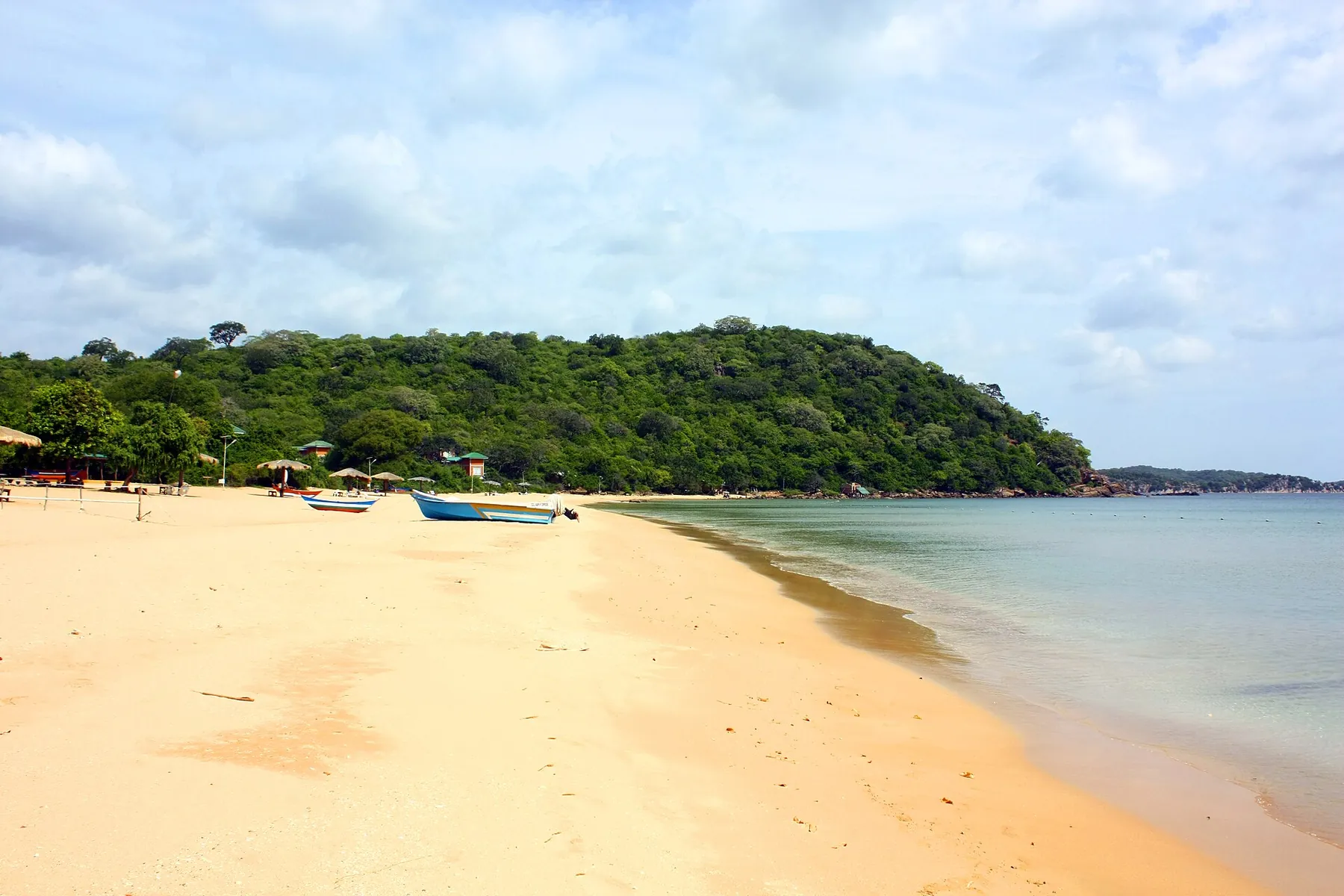
April is when Sri Lanka's seasons flip: rain returns to the west and south while the east coast and the north turn dry. Weather for 12 towns in C and F, Sinhala and Tamil New Year 2027, whales and crowds, checked 17 October 2026.
Sri Lanka in March
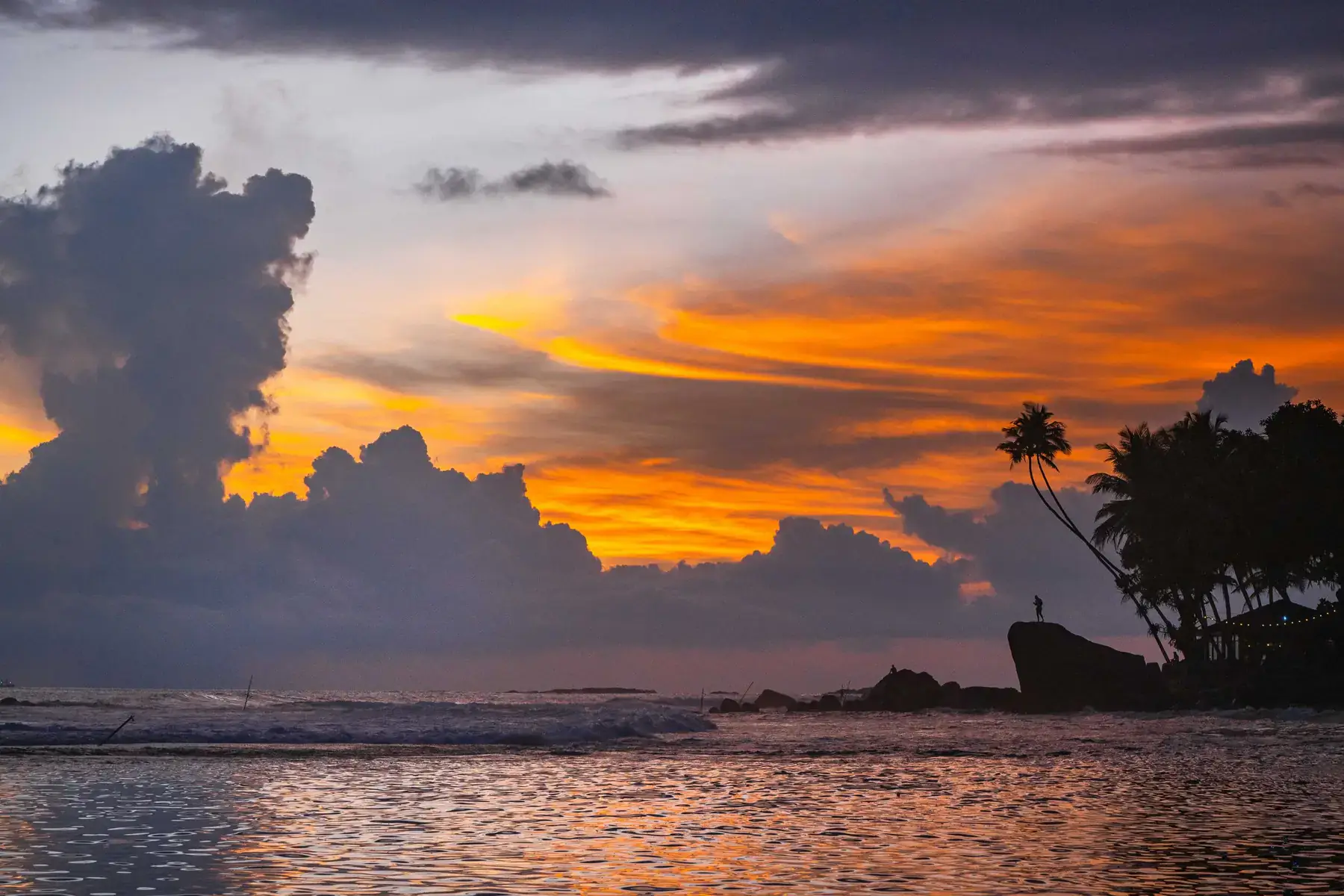
March is the month both coasts work: the south is still dry and the east is drying out. Weather for 12 towns in C and F, the March 2027 holidays, whales on two coasts and quieter crowds, checked 17 October 2026.
Sri Lanka in November
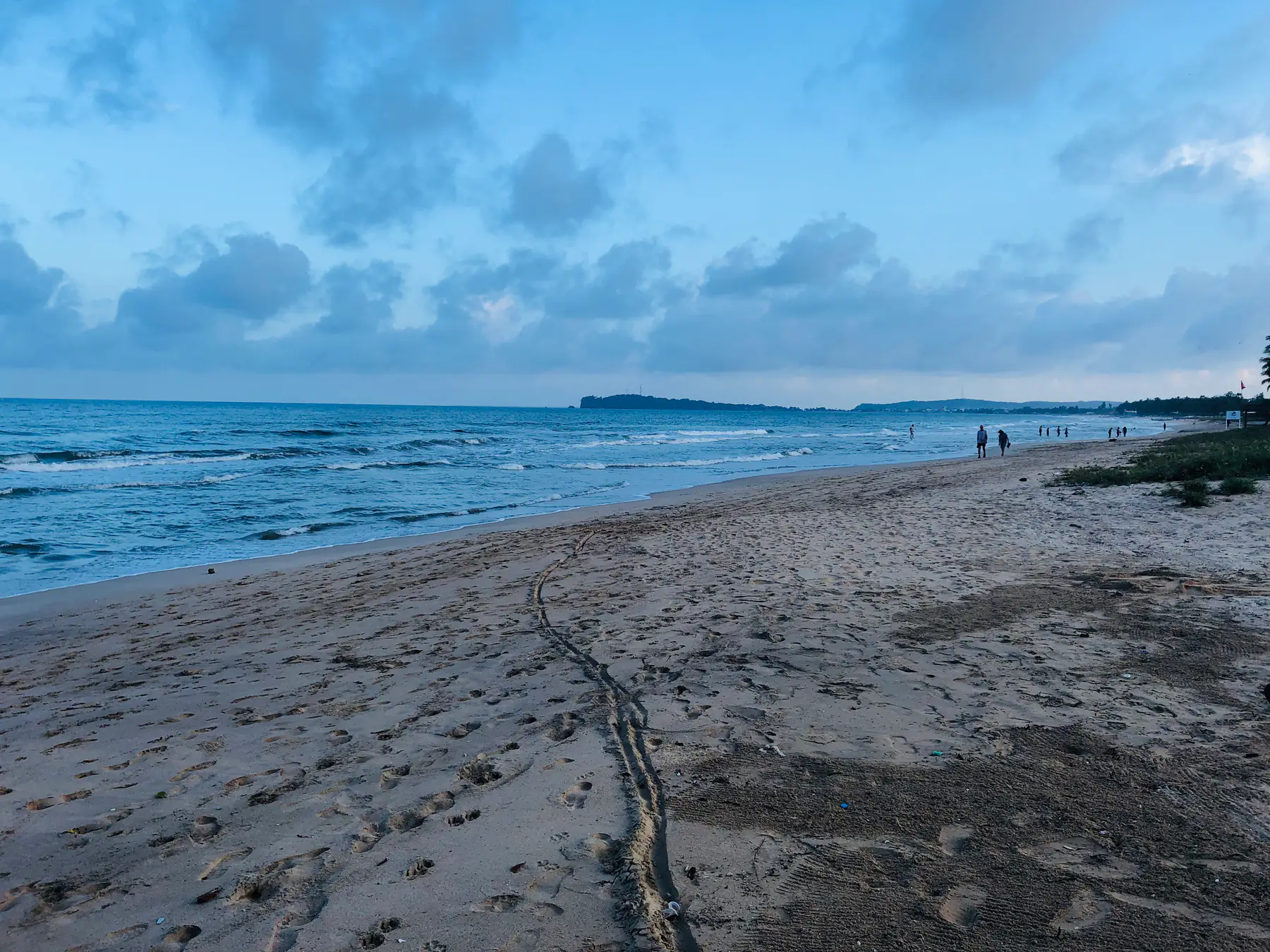
November is one of Sri Lanka's wetter months island-wide, and the Department of Meteorology expects above-normal rain in November 2026. How to plan around it, where to go, and what opens, checked 12 October 2026.
East Coast: A Date-Checked 7-Day Route
A seven-day Trincomalee, Batticaloa and Arugam Bay framework that must be checked against current weather, marine conditions and transport.
Places in Trincomalee
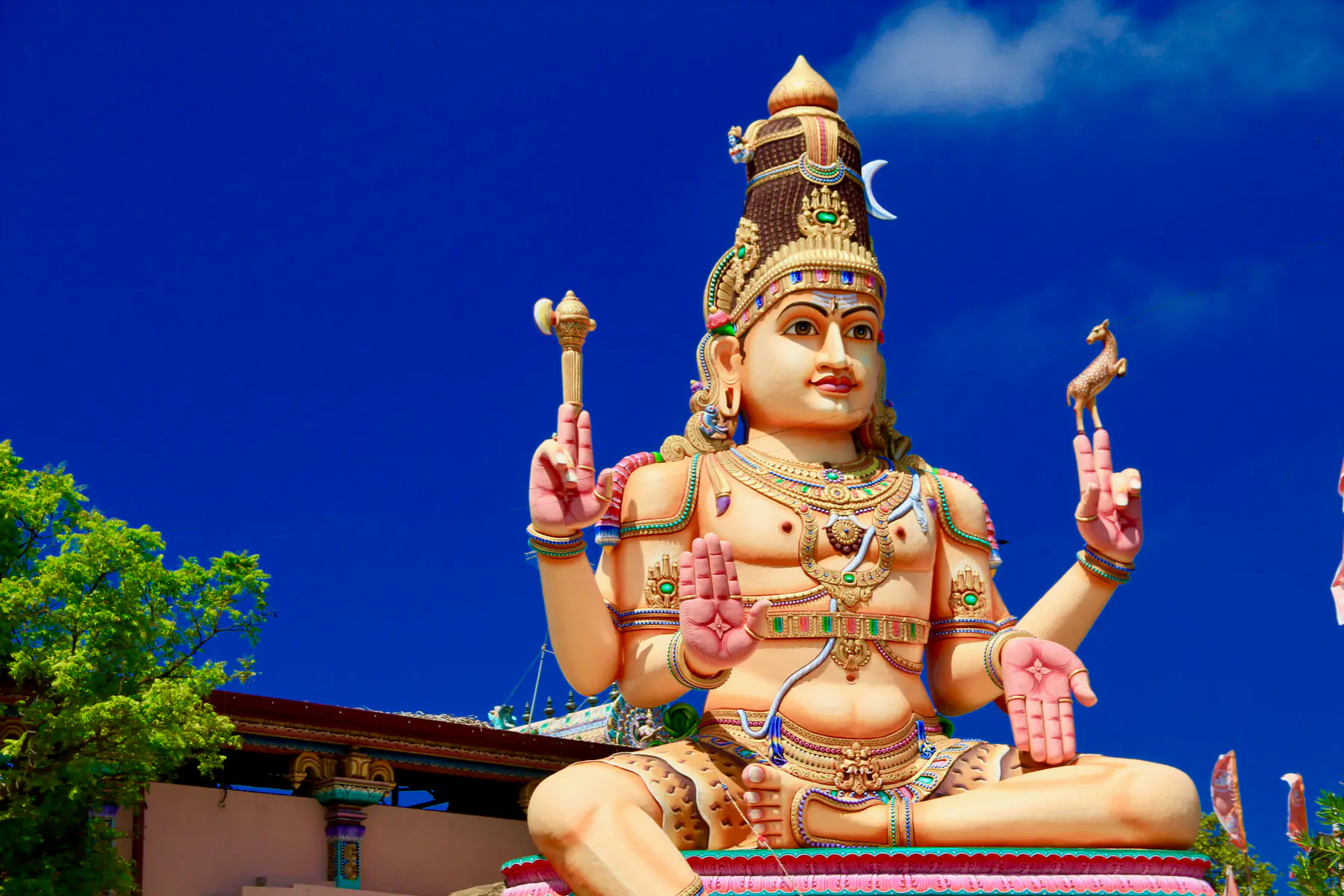
Koneswaram Temple
Sacred siteAn active Hindu temple dedicated to Shiva on Swami Rock in Trincomalee, requiring respectful, current site guidance.
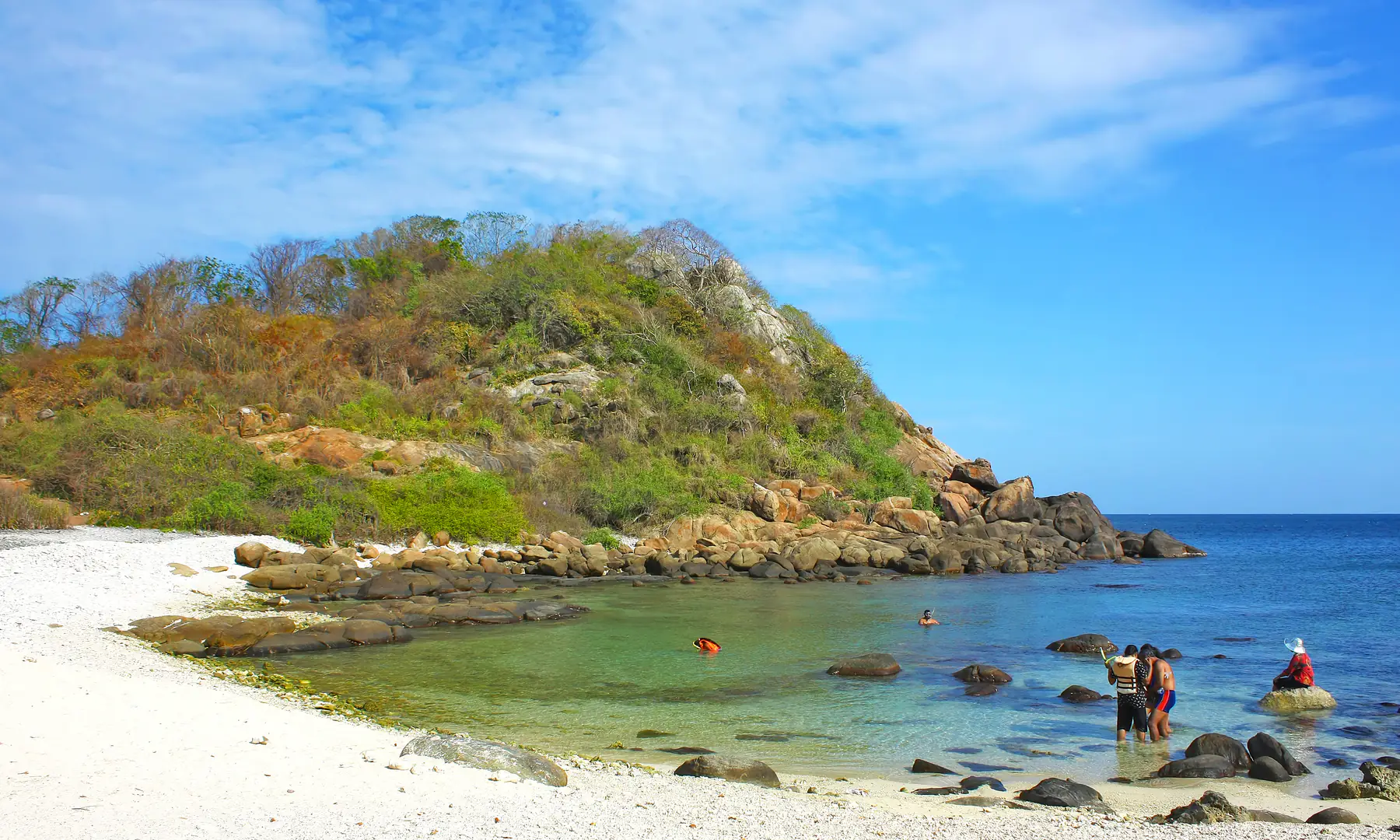
Pigeon Island National Park
NatureA marine national park off the Trincomalee coast where access, permits and sea conditions need current checks.