Sigiriya
A Matale District base whose clearest purpose is planning a visit to the UNESCO-listed Ancient City of Sigiriya.
Sigiriya town is a planning base for the Ancient City of Sigiriya, not a second version of the monument page. Choose the base when the UNESCO property is the central reason for the stop and you want the surrounding itinerary organised around that visit.
What the UNESCO listing establishes
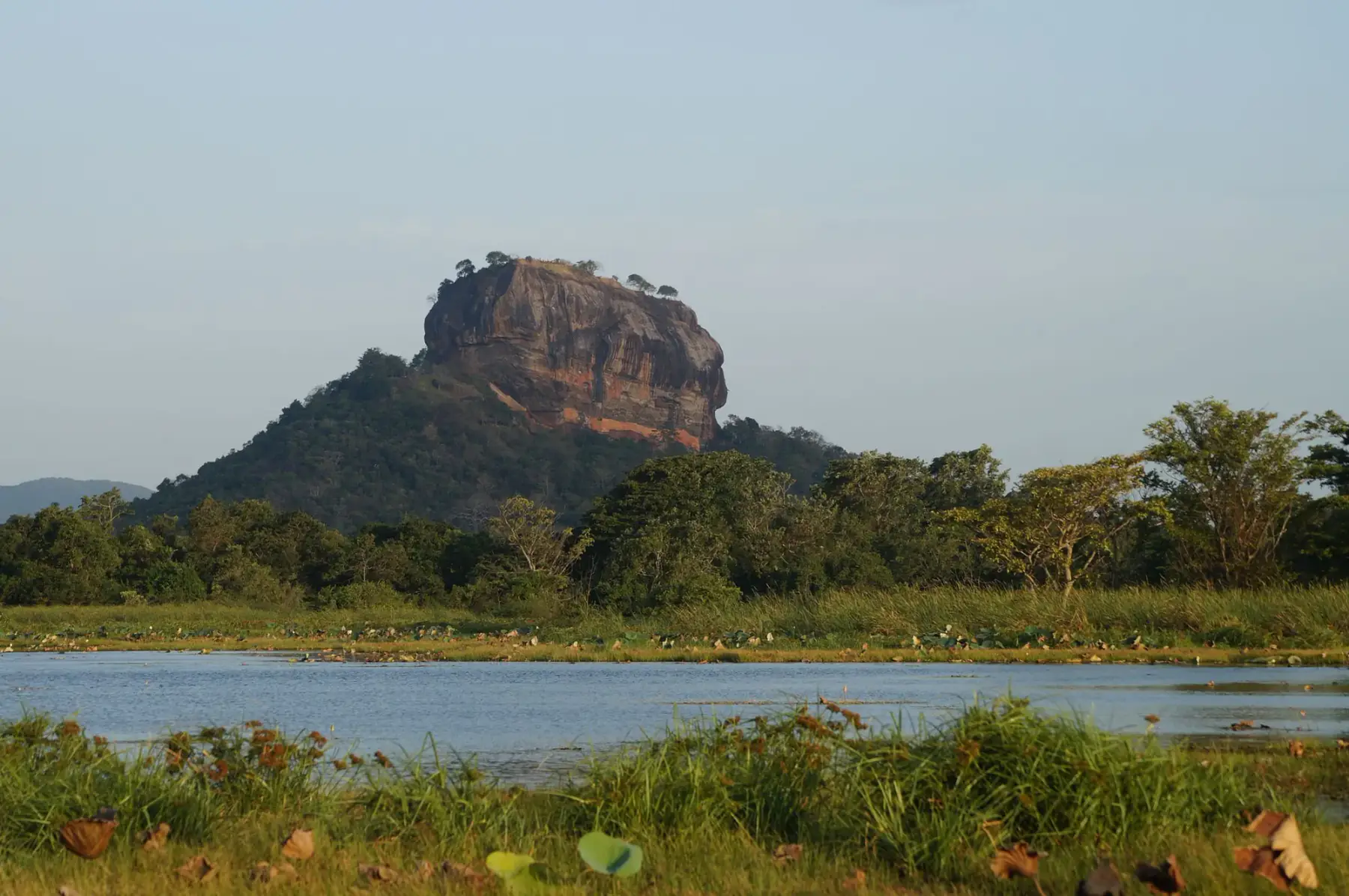
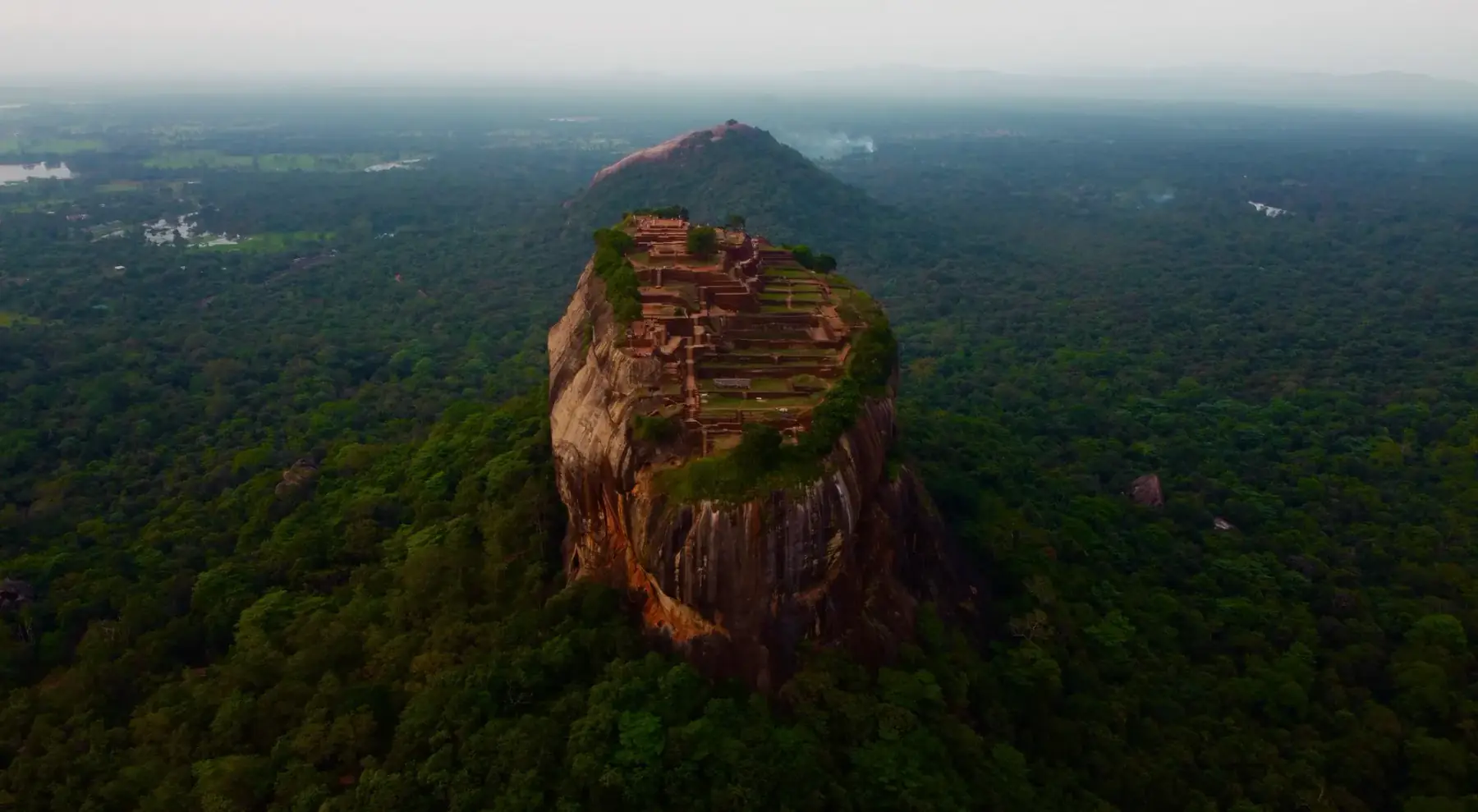
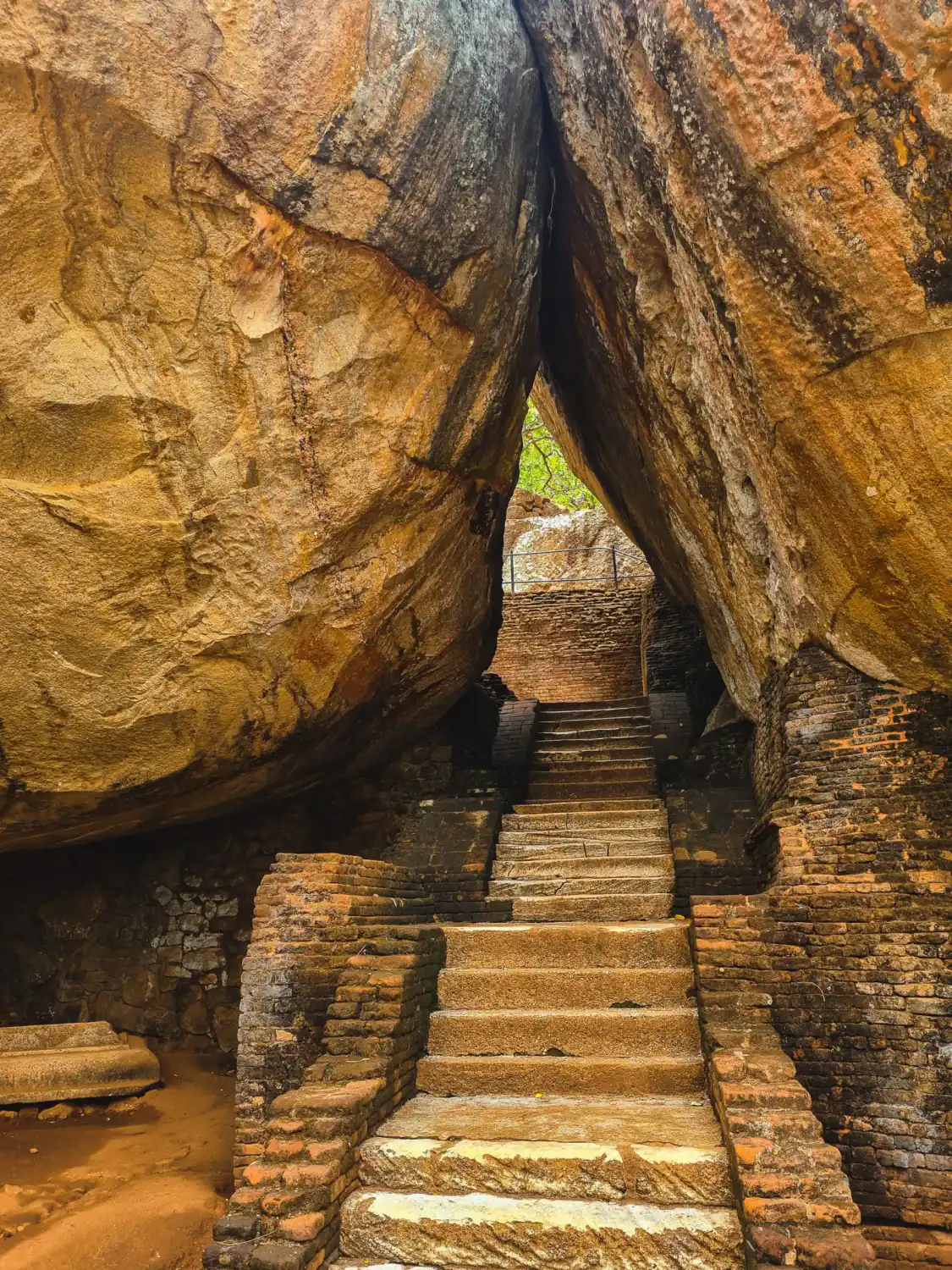
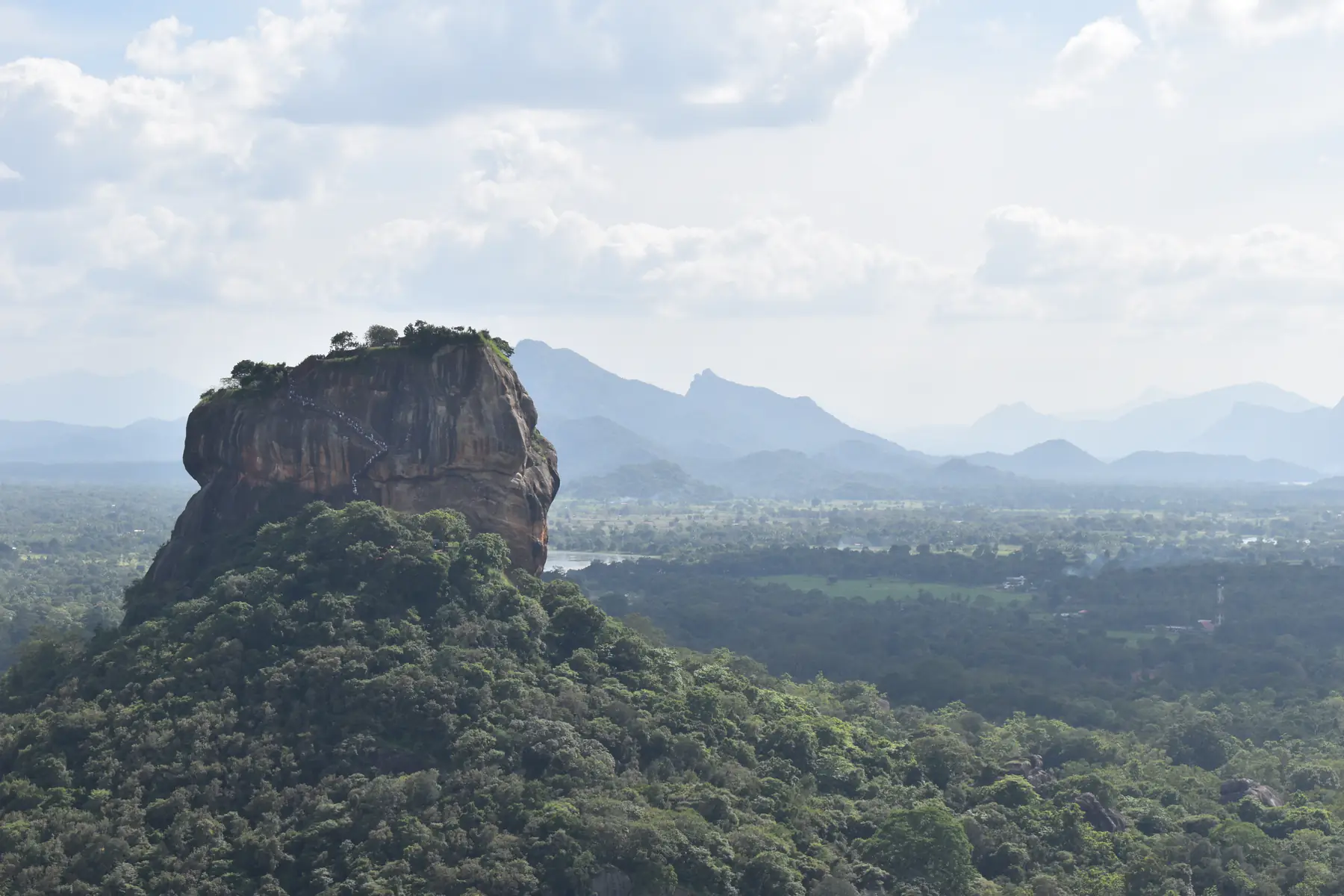
UNESCO identifies the site as the ruins of King Kassapa I's capital on the slopes and summit of a granite peak about 180 metres high. Galleries and stairways lead through the historic lion entrance toward the site. The property was inscribed on the World Heritage List in 1982.
Those facts describe the ancient city. They do not establish a current ticket price, opening time, queue, climb duration or suitability for an individual visitor.
Choose Sigiriya or Dambulla by route purpose
- Sigiriya base: centre the stop on the Ancient City and build the day around its current access arrangements.
- Dambulla base: consider this when the Dambulla cave temple and a broader transport plan are equally important.
- Either base: verify the actual accommodation location and transfer rather than assuming every property using “Sigiriya” in its name sits beside the entrance.
This is an editorial routing framework, not a claim that one town is universally more convenient or better value.
Before booking the visit
- Check the Central Cultural Fund's official ticket page for the current product and price.
- Confirm opening and access information from the responsible authority for your date.
- Assess stairs, exposure and physical demands against the needs of your group.
- Check weather and transport close to the visit.
- Keep monument history on the Ancient City page and base logistics on this page.
Avoid the “eighth wonder” shortcut
UNESCO lists Sigiriya as a World Heritage property under defined cultural criteria; it does not designate it an official “eighth wonder of the world.” The guide Is Sigiriya the Eighth Wonder? explains that distinction.
Decide whether to sleep in Sigiriya
Sigiriya is a base decision separate from the archaeological property. Stay in the area when the Ancient City of Sigiriya is a principal visit and the accommodation's exact road position supports the intended arrival. Compare it with Dambulla when bus connections, the cave temple or a different onward route matter more.
The Sigiriya versus Dambulla guide makes that comparison without claiming a universal winner.
Give the World Heritage visit enough room
The Ancient City of Sigiriya page covers the protected landscape and summit access. The visit involves exposed outdoor areas and a climb whose conditions can change. Confirm current tickets, opening arrangements, weather and physical suitability. Do not plan the day around an unsupported promise that a particular time will be empty, cool or cloud-free.
Keep nearby stops distinct
Dambulla Cave Temple is a living Buddhist cave-shrine complex, not an interchangeable second rock attraction. A national park is a separate permit and operator decision. Polonnaruwa is a large archaeological property with its own day. Combining them can work only when the transport and desired depth are explicit.
Reject the misleading label
Sigiriya is not officially designated “the eighth wonder of the world.” The eighth-wonder explainer distinguishes promotional language from the UNESCO inscription and explains what can be stated accurately.
Verify the full transfer
Check the last road segment to the accommodation and the departure toward the next base. A property marketed under Sigiriya may sit outside the immediate village, so base comparisons must use actual addresses.
Sources
Last verified 2026-08-28
Plan your Sigiriya trip
How Many Days Do You Need in Sri Lanka?
There is no universal minimum: choose trip length from the number of regions, transfer days and non-negotiable experiences you can verify.
Is Sigiriya the Eighth Wonder of the World?
No official UNESCO designation names Sigiriya an eighth wonder; its verified status is the Ancient City of Sigiriya World Heritage property.
Sigiriya or Dambulla: Where Should You Stay?
Choose Sigiriya or Dambulla as a Cultural Triangle base by starting with the heritage site you want to prioritise and verifying each transfer.
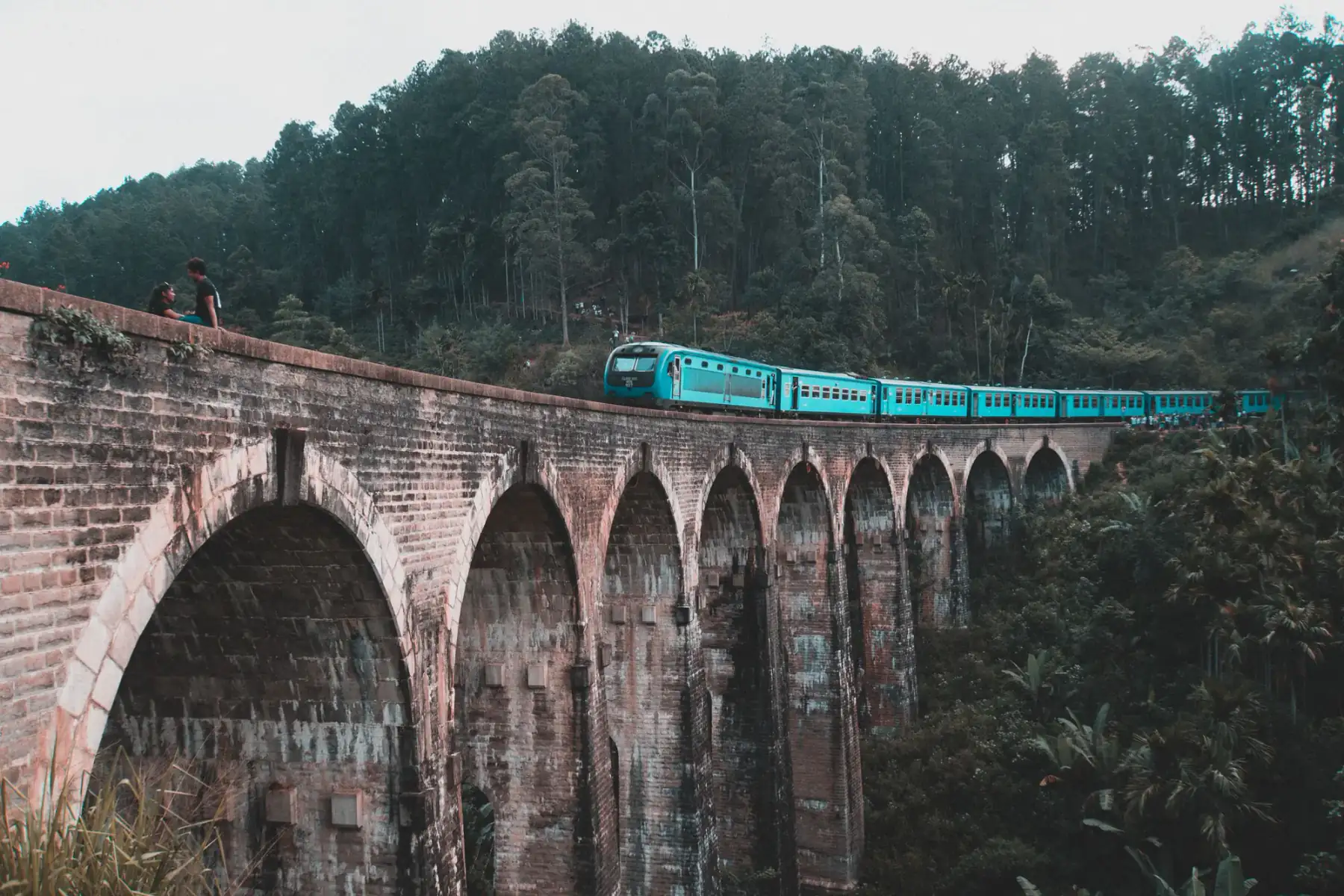
Classic Sri Lanka: South, Hills and Cultural Triangle
A day-by-day 10-day Sri Lanka itinerary: Sigiriya, Dambulla, Kandy, the Nanu Oya to Ella train, Galle and Mirissa, with dated ticket and fare costs checked 17 October 2026.
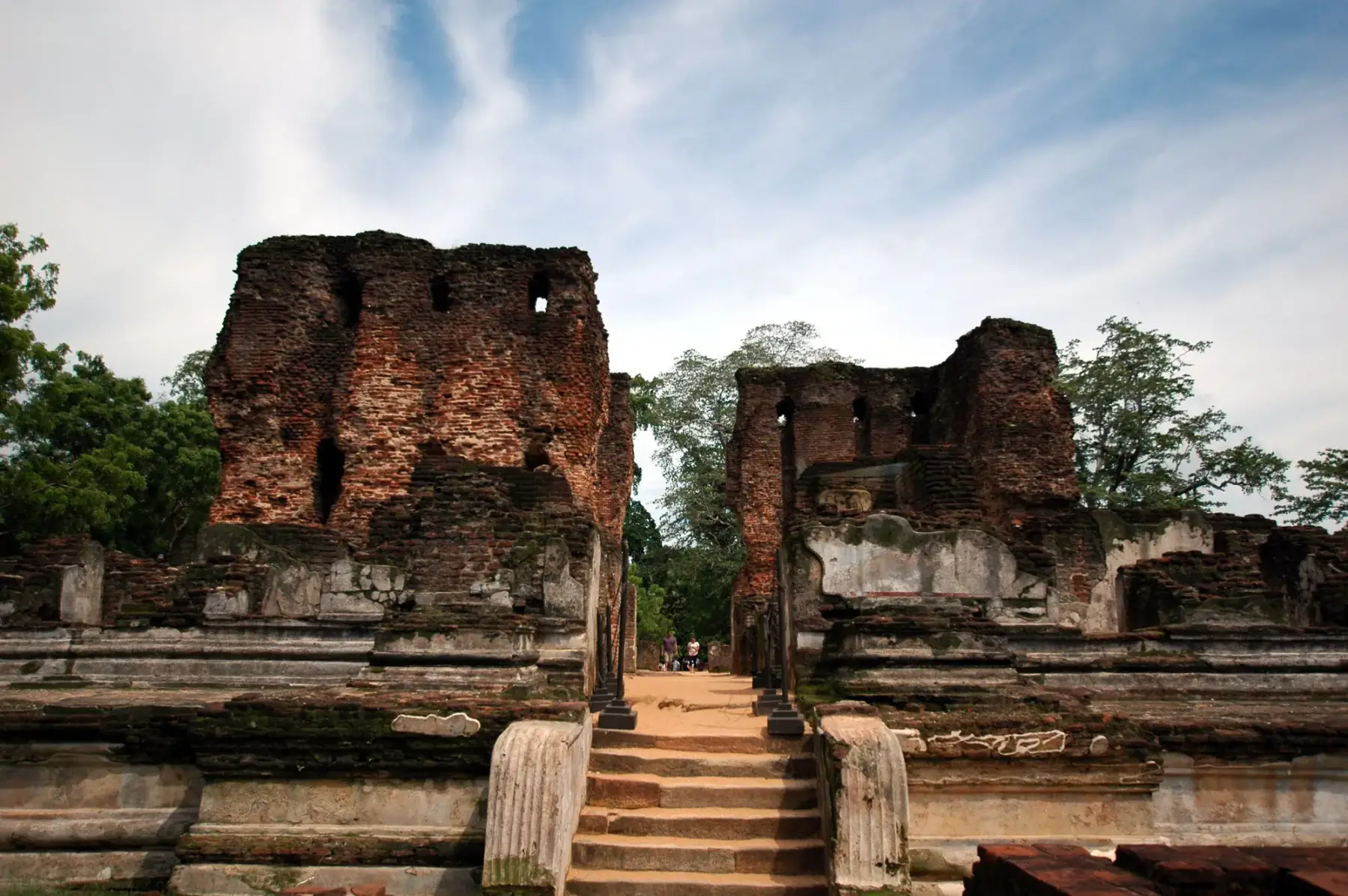
Cultural Triangle and Heritage Focus
A five-day heritage framework connecting Sigiriya, Dambulla, Anuradhapura, Polonnaruwa and Kandy without pretending every site fits one rushed loop.
One Week, First Visit
A focused 7-day first route through the Cultural Triangle, with Anuradhapura, Sigiriya and Dambulla instead of a four-region sprint.
Sri Lanka in 3 Weeks
A 21-day Sri Lanka itinerary: Anuradhapura, Sigiriya and Dambulla, Kandy, the hill country by road and the Nanu Oya to Ella train, Yala, then a slow week on the south coast. Includes an east coast version for May to September. Checked 17 October 2026.
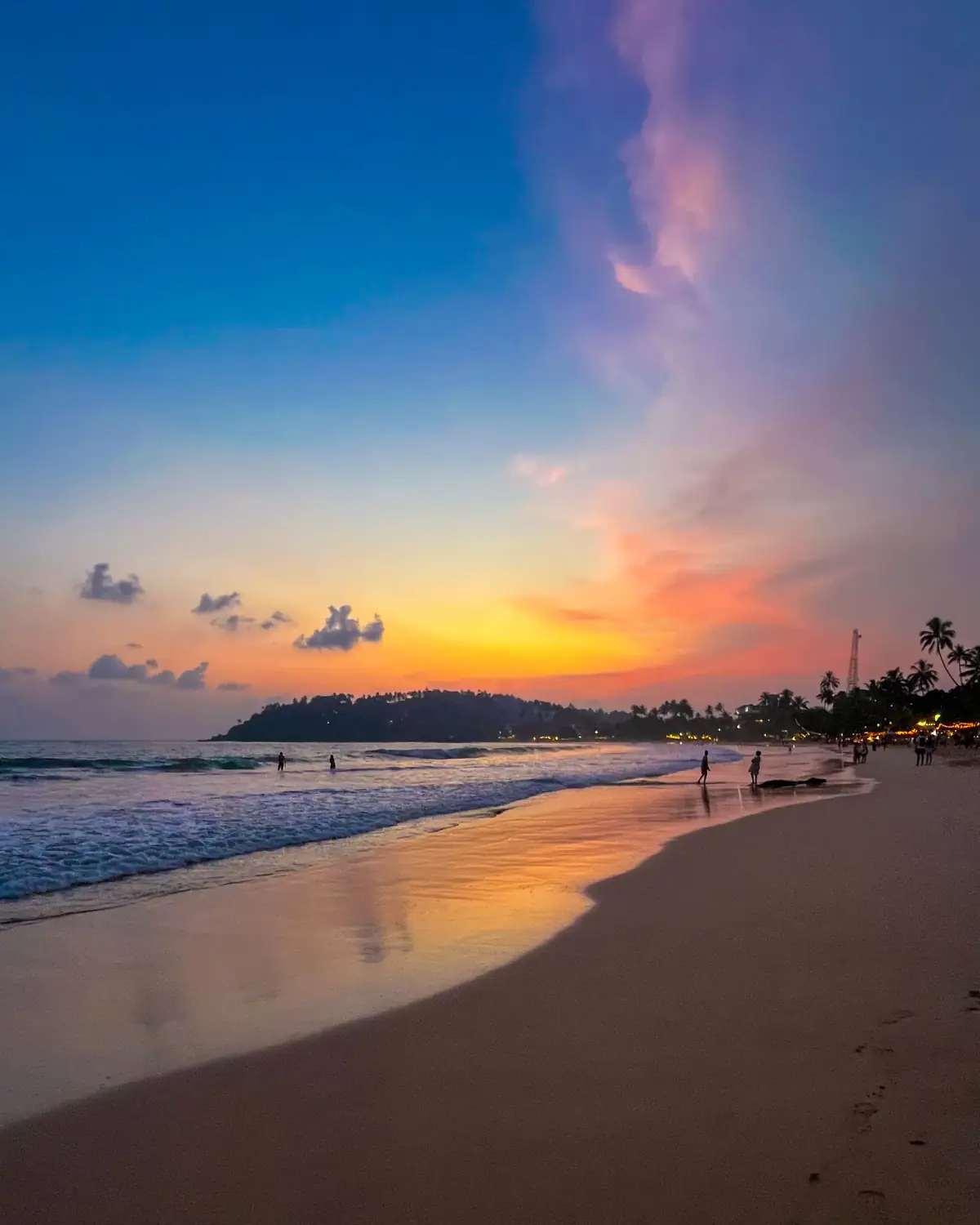
Sri Lanka and Maldives: 10 Days or 2 Weeks
A Sri Lanka and Maldives route for UK travellers and honeymooners: about six days in Sri Lanka and four in the Maldives on a 10-day trip, or nine and five over two weeks, with the island time at the end. Entry rules checked 11 October 2026.
Two Weeks, Standard Pace
A day-by-day 2-week Sri Lanka itinerary: Sigiriya, Dambulla, Polonnaruwa, Kandy, Ella by the Nanu Oya train, a Yala safari, Galle and Mirissa, with dated ticket and fare costs checked 17 October 2026.
Places in Sigiriya
Ancient City of Sigiriya
UNESCO 1982 · HeritageA World Heritage property built across the slopes and summit of a granite peak used as King Kassapa I's capital.