Getting Around Sri Lanka
Plan Sri Lanka transport by checking rail notices, official bus timetables and fares, and a route-specific fallback before each long transfer.
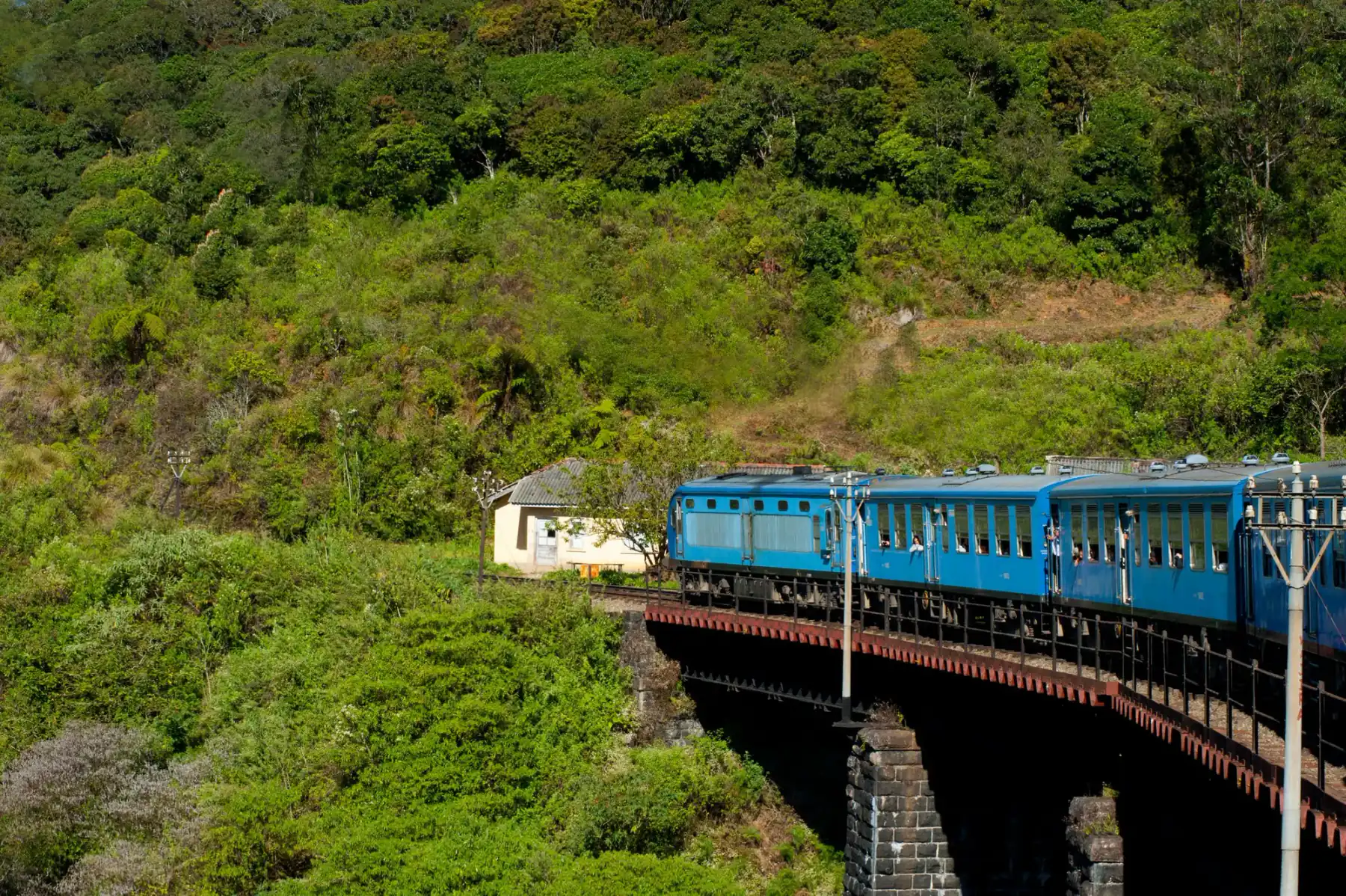
Getting around Sri Lanka can involve rail, inter-provincial buses and hired road transport. The useful choice is route-specific: compare the available service for the exact date, total door-to-door time, reservation requirements and a fallback before committing a day of the itinerary.
Rail: check notices before timetables
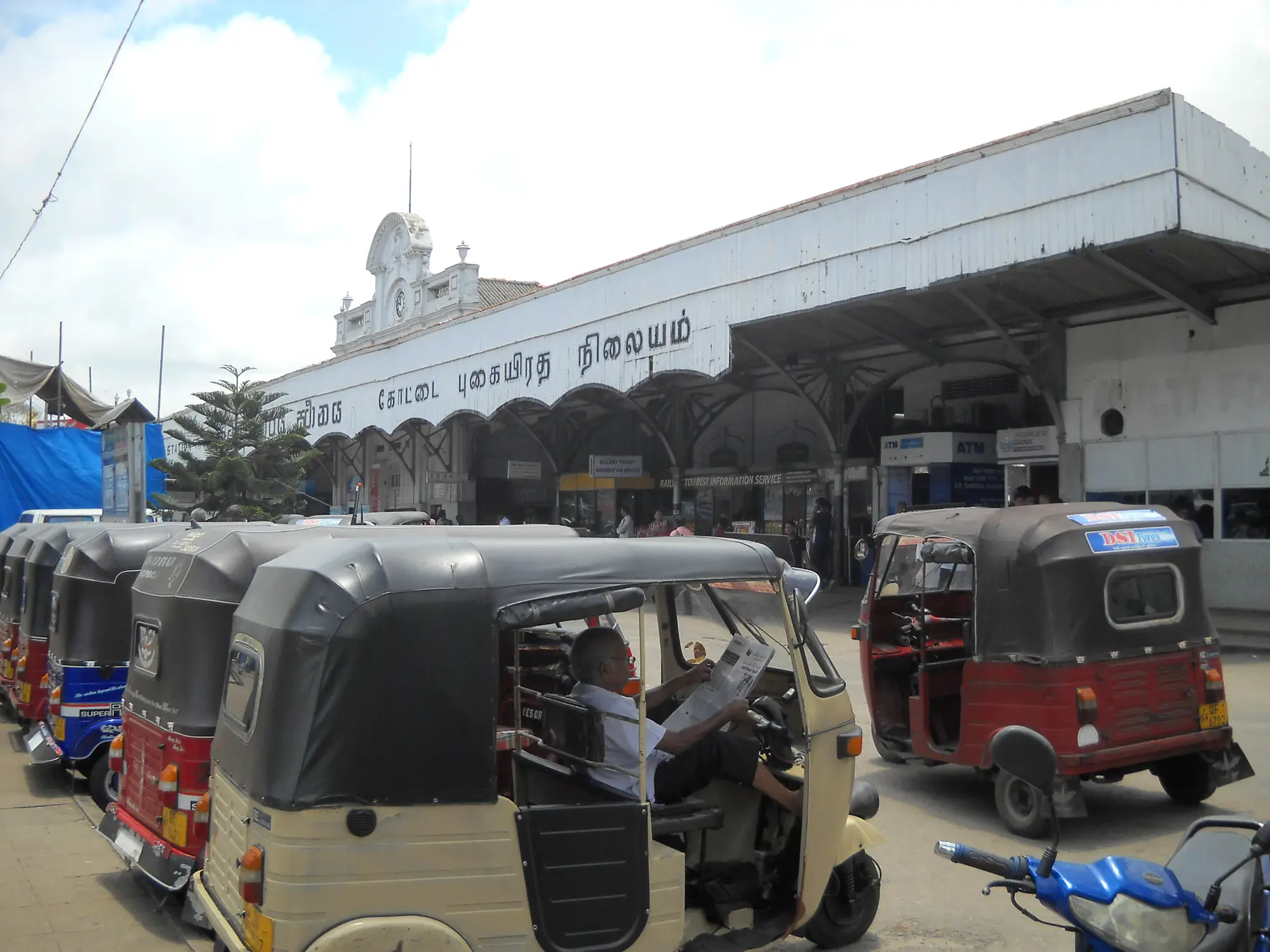
Sri Lanka Railways publishes network notices and a separate seat-reservation service. At the time of this review, its main schedule page said it was temporarily unavailable while being redeveloped. A June 2026 notice confirmed restoration only for the Badulla-to-Nanu Oya section of the Upcountry Line, and no passenger service ran beyond Rambukkana on the Main Line, so a historical route description should not be treated as proof of a through service.
For a rail journey, check current notices first, then search the official reservation system for the exact date and stations. The Kandy-to-Ella train guide tracks the current status, expected reopening dates and booking rules for that route.
Arriving by sea from India
A passenger ferry links Nagapattinam in Tamil Nadu with Kankesanthurai near Jaffna, and it pauses for the north-east monsoon, as in 2025. The India to Sri Lanka ferry guide has the checked schedule, baggage rules and booking steps.
Inter-provincial buses: use the official route tools
The National Transport Commission provides an inter-provincial bus time search and publishes current route-based fare information. Search by origin, destination and date rather than copying a price or departure from an older article. Not every local service or connection will appear in one national interface, so confirm the final leg separately where necessary.
Hired road transport: compare the whole transfer
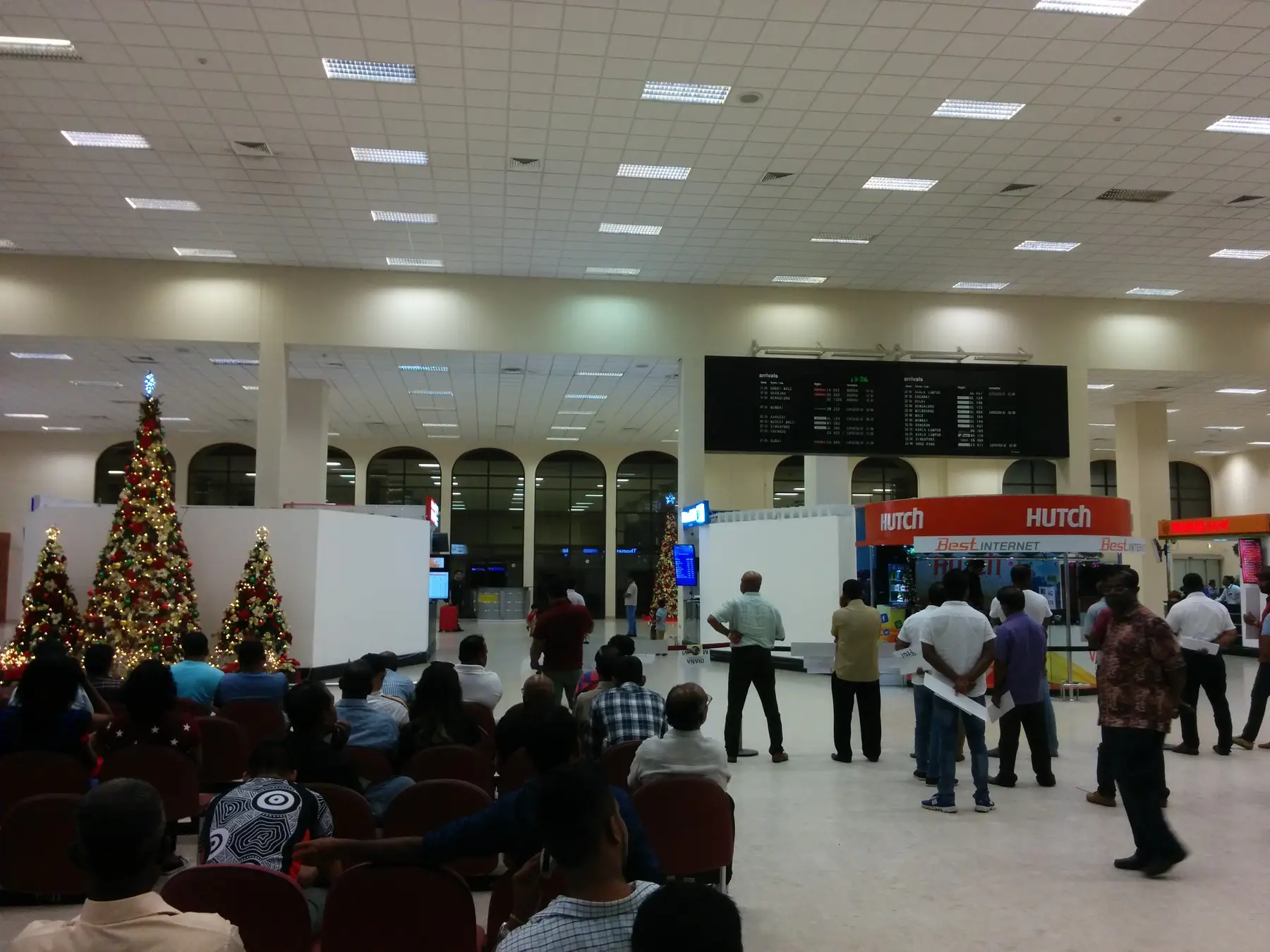
A hired car, van or local three-wheeler may solve a route that does not align with a current public service. Before accepting a quote, confirm the pickup and drop-off points, vehicle, luggage capacity, included waiting or parking, payment terms and what happens if the route changes. This guide does not publish a “standard” price because the repository has no current, representative dataset for one. Official rail and bus fares that could be verified are collected in the trip-cost guide. The airport taxi service at Bandaranaike International Airport has a rate table by destination on its taxi page, but it showed no rates when we checked on 13 October 2026, so ask at the counter for your fare; the Colombo airport to Kandy guide shows how that works alongside the airport buses.
A transfer checklist
- Search the official rail or inter-provincial bus source.
- Confirm the exact date, stations or stops, and whether a change is required.
- Compare station-to-accommodation time, not only the main journey.
- Keep the next activity flexible when a same-day delay would matter.
- Recheck current notices shortly before travel.
- Have mobile data working so you can check notices on the day; see the Sri Lanka eSIM and tourist SIM guide.
Not sure which plan to buy? Our best eSIM for tourists in Sri Lanka comparison lists dated prices from each provider.
No single mode is always fastest, cheapest or most comfortable across every Sri Lanka route. Make that judgement transfer by transfer using current official information and a realistic fallback.
Compare transport by the whole journey
| Mode | Useful when | Main checks | Common planning mistake |
|---|---|---|---|
| Reserved rail | A current service connects the required stations and the journey itself matters | Notices, exact date, stations, seat availability, station transfers | Treating an old timetable as proof of operation |
| Unreserved rail | The service and boarding arrangement have been confirmed and flexibility is acceptable | Current service, ticket process, luggage and onward transfer | Assuming a seat or fixed journey time |
| Inter-provincial bus | The official route serves the required origin and destination | Current time search, stop, fare, final local leg | Treating the town centre as the accommodation door |
| Hired car or van | Public services do not fit the route, luggage or group needs | Vehicle, driver terms, inclusions, pickup, breaks and fallback | Comparing only the headline quote |
| Local three-wheeler or taxi | A short local connection has been verified | Vehicle suitability, fare method, luggage and pickup | Using it as an unexamined long-distance solution |
The best option can change from one transfer to the next. A mixed plan may use rail for a confirmed section, road transport for the station edges and a bus for another corridor.
Rail: separate four different questions
Before choosing a train, answer:
- Does a service operate for the exact date and stations? A historic route map does not establish current operation.
- Can a seat be reserved? A route in reservation documentation does not guarantee availability.
- What happens at both stations? Include accommodation-to-station and station-to-accommodation travel.
- What is the fallback? Decide whether a road transfer, different section or changed itinerary protects the next booking.
For the hill country, do not use the phrase “Kandy-to-Ella train” as proof of a continuous service. Check the named stations and current notices. Nuwara Eliya is not itself the rail station used in many itineraries, so confirm the station-to-town connection rather than treating the destination label as a platform.
Buses: confirm the stop and the final leg
The National Transport Commission tools cover inter-provincial information. A national interface may not answer every local connection. Search the actual origin and destination, identify the boarding and arrival stops, and decide how the traveller reaches the accommodation.
Before relying on a bus:
- verify the current route and date;
- check whether luggage can be handled appropriately;
- identify any change and the margin between services;
- confirm the final local leg; and
- avoid a tight fixed activity immediately after arrival.
This page does not publish one “typical” bus speed or comfort claim because route, vehicle and conditions vary.
What are Colombo's new Metro buses?
Checked on 10 October 2026. Colombo now has a Metro bus service: low-floor, air-conditioned buses with fixed timetables, run by Lanka Metro Transit (Pvt) Ltd. On 29 September 2026, 112 additional buses (104 procured by Sri Lanka and eight gifted by Japan) were deployed on five new routes, joining the two routes launched earlier, for 122 Metro buses on seven routes in the Western Province (Sunday Times, 4 October 2026). The Daily Mirror put the seven-route network at about 188.7 km. The Morning (4 October 2026) describes the buses as low-floor and air-conditioned, with fixed schedules.
Which routes do the Metro buses run?
The Sunday Times (4 October 2026) lists the seven routes as Kadawatha–Makumbura, Kesbewa–Pettah, Makumbura–Pettah, Millennium City–Colombo Fort, Dematagoda–Panadura, Battaramulla–Ekala and the Kollupitiya circular route. Check current routes and timetables in the official LMT-GO app before travelling. These are commuter routes within the Colombo area, not intercity services. The Daily Mirror reported plans for intercity Metro services to Jaffna, Kandy and Galle, but that had not started on 10 October 2026.
How do you pay?
Lanka Metro Transit says passengers pay without cash using an LMT Touch contactless card or a QR code on a phone. The LMT-GO app offers live tracking, journey planning, timetables, fares and QR tickets. It lists tap-and-go payment and travel card top-ups as "coming soon". We found no official fare table, so this page does not quote a fare.
Hiring a driver: questions before accepting a quote
Ask for the exact scope in writing:
- pickup and final drop-off addresses;
- dates and expected driver hours;
- vehicle type, seating and luggage capacity;
- fuel, toll, parking and waiting inclusions;
- accommodation or meal arrangements for the driver, if relevant;
- cancellation and route-change terms;
- whether local sightseeing transfers are included; and
- what happens if a rail or activity segment changes.
Do not treat “driver-guide” and “driver” as interchangeable credentials. Verify any claimed tourism registration or guiding qualification through the responsible authority. This site does not recommend or certify an individual operator.
When a mixed transport plan is better
A mixed plan can preserve a wanted rail experience without forcing every transfer onto the network. For example, a traveller might use road transport to the confirmed origin station, take a verified rail section and arrange a separate pickup at the destination. That plan only works when luggage, timing and the pickup are agreed in advance.
Use mixed transport when it reduces route risk or adds a meaningful journey. Do not add a train simply to follow a famous itinerary if it creates two difficult station transfers and jeopardises the next stop.
Route examples to test
Cultural Triangle
Sigiriya, Dambulla, Anuradhapura and Polonnaruwa involve different heritage zones and entrances. Choose the base first, then verify transfers to the actual sites. The Sigiriya-or-Dambulla comparison helps define the base decision.
Hill country
Kandy, Nuwara Eliya and Ella should not be joined by an assumed through train. Check each segment and consider a road fallback. The Kandy-to-Ella guide records the current evidence, and Kandy to Ella by road sets out the road options.
South or east coast
Coastal towns can look close on a map while still requiring multiple local legs. Choose the coast by dates and activities, then build the transport around named destinations. Avoid crossing the island only to satisfy a broad “beach” category. For the south, the south coast hub and Hiriketiya cover Coast Line and road patterns; for the east, the Arugam Bay guide sets out the road from Ella and Colombo.
Booking sequence
- Fix the anchor destinations and any immovable date.
- Search official rail and bus tools for every long transfer.
- Price or verify road alternatives without assuming a standard rate.
- Add station, stop and accommodation edges.
- Remove a destination if the route depends on several uncertain connections.
- Recheck current notices close to travel.
The aim is not to use every form of Sri Lankan transport. It is to choose a dependable route in which each journey supports the trip rather than consuming it.
Frequently asked questions
What are the new Metro buses in Colombo?
Low-floor, air-conditioned buses run by Lanka Metro Transit (Pvt) Ltd, a company set up to implement the Metro Bus programme. The Sunday Times reported on 4 October 2026 that 122 Metro buses now run on seven Western Province routes: 112 additional buses were added on 29 September on five new routes, alongside the two routes launched earlier.
How do you pay on a Colombo Metro bus?
Lanka Metro Transit promotes cashless payment with an LMT Touch contactless card or a QR code in the official LMT-GO app. Check in the app before boarding, as payment options were still being rolled out on 10 October 2026.
How much does a Metro bus cost?
We could not find an official fare table on 10 October 2026. The LMT-GO app shows route fares; check it for your journey.
Sources
Last verified 2026-10-10
- https://www.railway.gov.lk/web/index.php?Itemid=241&id=60&lang=en&option=com_content&view=category
- https://www.railway.gov.lk/web/index.php?Itemid=210&id=1017&lang=en&option=com_content&view=article
- https://seatreservation.railway.gov.lk/mtktwebslr/faq
- https://www.ntc.gov.lk/times/
- https://ntc.gov.lk/Bus_info/bus_fares.php?lang=en
- https://www.dailymirror.lk/breaking-news/112-new-Metro-buses-deployed-on-seven-Western-Province-routes/108-351382
- https://www.themorning.lk/articles/KU1JvJ3UAgkGaQYtrtB1
- https://www.sundaytimes.lk/261004/news/metro-expands-fleet-and-routes-to-reach-new-milestones-659124.html
- https://lankametro.lk/si
- https://play.google.com/store/apps/details?id=com.lankametrotransit.lmtgo
Covered in this guide
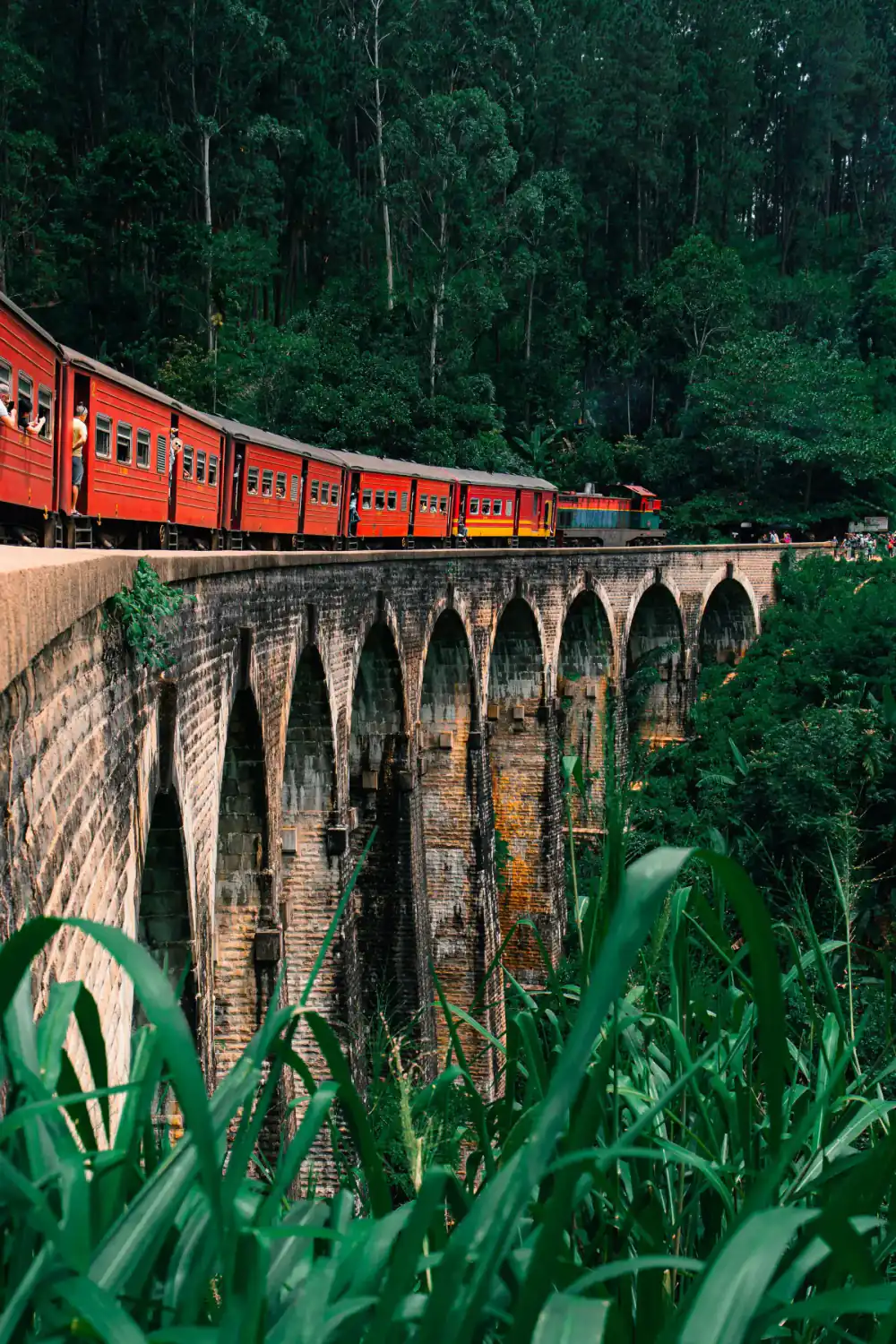
The Kandy to Ella Train

Kandy
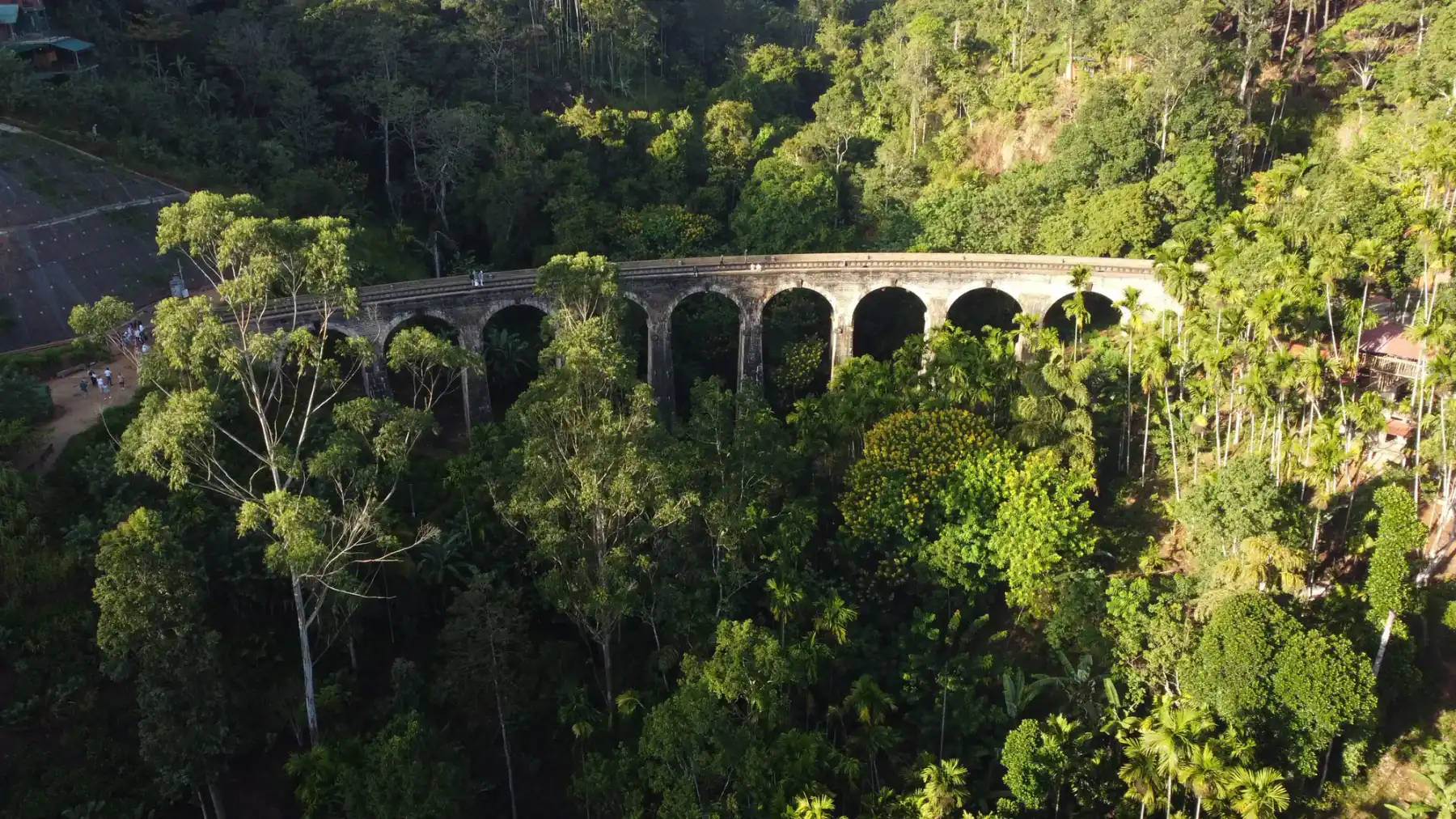
Ella
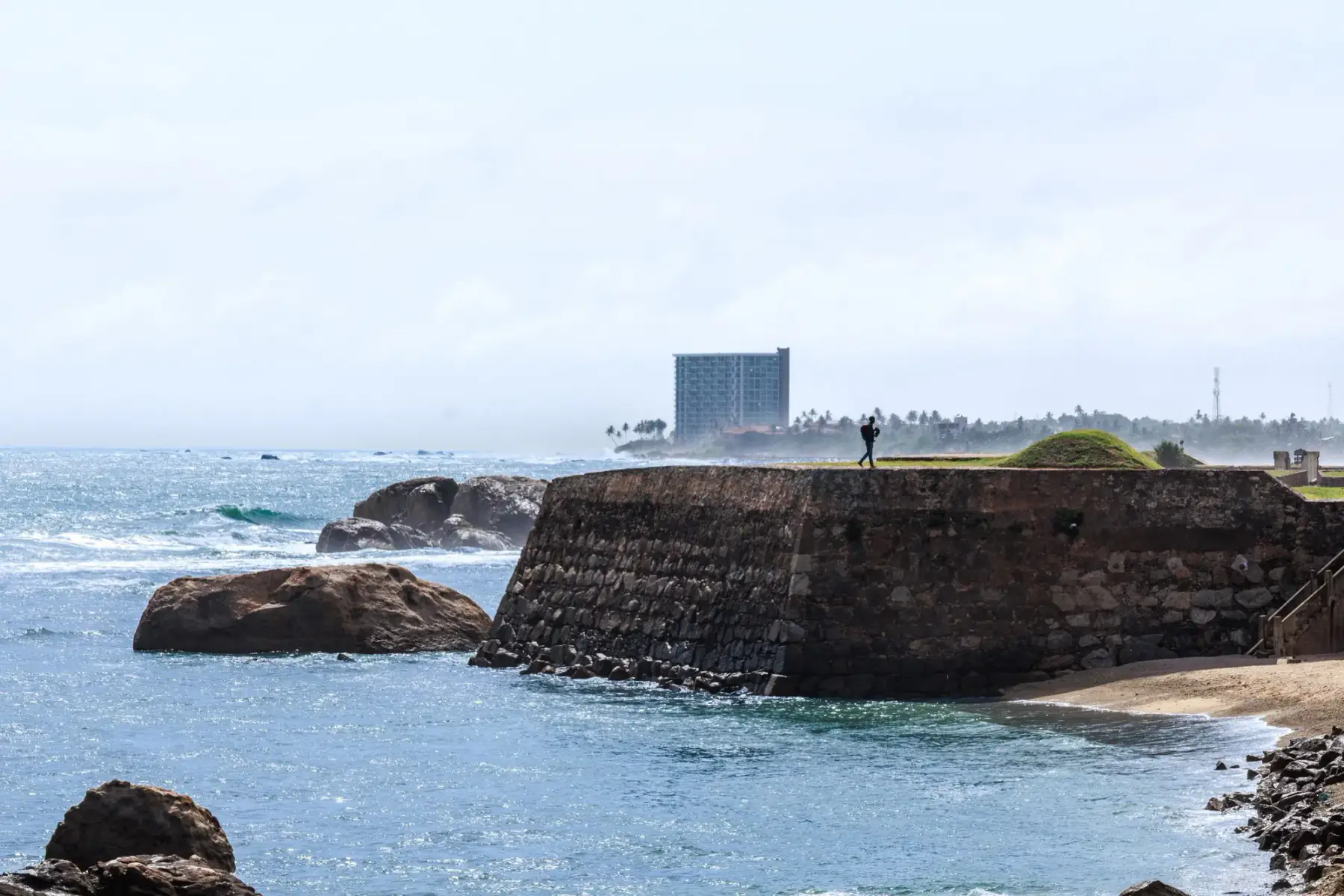
Galle
Sri Lanka ETA and Free Visa 2026
Sri Lanka eSIM and Tourist SIM
Related guides
All guides
How Many Days Do You Need in Sri Lanka?
There is no universal minimum: choose trip length from the number of regions, transfer days and non-negotiable experiences you can verify.
Best Time to Visit Sri Lanka, Month by Month
Choose when to visit Sri Lanka by matching your route to four broad rainfall seasons, then confirm the forecast for your actual destinations.

Colombo Airport to Kandy
From Bandaranaike International Airport to Kandy by the airport's official taxi, by bus via Colombo, or by bus and train via Peradeniya. Official bus fares checked 12 October 2026.