Hindu Temple Circuit
A realistic regional-choice guide for active Hindu temples in Jaffna, Trincomalee and Kataragama.
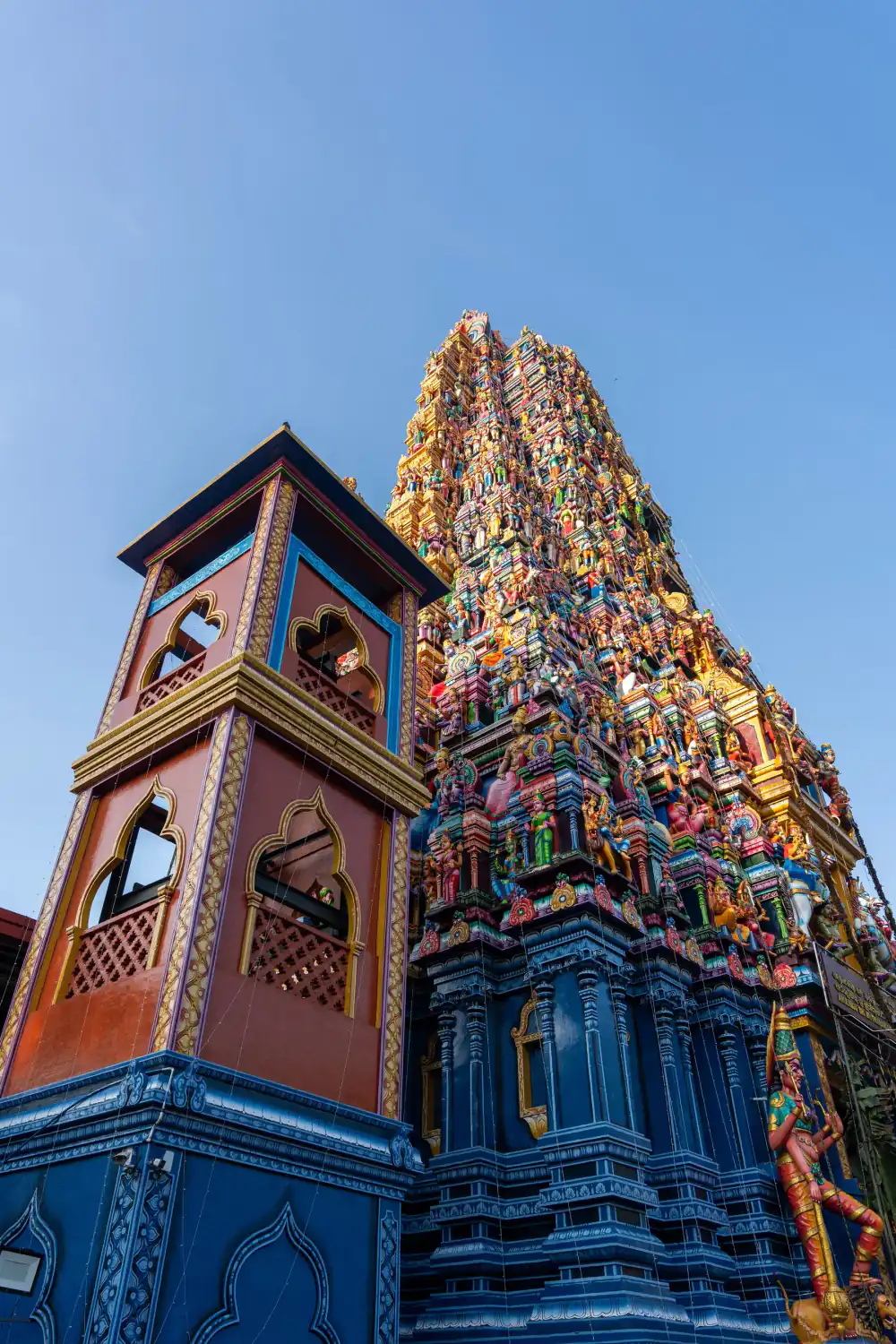
The active Hindu sites covered by this corpus are in different regions. Treat this page as a choice among regional routes, not a claim that every important temple fits one circuit.
Choose one regional anchor
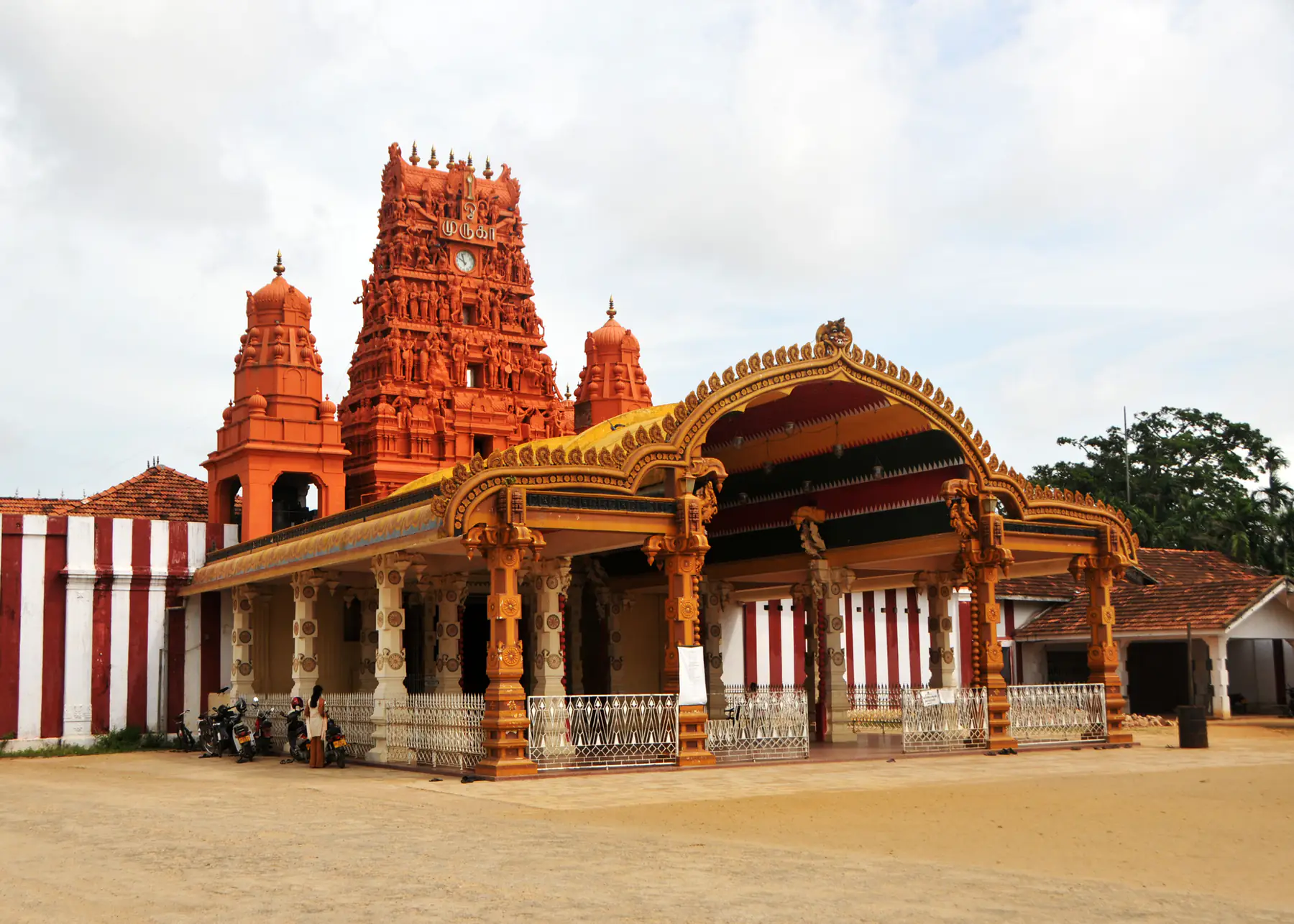
- Nallur Kandaswamy Temple belongs in a Jaffna and northern itinerary.
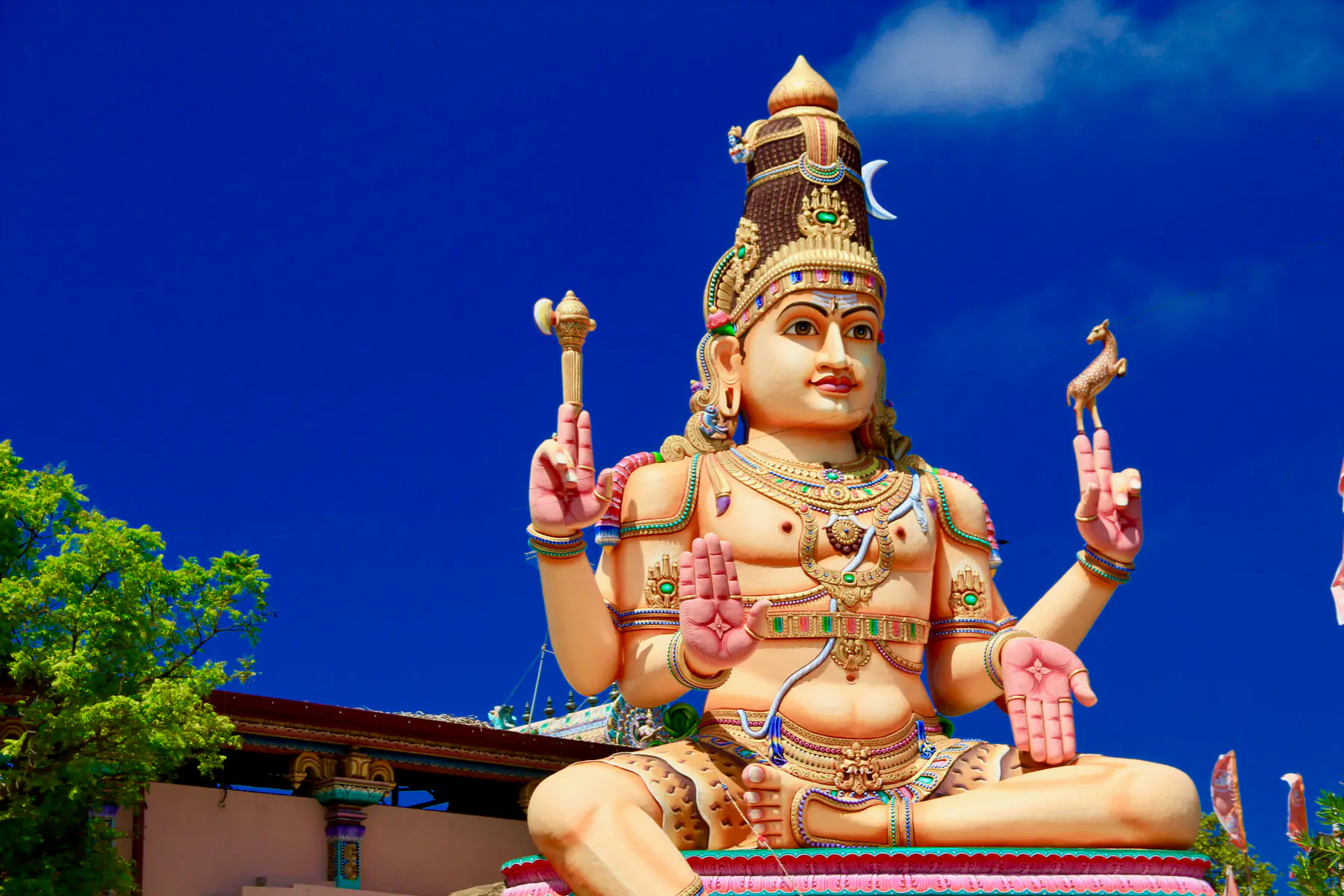
- Koneswaram Temple belongs in a Trincomalee and east-coast itinerary.
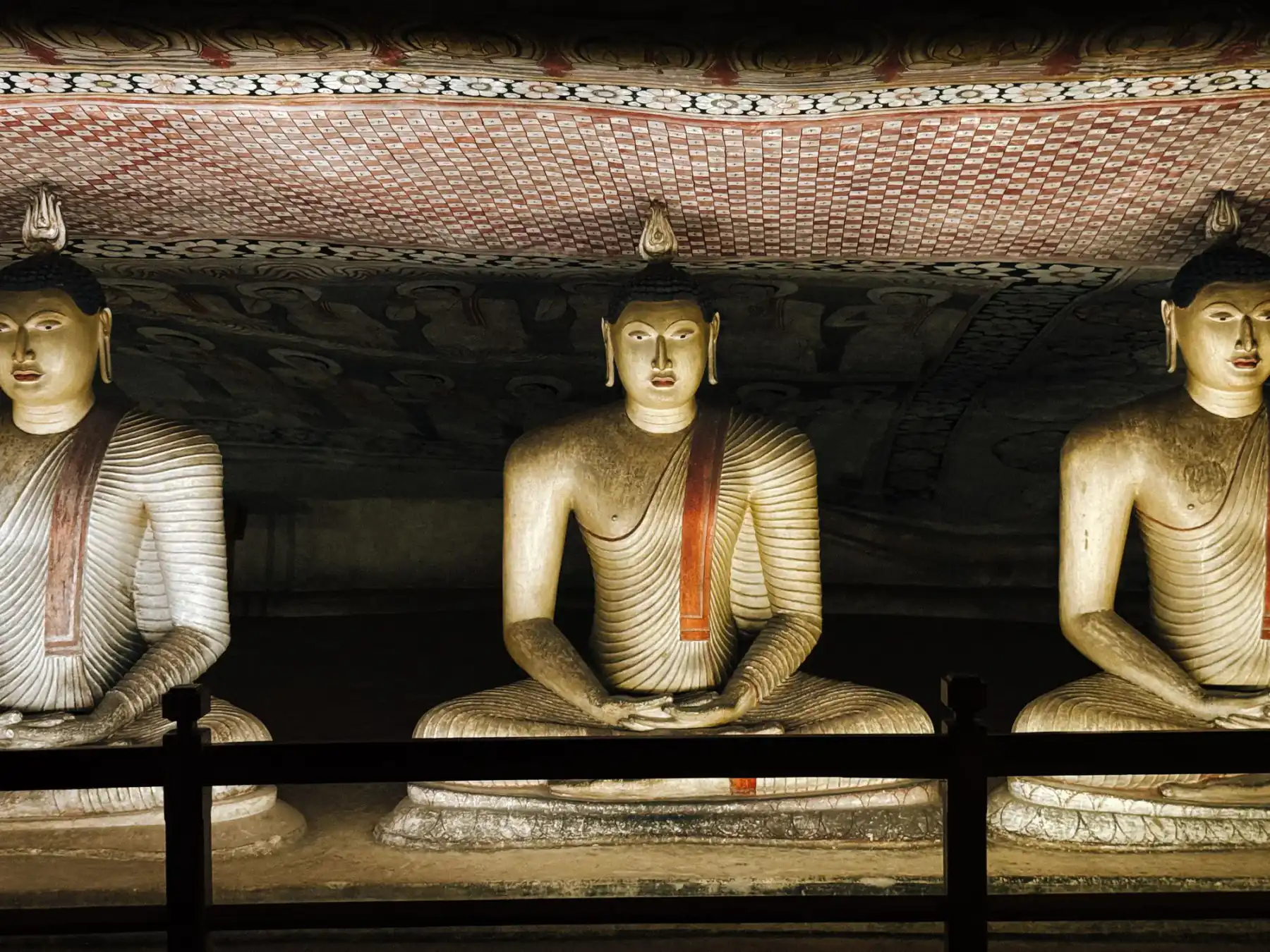
- Kataragama belongs in the deep south and carries multi-tradition context.
Choose one region unless current transport and enough trip days support more. Check exact connections instead of relying on a generic drive-time estimate. If all three matter for religious reasons, build the itinerary around ceremony and worship dates first.
Verify each active site
Check entry, clothing, footwear, offerings, photography and festival access directly. The Department of Hindu Religious and Cultural Affairs is an institutional reference; the named temple remains the authority for the visit. Use the pilgrimage experience for common planning questions. In 2026, Deepawali Festival Day is on Sunday 8 November (Central Bank of Sri Lanka holiday list, checked 16 October 2026); the Sri Lanka in November guide covers Diwali in Sri Lanka and the festival calendar has the other dates.
Route option 1: Jaffna and Nallur
Choose a northern route when Nallur Kandaswamy Temple and the wider Jaffna context are the priorities. Treat the temple as an active place of worship, not as one item in a rapid city checklist. Confirm current worship and visitor arrangements directly (check Nallur's pooja times and dress code), then decide whether Jaffna Fort, Delft Island or another northern stop belongs in the same trip for a separate reason.
Questions to resolve before arrival include:
- the correct entrance and current access period;
- clothing and footwear expectations;
- whether a ceremony or festival changes visitor movement;
- rules for bags, phones and photography;
- transport back to the accommodation after the intended visit; and
- whether the traveller is attending for worship or cultural learning.
Route option 2: Trincomalee and Koneswaram
Choose an east-coast route when Koneswaram Temple is the religious anchor and Trincomalee fits the wider itinerary. A coastal stay, Pigeon Island visit or beach day depends on separate weather, marine and permit checks. Do not let those activities reduce the temple to a scenic viewpoint.
Verify the temple's own guidance and the route to the active sacred space. Historical layers involving the wider precinct should be sourced carefully; one tourism description should not be stretched into an uncontested account of every period.
Route option 3: Kataragama
Choose the deep south when Kataragama's pilgrimage context is central. Kataragama is associated with multiple traditions, but that does not make its rituals interchangeable. The Kataragama pilgrimage guide explains how to plan without flattening the precinct into a single “multi-faith ceremony.”
If a safari is also planned, verify the sacred visit and park visit independently. The park entrance, permit and operator do not establish the temple schedule, and the pilgrimage calendar does not establish wildlife access.
Can all three regions fit one trip?
They can, but only in a route with enough time and a genuine reason for every temple. Jaffna, Trincomalee and Kataragama sit in different parts of the country. A three-region circuit introduces several long transfers and should not be marketed as a convenient loop without current transport evidence.
Use this decision sequence:
- Rank the temples by religious importance to the traveller.
- Anchor any fixed worship or festival date.
- Verify the transport between regions for the exact dates.
- Remove a region if the transfer leaves only a rushed temple stop.
- Keep an alternative when weather or current access affects an outdoor segment.
For many trips, one northern, eastern or southern route will be more meaningful than briefly covering all three.
Temple conduct without a universal rule
No single paragraph can replace each temple's guidance. A conservative preparation is to wear clean, modest clothing, carry an easy layer, expect to remove footwear where directed and ask before photographing. But do not turn that baseline into a claim that every Hindu temple has the same rule on colour, head covering, offerings or non-Hindu access.
Visitors who are not worshippers should avoid copying ritual actions for photographs. Give space to queues and processions, follow custodial instructions and accept that access can change for worship.
What to record for each temple
Keep the official name, responsible institution, current date checked, purpose of visit, access, conduct rules, transport and source URL together. This makes the circuit auditable and prevents an old festival description from quietly becoming evergreen advice.
Sources
Last verified 2026-08-28
Covered in this guide
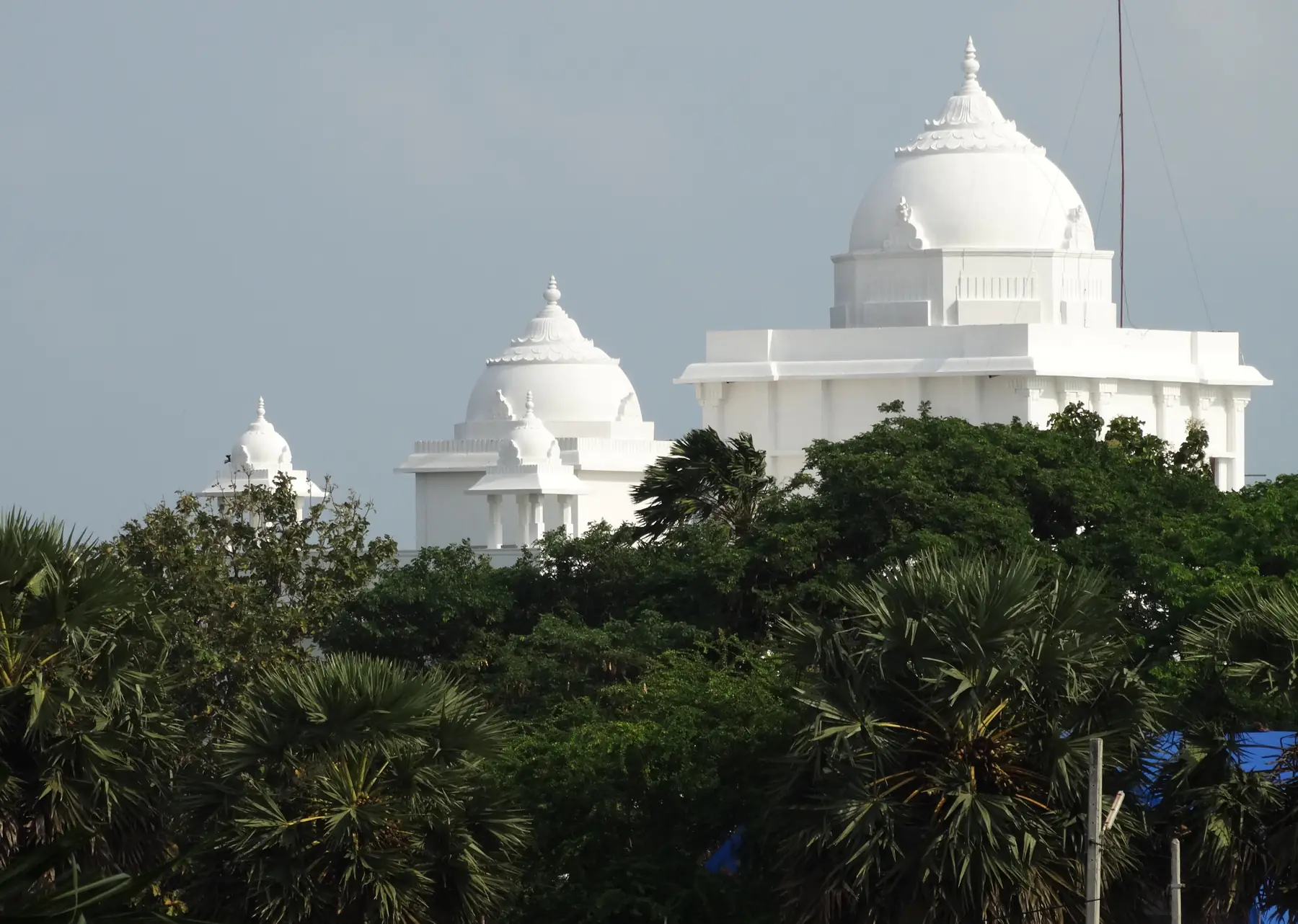
Nallur Kandaswamy Temple
Koneswaram Temple
Kataragama Sacred Precinct
Jaffna
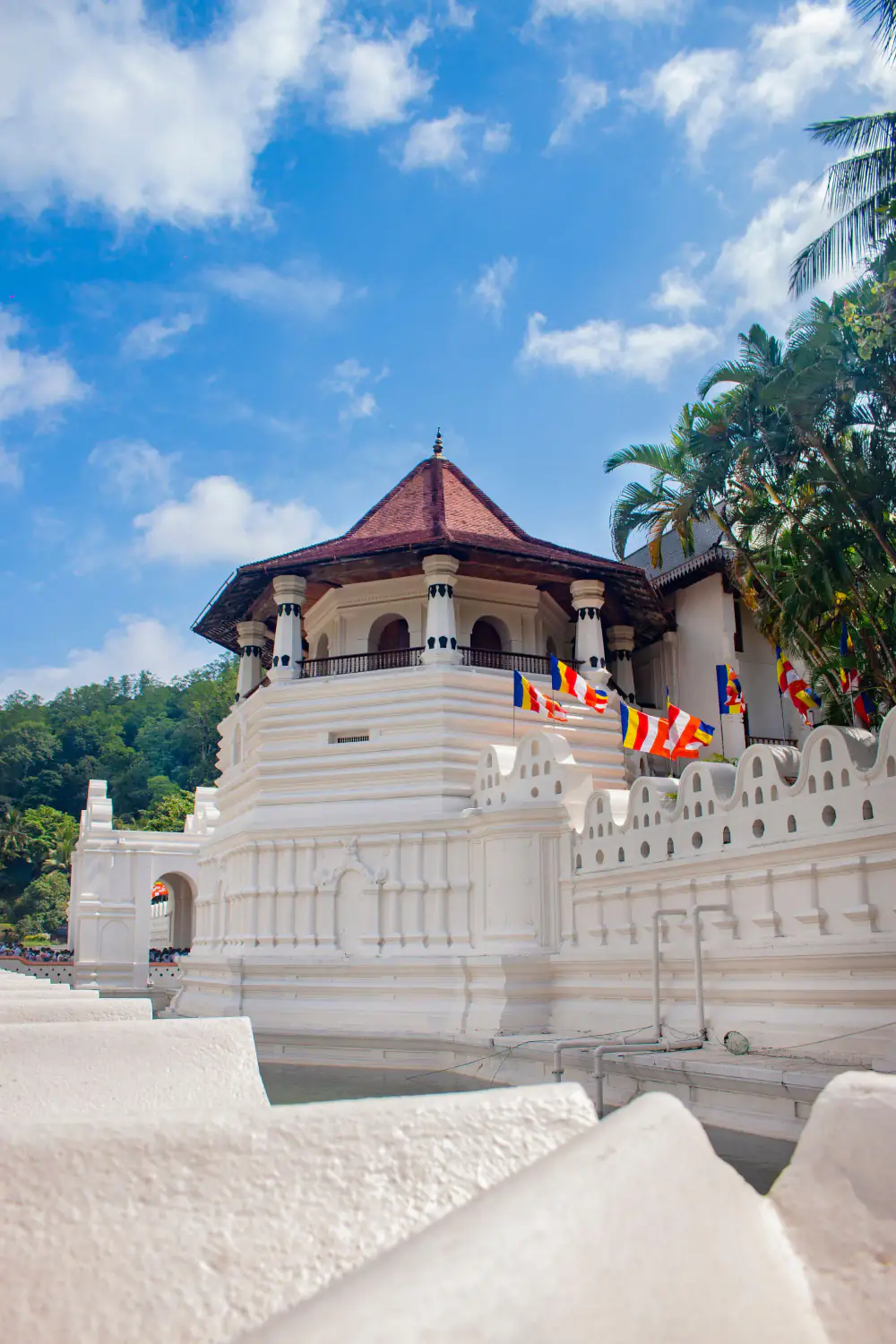
Pilgrimage & Sacred Sites
Related guides
All guides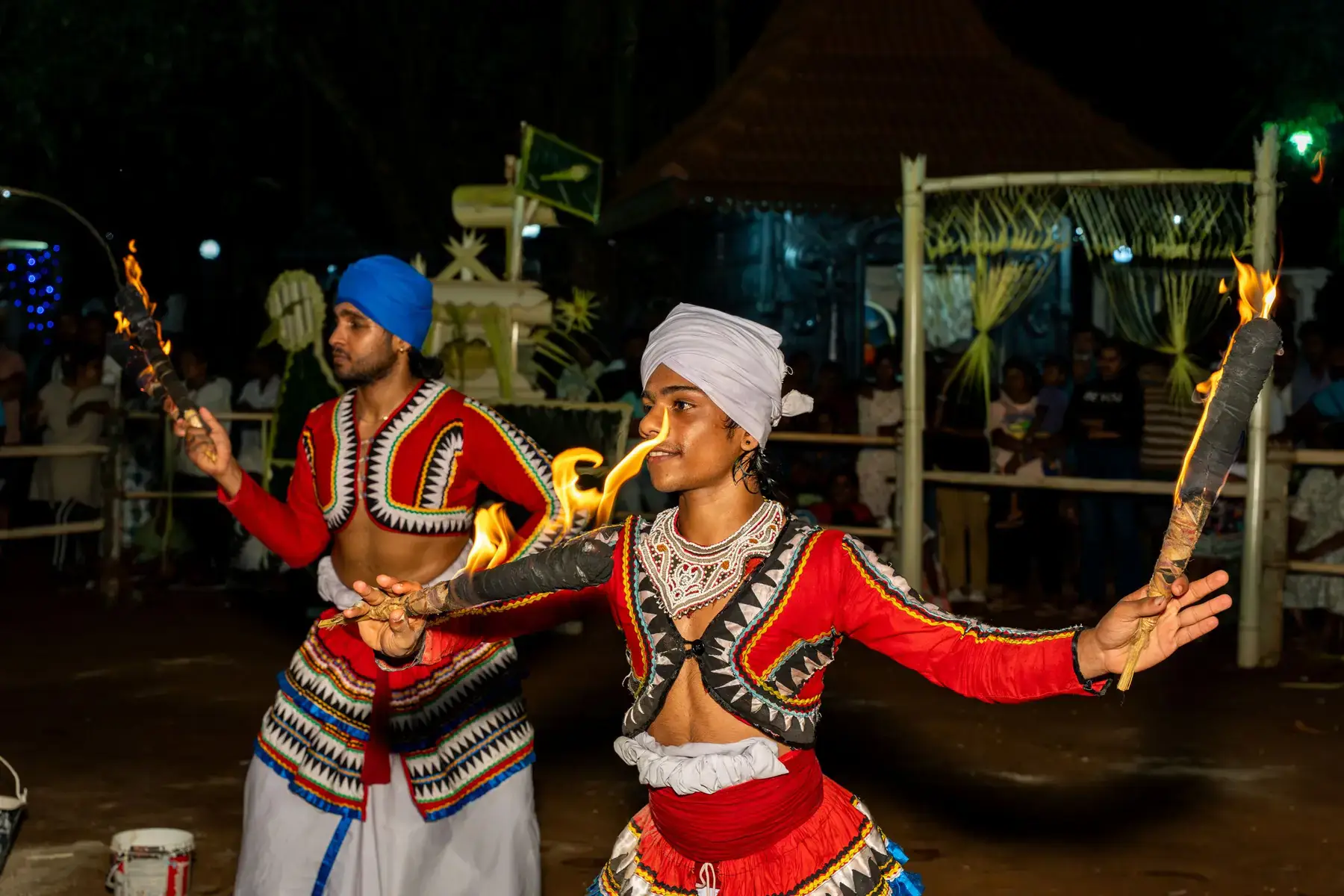
Sri Lanka Festival Calendar
A date-checking framework for Sri Lanka's religious and cultural festivals, whose exact dates and visitor arrangements change by year.
Visiting Sacred Sites: What to Know Before You Go
Prepare conservatively, then follow the current rules of each active Buddhist, Hindu, Islamic, Christian or multi-faith site.
Ferry to Sri Lanka from India
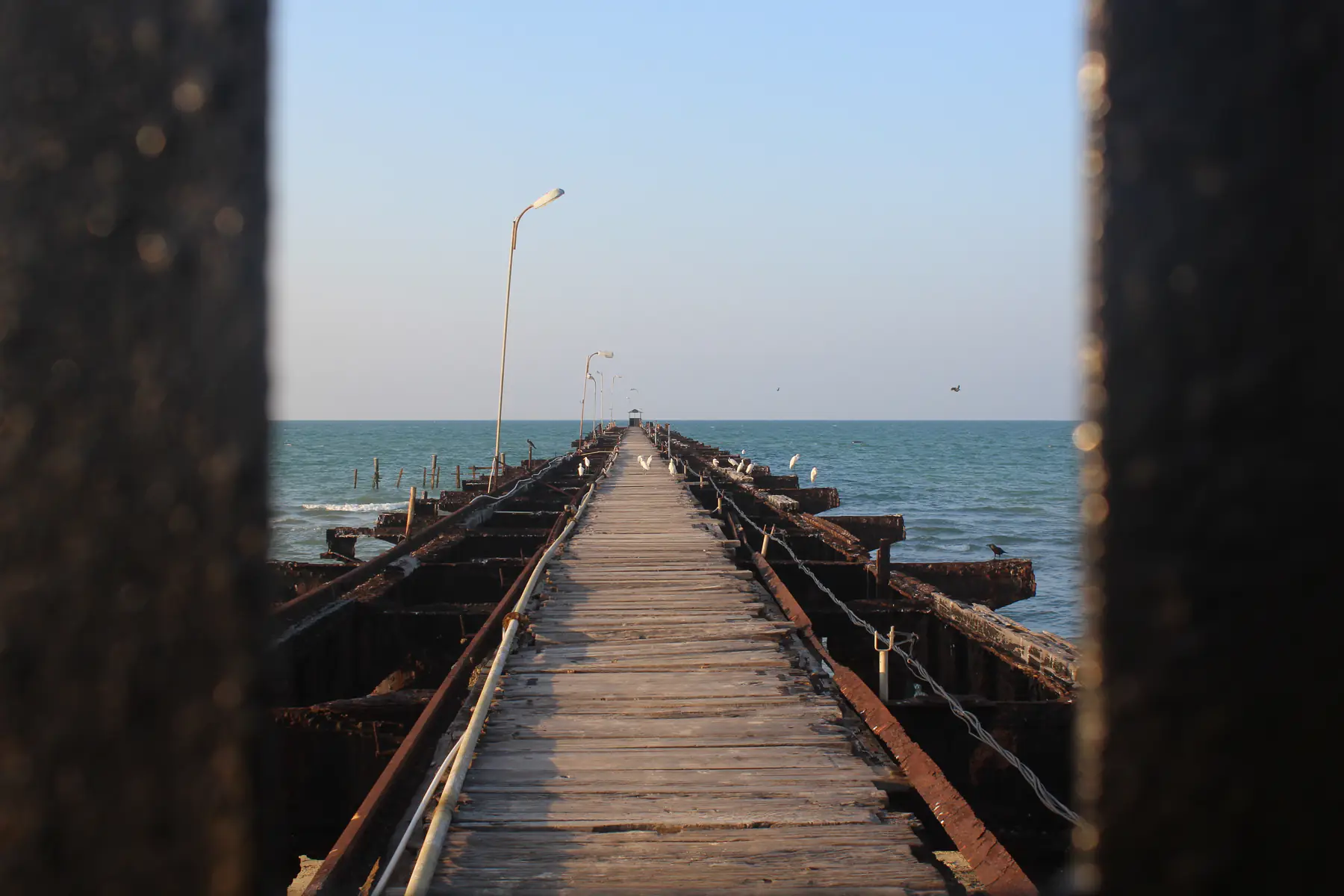
The Nagapattinam to Kankesanthurai (KKS) passenger ferry sails six days a week except Tuesdays, with no suspension reported as of 12 October 2026. It pauses for the north-east monsoon, as in 2025. Operator baggage, booking and border rules checked.