Sri Lanka Festival Calendar
A date-checking framework for Sri Lanka's religious and cultural festivals, whose exact dates and visitor arrangements change by year.
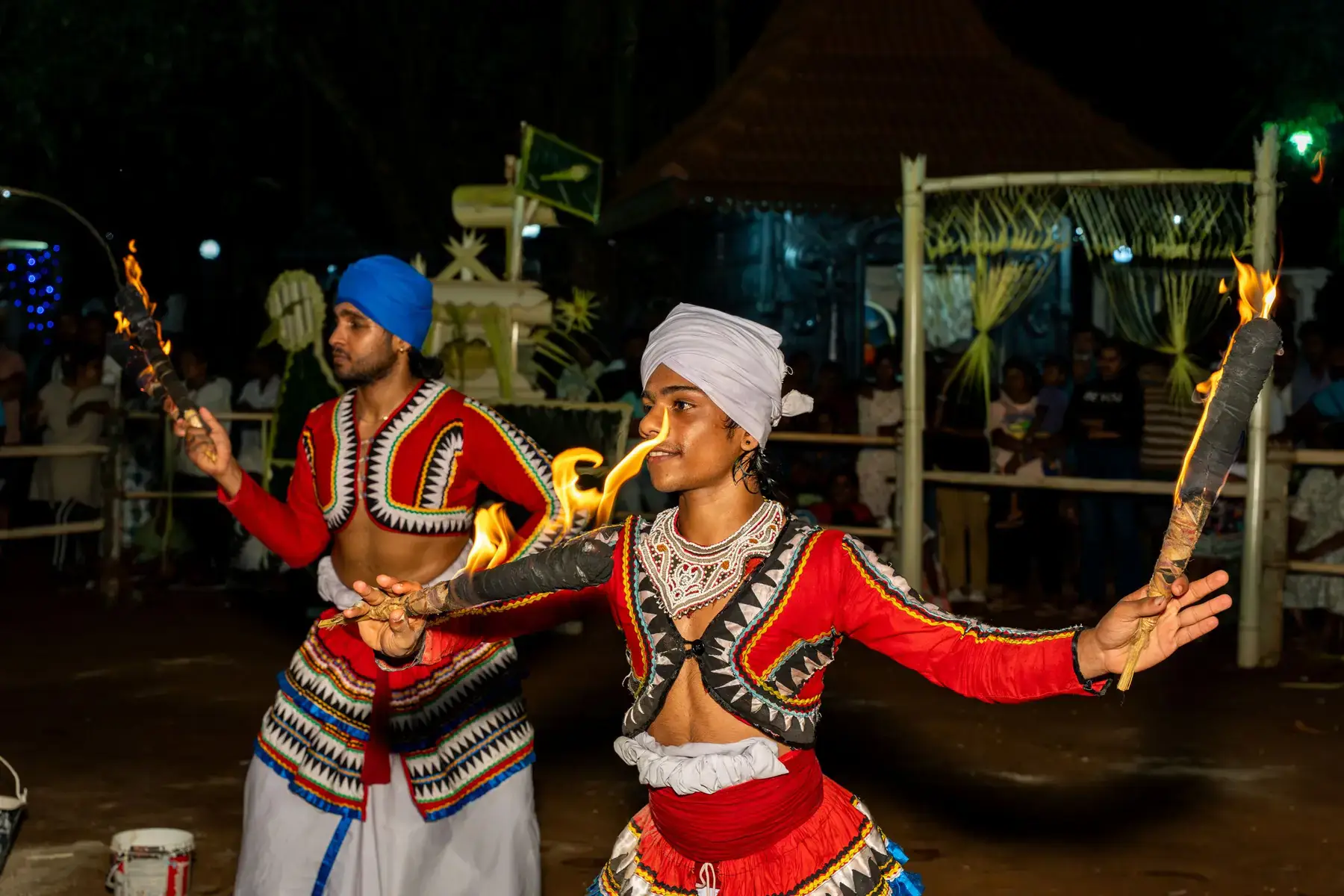
Sri Lanka's festival calendar includes Buddhist, Hindu, Muslim, Christian and national observances. Many dates follow lunar or religious calendars, so a month from an old article is not enough for travel planning.
Verify in two steps
Start with the government's or Sri Lanka Tourism's public-holiday list for the relevant year. Then verify the named event through its responsible religious institution or organiser. A public holiday does not prove that a particular procession, ceremony or visitor programme will occur.
Events that affect common routes
- Vesak and Poson: confirm the year's full-moon dates and local access at Buddhist sites.
- Kandy Esala Perahera: use the Temple of the Tooth's official announcements for exact dates, ticketing and route information.
- Kataragama festival: confirm with the precinct or responsible institutions; rituals are worship, not a scheduled tourist performance.
- Hindu, Muslim and Christian observances: use the relevant religious department and local institution instead of copying a commercial annual list.
Planning effects
Expect possible changes to accommodation demand, transport, road access, sacred-site entry and crowd controls. Decide whether participation matters enough to anchor the route. Exact dates appear only when the year, event, source and check date can sit together, as with the 2026 Nallur festival below. Recheck the current year before travel.
How to use this calendar
Use the page as a verification workflow, not as a perpetual list of dates. For each event, record:
- the exact event and location;
- the date for the relevant year;
- the government or official calendar source;
- the responsible organiser or religious institution;
- whether the event is public, ticketed, restricted or primarily for worship;
- likely transport or access changes; and
- the date on which the information was last checked.
If the official holiday list and organiser information conflict, do not guess. Keep the route flexible and contact the responsible institution.
Major planning categories
Full-moon observances
Poya days are public holidays, but a national calendar does not establish the same visitor programme at every Buddhist site. For Vesak, Poson or another full-moon observance, check the year's date first and then verify arrangements at the named destination or temple.
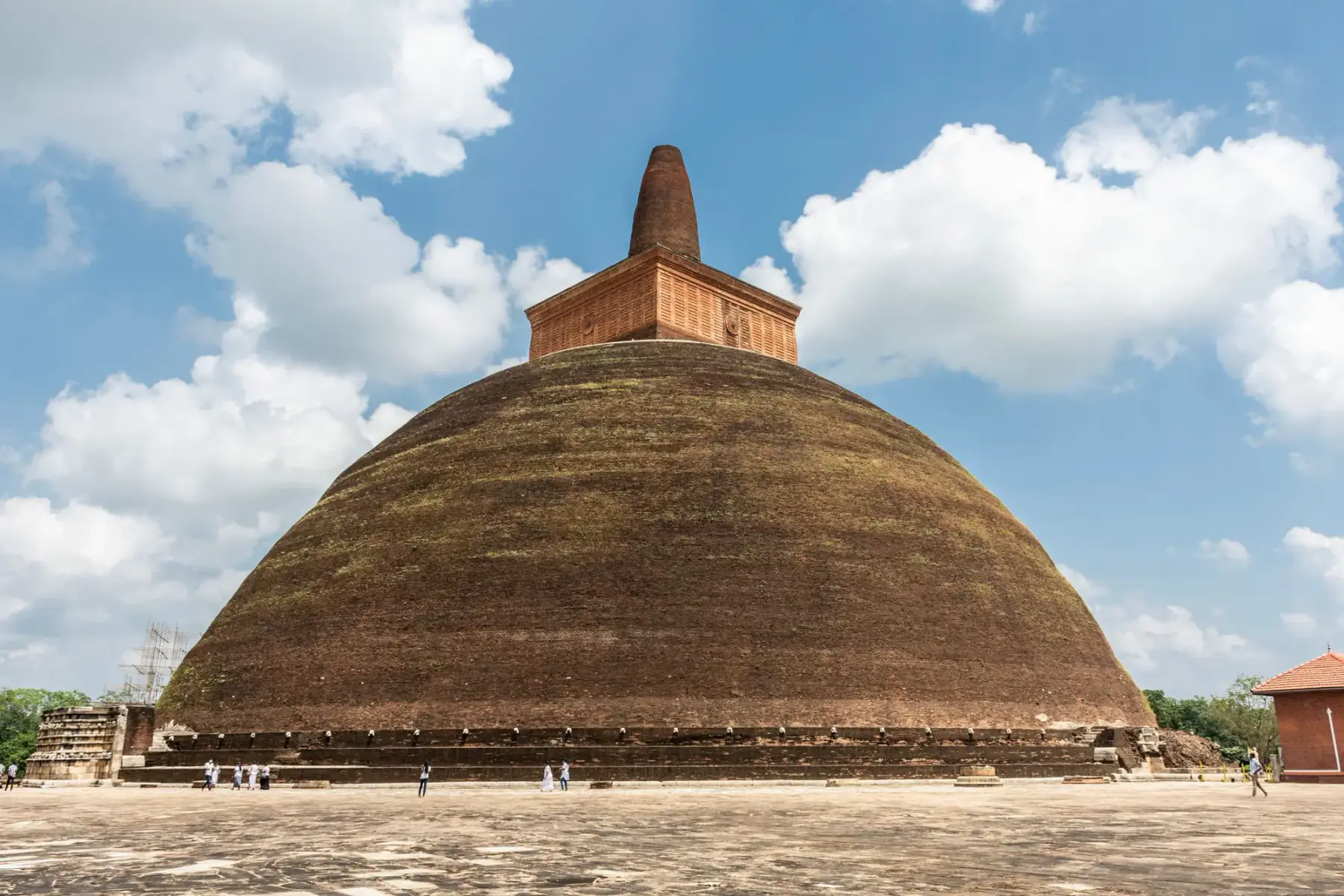
At Anuradhapura or Mihintale, worship, traffic and site management may shape the practical visit. That possibility should trigger a current check, not an invented crowd estimate.
Kandy Esala Perahera
The Temple of the Tooth is the appropriate starting point for current official information. Confirm the year's dates, route, viewing or ticket arrangements, road controls and temple access. An itinerary copied from a previous year is not operational evidence for a future event.
Decide whether the Perahera is the reason for visiting Kandy. If it is, anchor accommodation and transport around the verified dates. If it is not, compare the event period with a quieter alternative rather than assuming normal city movement.
Kataragama festival
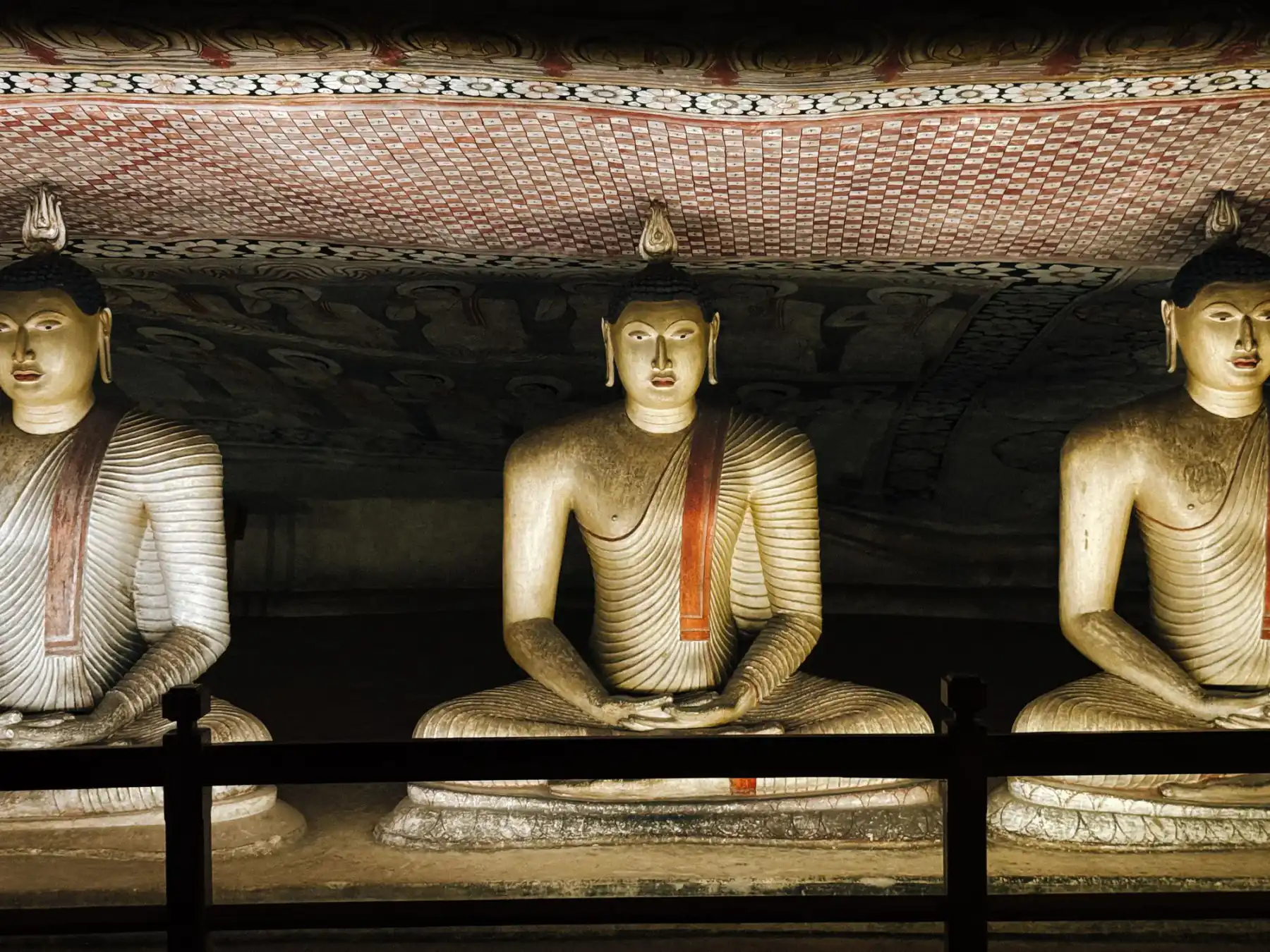
Verify the current festival through responsible institutions connected with the precinct. Kataragama contains distinct traditions and ritual spaces; avoid presenting the event as one performance for tourists. Confirm photography, access and participation rules on site.
Hindu observances
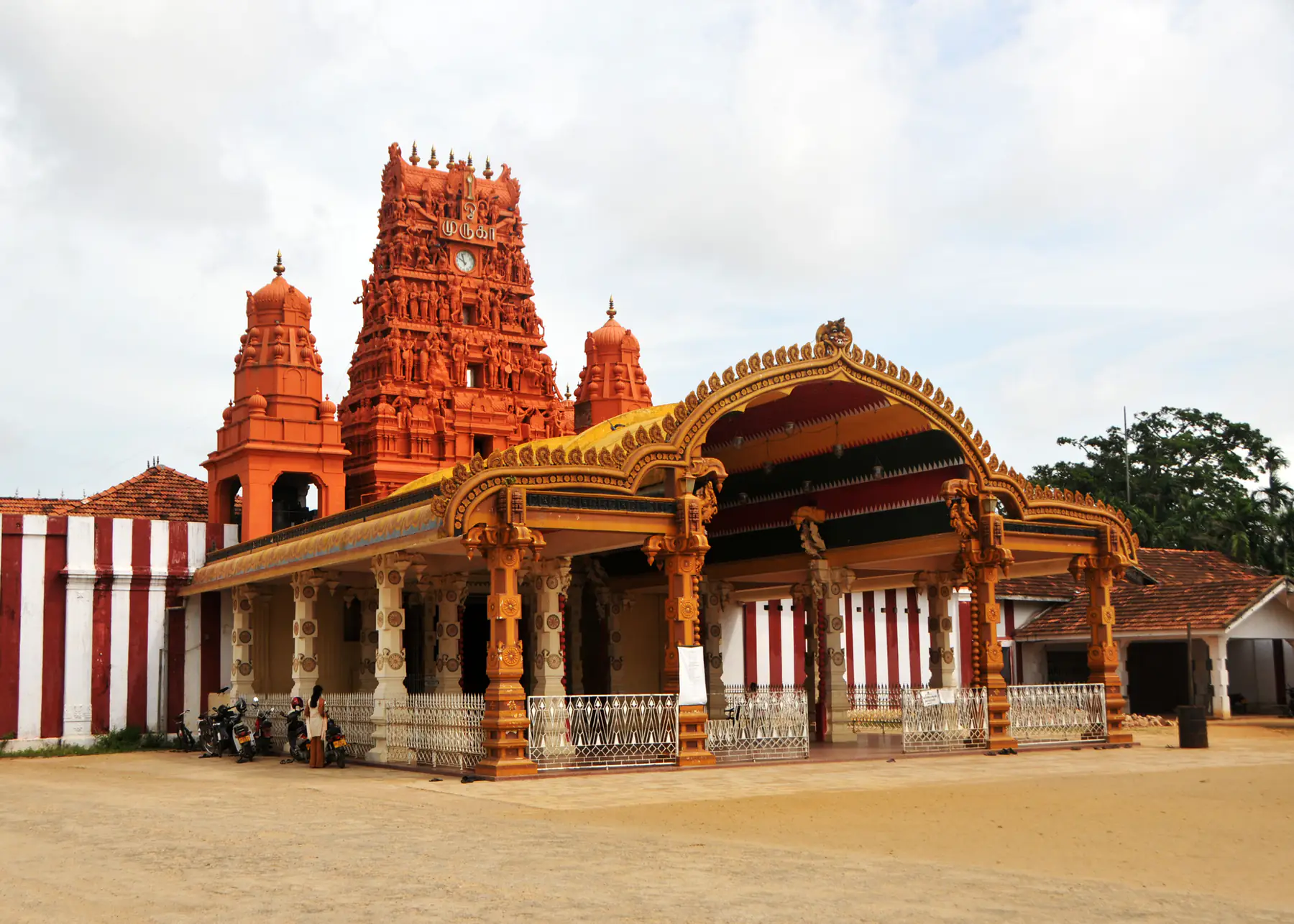
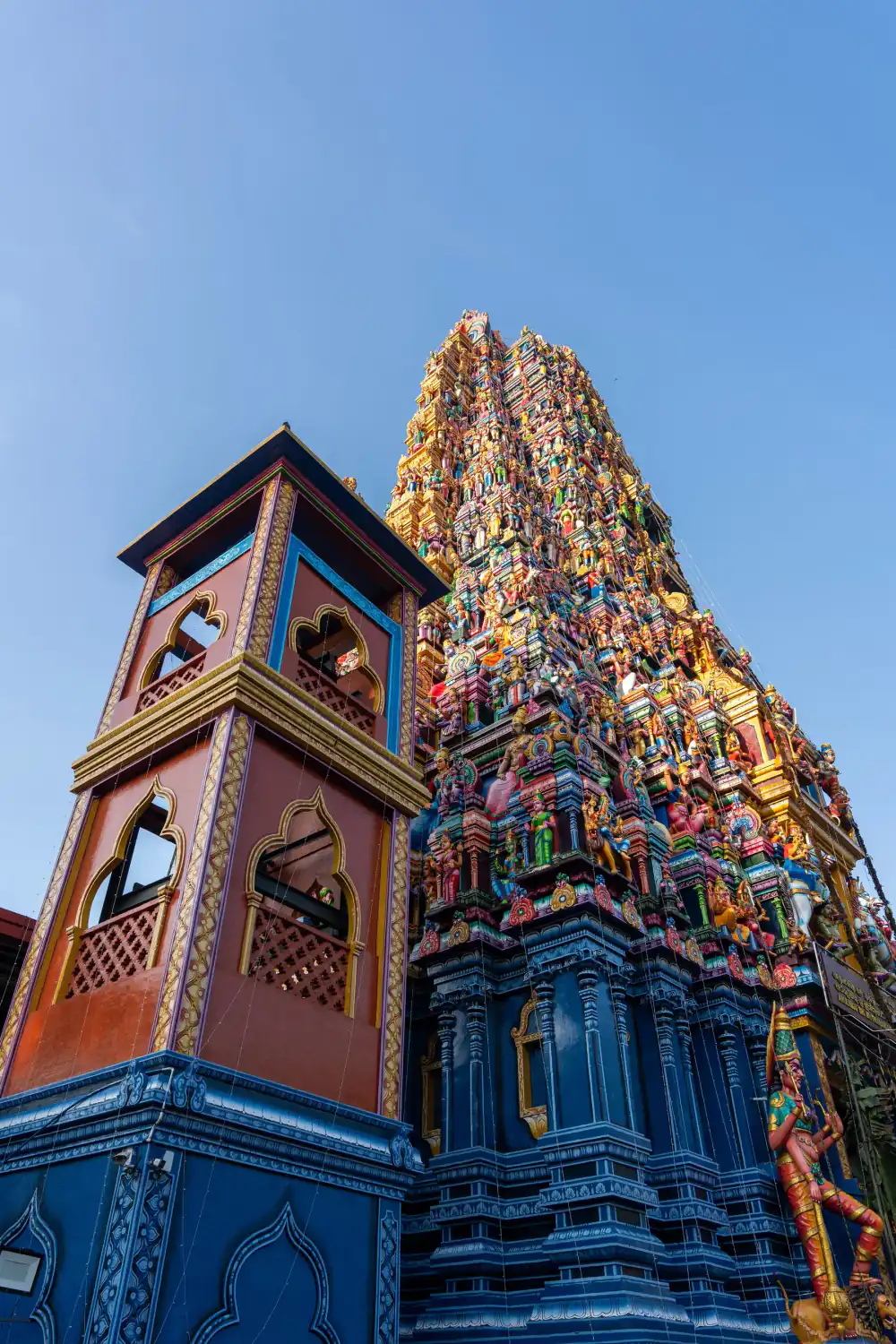
Use the Department of Hindu Religious and Cultural Affairs and the relevant temple or organising body. A national holiday name does not establish a local procession, temple schedule or visitor access. For Nallur, Koneswaram or another named temple, seek institution-specific information.
Deepavali 2026: Sunday 8 November
The Central Bank of Sri Lanka's 2026 holiday list, re-checked on 16 October 2026, has Deepawali Festival Day on Sunday 8 November 2026 as a bank and public holiday (CBSL bank holidays 2026). It is not listed as a mercantile holiday. The same festival is spelled Deepavali and, in much of India, called Diwali.
| Event | 2026 date | Status | Source |
|---|---|---|---|
| Deepawali Festival Day | Sunday 8 November 2026 | Bank and public holiday | CBSL 2026 list, checked 16 October 2026 |
The holiday date does not tell you what a particular temple will hold. We found no official 2026 Deepavali programme from Nallur, Koneswaram or Kataragama, so none is listed here. Ask the temple you plan to visit. The Sri Lanka in November guide covers Diwali in Sri Lanka with the month's weather, and the Hindu temple circuit helps you pick one region.
Nallur festival 2026 (past)
The Nallur Kandaswamy Temple history page says the annual Mahotsavam starts with flag hoisting on the sixth day after Aadi Amavasai and runs for 25 days. Dates move with the lunar calendar.
For 2026, Thamilan Win (17 May 2026) reported the programme given to the Jaffna Municipal Council:
| Event | 2026 date | Source |
|---|---|---|
| Flag hoisting (Kodiyetram) | 17 August 2026 | Thamilan Win, 17 May 2026 |
| Chariot festival (Ther), 24th day | 9 September 2026 | Thamilan Win; same-day reports on 9 September |
| Theertham | 10 September 2026 | Thamilan Win; Tamilwin, 9 September 2026 |
Kuriyeedu (9 September 2026) reported that the chariot festival took place that morning. The temple's own website did not publish a 2026 programme that we could find. The 2026 Mahotsavam has finished. On 11 October 2026 the temple site had not published 2027 dates. Dress, hours and pooja times stay on the Nallur place page.
Sri Lanka Tourism's festivals page, read on 15 October 2026, describes the Kandy Esala Perahera. It did not list these Nallur 2026 dates.
Muslim observances
Islamic dates may depend on the applicable religious calendar and official announcement. Use the Department of Muslim Religious and Cultural Affairs and the responsible mosque or institution. Do not infer a mosque's visitor arrangements or prayer access from a tourism festival list.
Christian observances
Use the Department of Christian Religious Affairs, relevant denomination and local church. Easter, Christmas and a church feast can affect worship and access differently. Confirm whether a visitor is attending a service, observing an event or visiting at another time. In 2026 the CBSL list has Christmas Day on Friday 25 December, two days after Unduwap Full Moon Poya Day on Wednesday 23 December. The Sri Lanka in December guide covers planning for that week.
National observances
Government public-holiday information is the primary source for official status. National events may affect offices, roads, transport or opening arrangements, but the effect varies by place. Check the institution that controls the activity you intend to do.
Should you plan a trip around a festival?
Plan around a festival when it is a genuine priority and the visitor understands the religious or cultural setting. Do not add one merely because a travel list describes it as “must see.” A festival-led trip may require more advance accommodation planning, road alternatives and patience with access controls.
Ask:
- Is the event the purpose of this destination?
- Has the current date been confirmed twice?
- Is attendance open, restricted or ticketed?
- Can the traveller participate respectfully?
- What happens if the route or timing changes?
- Does the itinerary still work if photography or close access is restricted?
For 2027 holiday dates by month, with weather and where to go, see Sri Lanka in February (Navam Perahera), Sri Lanka in March and Sri Lanka in April (Sinhala and Tamil New Year).
Checking transport and closures
After confirming the event, check Sri Lanka Railways notices, National Transport Commission information and local road guidance as relevant. A public holiday does not automatically mean every service stops, and a festival page does not prove a particular train or bus runs.
Keep fixed international travel separate from an uncertain same-day festival transfer. Recheck near departure because crowd and traffic controls can be announced after the original booking.
A publishable date standard
Only publish an exact festival date when the year, event, source and verification date appear together. Remove or update the date after the event rather than allowing it to look evergreen. This protects travellers from stale planning advice and keeps religious observances from being reduced to reusable tourism copy.
Sources
Last verified 2026-10-16
- https://www.cbsl.gov.lk/en/about/about-the-bank/bank-holidays-2026
- https://www.srilanka.travel/festivals_year_around
- https://www.srilanka.travel/index.php?information_id=223&route=information%2Finformation
- https://sridaladamaligawa.lk/
- https://nallurkandaswamydevasthanam.org/en/history/
- https://www.thamilanwin.com/News/nallur-kandaswamy-temple-festival-2026-announce
- https://kuriyeedu.com/?p=23268
- https://tamilwin.com/article/nallur-festival-2026-1788923115
Covered in this guide
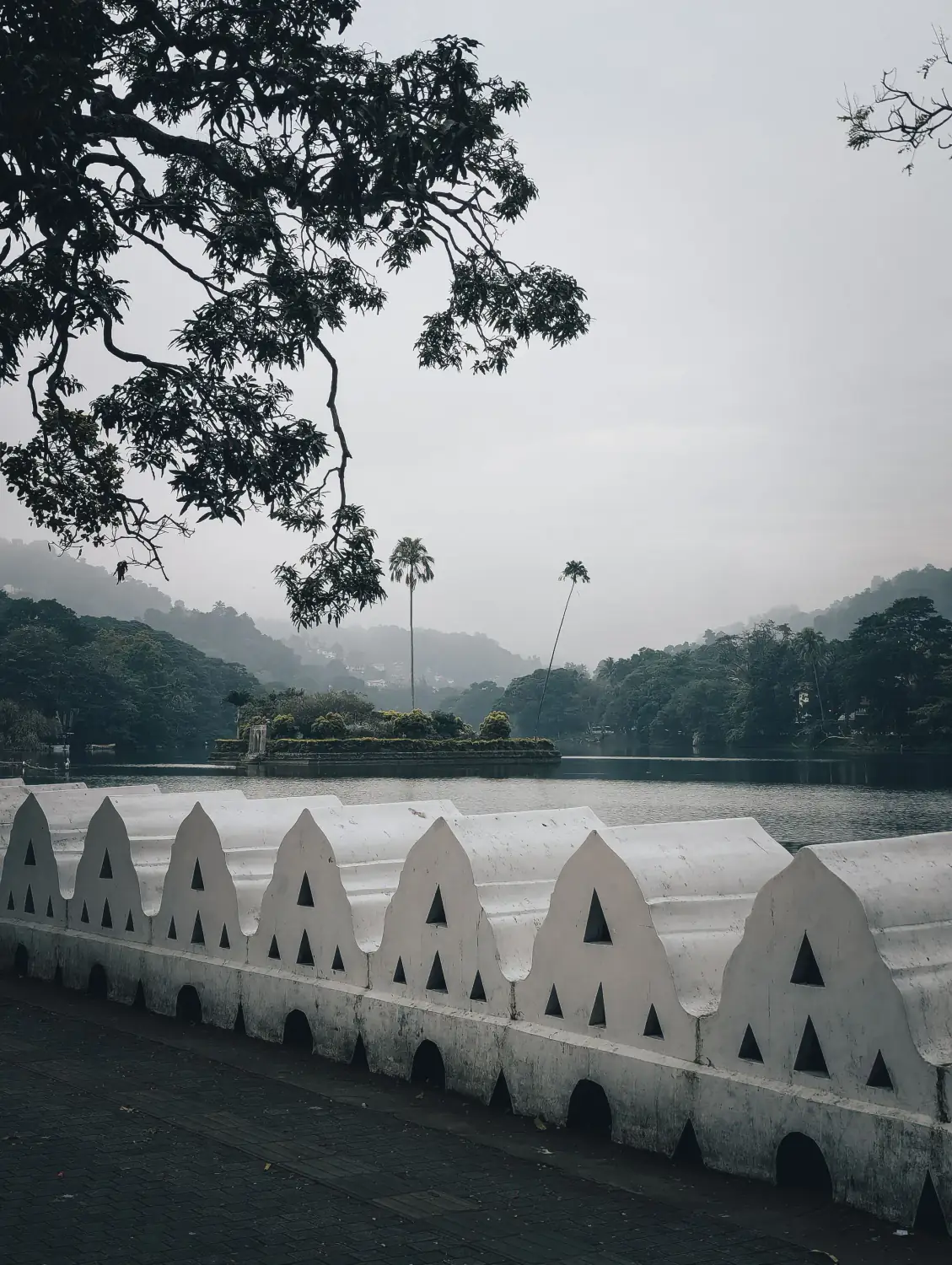
Kandy
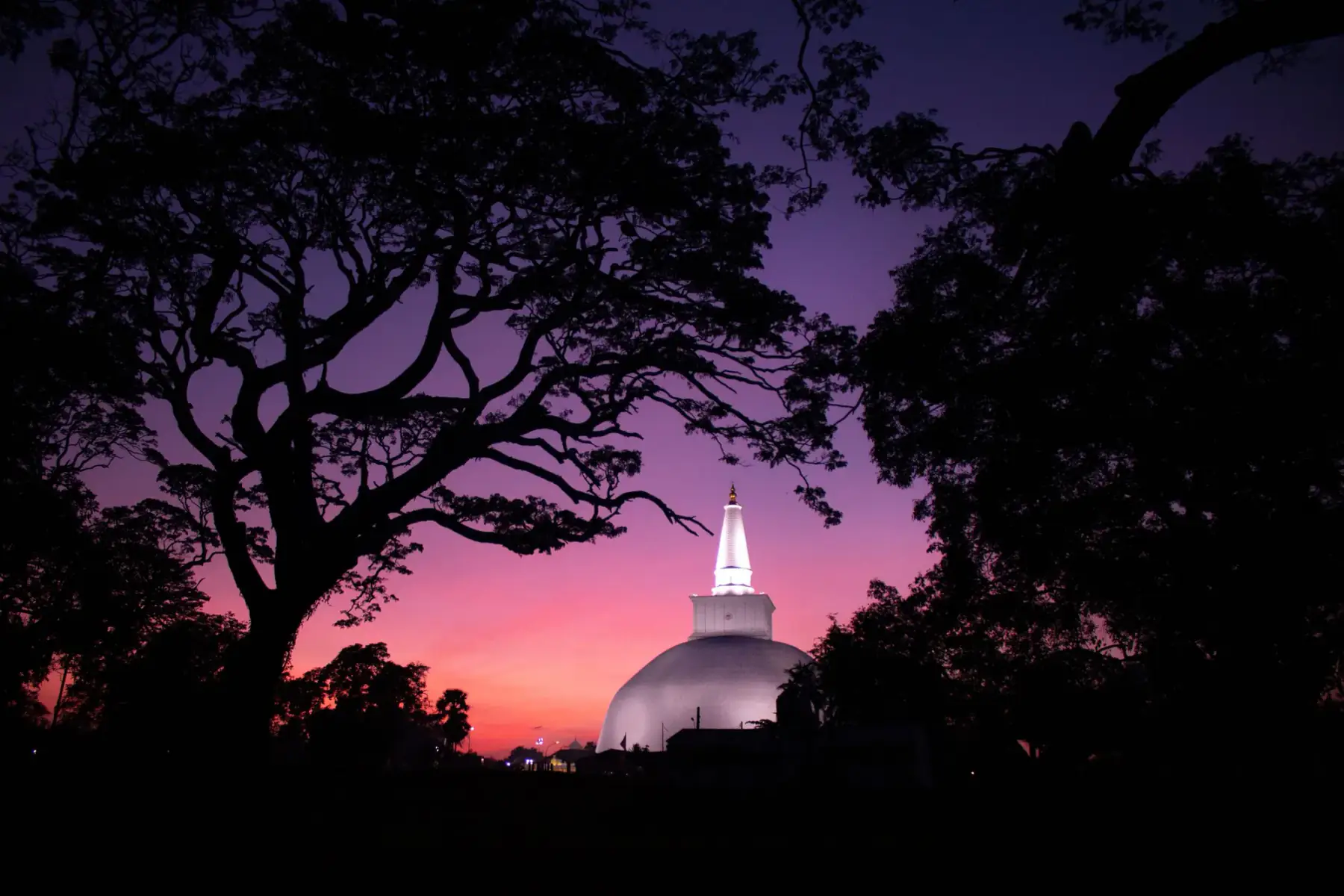
Anuradhapura
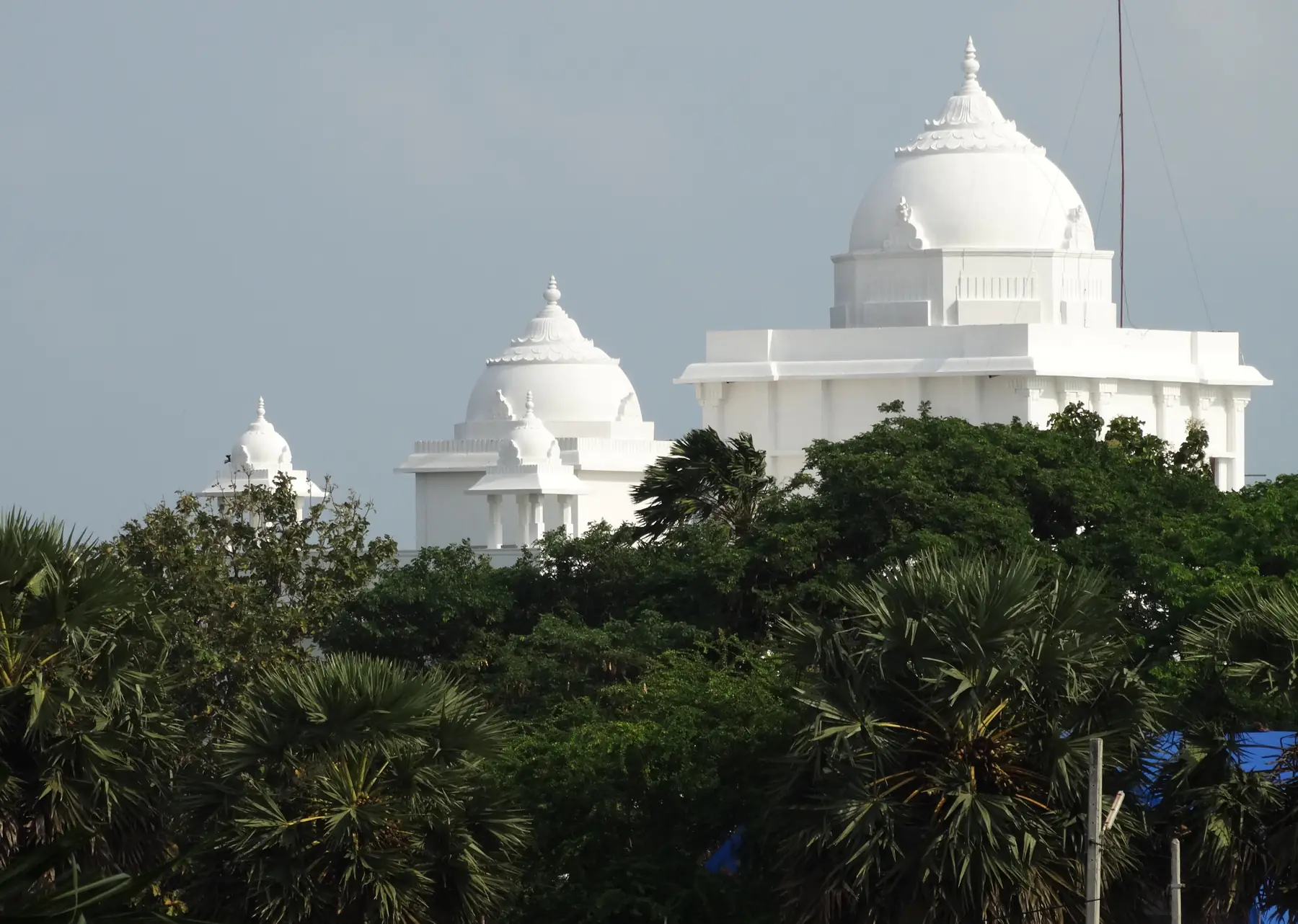
Jaffna
Mihintale
Kataragama Sacred Precinct
Nallur Kandaswamy Temple
Buddhist Pilgrimage Circuit
Hindu Temple Circuit
Sri Lanka in November
Sri Lanka in December
Related guides
All guidesHindu Temple Circuit
A realistic regional-choice guide for active Hindu temples in Jaffna, Trincomalee and Kataragama.
Sri Lanka in November
November is one of Sri Lanka's wetter months island-wide, and the Department of Meteorology expects above-normal rain in November 2026. How to plan around it, where to go, and what opens, checked 12 October 2026.
Ferry to Sri Lanka from India
The Nagapattinam to Kankesanthurai (KKS) passenger ferry sails six days a week except Tuesdays, with no suspension reported as of 12 October 2026. It pauses for the north-east monsoon, as in 2025. Operator baggage, booking and border rules checked.