Sri Lanka for Muslim Travellers
A verification-first planning framework for Muslim travellers, using public HAC certification material and the government mosque register without overstating what either source proves.
This guide is intentionally kept as a noindex draft until its practical claims can be verified place by place. It does not make an island-wide promise about halal food, certification, mosques, or hotel prayer facilities.
Start with the right public sources
The Halal Assessment Council (HAC) publishes a halal directory and explains that its logo identifies a product or food premise that is covered by a valid HAC certificate. That matters: an HAC result can support a precise certification claim, but it does not prove that every item at a restaurant is suitable, that every branch is covered, or that the certificate is still current without checking its details.
For prayer planning, the Department of Muslim Religious and Cultural Affairs publishes a registered-mosque list organised by district, including Colombo, Galle and Kandy. Treat it as a starting point for finding a mosque in the relevant district, then confirm access, opening times, visitor arrangements and the exact location directly before travelling. The public register does not by itself prove a particular prayer room, hotel facility or Friday-prayer arrangement.
What needs checking for a real trip
For a specific itinerary, begin with HAC's current directory or a venue's current HAC certificate where available. Confirm halal status directly with the named restaurant or hotel, confirm prayer access with the relevant mosque or accommodation, and record the date of the confirmation. Do not rely on a generic destination label, an old directory listing, Muslim ownership, or an unverified map entry.
What this site will publish later
The publishable version will list only named, dated, directly verified information. Each entry must identify the location, the specific claim, its source or direct confirmation, the check date, and the reviewer. Information that cannot meet that standard stays out.
Why the limit matters
This is more useful than a confident-looking but stale guide. A Muslim traveller needs reliable details for the exact places in their route, not a broad assertion that may be wrong by the time they arrive.
Build the route location by location
For each overnight base, create two separate records: prayer and food. Do not let a verified mosque stand in for food evidence or a certified food premise stand in for prayer access.
| Need | Starting source | Direct confirmation required |
|---|---|---|
| Registered mosque | Department mosque list by district | Exact location, access, current prayer arrangements and visitor guidance |
| HAC-certified premise or product | HAC directory or current certificate | Covered branch, scope, validity and whether the intended item is included |
| Hotel prayer facility | Property's current written response | Space, direction information, privacy and access time |
| Suhoor or late/early meal | Property or named restaurant | Exact date, serving time, advance request and menu suitability |
| Friday prayer | Responsible mosque | Current time, access, language or visitor information where relevant |
Record who confirmed the information, how and on what date.
Understanding HAC evidence
An HAC logo or directory result should be read precisely. Confirm the name of the certified business or product, branch or location, certificate scope and validity. Do not extend one certificate to an unaffiliated branch or every item sold at a mixed premises.
If the venue makes a halal claim without current certification, ask what the claim is based on and decide whether it meets the traveller's own requirements. This guide cannot issue a religious ruling or substitute for the traveller's trusted authority.
Mosque planning
The government register can identify mosques by district. Before routing a journey around one, verify the address and current access directly. Ask whether the intended prayer is available to visitors, whether facilities for women or families are relevant and available, and whether a religious date changes the arrangement.
Do not publish an exact prayer time as evergreen content. Times and local arrangements require a current check.
Accommodation questions
Before booking, ask the property:
- whether it provides a suitable prayer space or only space in the room;
- whether direction information is available;
- whether early breakfast, suhoor or late meals can be arranged for the dates;
- how food is sourced and whether any HAC certification applies to the premises or product;
- whether alcohol is served or stored in the same dining area, if that matters to the traveller; and
- whether the written response can be attached to the reservation.
A property describing itself as “Muslim-friendly” is not enough. Break the phrase into the facilities the traveller actually needs.
Planning Ramadan or an Eid period
Confirm dates and local arrangements through the Department of Muslim Religious and Cultural Affairs or another responsible religious source. Ask accommodation and transport providers how early or late meals, check-in and travel interact with the intended observance. Do not assume that a tourism business changes its normal service automatically.
This content does not advise whether a person should fast while travelling; individual religious and health questions belong with trusted qualified guidance.
A verification log for publication
Any future venue entry should contain:
- exact name and address;
- the narrow claim being made;
- primary source or direct written confirmation;
- certification scope and validity where relevant;
- check date;
- reviewer identity; and
- next review date.
An entry should be removed when it cannot be reverified. Until enough locations meet this standard, the guide remains noindex rather than presenting an unreliable national directory.
Sources
Last verified 2026-08-28
Covered in this guide

Sri Pada (Adam's Peak)
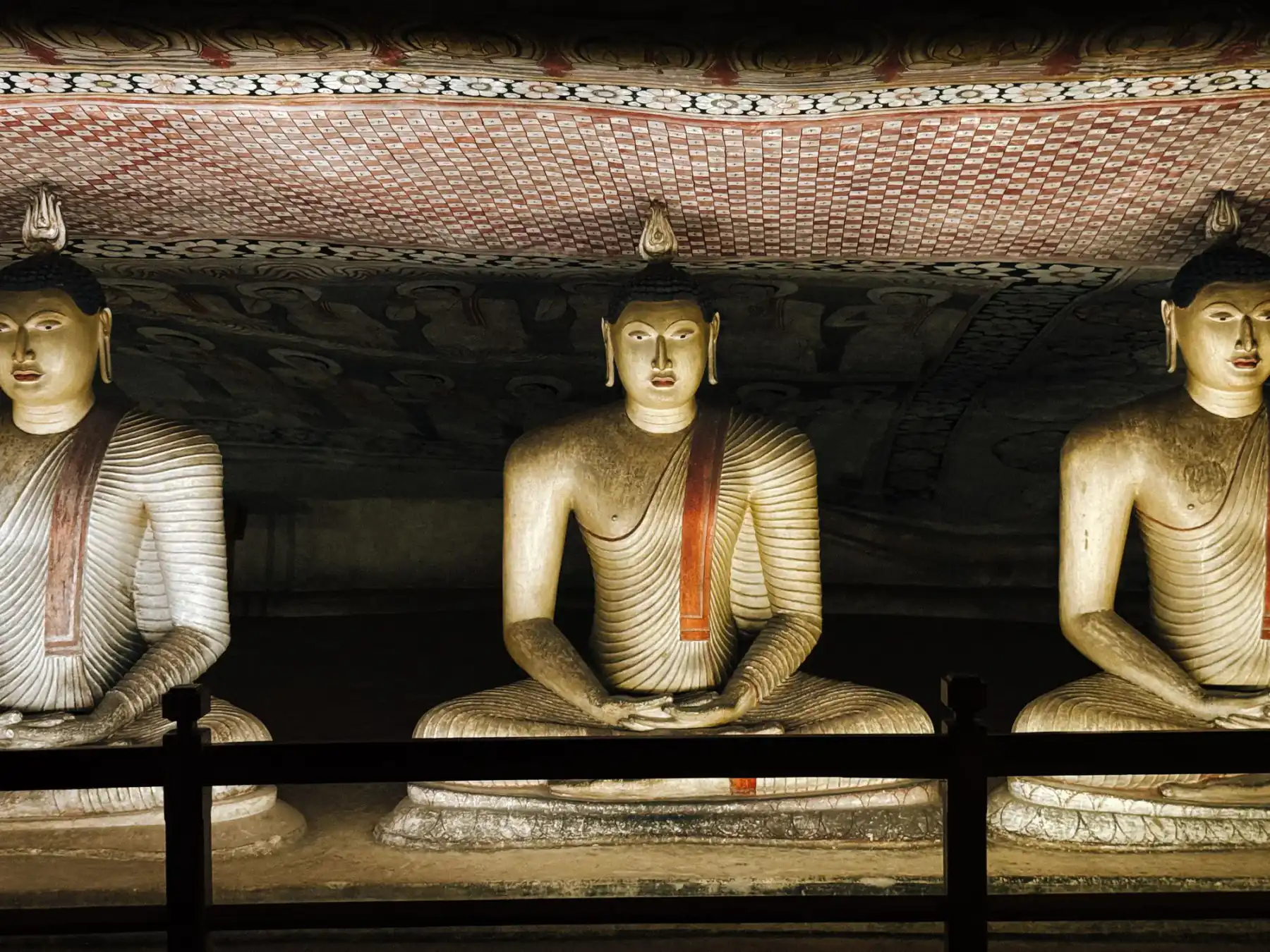
Kataragama Sacred Precinct
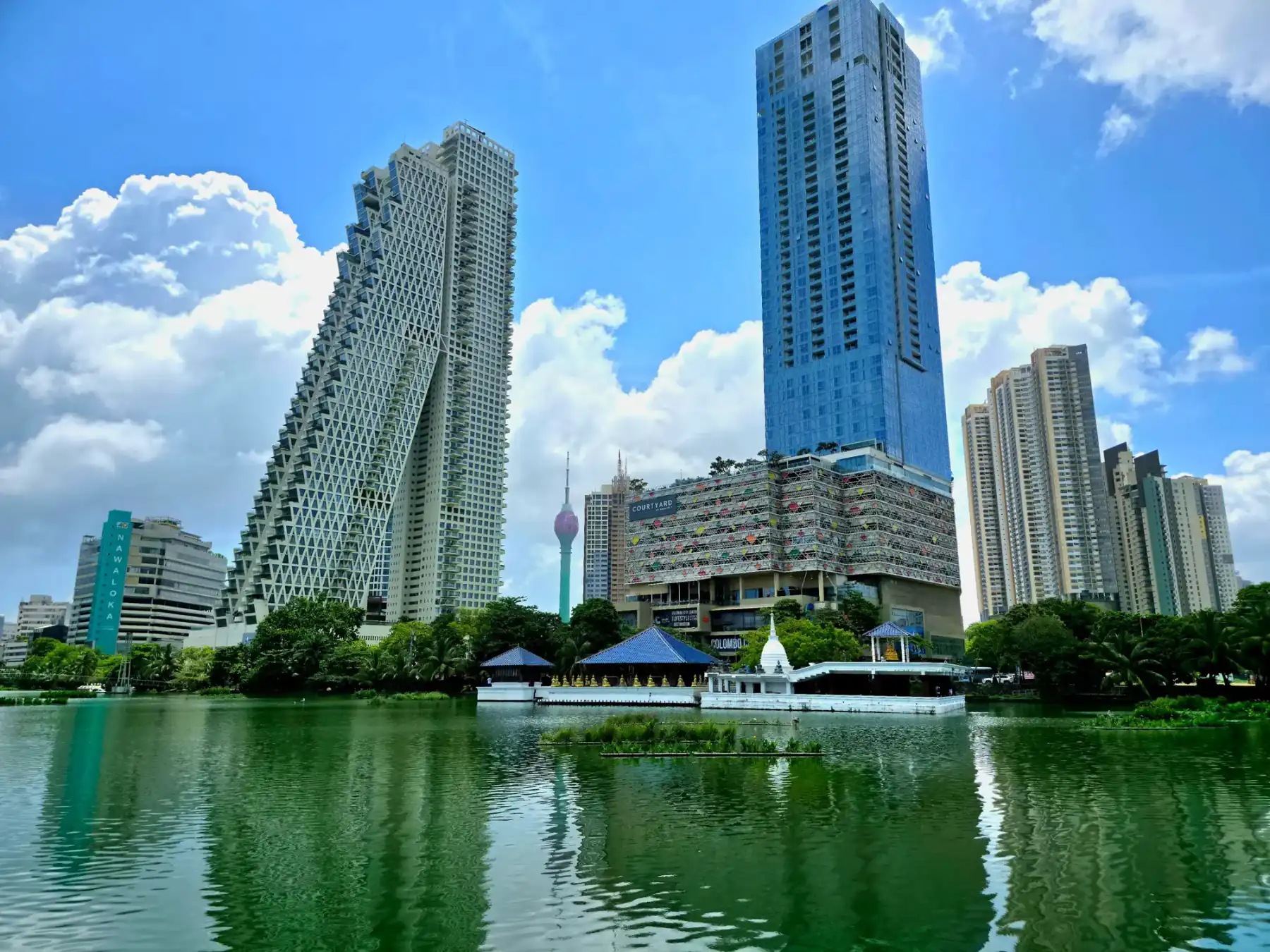
Colombo
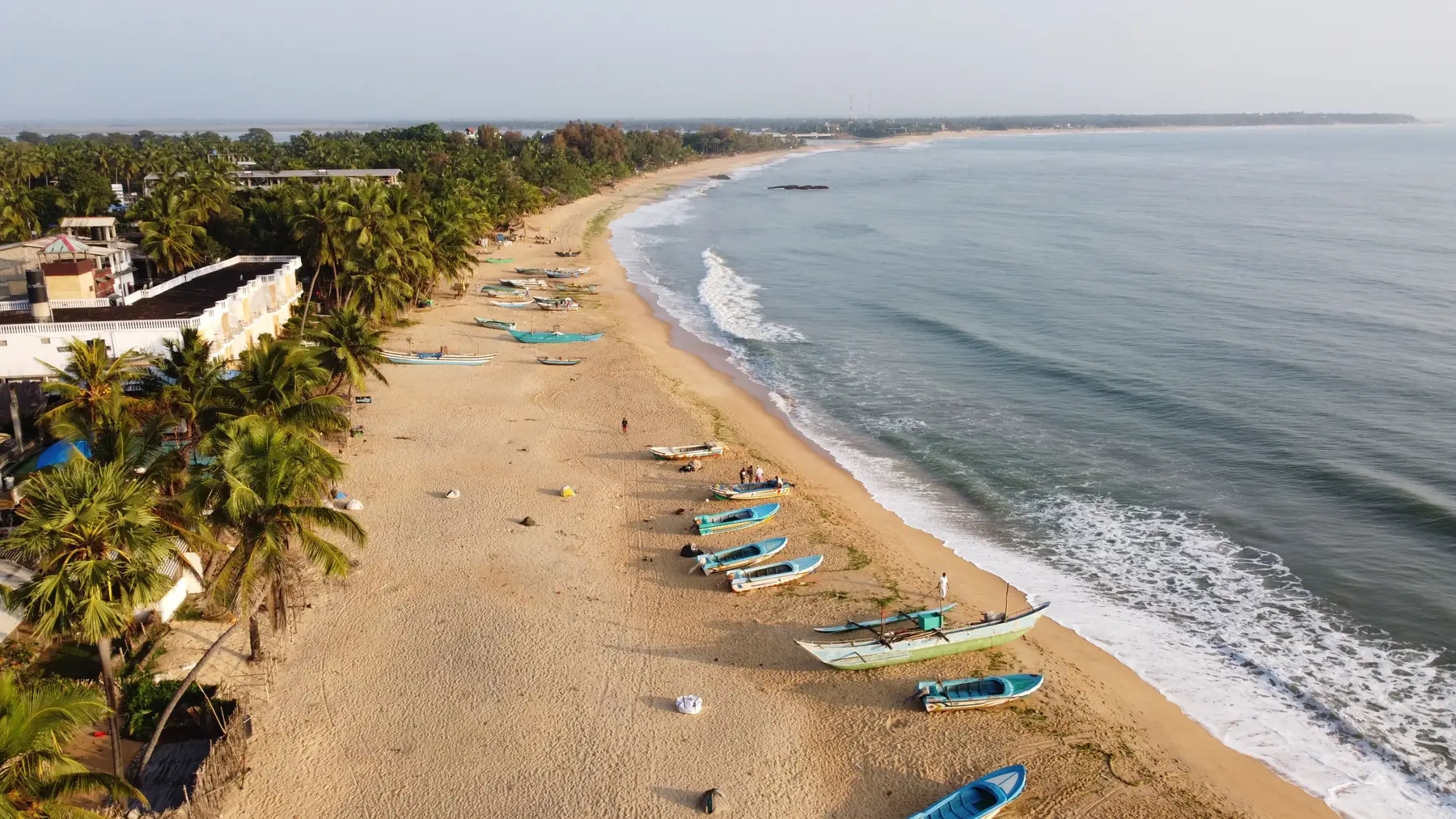
Arugam Bay
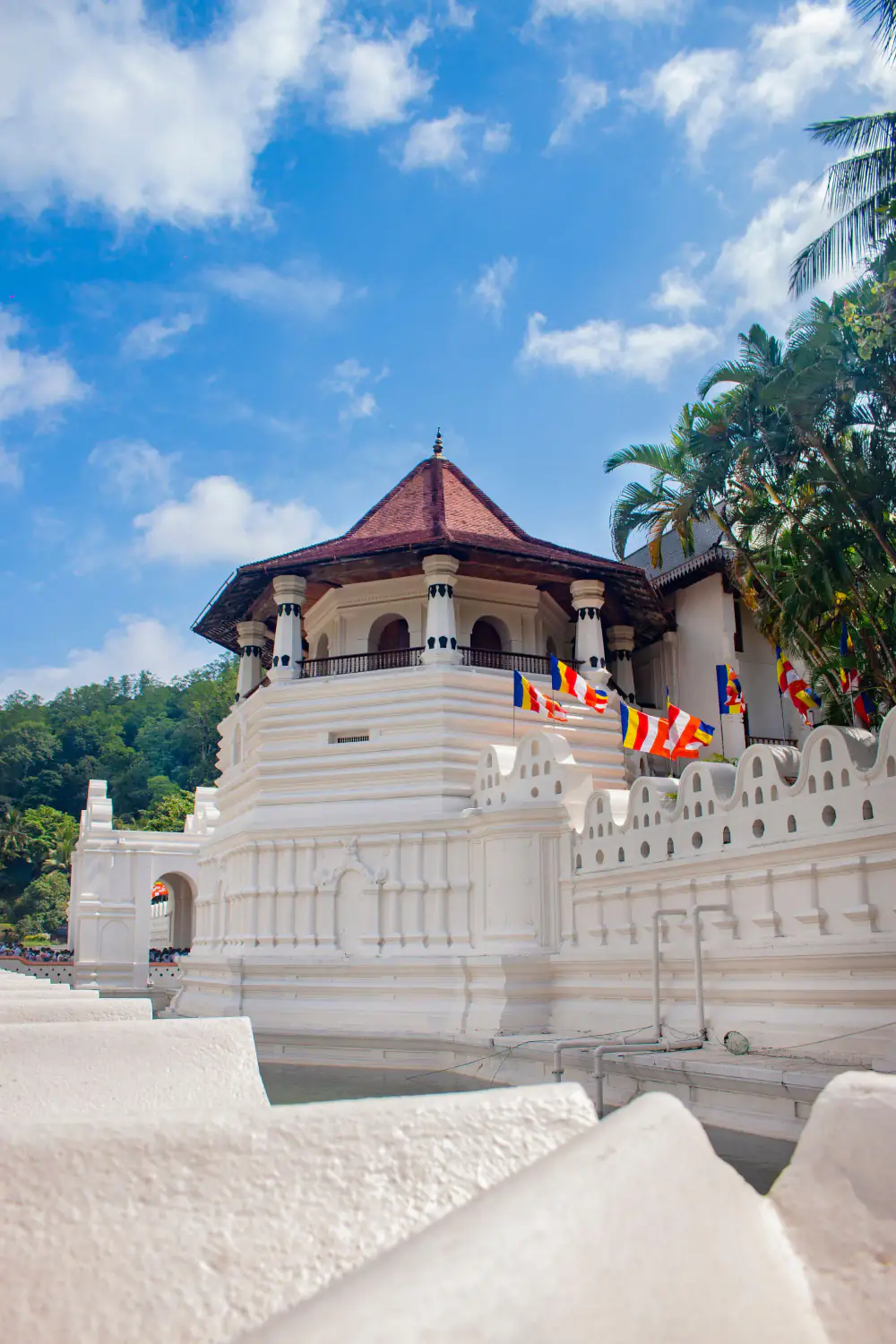
Pilgrimage & Sacred Sites
Related guides
All guides
Kataragama and Multi-Faith Pilgrimage
A culturally careful planning guide to Kataragama's active pilgrimage precinct and its tradition-specific practices.
Visiting Sacred Sites: What to Know Before You Go
Prepare conservatively, then follow the current rules of each active Buddhist, Hindu, Islamic, Christian or multi-faith site.
Buddhist Pilgrimage Circuit
A flexible route framework for active Buddhist sites in Anuradhapura, Mihintale and Kandy, with Sri Pada treated separately.