Buddhist Pilgrimage Circuit
A flexible route framework for active Buddhist sites in Anuradhapura, Mihintale and Kandy, with Sri Pada treated separately.
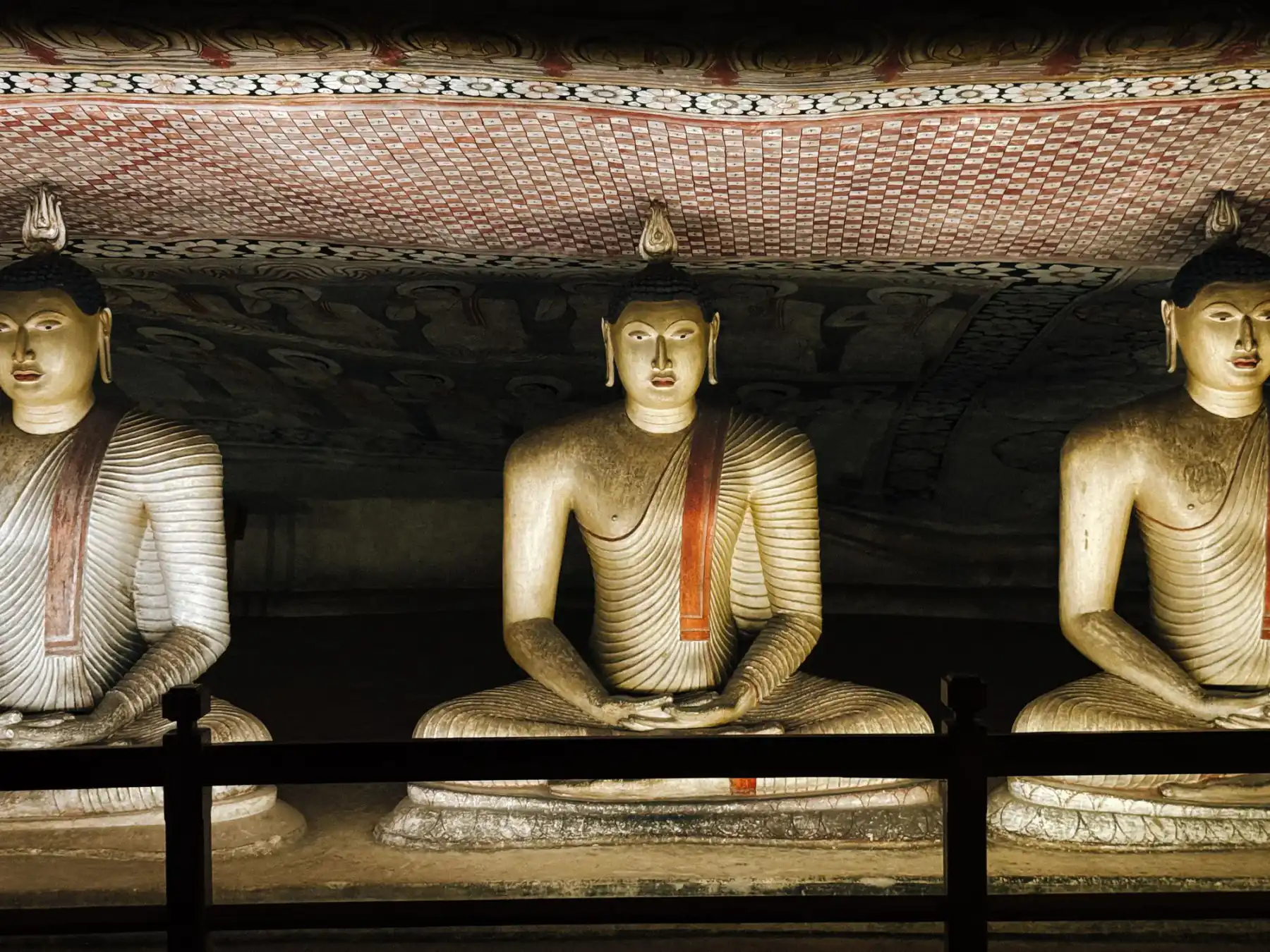
A Buddhist pilgrimage route can connect Anuradhapura, Mihintale and Kandy, but it should follow worship priorities and current access rather than a race through every monument.
Core route
Begin with Anuradhapura, choosing a limited set such as Jaya Sri Maha Bodhi and Ruwanwelisaya. Give Mihintale its own block if hillside access and transport fit. Treat Kandy and the Temple of the Tooth as living ritual settings.
Sri Pada is a separate decision
Sri Pada is a demanding mountain pilgrimage with multi-tradition significance. Add it only after checking route, weather, physical demand and transport; it is not a casual extension.
Dates and conduct
Religious calendars and ceremonies affect access and crowd management. Verify current dates with responsible institutions. Check clothing, footwear, offerings and photography at every site. Use the Cultural Triangle itinerary for sequencing and the sacred-site etiquette guide before arrival.
How to structure the pilgrimage
Anuradhapura: choose worship priorities
The Sacred City of Anuradhapura is not one monument. It is a living sacred landscape containing active places of worship and archaeological areas. Start by naming the sites that matter religiously. Jaya Sri Maha Bodhi and Ruwanwelisaya are separate visits with their own worship setting, access pattern and conduct expectations.
Avoid turning the day into a checklist of every named monument. A useful plan leaves enough time to understand where worship is taking place, follow current instructions and move respectfully around people who are not there as sightseers.
Before the visit, confirm:
- which sites are essential for the pilgrim;
- the current entrance or access arrangement;
- clothing and footwear rules at each active site;
- whether offerings can be obtained or carried in the intended way;
- the transport plan between sites; and
- which part of the day can be dropped if the route takes longer than expected.
Mihintale: plan the hillside separately
Mihintale should not be treated as a quick Anuradhapura add-on without checking the physical route. Confirm transport to the correct access point, the current condition of the ascent, weather exposure and whether everyone in the group can manage the visit. A worship-led trip can split the party or allow additional time rather than forcing one pace on everyone.
Kandy: distinguish the city from the temple
Kandy is both a modern destination and the setting of a World Heritage sacred city. The Temple of the Tooth is an active institution with its own official information. Verify current opening, ceremony, queue, bag, clothing, footwear and photography arrangements directly. Do not copy a fixed ritual timetable from an undated commercial guide.
How many days should the route take?
There is no evidence-based universal duration. The answer depends on the number of worship priorities, transport and whether the route begins near Anuradhapura or Kandy. Use these planning shapes rather than promises:
| Route shape | What it can prioritise | Main compromise |
|---|---|---|
| One base only | A deeper Anuradhapura or Kandy pilgrimage | Does not attempt a national circuit |
| Anuradhapura plus Mihintale | Sacred-city worship with a separate hillside visit | Requires local transport and physical planning |
| Anuradhapura plus Kandy | Two major sacred-city contexts | Adds a significant transfer that must be verified |
| Add Sri Pada | A separate mountain pilgrimage | Requires weather, route, physical and seasonal review |
Count transfers as part of the pilgrimage rather than assuming they are empty time. If a fixed ceremony or observance anchors the visit, build the route outward from it.
Travelling as a pilgrim or as an interested visitor
A Buddhist pilgrim may have worship, offering or observance priorities that differ from those of a general heritage visitor. Ask the people travelling what the journey is for before choosing the sequence. An interested non-Buddhist visitor should not imitate a ritual for a photograph or assume that access means participation is appropriate.
At living sites:
- Observe signs and instructions from the responsible institution.
- Give worshippers space and avoid blocking processional or offering routes.
- Ask before photographing people, ceremonies or restricted interiors.
- Keep interpretation modest when a tradition or object has not been verified.
- Leave if access changes for worship rather than arguing from an old visitor guide.
Final checks before departure
Reconfirm the relevant religious date, each site's current arrangements, transport between bases, local weather and the physical demands of Mihintale or Sri Pada. A good pilgrimage plan protects the purpose of the journey; it does not measure success by the number of monuments covered.
Sources
Last verified 2026-08-28
Covered in this guide
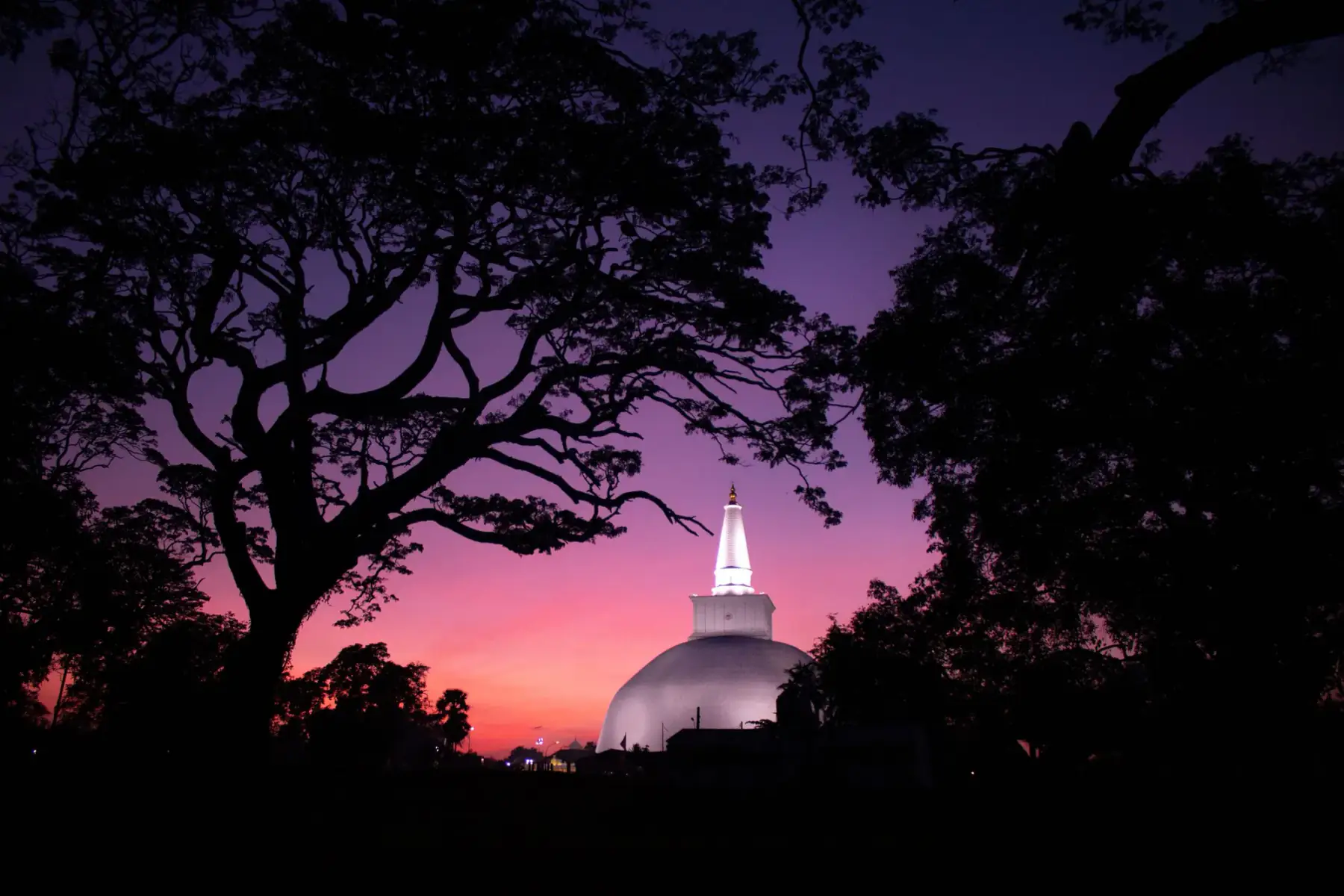
Sacred City of Anuradhapura
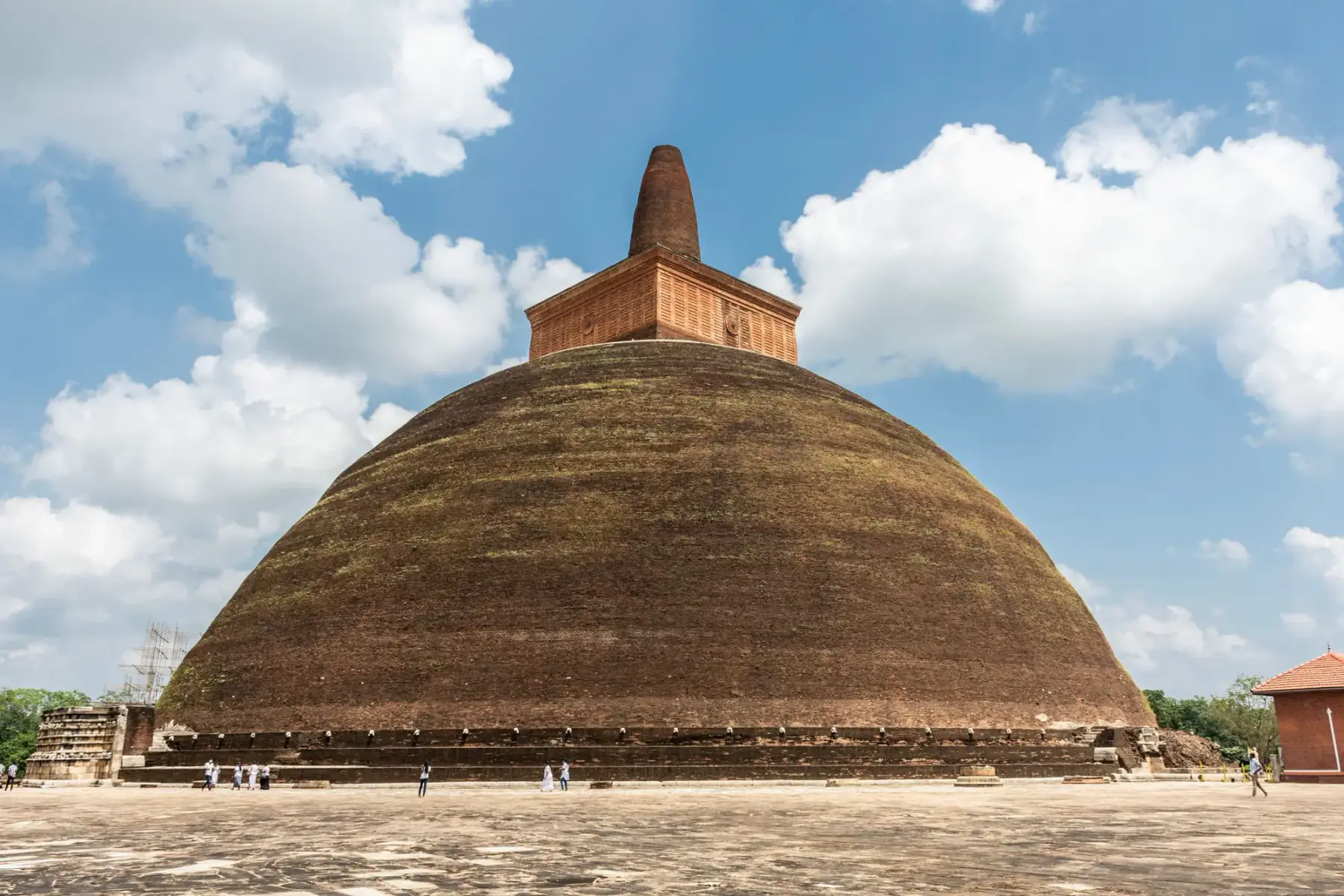
Mihintale
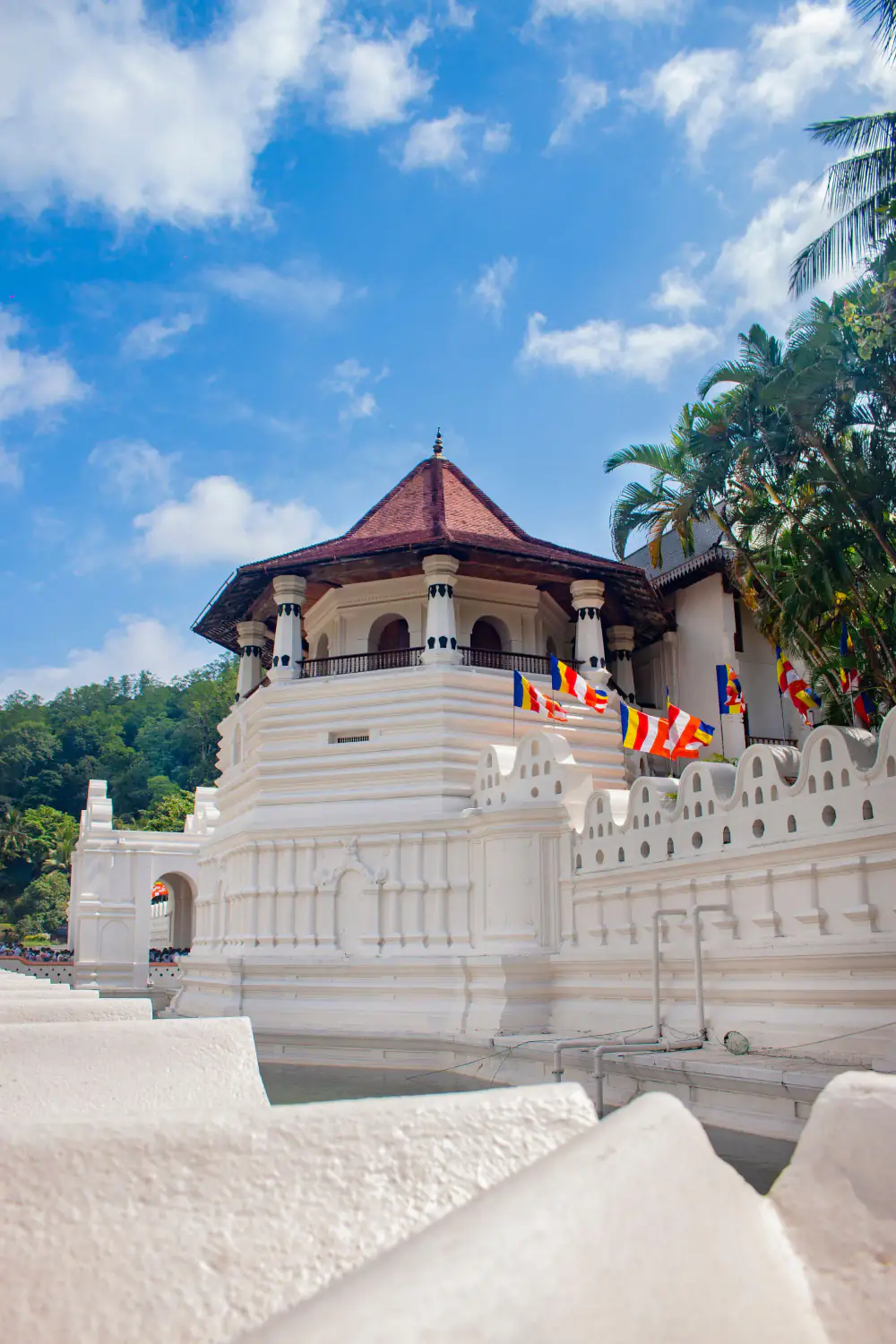
Sacred City of Kandy
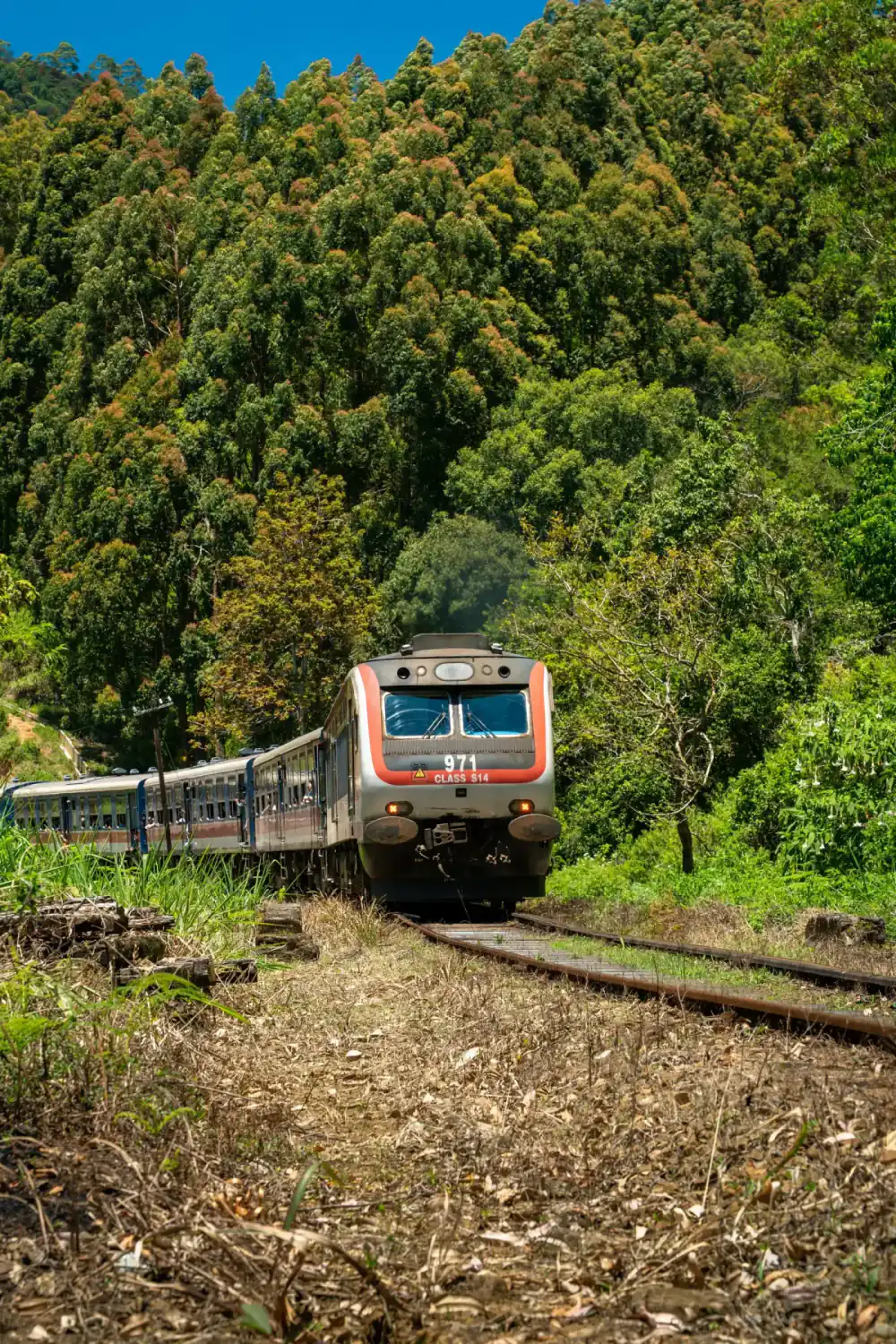
Sri Pada (Adam's Peak)
Pilgrimage & Sacred Sites
Related guides
All guides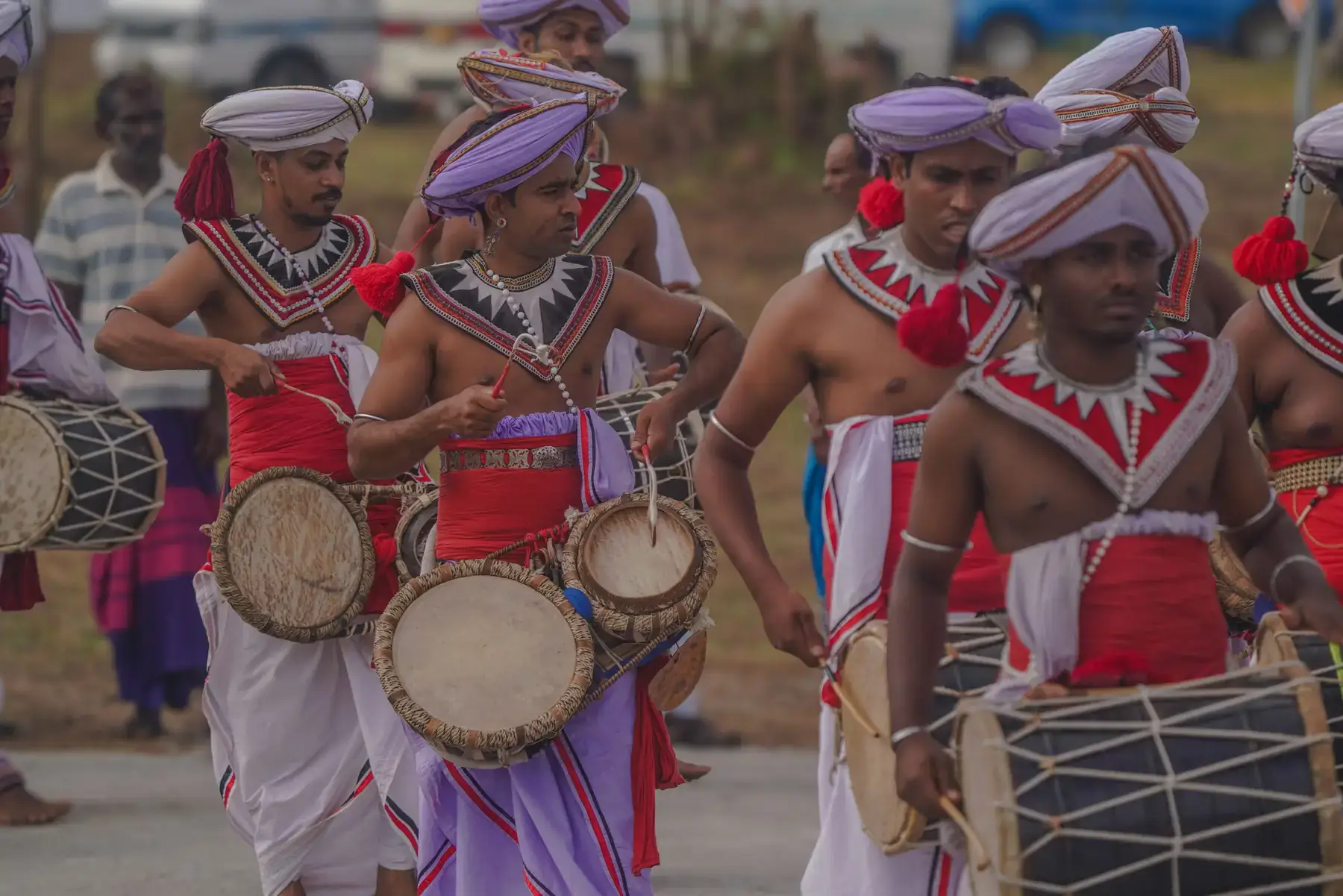
Kataragama and Multi-Faith Pilgrimage
A culturally careful planning guide to Kataragama's active pilgrimage precinct and its tradition-specific practices.
Sri Lanka for Muslim Travellers
A verification-first planning framework for Muslim travellers, using public HAC certification material and the government mosque register without overstating what either source proves.
Visiting Sacred Sites: What to Know Before You Go
Prepare conservatively, then follow the current rules of each active Buddhist, Hindu, Islamic, Christian or multi-faith site.