Rekawa
A quiet turtle-nesting beach and mangrove lagoon about 10 km east of Tangalle. The nightly turtle watch (Rs 2,000 for foreign adults on the project's own site), which months are busiest, the lagoon and birds, road times from Tangalle, Mirissa, Tissamaharama and Colombo, and rain by month. Checked 25 October 2026.
Is Rekawa worth visiting?
Quick answer: Yes, if you want to see a sea turtle nesting on a wild beach. Rekawa is about 10 km east of Tangalle, and its community turtle watch runs every night from 8.30 pm, for Rs 2,000 per foreign adult on the project's own site. April to July is the best time; from October to January you may see only one or two turtles, or none.
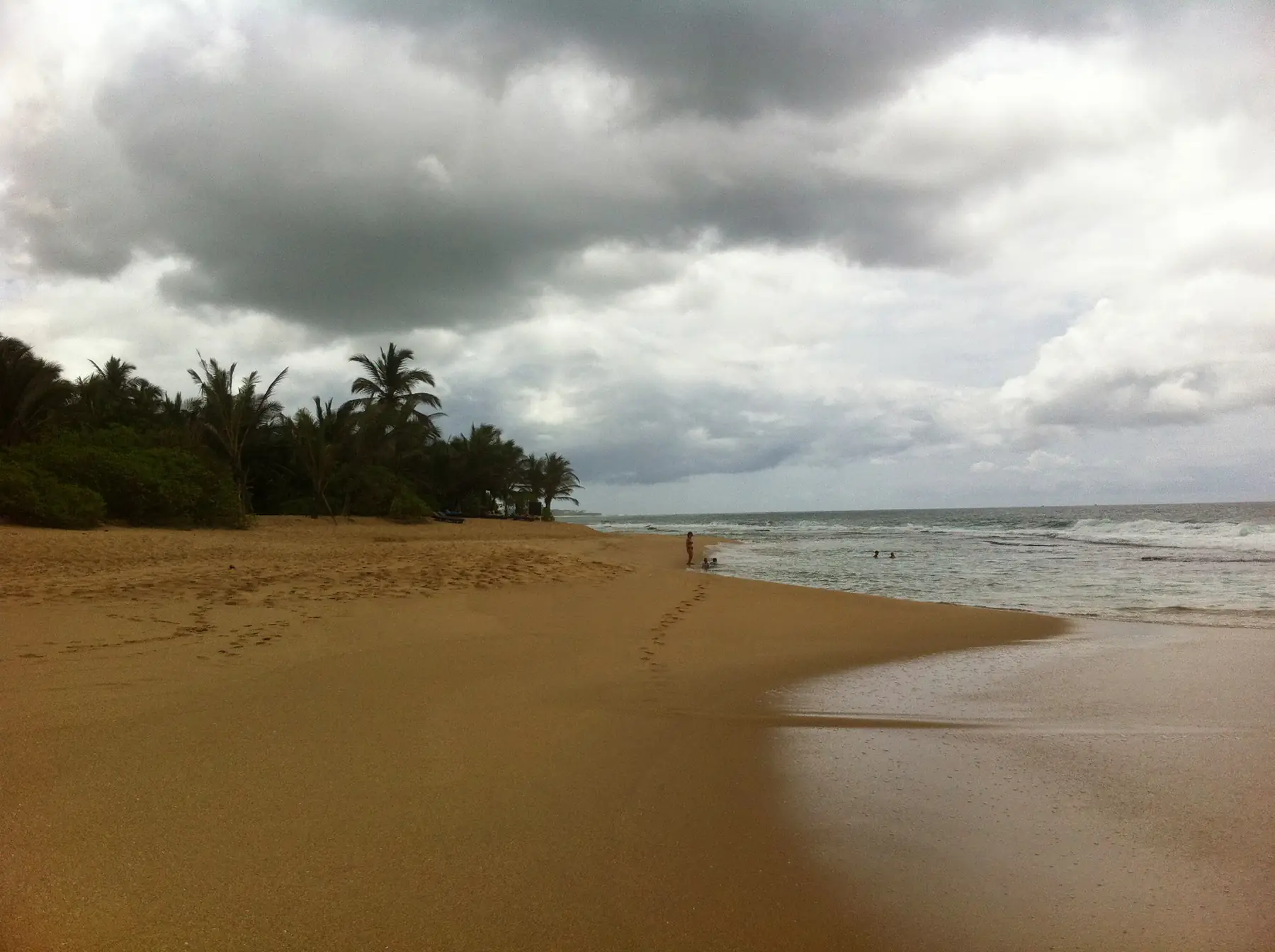
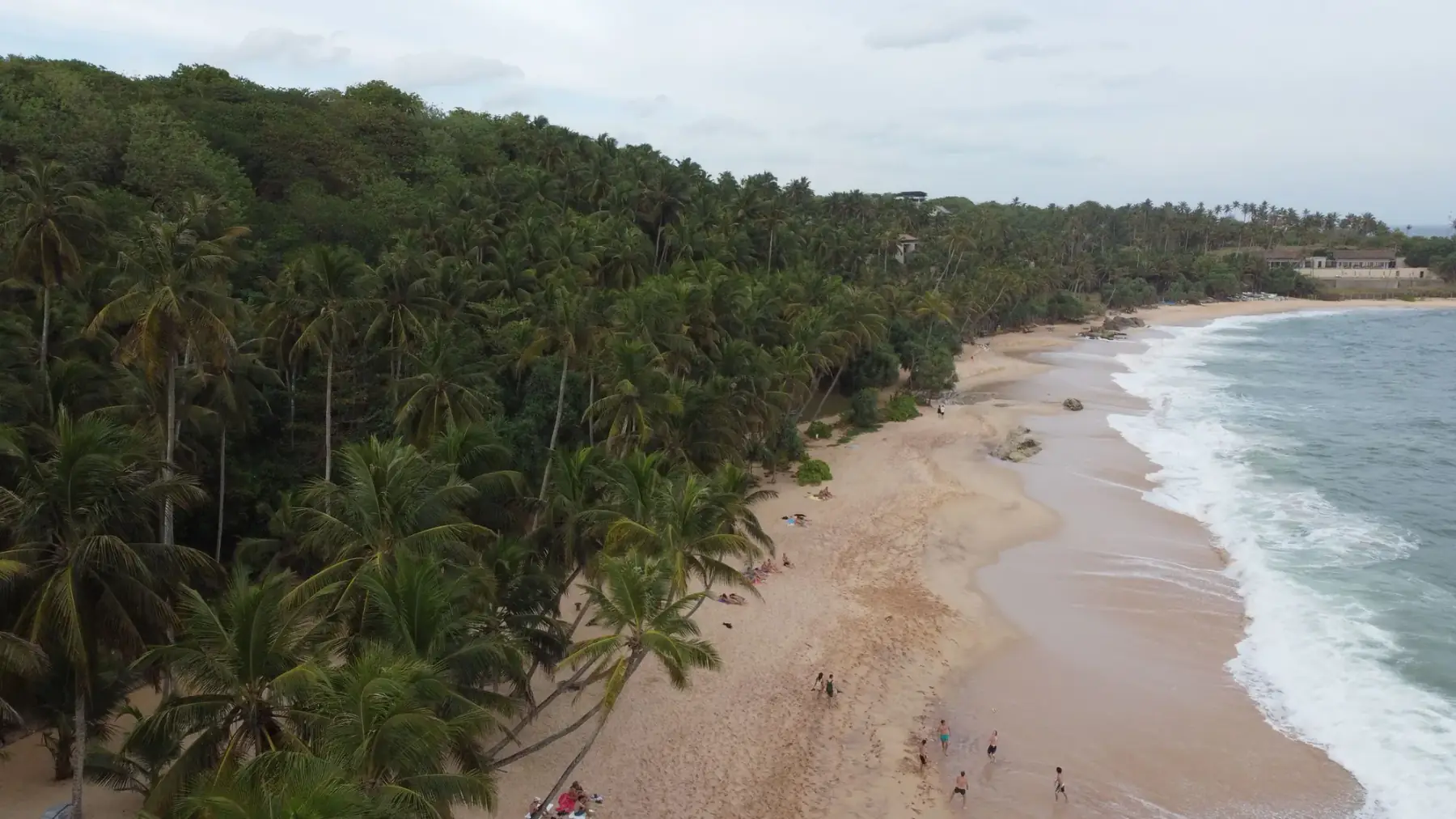
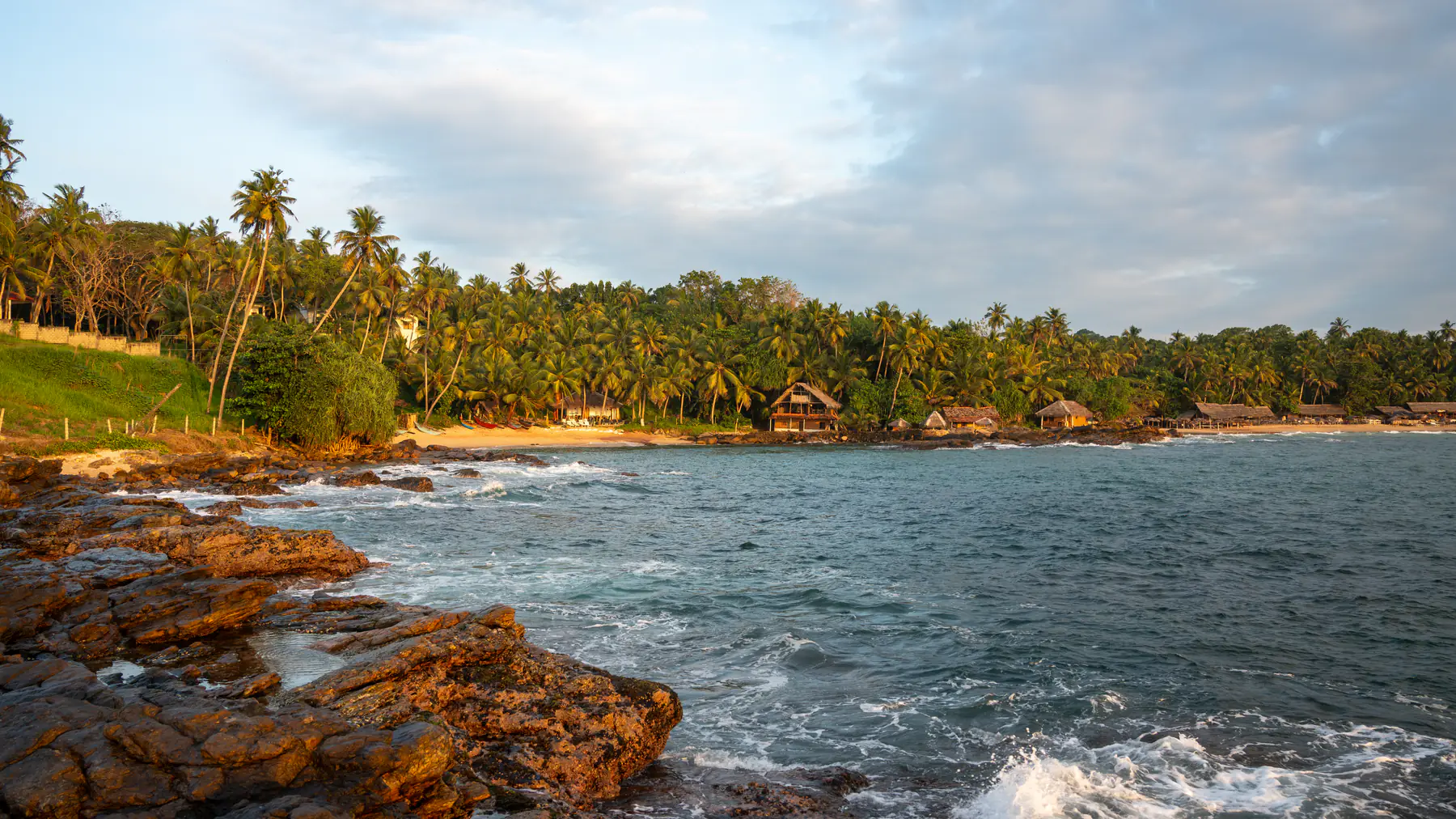
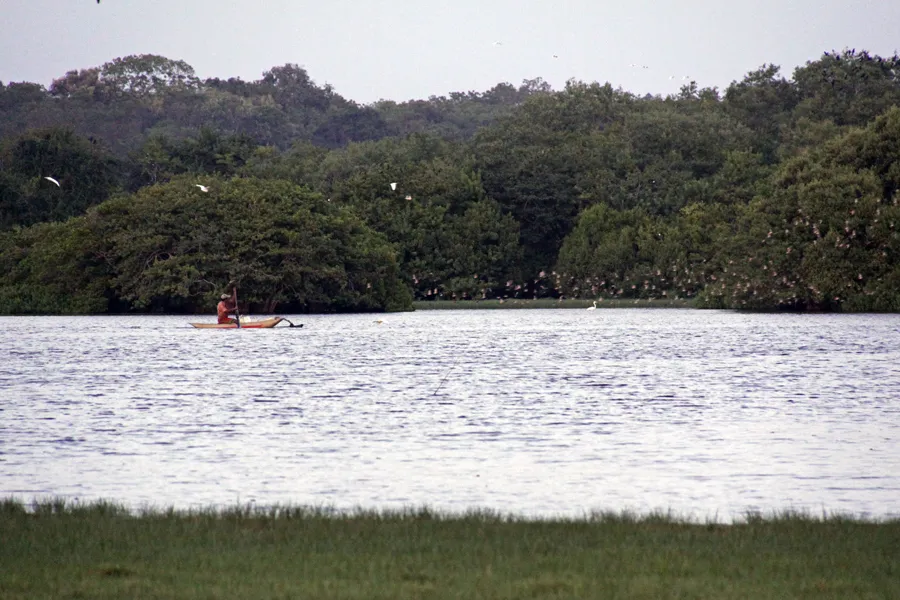
Rekawa is a village in Hambantota District on the south coast. A long, mostly empty beach is separated from a shallow mangrove lagoon by a strip of sand.
How does the Rekawa turtle watch work?
The Turtle Watch Rekawa website explains the evening:
- Arrive at the visitor centre near the beach. The programme starts at 8.30 pm; arrive by 9 pm at the latest.
- Wait at the centre while nest protectors walk the beach. There is a film and information about turtles while you wait.
- When a turtle is found, a guide takes the group to it. The site says it usually takes about an hour before you can approach, because the group waits until she has dug her nest.
- You watch the egg laying in a group, or watch her return to the sea from behind.
- In the low season, if no turtle has arrived by 11.30 pm, the guide usually ends the watch.
NFR says the turtle watch was started in the mid 1990s by the Turtle Conservation Project (TCP) and is now run by NFR, and that the whole nesting process can take up to three hours. The Southern Province site calls Rekawa one of Sri Lanka's top turtle nesting beaches and says five species nest there, including the Olive Ridley, Green and Loggerhead turtles.
How much is the turtle watch, and which months are best?
| Turtle Watch Rekawa website | Nature Friends of Rekawa page | |
|---|---|---|
| Start time | 8.30 pm, arrive by 9 pm | 8 pm, arrive before 9 pm |
| Foreign adult | Rs 2,000 | Rs 1,000 |
| Foreign child | Rs 1,000 | Rs 600 (children and students) |
| Sri Lankan adult | Rs 500 | Rs 100 |
| Booking | Not currently required | Not stated |
| Busiest months | April to July, about 5 to 15 turtles a night | February to July |
| Quietest months | October to January, about 1 to 2 turtles a night | Not stated |
Neither page is dated, so the newer-looking Rs 2,000 is the safer amount to carry in cash. Ask for an official receipt; NFR says the fee pays the nest protectors and supports the village.
The Southern Province site says nesting runs mainly from November to April with a peak from December to March. That is different from both project pages. If turtles are the reason for your trip, trust the project's own numbers: April to July gives you the best odds.
What are the rules at the turtle watch?
- No flash photos and no white or yellow torches. Guides use red light only.
- Never touch turtles or hatchlings.
- No alcohol, smoking or drugs on the beach.
- Stay with the group and follow the guide.
- Wear dark clothes. Shoes may get wet at high tide.
- Cover shoulders and knees; Rekawa is a rural village.
- Bring water, insect repellent and, in the wet months, a raincoat. There is a toilet at the visitor centre.
What else is there to do at Rekawa?
The Southern Province site describes Rekawa Lagoon as a shallow mangrove lagoon that is good for kayaking, boat rides with local fishermen and birdwatching. It names Purple Heron, Great Egret and Black-crowned Night Heron, and suggests early morning for birds. It also mentions nature walks in the Rekawa Nature Reserve and the mangroves.
The beach is long, quiet and largely undeveloped. Treat it as a walking beach. We found no official lifeguard information, so do not swim if the sea looks rough. Calmer swimming bays are at Hiriketiya and Tangalle.
How do I get to Rekawa?
| From | Road distance and time | Notes |
|---|---|---|
| Tangalle | 10 km, 15 min | Three-wheeler is easiest |
| Mirissa | 61 km, 1 h 4 min | Possible as an evening trip with a driver |
| Tissamaharama | 65 km, 1 h 17 min | For Yala |
| Ella | 137 km, 2 h 25 min | |
| Colombo (Central Bus Stand) | 193 km, 2 h 49 min | Via the expressway |
| Colombo airport | 220 km, 2 h 59 min |
By bus, the National Transport Commission lists route 32-4 Colombo to Tangalle at Rs 861 (semi-luxury Rs 1,292, AC Rs 1,651). From Tangalle, take a three-wheeler. NFR says three-wheelers can also be hired from Netolpitiya junction, and that NFR can arrange transport on request. The turtle watch ends late, so agree a return ride before you go.
What is the weather like at Rekawa?
The south-east coast is drier than the west. At Hambantota, average highs stay between 30.4°C and 31.9°C all year.
| Month | Rain (mm) | Rain days |
|---|---|---|
| January | 68 | 5.3 |
| February | 47 | 4.0 |
| March | 47 | 4.0 |
| April | 92 | 6.8 |
| May | 73 | 6.9 |
| June | 41 | 5.6 |
| July | 31 | 4.3 |
| August | 59 | 6.3 |
| September | 100 | 8.3 |
| October | 129 | 10.1 |
| November | 222 | 13.0 |
| December | 132 | 9.4 |
June and July are the driest months at Hambantota, which also falls in the turtle watch's high season. November is the wettest. Rekawa is about 30 km west of the station, so it may be a little wetter.
Where does Rekawa fit in a trip?
- From Tangalle: an evening trip, back the same night. See our Tangalle surf season guide for the beach side.
- South coast run: Mirissa or Hiriketiya, then a night in Tangalle with the turtle watch, then on to Tissamaharama for Yala.
- Other turtle stops: the Kosgoda turtle project on the west coast runs a daytime hatchery and evening releases. Rekawa is different: you see wild turtles nesting at night.
Frequently asked questions
What time does the Rekawa turtle watch start?
The project's own website says the turtle watch runs every night of the year, starts at 8.30 pm, and you should arrive by 9 pm at the latest. If no turtle has come by 11.30 pm in the low season, the guide usually ends the watch.
How much is the Rekawa turtle watch?
The Turtle Watch Rekawa website lists Rs 2,000 for foreign adults, Rs 1,000 for foreign children, Rs 500 for Sri Lankan adults and free entry for Sri Lankan children (checked 25 October 2026). An older Nature Friends of Rekawa page still shows Rs 1,000, so take enough cash for the higher price.
Do I need to book the Rekawa turtle watch?
No. The project's website says advance booking is not currently required. Go to the visitor centre near Rekawa beach in the evening.
When is the best time to see turtles at Rekawa?
The turtle watch website says April to July is high season, with about 5 to 15 turtles a night, and October to January is low season, with about 1 to 2. Nature Friends of Rekawa puts the peak at February to July. There is no guarantee on any night.
How far is Rekawa from Tangalle?
About 10 km and 15 minutes by road with no traffic on our routing. The Southern Province tourism site says about 12 km. A three-wheeler from Tangalle is the easiest way to get there.
Can I take photos at the Rekawa turtle watch?
Not with flash. The project bans flash photography and white or yellow lights near the turtles. Guides use red light only. Do not touch turtles or hatchlings.
Sources
Last verified 2026-10-25
- https://southernsrilanka.lk/destination/rekawa-lagoon-beach-a-hidden-gem-of-southern-sri-lanka
- https://www.turtlewatchrekawa.org/read-before-visit-us
- https://nfrsrilanka.org/turtle-watch/
- https://ntc.gov.lk/bus_fare/2026/July/Inter%20Provincial%20Full%20Bus%20Fare.pdf
- https://www.ncei.noaa.gov/data/oceans/archive/arc0216/0253808/2.2/data/0-data/Region-2-WMO-Normals-9120/SriLanka/CSV/
- https://www.openstreetmap.org/
Plan your Rekawa trip
Tangalle Surf Season: When Is the Swell and Is It Safe?
Tangalle's own beaches are shorebreak and not for surfing or casual swimming. The surf season is roughly November to March, and the rideable waves are 15 to 30 minutes away. Sources compared, month by month, with safety notes. Checked 24 October 2026.