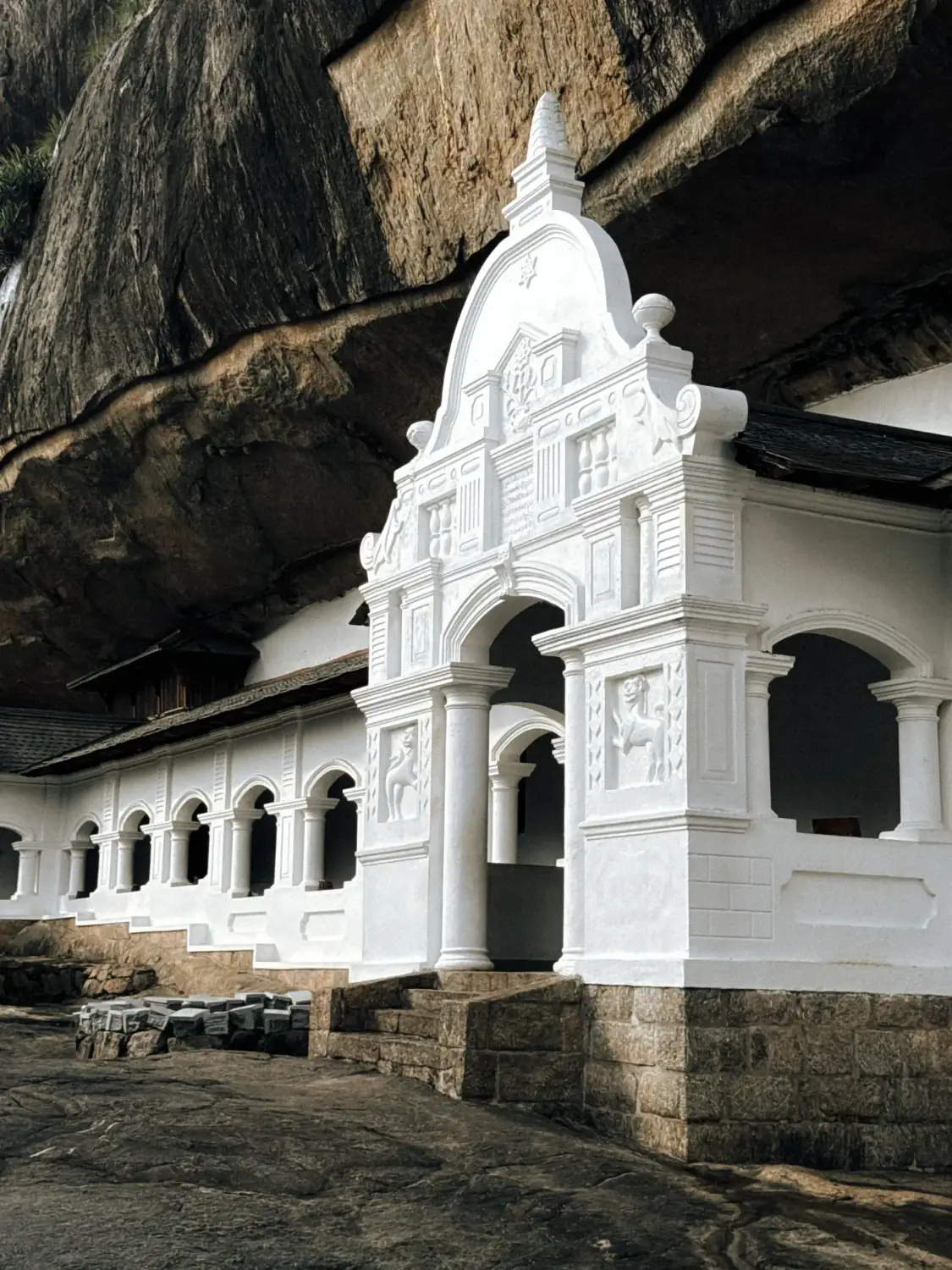
Dambulla
A Cultural Triangle base in Matale District built around the UNESCO-listed Rangiri Dambulla Cave Temple, about 15 km from Sigiriya in a straight line. What to do, day trips with official ticket prices, and when to go, checked 14 October 2026.
Dambulla at a glance (checked 14 October 2026). Dambulla is a Cultural Triangle town in Matale District whose defining sight is the Rangiri Dambulla Cave Temple, a UNESCO World Heritage property since 1991. UNESCO describes it as a living Buddhist site of five cave shrines, inhabited by monks since the 3rd century BCE, with 2,100 square metres of murals and 157 statues. The Central Cultural Fund opens the temple from 7.00 am to 5.00 pm. Sigiriya is about 15 km away in a straight line, so most visitors pair the two or use Dambulla as a base for the ancient cities.
| Dambulla facts | Detail | Source |
|---|---|---|
| Where | Matale District, Central Province, in the Cultural Triangle | Central Cultural Fund heritage sites list |
| Main sight | Rangiri Dambulla Cave Temple, five caves, UNESCO-listed in 1991 | UNESCO |
| Opening hours | 7.00 am to 5.00 pm, single entry, online booking available | Central Cultural Fund tickets page |
| Entrance fee | USD 10 for foreign visitors, bought at the office by the Golden Temple (undated official page) | Sri Lanka Tourism |
| Roads | Temple entrances from the Kandy road (A9) and the Kurunegala to Dambulla road (A6) | Sri Lanka Tourism |
| Straight-line distances | Sigiriya 15 km, Polonnaruwa 39 km, Anuradhapura 60 km | Calculated from UNESCO coordinates |
| Wettest months | November (331.7 mm) and December (314.5 mm) Matale District averages, 1991 to 2020 | Department of Meteorology |
What is there to do in Dambulla?
The cave temple first, then the ancient cities around it. Dambulla is a base more than a sightseeing town, and the official sources describe one main monument.
- Rangiri Dambulla Cave Temple. Sri Lanka Tourism names the five caves as Devaraja Lena, Maharaja Lena, Maha Alut Viharaya, Paccima Viharaya and Devana Alut Viharaya, built at the base of a 150 m rock. There are four ways up, two from the Kandy road (A9), one from the Kurunegala to Dambulla road (A6) and one from the Valagamba Pirivena, and each is a long flight of granite steps. Foreign visitors buy their ticket at the office near the Golden Temple. Tickets, dress code and photo rules are on the Dambulla Cave Temple page.
- The Dambulla museum ticket. The Central Cultural Fund's ticket list, checked on 14 October 2026, has a separate "Dambulla (Museum)" ticket at USD 3 (LKR 1,008 at that day's rate of LKR 336 to the dollar), or USD 1.50 (LKR 504) for a half ticket. Ask at the site what it covers before you buy.
- Sigiriya. The rock fortress is the obvious pairing, about 15 km away in a straight line. See the Sigiriya page and the Sigiriya destination guide.
UNESCO says the monks conduct the daily rituals and that part of the gate collection from foreign visitors goes to the temple's upkeep. Treat it as a place of worship: read the sacred-sites guide and dress by the what to wear guide.
Is Dambulla worth visiting?
Yes, if the cave temple is on your list, and it should be on a Cultural Triangle trip. UNESCO calls it the largest and best-preserved cave-temple complex in Sri Lanka and a sacred pilgrimage site for 22 centuries. Under continuous royal patronage the cave shrines were renovated several times before taking their present interior form in the 18th century.
It is not a substitute for Sigiriya or the ancient cities. Sigiriya is an archaeological landscape organised around a rock and summit; Dambulla is a cave-shrine complex still in ritual use. Visiting both makes sense, but neither should be squeezed into the spare hour left by an overloaded day.
How far is Dambulla from Sigiriya, Polonnaruwa and Anuradhapura?
These are straight-line distances between UNESCO's coordinates for each World Heritage site, so the road is always longer. Ticket prices are from the Central Cultural Fund's list, checked on 14 October 2026; its tickets page gives 7.00 am to 5.00 pm for each site.
| From the cave temple to | Straight line | CCF full ticket, foreign adult | Plan with |
|---|---|---|---|
| Sigiriya | About 15 km | USD 35 (LKR 11,760) | Sigiriya |
| Polonnaruwa | About 39 km | USD 30 (LKR 10,080) | Polonnaruwa |
| Anuradhapura | About 60 km | USD 30 (LKR 10,080) | Anuradhapura |
The LKR figures move with the exchange rate the Fund applies each day, so check the list on the day you pay. If you can only fit one ancient city, the Anuradhapura vs Polonnaruwa guide compares them. The Cultural Triangle region page shows how the sites sit together, and the Minneriya National Park page covers a park visit in the same region.
Should you stay in Dambulla or Sigiriya?
Choose Dambulla as a base when it makes the sequence between the cave temple, Sigiriya and Polonnaruwa simpler, or when you want a position on the main roads. Choose Sigiriya when your first appointment of the day is the rock at opening time. A through-stop may be enough when the temple is your only Dambulla objective.
The Sigiriya or Dambulla comparison keeps that decision separate from claims about hotel quality that we cannot verify.
When is the best time to visit Dambulla?
Sri Lanka Tourism's weather page calls the first inter-monsoon, March and April, ideal for visiting the Cultural Triangle and the hill country, with warm, humid days and afternoon thunderstorms. October and November bring occasional heavy showers across the island. The Department of Meteorology's district averages for Matale show the wettest stretch at the end of the year:
| Month | Matale District average rainfall (1991 to 2020) |
|---|---|
| October | 254.2 mm |
| November | 331.7 mm |
| December | 314.5 mm |
Its seasonal outlook, issued on 2 October 2026, expects above-normal rainfall in most parts of the country from October to December 2026, so pack for rain this year. Whatever the month, Sri Lanka Tourism recommends climbing the temple steps in the morning or the evening. The best time to visit guide fits Dambulla into a wider route.
January is drier than the end of the year in the Cultural Triangle: Anuradhapura, the nearest WMO normals station in our tables, averages 86.0 mm of rain in January, while the Anuradhapura district average for December is 225 mm. See Sri Lanka in January. The cave temple's LKR 3,000 ticket is about £6.93, US$9.18 or €8.22 at the Central Bank rate of 16 October 2026; the trip cost guide converts the other Cultural Triangle tickets too, and the 10-day itinerary shows where Dambulla fits day by day.
How do you get to Dambulla?
By road. Sri Lanka Tourism's description of the temple puts its entrances on the Kandy road (A9) and the Kurunegala to Dambulla road (A6). This page does not give bus times, fares or journey times, because we found no official timetable for them on 14 October 2026. Plan the road leg with getting around Sri Lanka and verify the exact pickup and return for each day trip.
The cave temple is a stop on the Cultural Triangle heritage itinerary and the classic 10-day itinerary.
Frequently asked questions
Is Dambulla worth visiting?
Yes, for the Rangiri Dambulla Cave Temple. UNESCO describes it as the largest and best-preserved cave-temple complex in Sri Lanka, with five cave shrines, 2,100 square metres of murals and 157 statues. It is a living temple, so plan it as a proper visit, not a quick stop between transfers.
What is there to do in Dambulla?
The cave temple is the main sight. The Central Cultural Fund opens it from 7.00 am to 5.00 pm and also sells a separate Dambulla (Museum) ticket at USD 3. Most visitors then use Dambulla as a base for Sigiriya, Polonnaruwa and Anuradhapura.
How far is Dambulla from Sigiriya?
About 15 km in a straight line, measured between UNESCO's coordinates for the two World Heritage sites. The road distance is longer and depends on your route, so check it for your pickup point.
Should I stay in Dambulla or Sigiriya?
Stay in Dambulla if the cave temple and road links to other Cultural Triangle sites matter most, and in Sigiriya if your first appointment is the rock at opening time. Our Sigiriya or Dambulla guide compares the two bases.
When is the best time to visit Dambulla?
Sri Lanka Tourism calls March and April ideal for the Cultural Triangle. October to December is wetter: Matale District, where Dambulla is, averages 254.2 mm of rain in October, 331.7 mm in November and 314.5 mm in December (1991 to 2020). Climb the temple steps in the morning or evening.
Sources
Last verified 2026-10-14
- https://whc.unesco.org/en/list/561
- https://whc.unesco.org/en/list/202
- https://whc.unesco.org/en/list/201
- https://whc.unesco.org/en/list/200
- https://www.srilanka.travel/attraction?attraction_id=157
- https://www.ccf.gov.lk/heritage-sites/
- https://www.ccf.gov.lk/vsl/tickets.html
- https://www.ccf.gov.lk/is/index.php
- https://www.srilanka.travel/weather
- https://meteo.gov.lk/pdfs/rainfall_pdf.pdf
Plan your Dambulla trip
Is Sri Lanka safe to visit?
Sri Lanka is generally safe for tourists. The US, UK, Australia and Germany all allow travel. Their advice levels, last-updated dates and listed risks sit side by side, checked 17 October 2026.
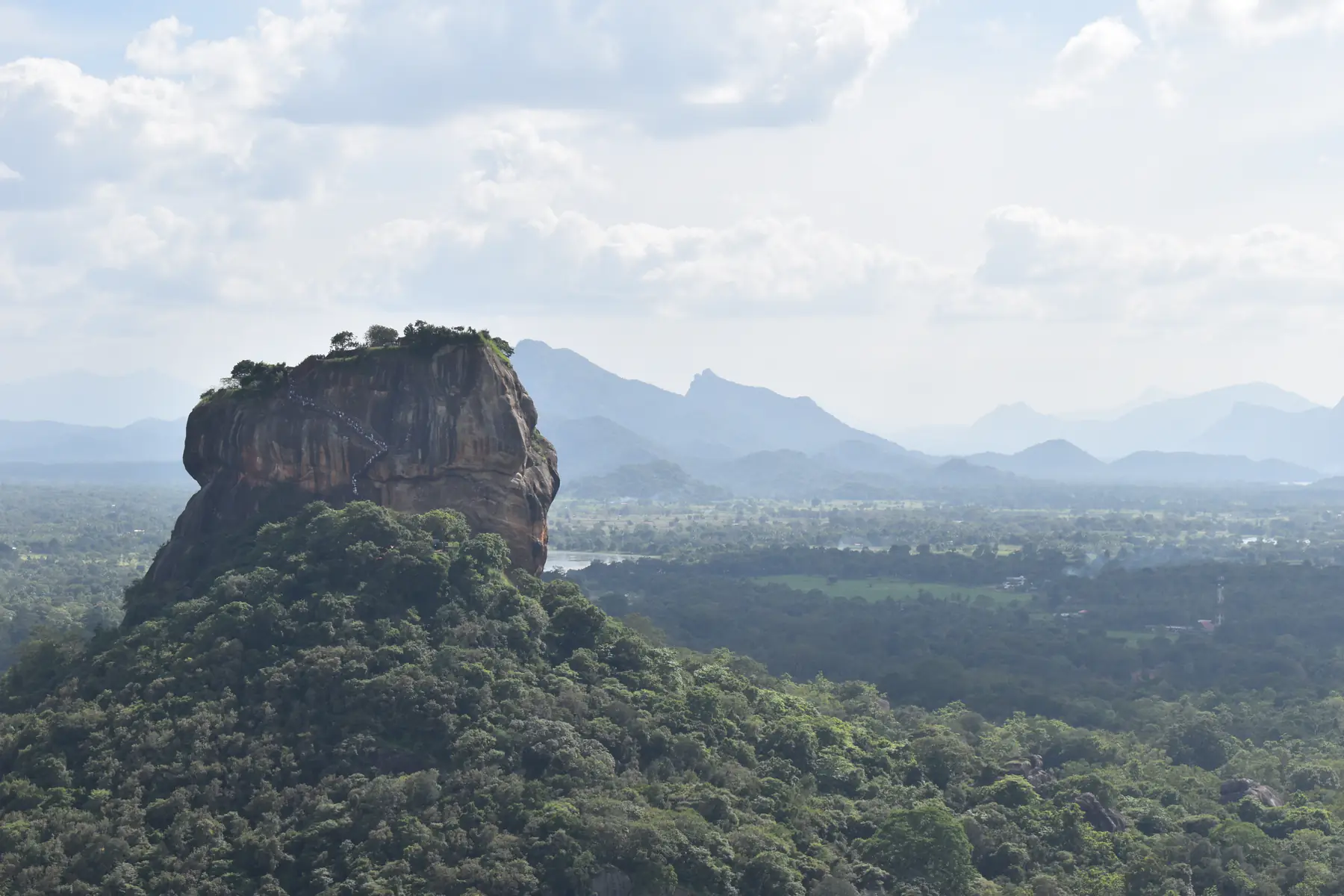
Sigiriya or Dambulla: Where Should You Stay?
Choose Sigiriya or Dambulla as a Cultural Triangle base by starting with the heritage site you want to prioritise and verifying each transfer.
Sri Lanka in January
January is dry season on Sri Lanka's west and south coasts and in the north, and still wet on the east coast. Weather by coast in C and F, the January 2027 holidays, the Sri Pada season and arrival numbers, checked 17 October 2026.
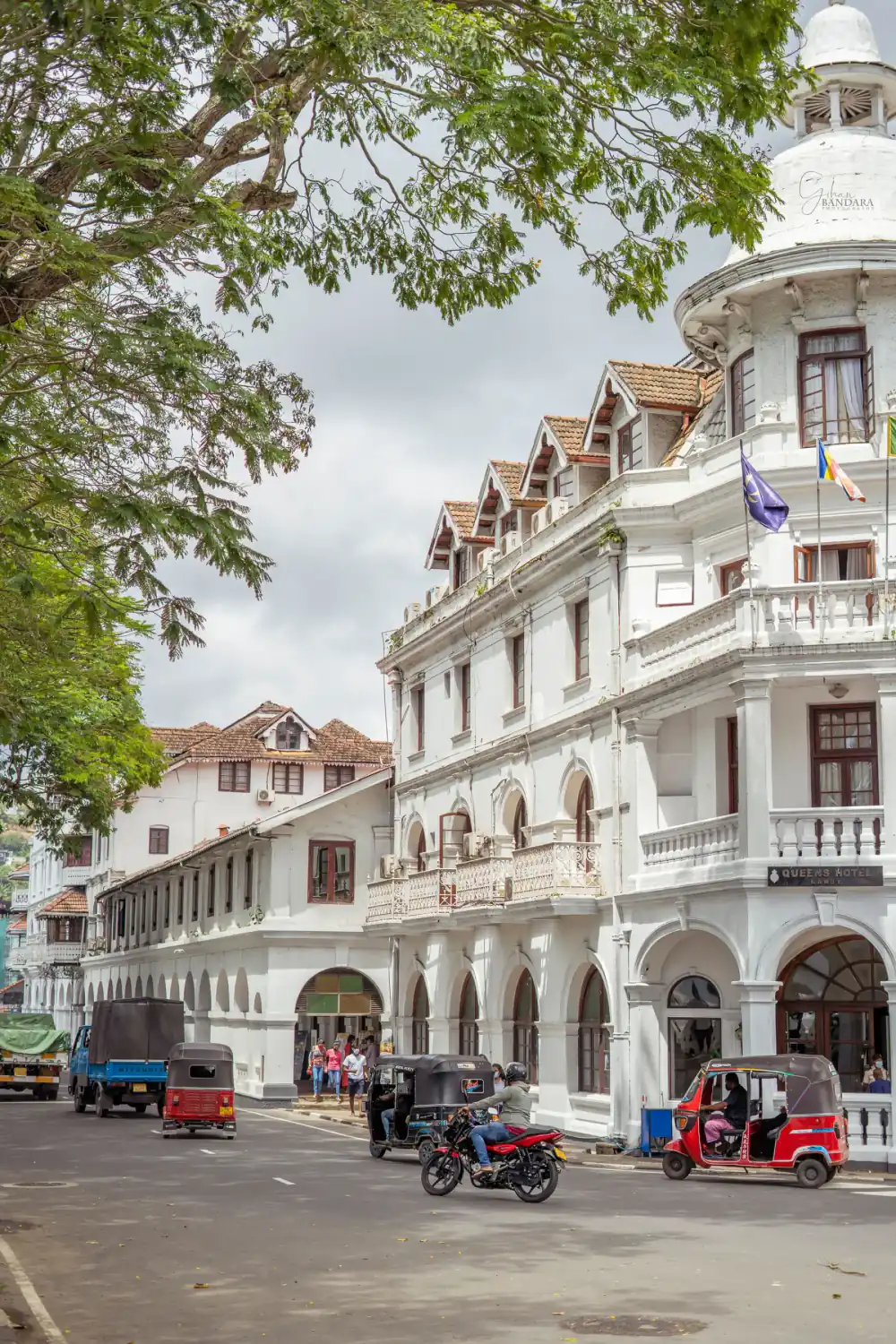
How much does a Sri Lanka trip cost?
Sri Lanka trip costs in GBP, USD, EUR and JPY at the Central Bank rate of 16 Oct 2026: official tickets and fares, SLTDA daily spend, and room, surf and garden prices sampled from businesses' own pages on 17 Oct 2026.
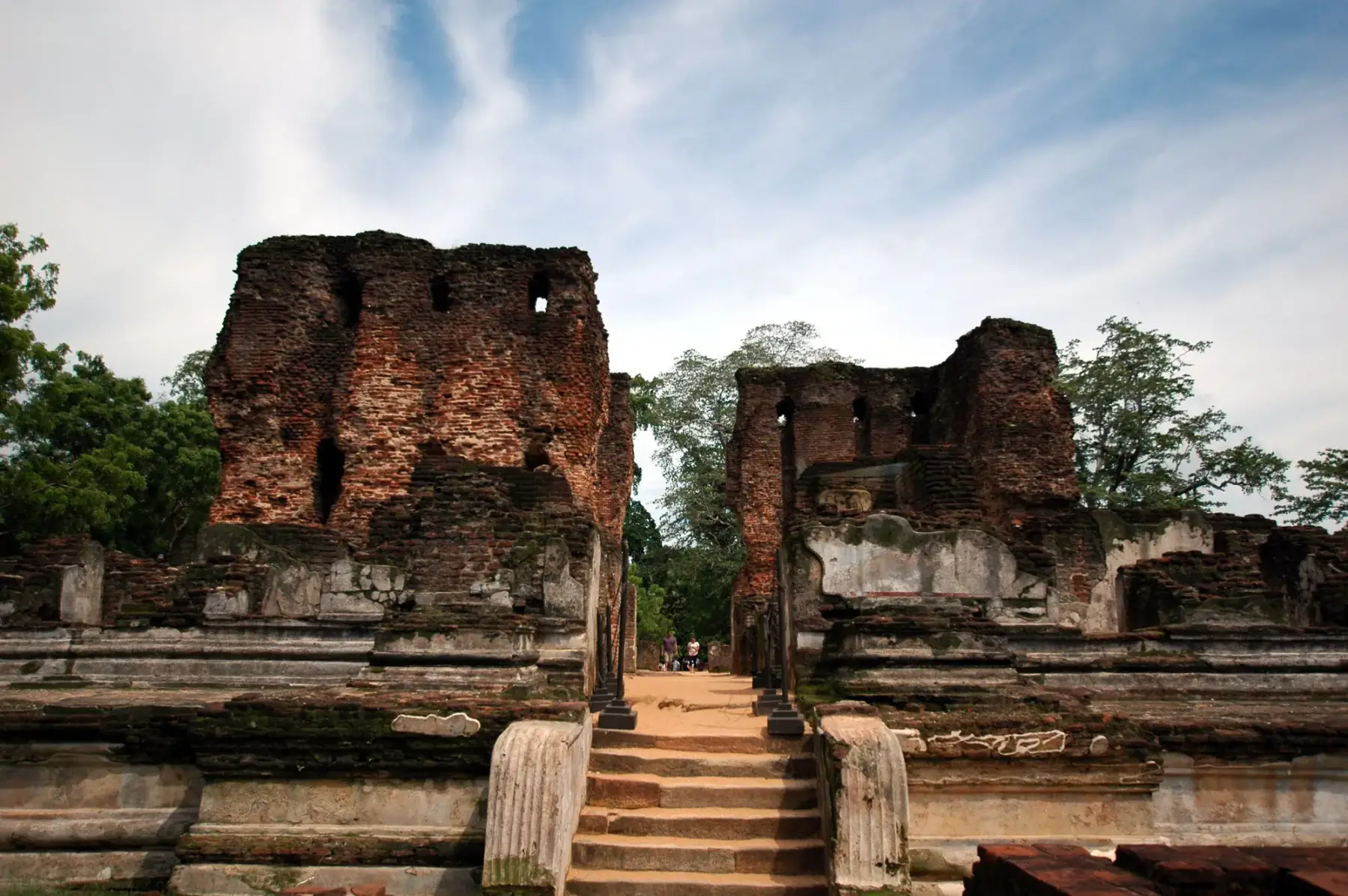
Cultural Triangle and Heritage Focus
A five-day heritage framework connecting Sigiriya, Dambulla, Anuradhapura, Polonnaruwa and Kandy without pretending every site fits one rushed loop.
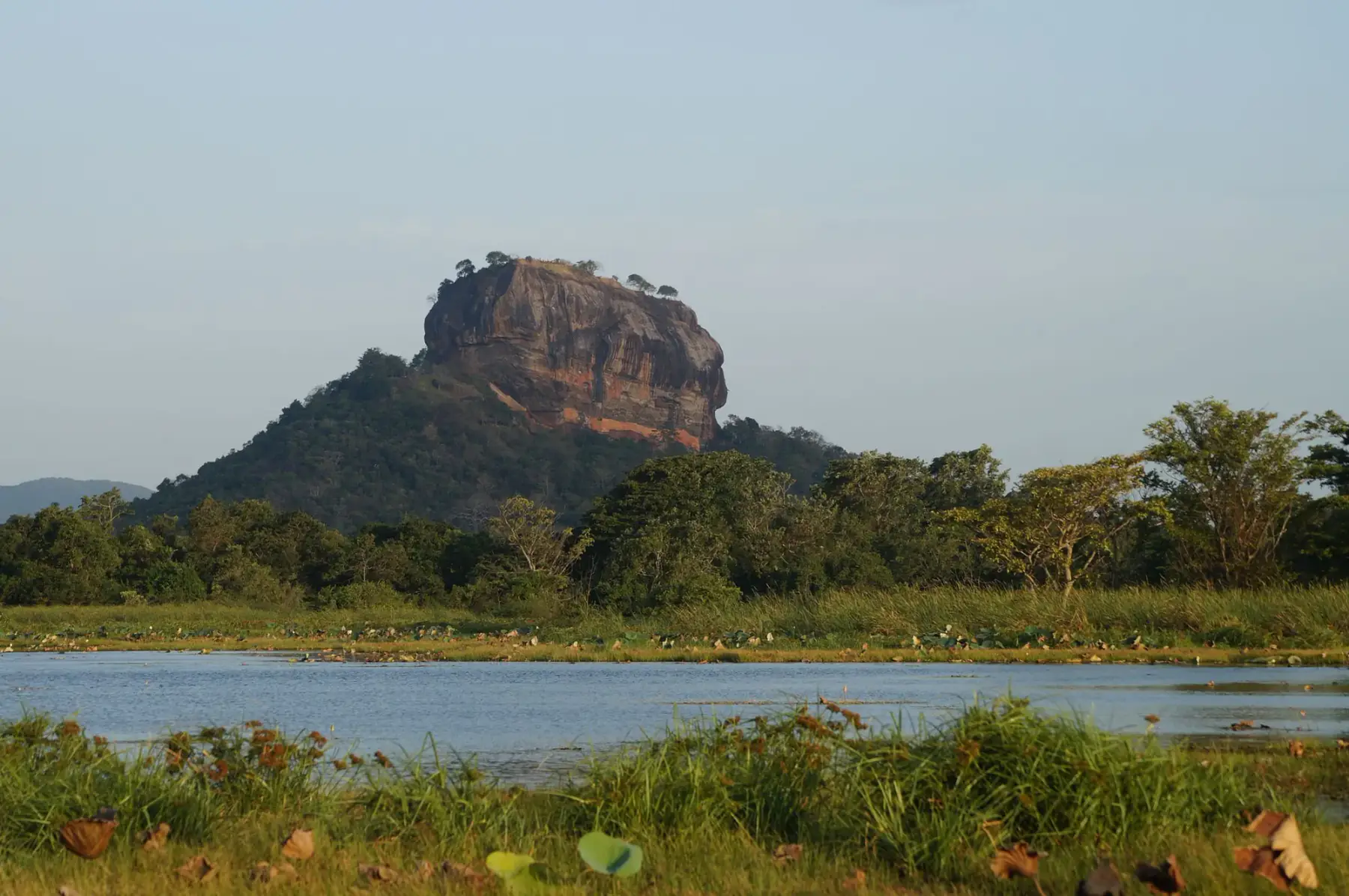
One Week, First Visit
A focused 7-day first route through the Cultural Triangle, with Anuradhapura, Sigiriya and Dambulla instead of a four-region sprint.
Places in Dambulla
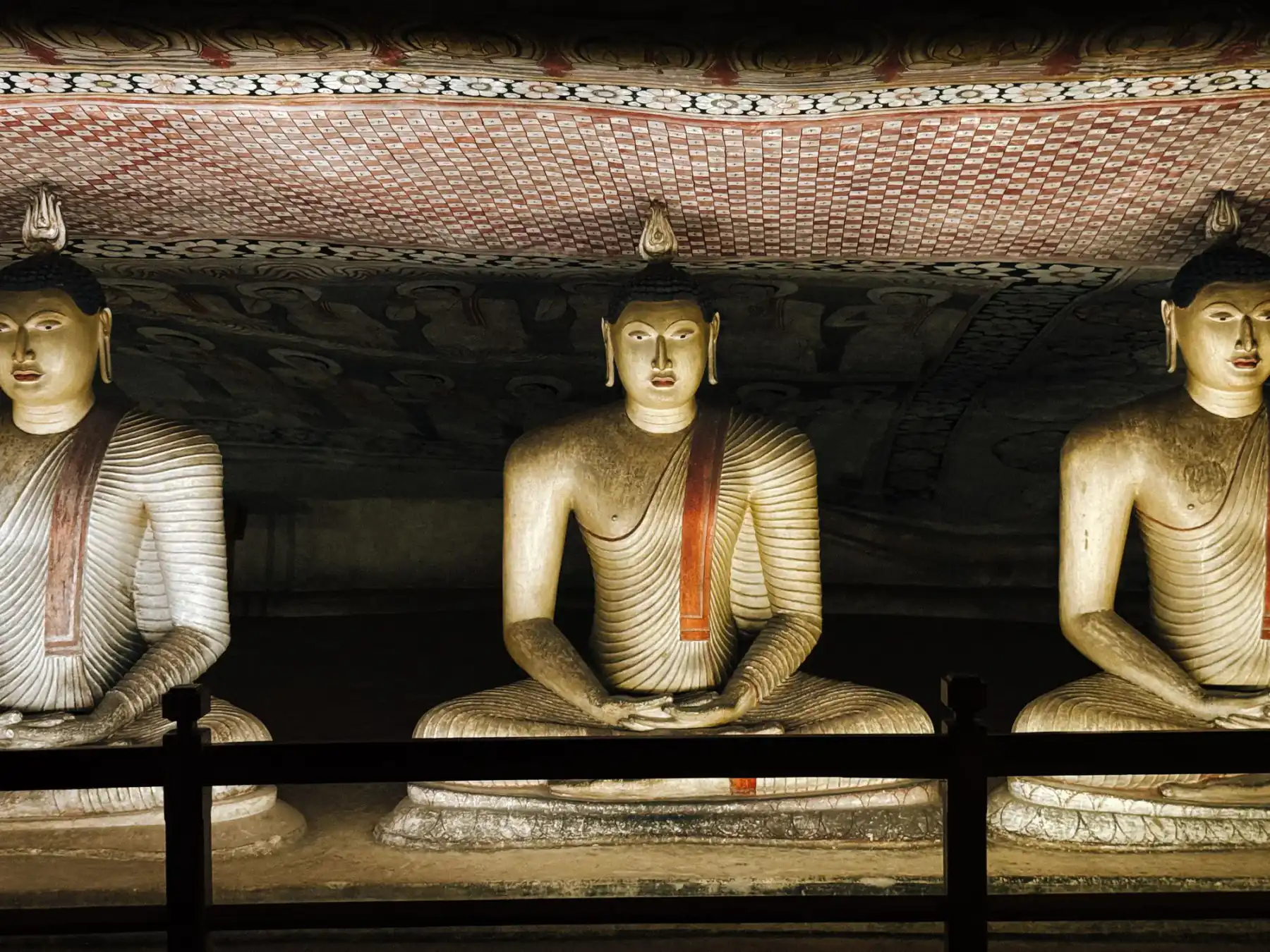
Rangiri Dambulla Cave Temple
UNESCO 1991 · Sacred siteA living Buddhist pilgrimage site organised around five cave shrines, inscribed on the World Heritage List in 1991.
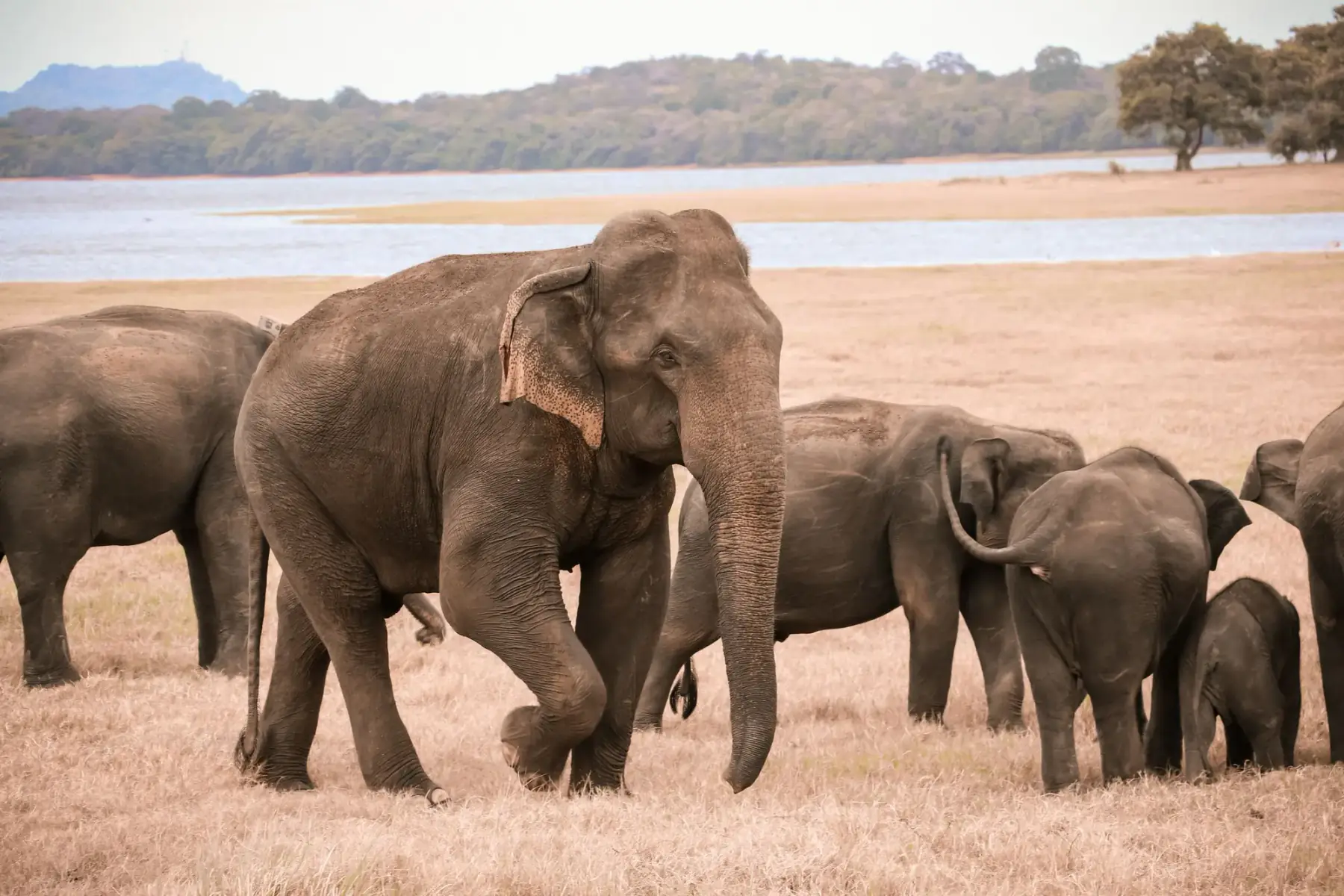
Minneriya National Park
WildlifeMinneriya recorded 155,146 visits in official 2025 data; current wildlife concentrations and access need a date-specific check.