Cultural Heritage
A route-planning guide to Sri Lanka's UNESCO cultural properties, living sacred sites and archaeological landscapes.
Sri Lanka has six cultural properties on UNESCO's World Heritage List: the ancient cities of Anuradhapura, Polonnaruwa and Sigiriya; the sacred city of Kandy; Rangiri Dambulla Cave Temple; and the Old Town of Galle and its Fortifications. They are not one interchangeable “heritage circuit.”
Choose by visit type
- Large archaeological landscapes: Anuradhapura and Polonnaruwa reward advance priorities rather than a rushed monument list.
- A concentrated climb and archaeological property: Sigiriya involves physical access and exposed sections.
- Living sacred places: Dambulla Cave Temple, Sacred City of Kandy and the Temple of the Tooth require attention to worship and visitor conduct.
- A living fortified town: Galle Fort contains homes, businesses and religious sites as well as historic fabric.
Build a realistic route
The World Heritage collection explains the official set. For an inland route, use the Cultural Triangle guide; Galle belongs to the south-coast route. Verify current Central Cultural Fund tickets, opening arrangements and site notices before travel. UNESCO status confirms significance, not present-day access or the time an individual visitor needs.
At active sites, dress appropriately, follow photography rules and do not obstruct worship. The sacred-sites guide gives a practical baseline.
Decide how you want to engage
A heritage day can focus on archaeology, living religious practice, architecture or landscape. Name that priority before selecting sites. Archaeological cities reward a short list of monuments; sacred places need time for local conduct; Sigiriya adds a physical climb; Galle Fort works as a living urban area rather than a closed monument.
Allow enough attention
Combining several major properties in one day can reduce each to transport and queues. Build one anchor visit, add a nearby secondary place only when distance and opening arrangements are verified, and leave room for heat, rain and rest. Visitors with mobility concerns should check steps, uneven ground and exposed sections directly with the responsible authority.
Separate fixed facts from current conditions
UNESCO inscription and official site identity are stable reference points. Prices, opening times, restoration closures, photography rules and ceremony access are current operational facts. Recheck those close to the visit.
Sources
Last verified 2026-08-28
Destinations for this
Anuradhapura
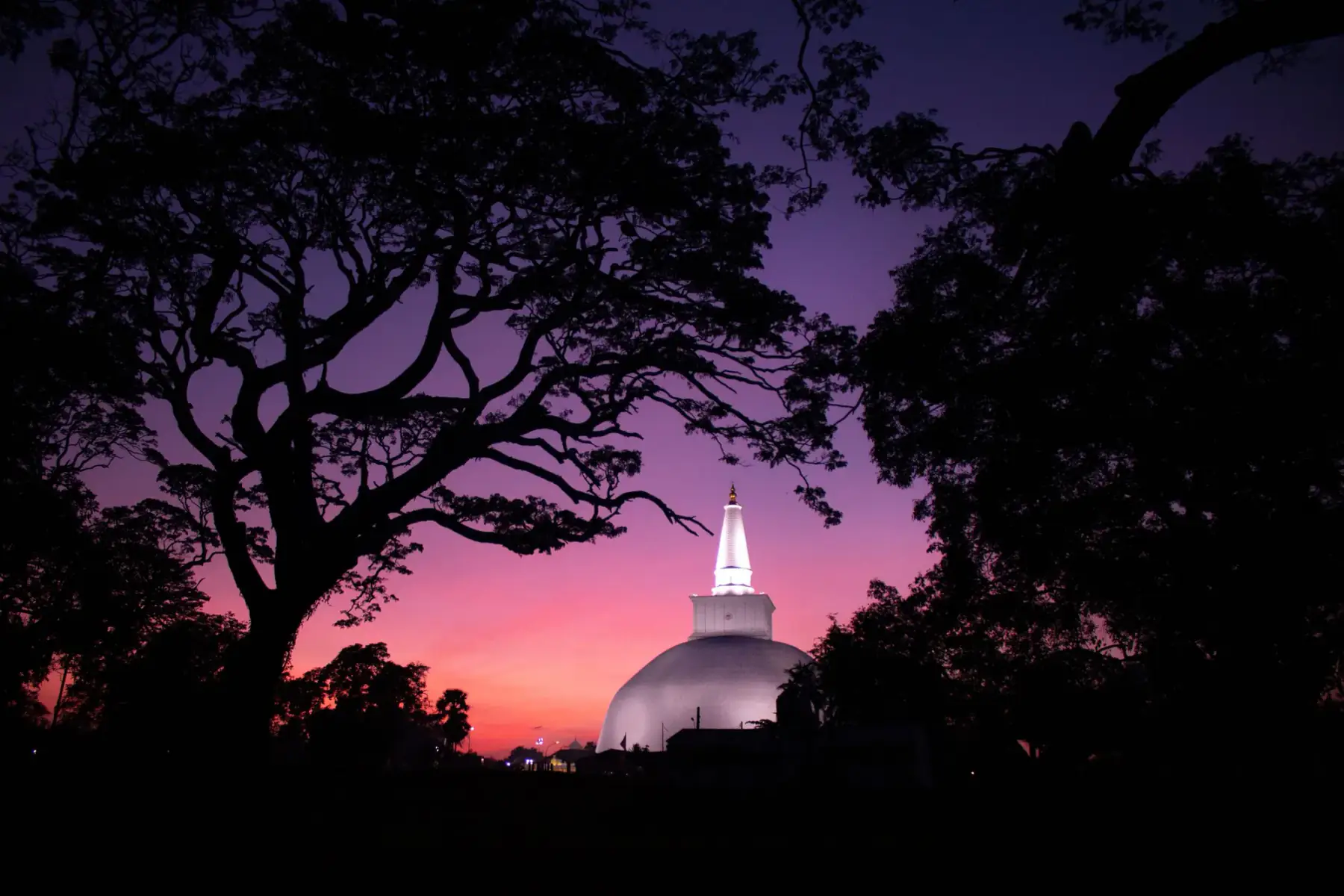
A large UNESCO-listed sacred city where archaeological remains and active Buddhist pilgrimage places share one landscape.
Colombo
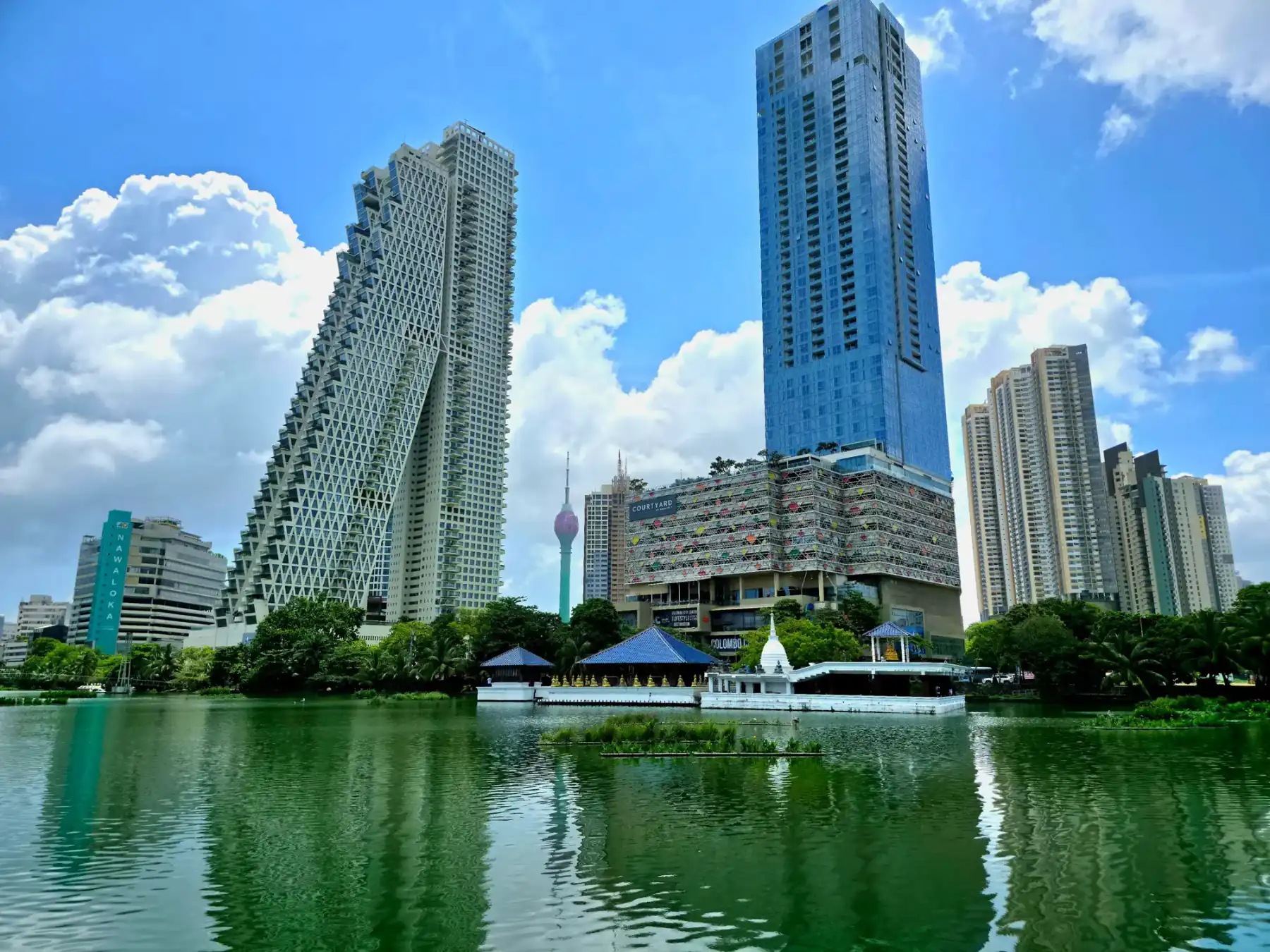
Sri Lanka's commercial and financial centre, best treated as an urban stop for markets, museums, food, shopping and coastal public space.
Dambulla
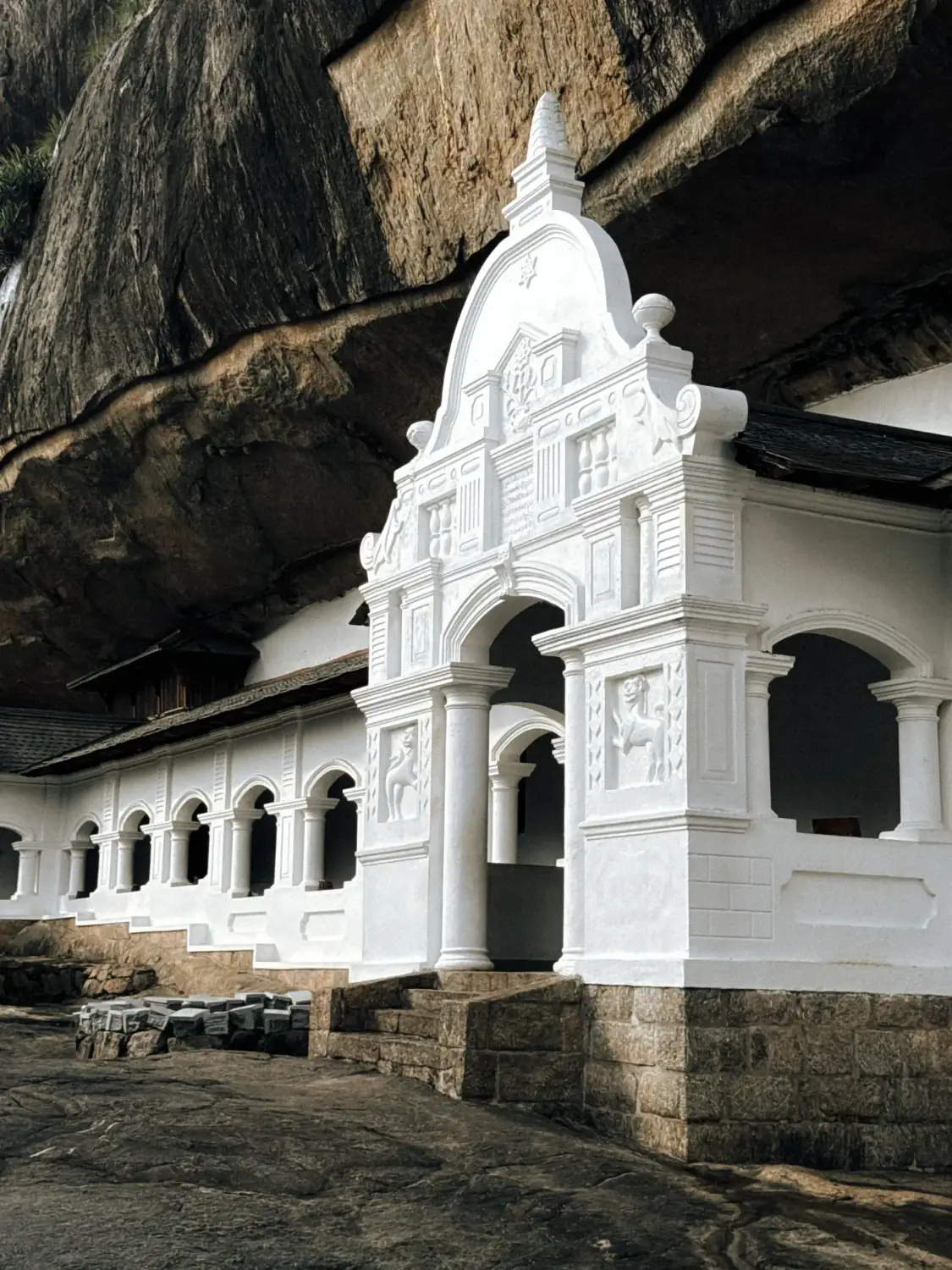
A Cultural Triangle base in Matale District built around the UNESCO-listed Rangiri Dambulla Cave Temple, about 15 km from Sigiriya in a straight line. What to do, day trips with official ticket prices, and when to go, checked 14 October 2026.
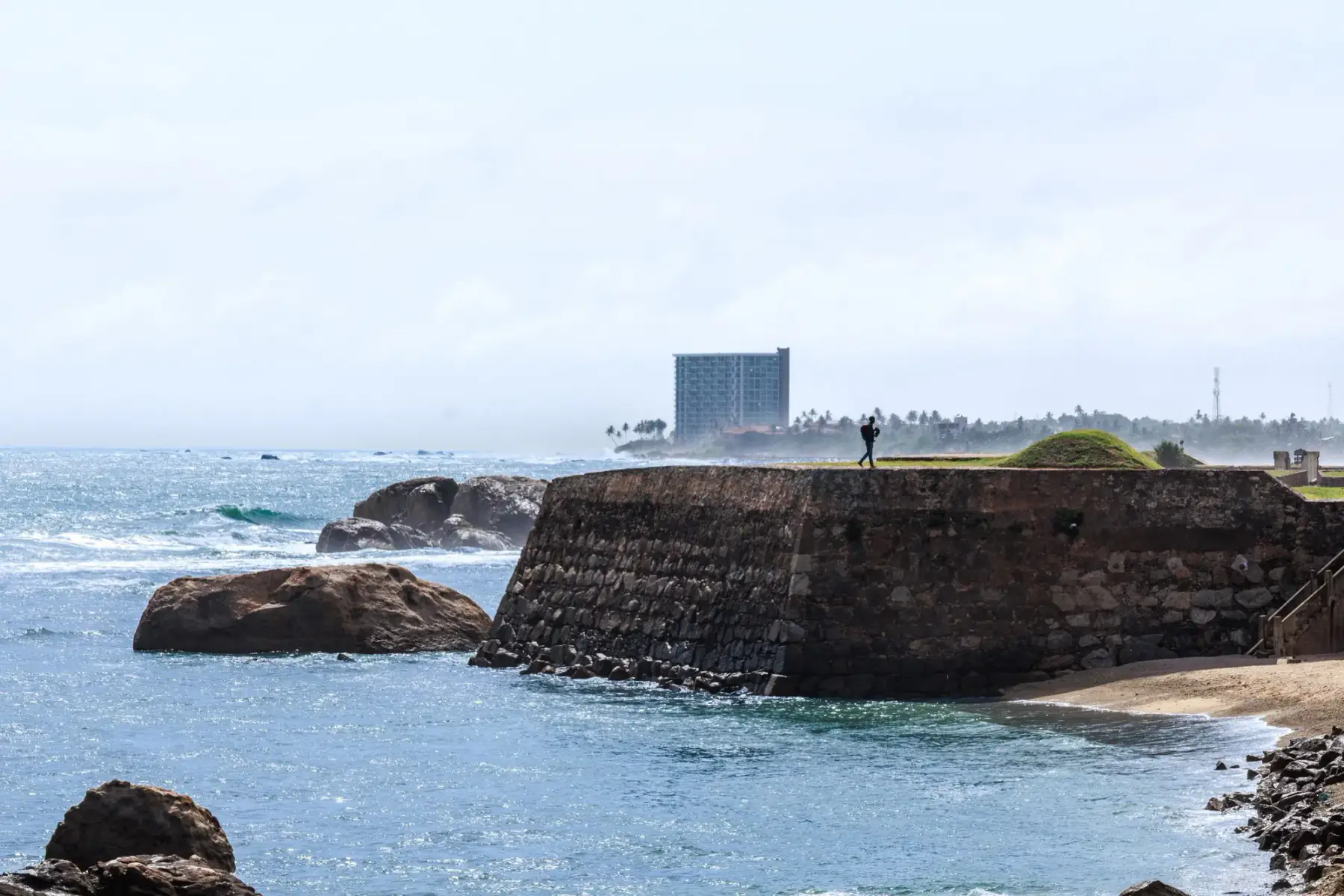
Galle
A south-coast city anchored by the UNESCO-listed Old Town of Galle and its Fortifications, distinct from a wider beach-route stop.
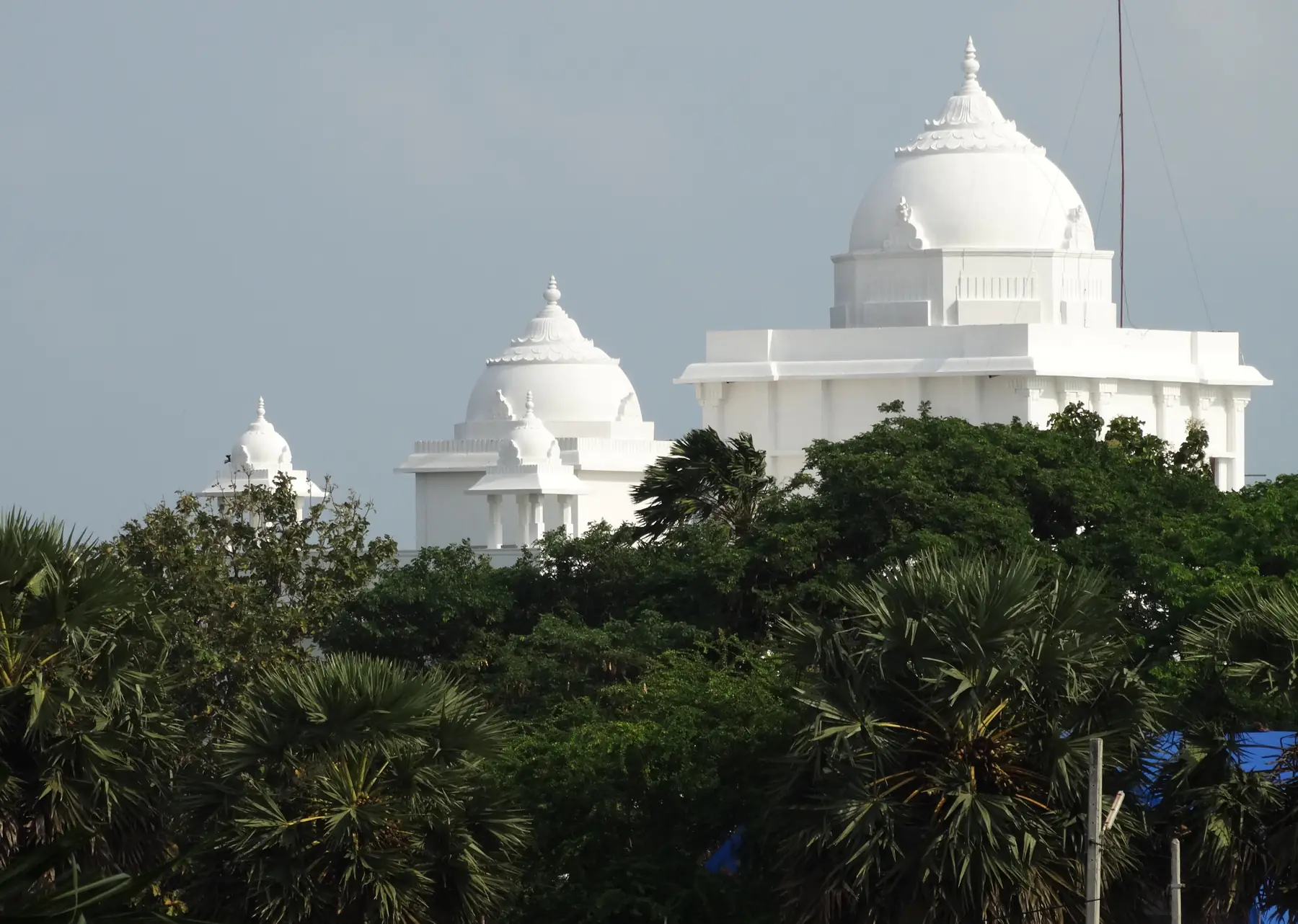
Jaffna
A northern city where active Hindu sites, colonial-era fortifications and peninsula or island routes require distinct planning.
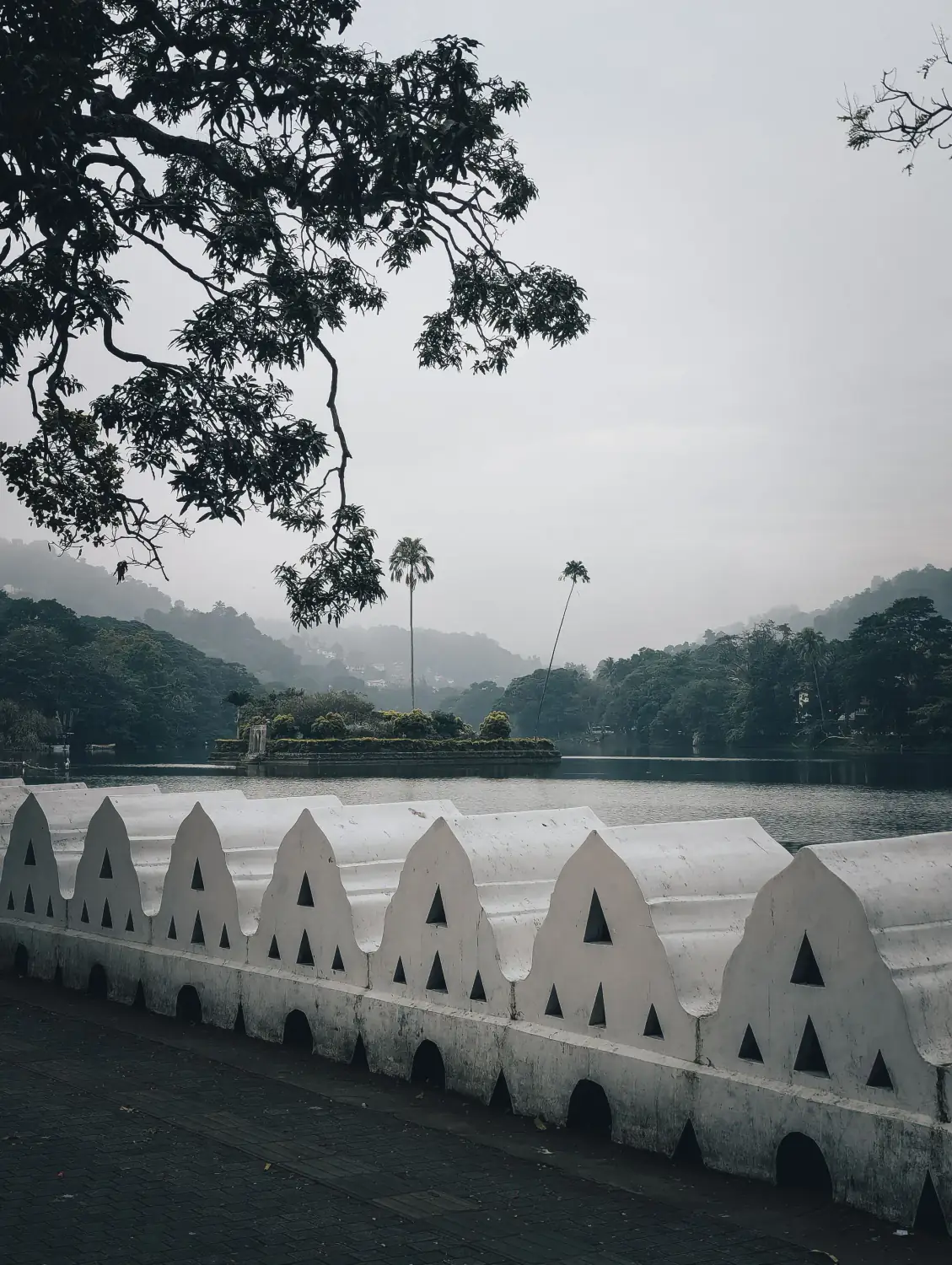
Kandy
A Central Province city whose clearest visitor purpose is the Sacred City of Kandy, the Temple of the Tooth Relic and nearby cultural and natural sites.
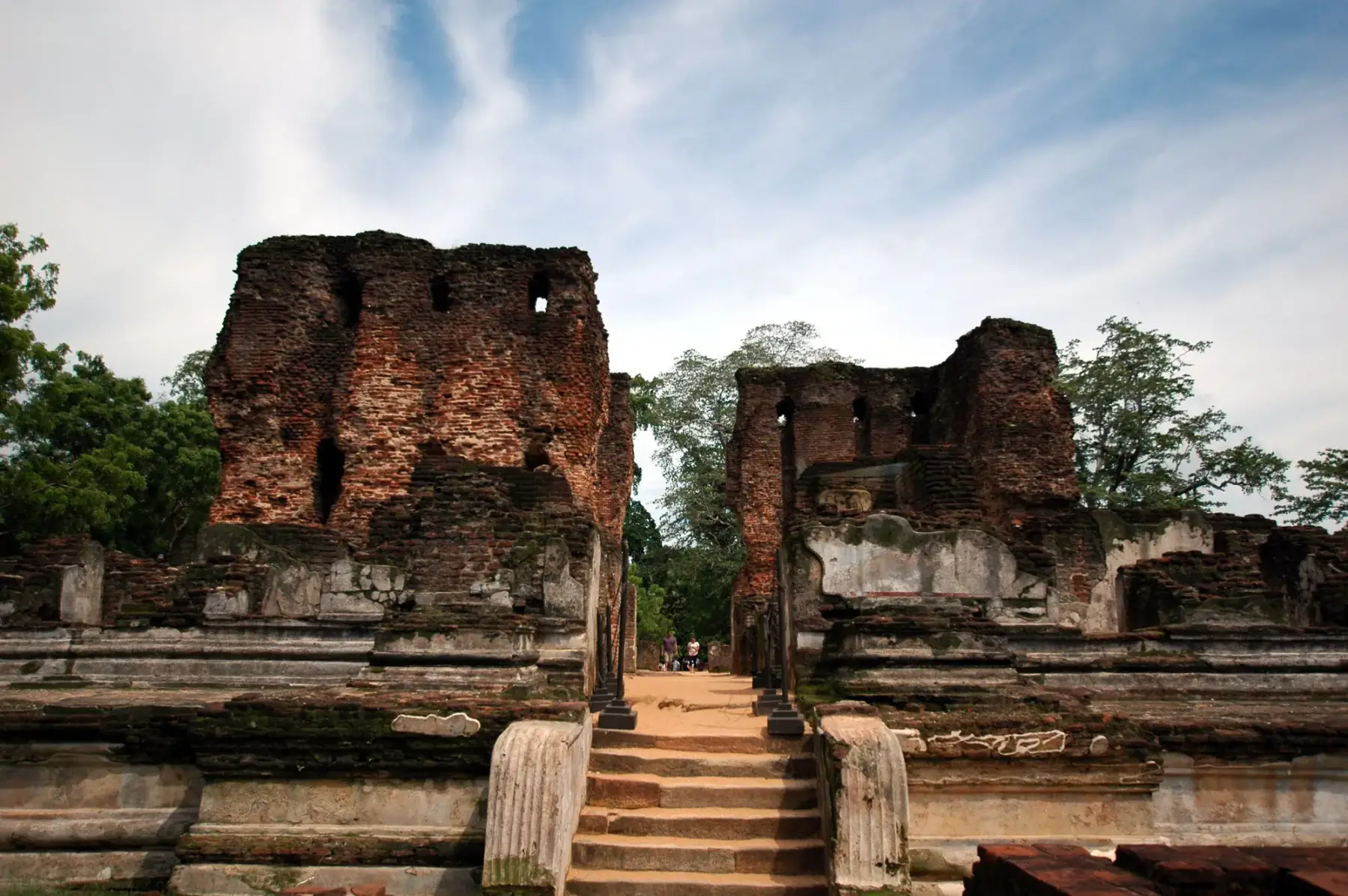
Polonnaruwa
A modern town beside the UNESCO-listed Ancient City of Polonnaruwa, suited to a focused archaeological stop.
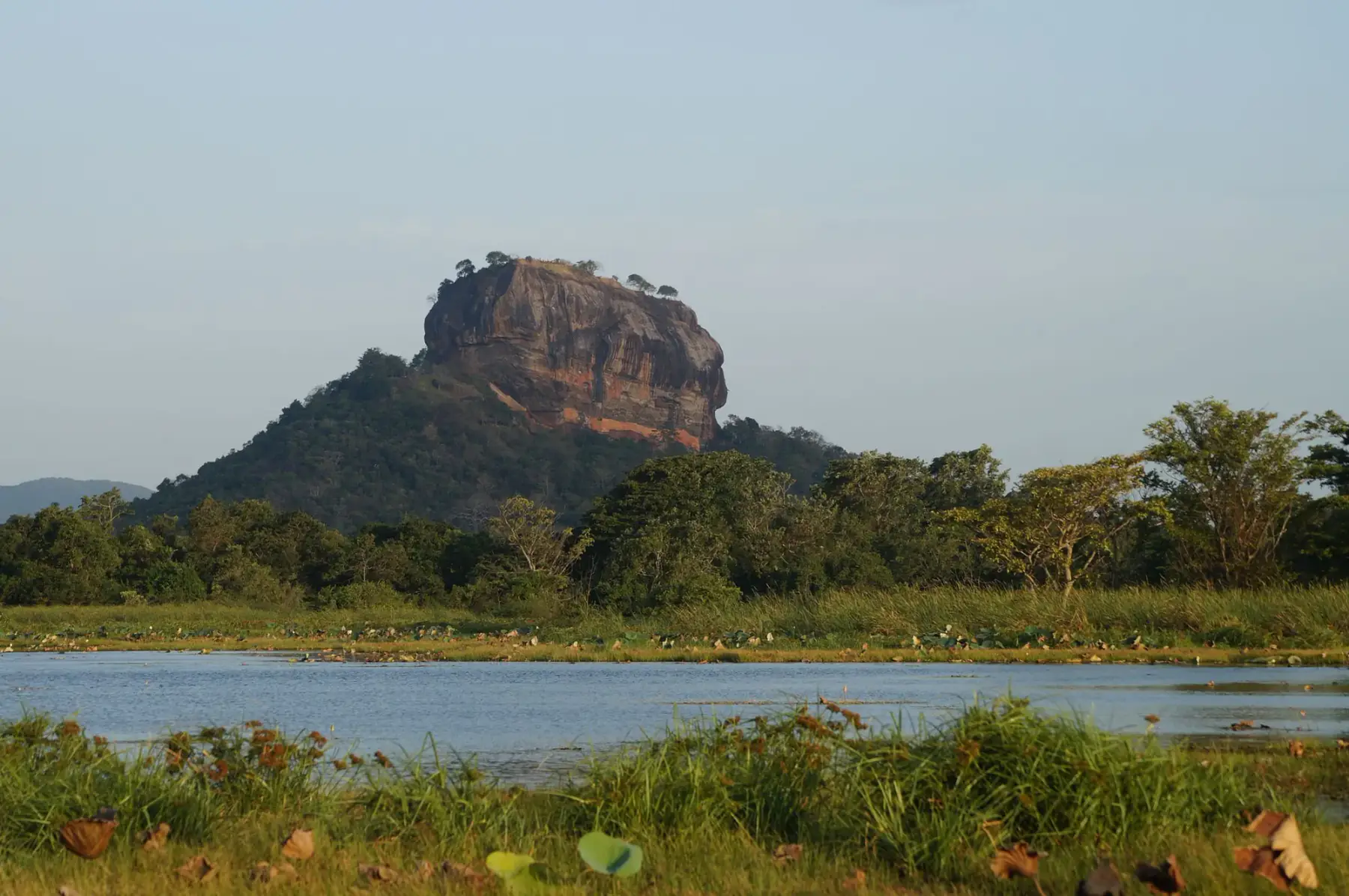
Sigiriya
A Matale District base whose clearest purpose is planning a visit to the UNESCO-listed Ancient City of Sigiriya.
Places for cultural heritage
Sacred City of Anuradhapura
A World Heritage sacred city established around a cutting from the Buddha's tree of enlightenment and shaped by centuries as a political and religious capital.
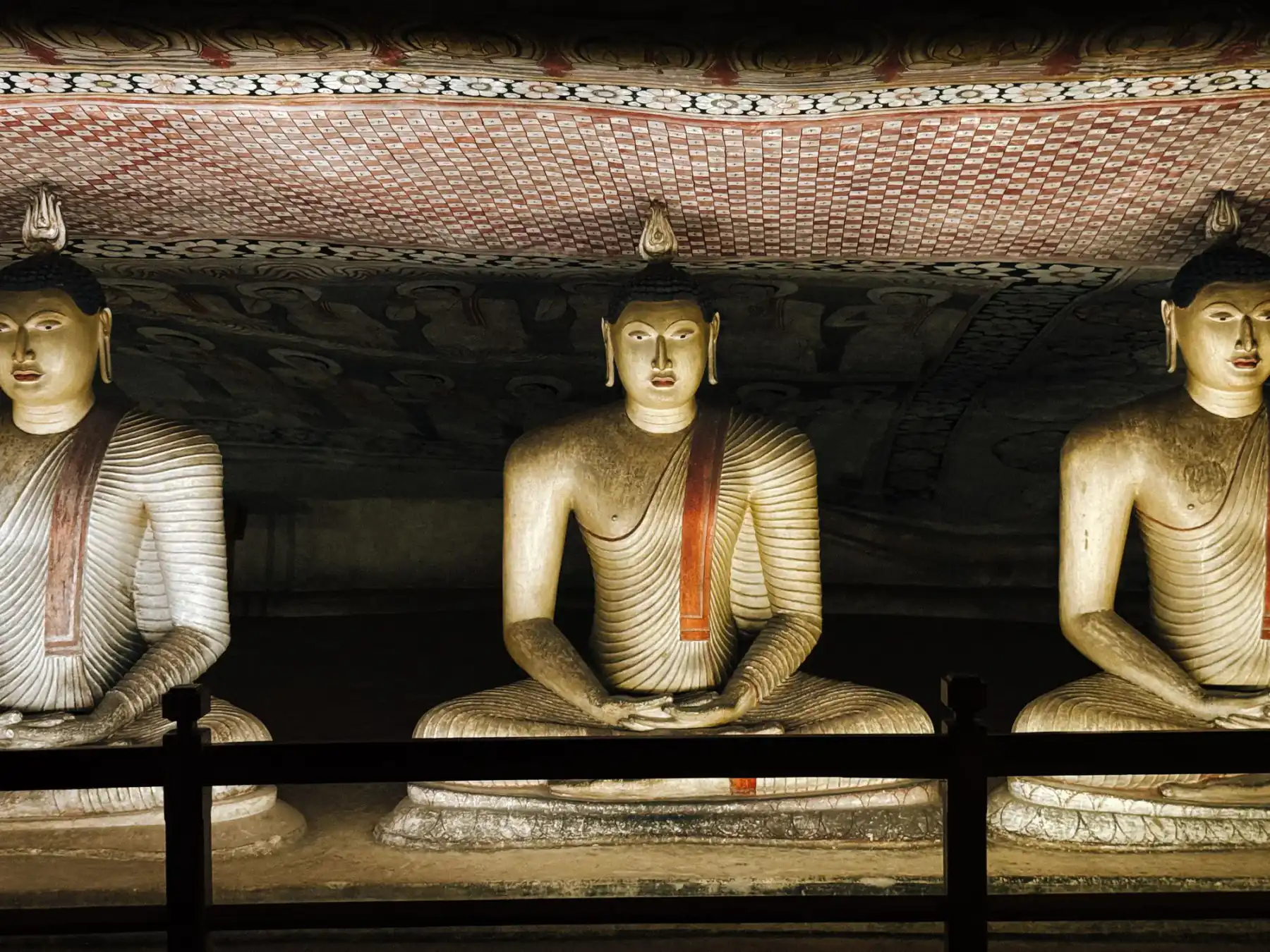
Rangiri Dambulla Cave Temple
A living Buddhist pilgrimage site organised around five cave shrines, inscribed on the World Heritage List in 1991.
Old Town of Galle and its Fortifications
A living fortified town whose World Heritage value reflects the interaction of European planning and South Asian architectural traditions.
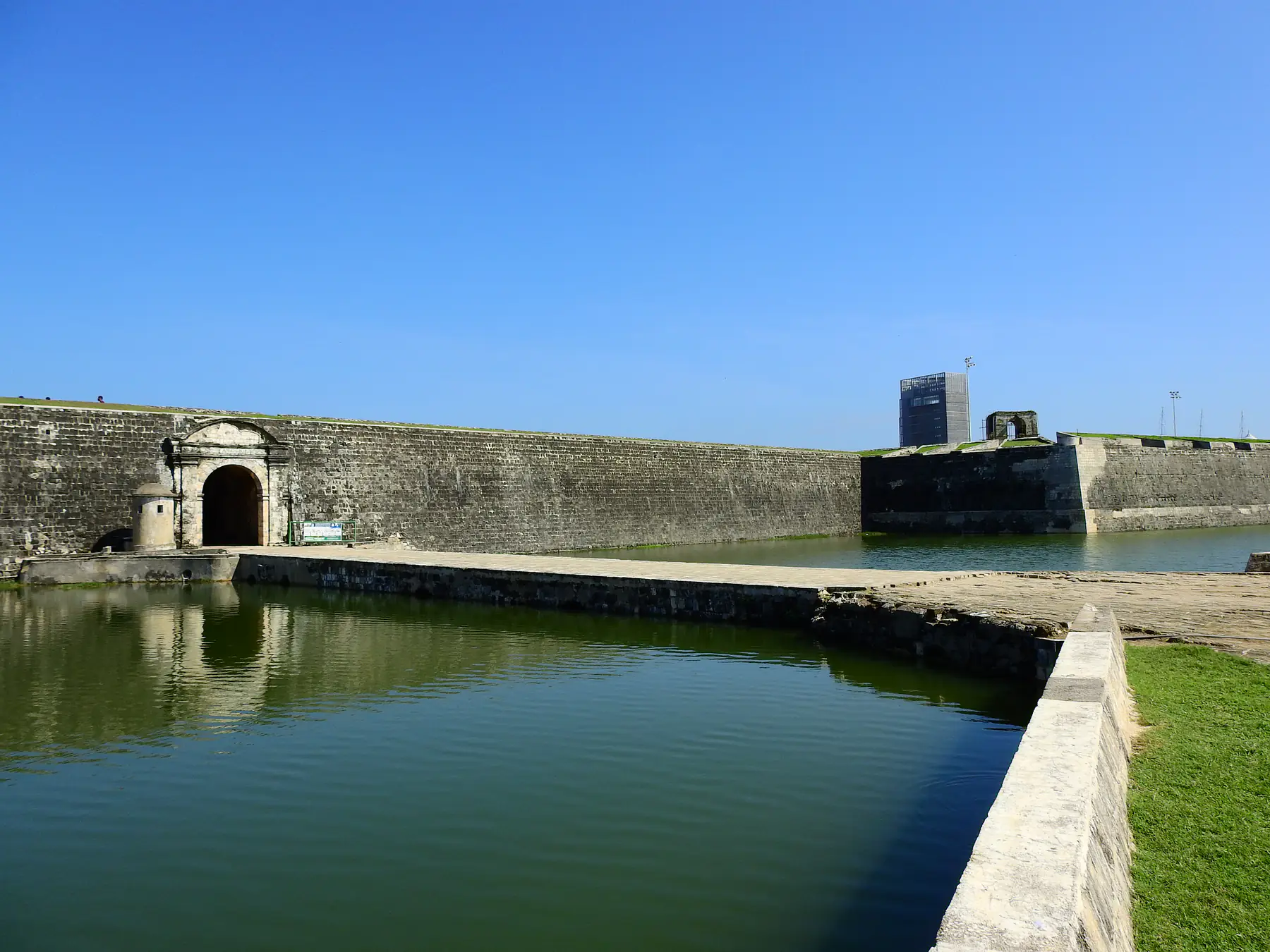
Jaffna Fort
A major fortification in Jaffna whose layered colonial history and current visitor access should be read through official heritage guidance.
Ancient City of Polonnaruwa
Sri Lanka's second capital after Anuradhapura, with Chola-period Brahmanic monuments and the 12th-century city associated with Parakramabahu I.
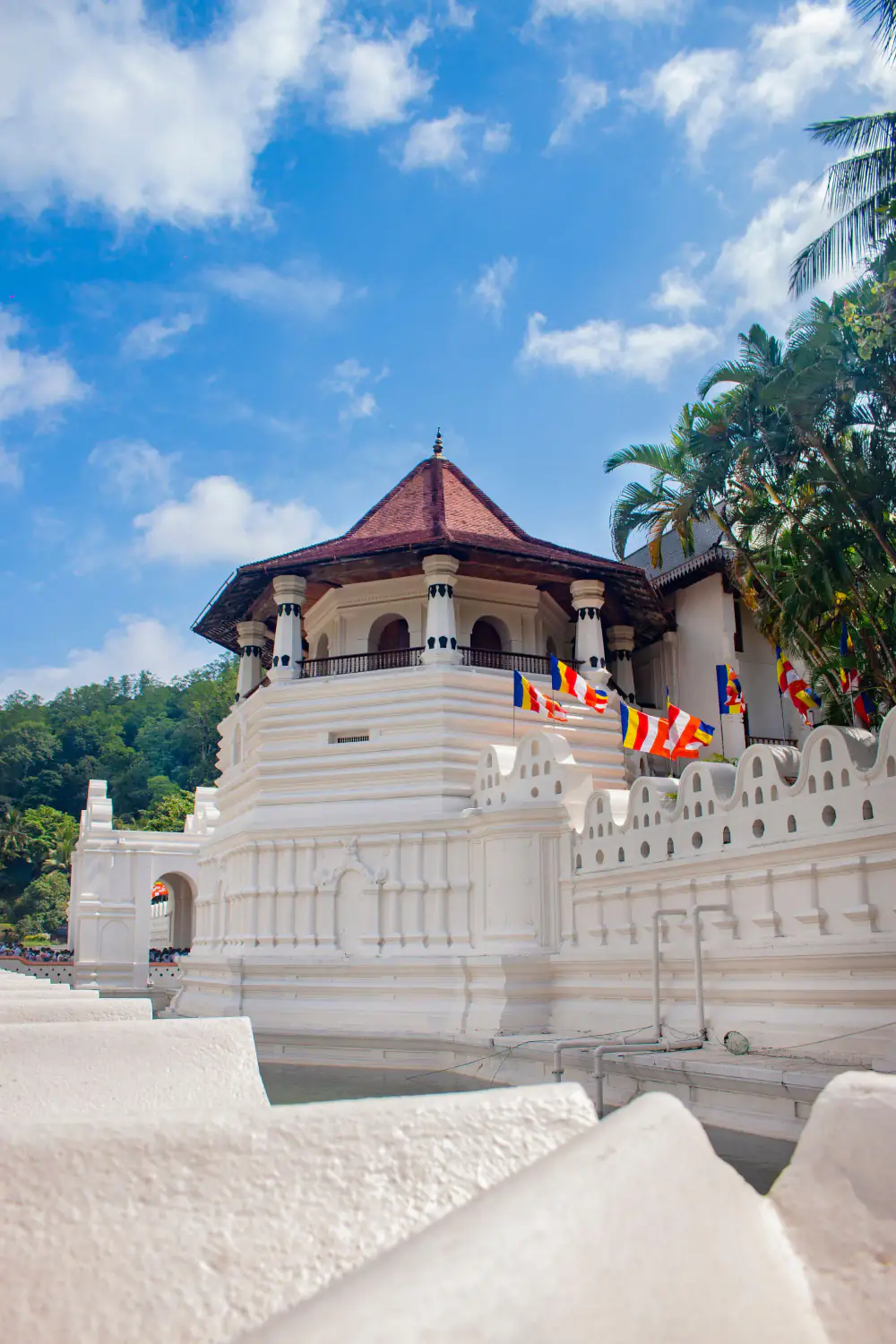
Sacred City of Kandy
The UNESCO-listed sacred city of Sri Lanka's last Sinhala royal capital, centred on the Temple of the Sacred Tooth Relic.
Ancient City of Sigiriya
A World Heritage property built across the slopes and summit of a granite peak used as King Kassapa I's capital.