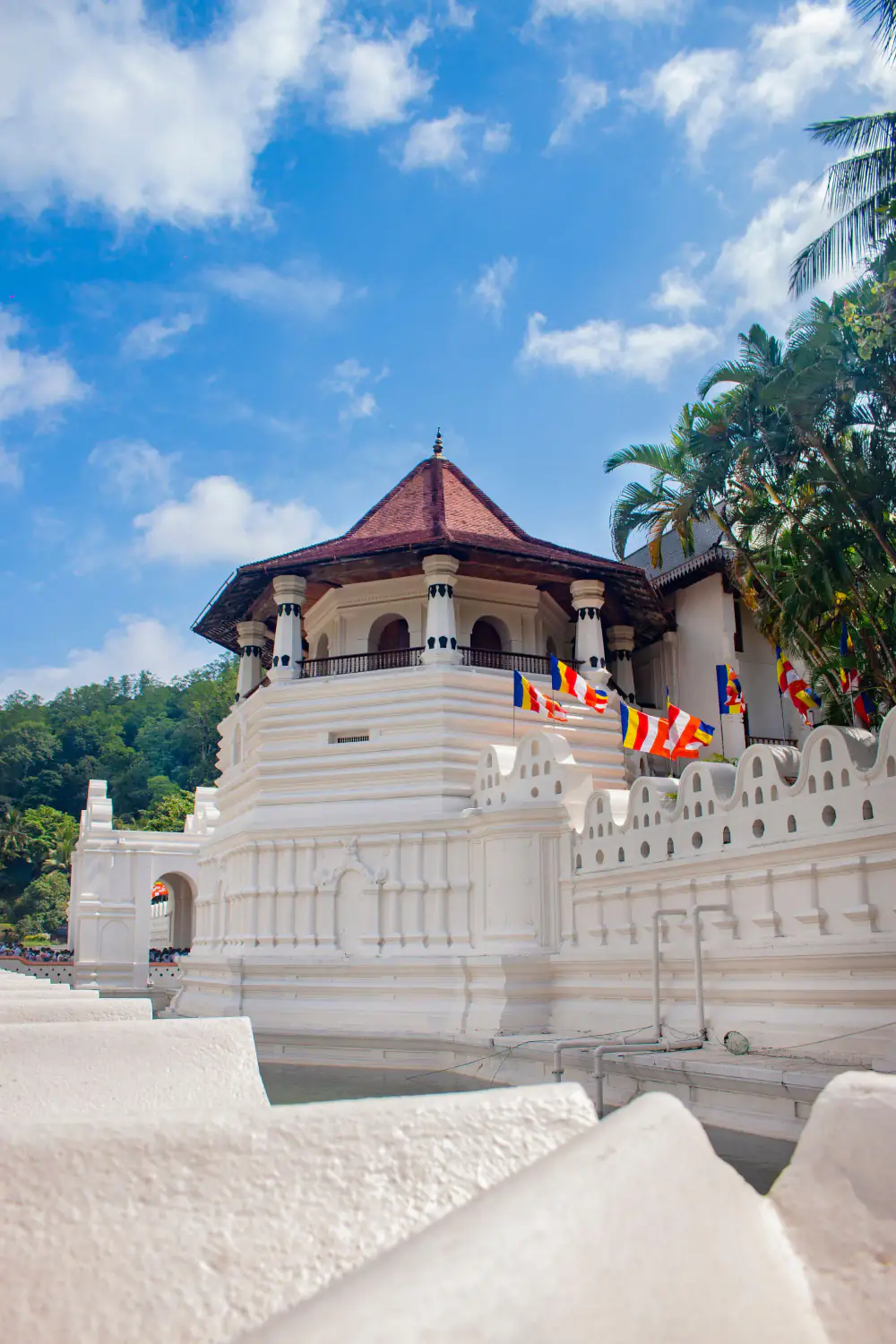
Sacred City of Kandy
The UNESCO-listed sacred city of Sri Lanka's last Sinhala royal capital, centred on the Temple of the Sacred Tooth Relic.
The Sacred City of Kandy was the last capital of the Sinhala kings and is the location of the Temple of the Sacred Tooth Relic. UNESCO inscribed the property on the World Heritage List in 1988.
What the UNESCO listing means
UNESCO describes Kandy as a sacred Buddhist site, historically known as Senkadagalapura, where royal patronage supported Sinhala culture until British occupation in 1815. It also identifies the Temple of the Tooth Relic as a major pilgrimage site.
The protected-property concept is broader than a single building, while the temple is its central religious anchor. Keep those intents separate: this page explains the World Heritage city; the Temple of the Sacred Tooth Relic page focuses on the active place of worship.
Plan with the site's religious role in mind
Visitors share the setting with worshippers and pilgrims. Dress and behave respectfully, follow current instructions, avoid obstructing ritual activity, and ask before photographing people or restricted interiors. The sacred-site guide provides a broader preparation checklist without claiming one rule applies identically everywhere.
Before visiting
- Check current entry and event arrangements with the temple or responsible authority.
- Treat festival and ritual timing as date-sensitive.
- Use the Kandy destination guide for the wider city itinerary.
- Do not assume that UNESCO inscription provides admission to every building or fixes opening hours.
Is Sacred City of Kandy worth visiting?
Worth it as the cultural heart of the last Sinhala royal capital, with the Temple of the Tooth at its centre. Plan around worship and current visitor arrangements.
Where Sacred City of Kandy fits in your route
The Kandy destination guide covers the city base; this page covers the UNESCO sacred-city property.
The sacred-city property and Kandy as a travel base overlap, but they are not the same page purpose.
Rules to follow on site
Maligawa staff direct visitors through the temple; follow their guidance. Worship shapes the site's rhythm: follow the stewards' directions, keep noise down and photograph only where permitted. Check the temple's current visitor guidance before you travel.
Sources
Last verified 2026-08-28
Read next
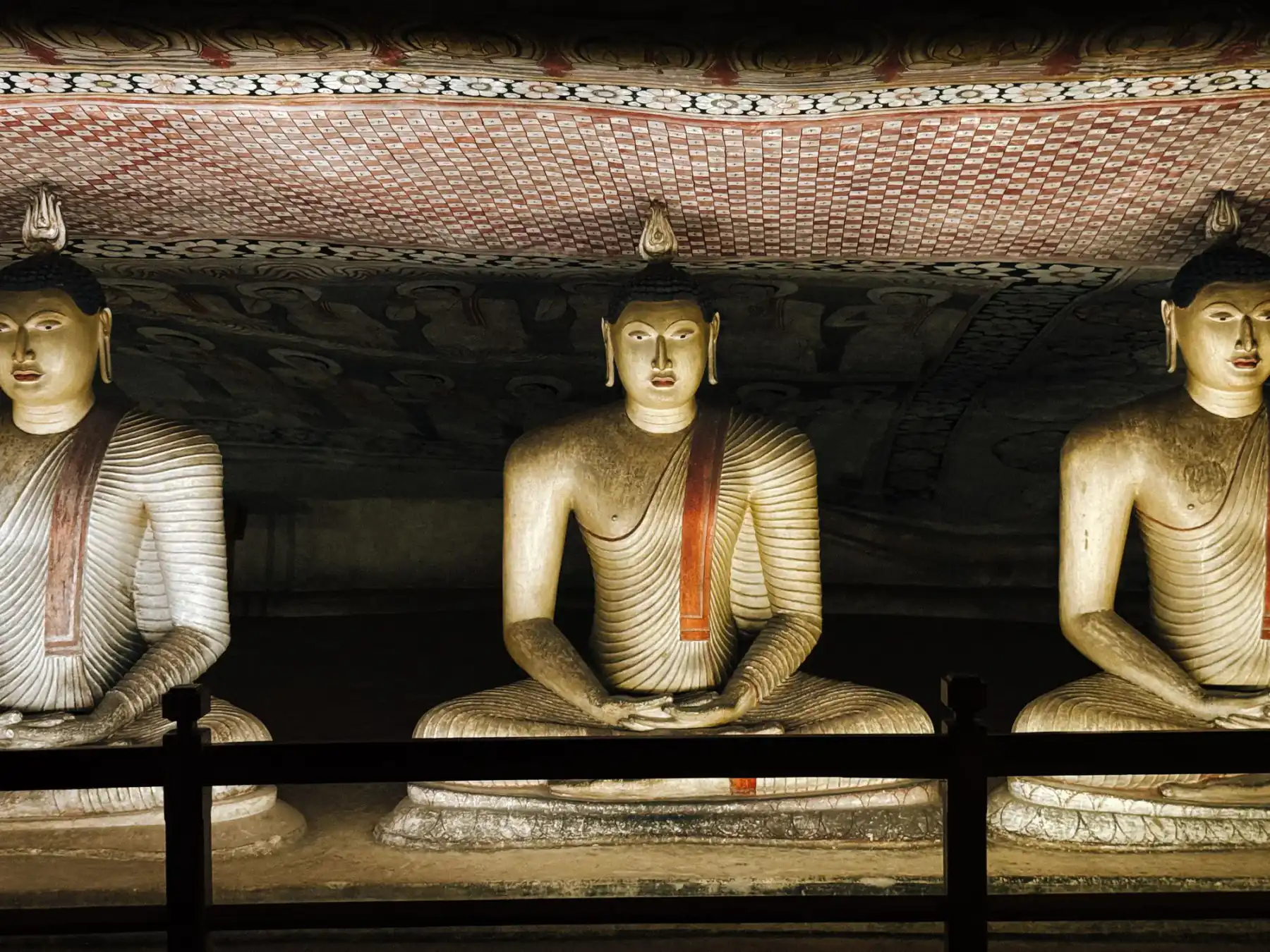
Buddhist Pilgrimage Circuit
A flexible route framework for active Buddhist sites in Anuradhapura, Mihintale and Kandy, with Sri Pada treated separately.
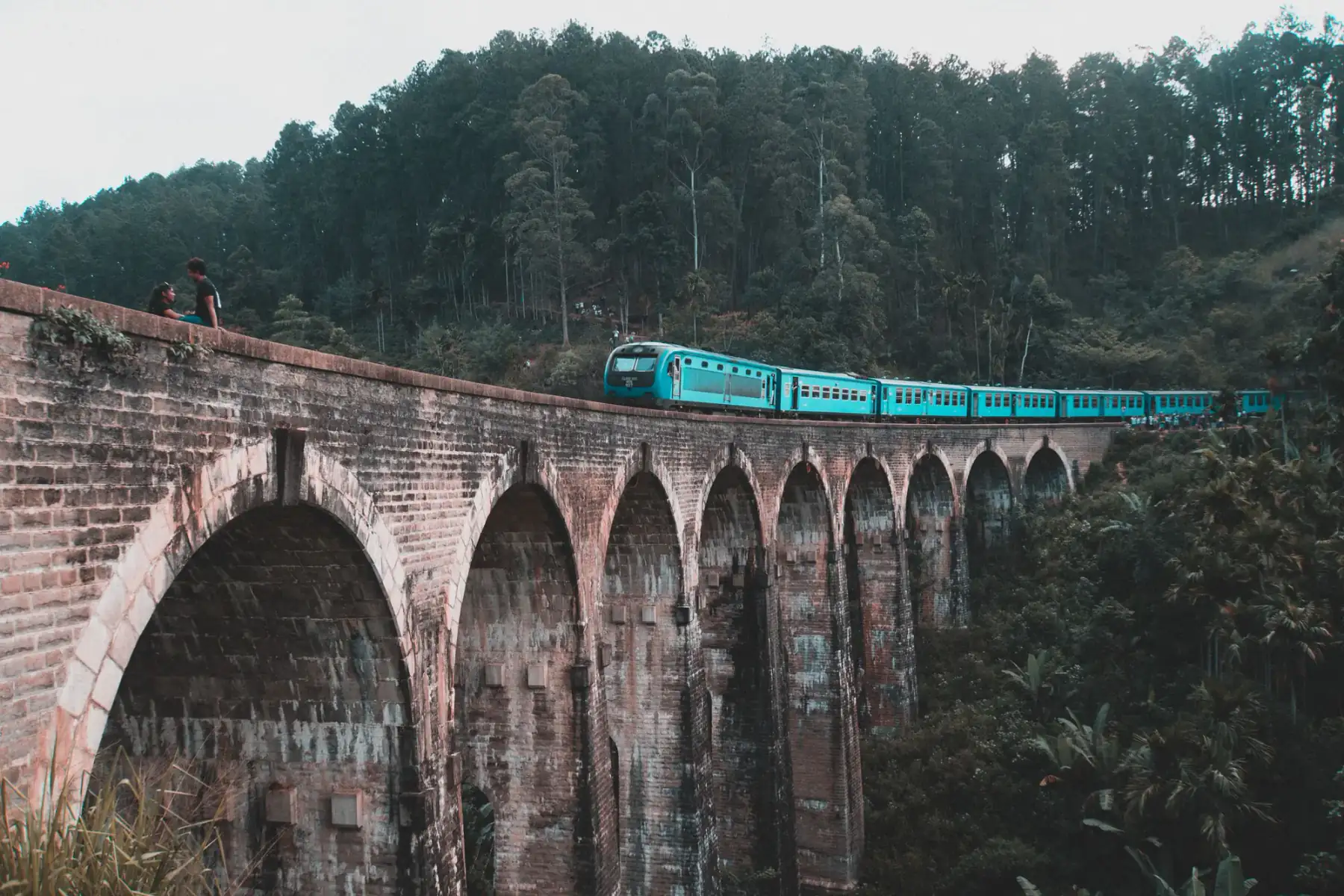
Classic Sri Lanka: South, Hills and Cultural Triangle
A day-by-day 10-day Sri Lanka itinerary: Sigiriya, Dambulla, Kandy, the Nanu Oya to Ella train, Galle and Mirissa, with dated ticket and fare costs checked 17 October 2026.
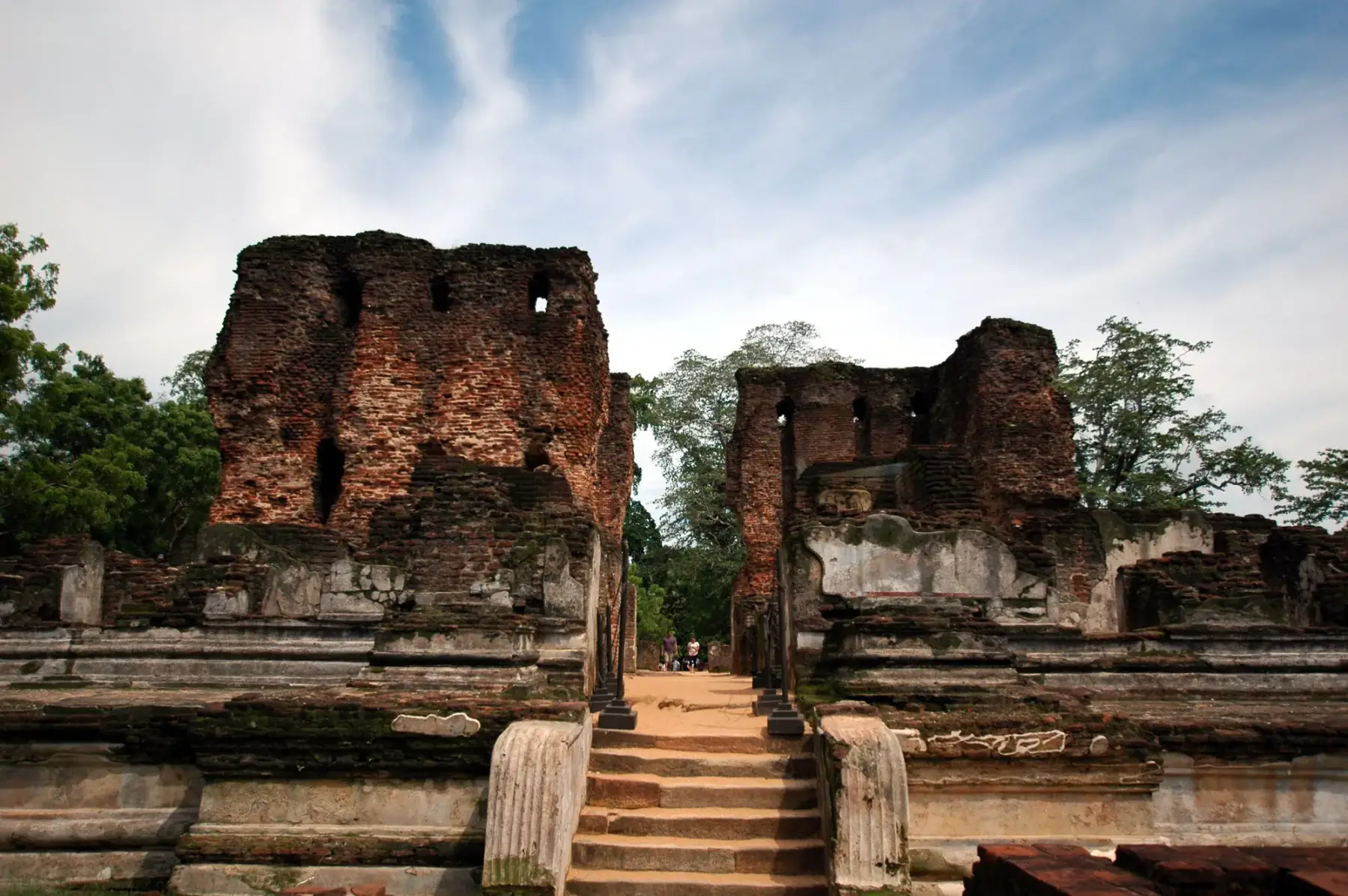
Cultural Triangle and Heritage Focus
A five-day heritage framework connecting Sigiriya, Dambulla, Anuradhapura, Polonnaruwa and Kandy without pretending every site fits one rushed loop.
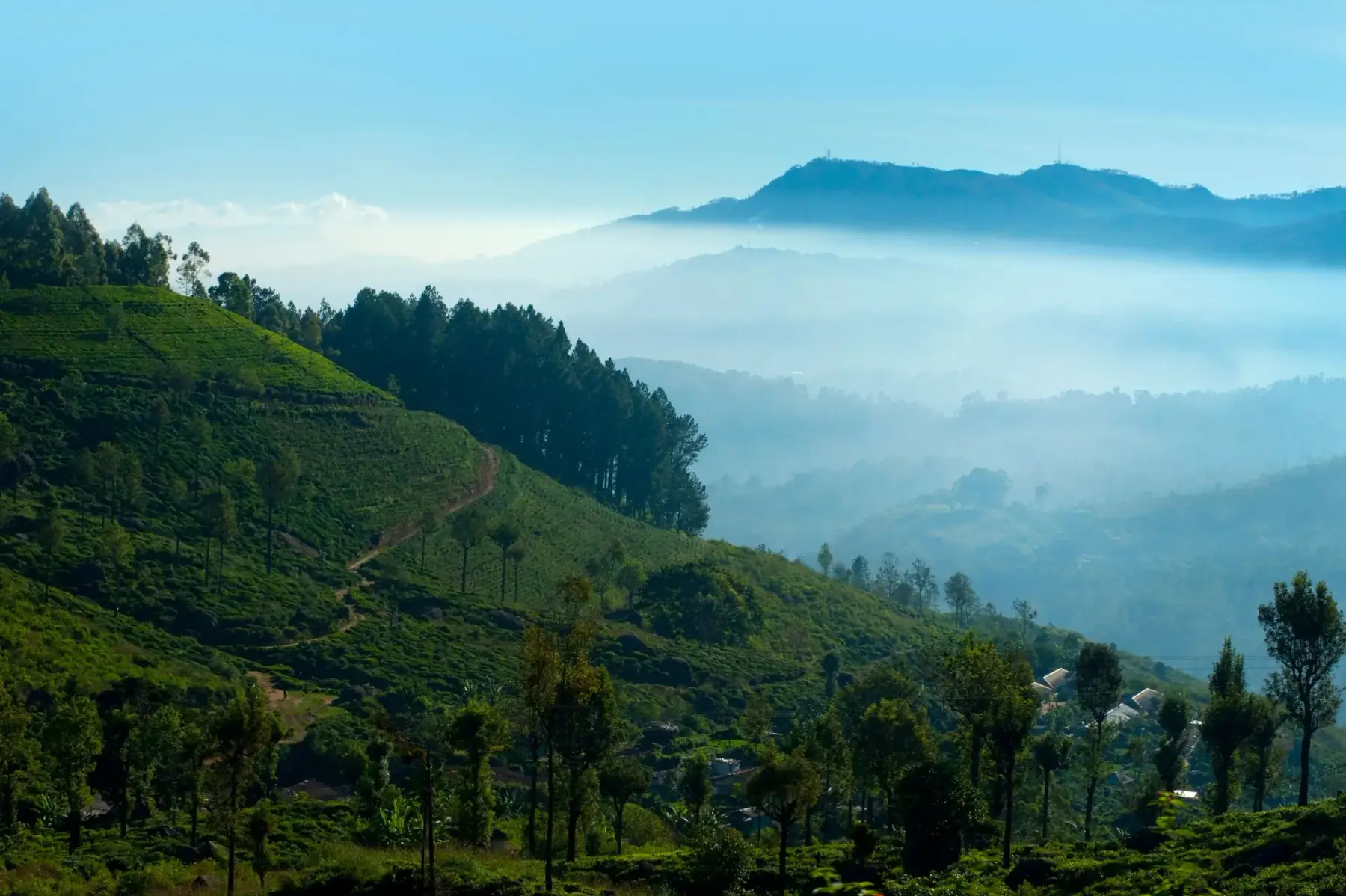
Hill Country and Tea Country
A 5-day hill-country framework through Kandy, Hatton, Nuwara Eliya and Ella, with every rail segment subject to current service confirmation.
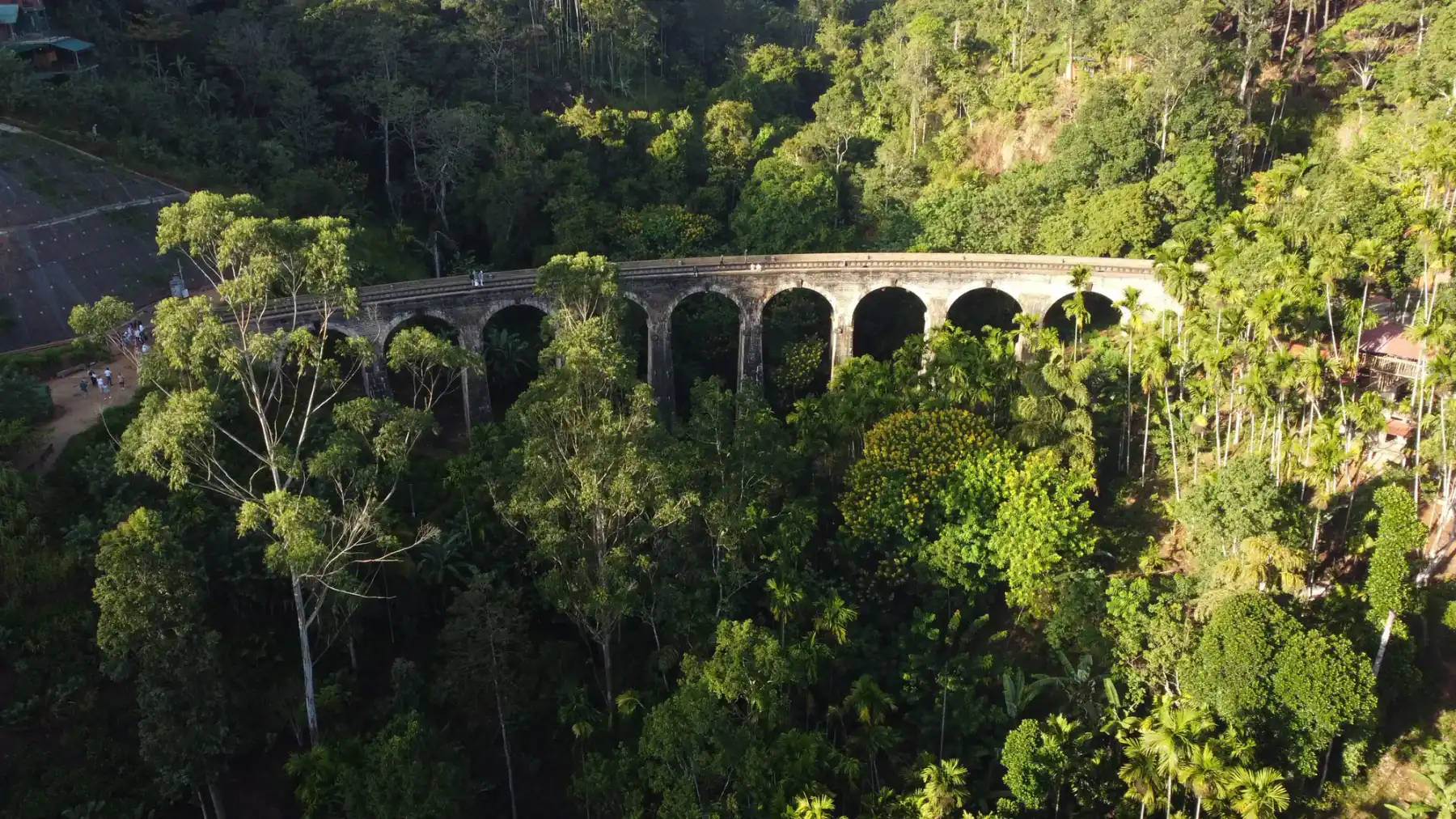
Two Weeks, Standard Pace
A day-by-day 2-week Sri Lanka itinerary: Sigiriya, Dambulla, Polonnaruwa, Kandy, Ella by the Nanu Oya train, a Yala safari, Galle and Mirissa, with dated ticket and fare costs checked 17 October 2026.
More places in this region
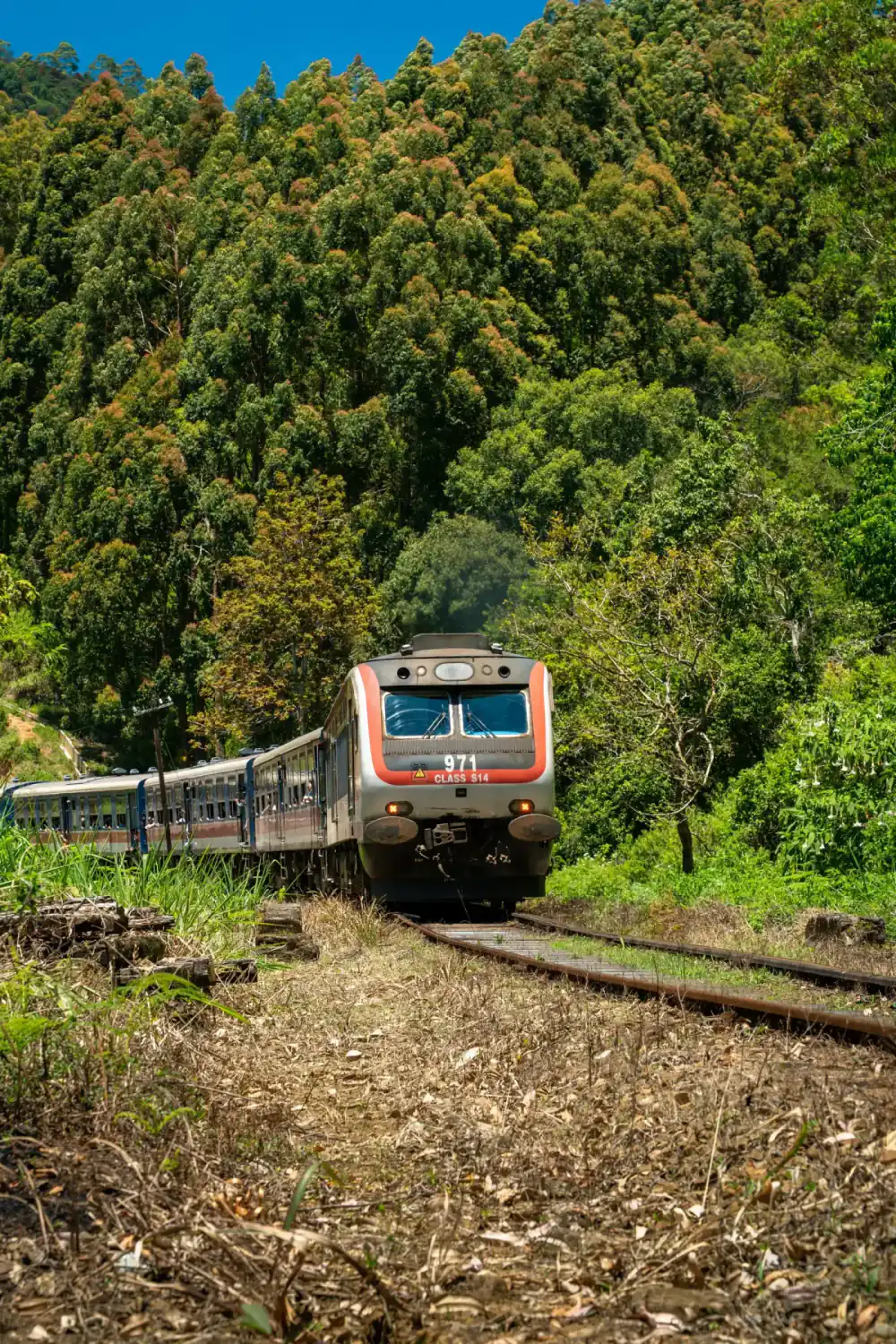
Central Highlands of Sri Lanka
UNESCO 2010 · NatureA serial UNESCO World Heritage property comprising Peak Wilderness, Horton Plains and Knuckles Conservation Forest.
Horton Plains National Park
NatureA component of the UNESCO-listed Central Highlands and the protected setting for the walk to World's End.
Little Adam's Peak
NatureA town-edge hill walk near Ella whose route, access, weather and physical demands should be checked currently.