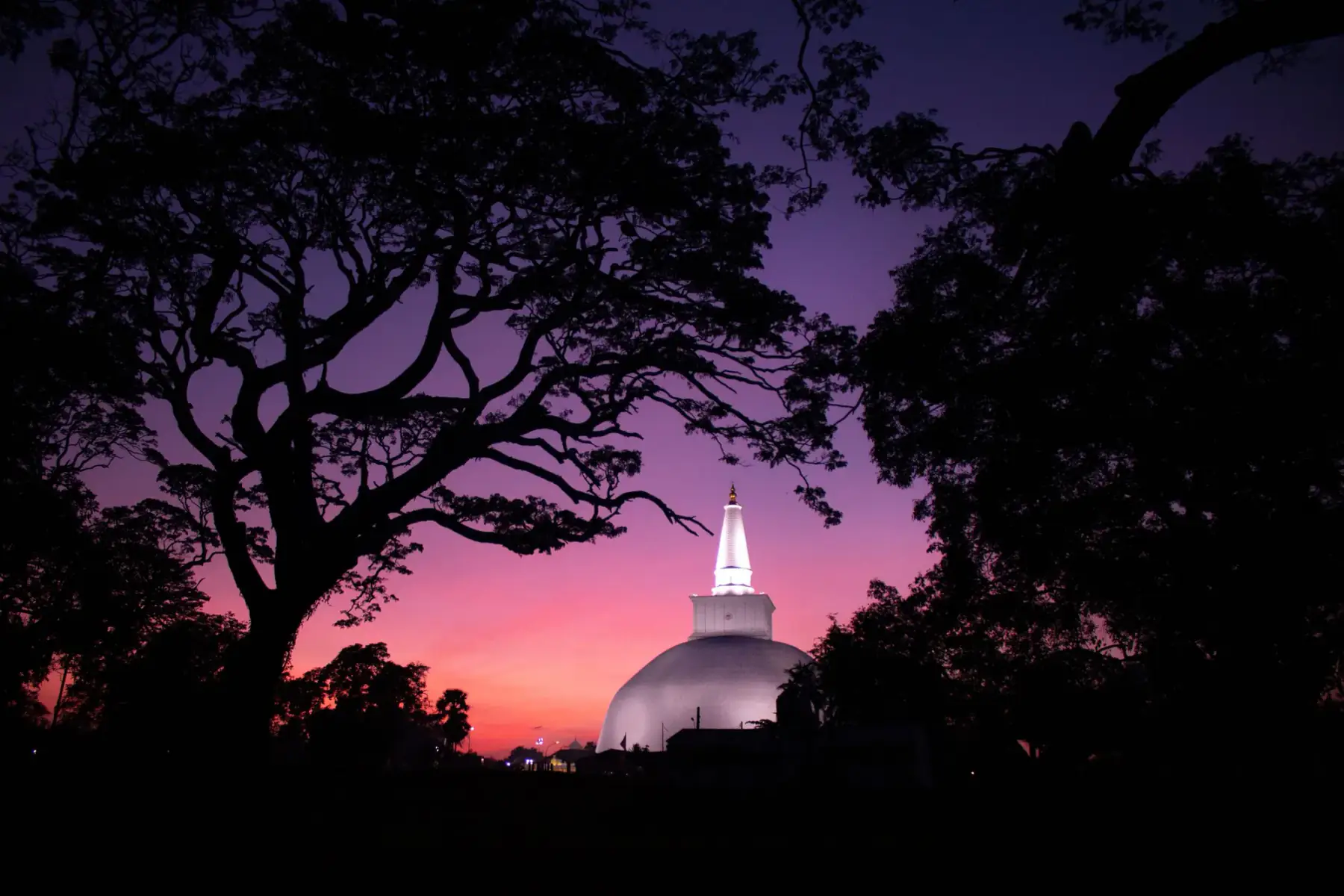
Sacred City of Anuradhapura
A World Heritage sacred city established around a cutting from the Buddha's tree of enlightenment and shaped by centuries as a political and religious capital.
Is Anuradhapura worth visiting? (Checked 11 October 2026)
Yes, for travellers drawn to a living sacred city on an archaeological scale. UNESCO describes Anuradhapura as a political and religious capital that flourished for about 1,300 years before it was abandoned after an invasion in 993. The city grew around a cutting from the Buddha's tree of enlightenment, brought in the 3rd century BCE by Sanghamitta, and worship there continues today. Give it a full day and a short list of named places.
| Checked on 11 October 2026 | |
|---|---|
| Full ticket | USD 30 (LKR 10,080), per CCF list updated 14 Oct 2026 |
| Half ticket | USD 15 (LKR 5,040), per CCF list updated 14 Oct 2026 |
| SAARC citizens | 50 per cent off CCF tickets |
| Opening hours | 7.00 am to 5.00 pm, ticket counters daily |
| Entry | Single entry, per the CCF ticket page |
| Online booking | CCF eTicketing at eservices.ccf.gov.lk; orders valid 90 days |
| Dress | Modest dress at religious sites; follow shoe and hat instructions |
How much is the Anuradhapura entrance fee?
Per CCF list updated 14 Oct 2026, an Anuradhapura full ticket is USD 30 (LKR 10,080) and a half ticket USD 15 (LKR 5,040), at the Fund's listed rate of 336 rupees to the US dollar. Check the current CCF price list before you go. Prices are quoted in dollars and paid in rupees at the day's rate, so the rupee amount moves with the exchange rate. SAARC citizens receive a 50 per cent discount on CCF tickets.
The CCF ticket page describes the Anuradhapura ticket as valid for a single entry. It also describes a Cultural Triangle round ticket covering Anuradhapura, Sigiriya and Polonnaruwa, valid for two months from first use, but its price list does not show a price for it. Ask at a CCF counter before relying on it.
Can you buy tickets online?
Yes. The CCF sells heritage-site tickets through its eTicketing system at eservices.ccf.gov.lk. Orders are valid for 90 days from the purchase date. Show your booking receipt at the site ticket counter to collect the physical ticket. For booking help, the CCF lists +94 11 250 7089 and +94 11 250 8960.
What are the opening hours?
The Central Cultural Fund lists Anuradhapura as open from 7.00 am to 5.00 pm, and says all its heritage-site ticket counters open the same hours daily. The CCF ticket covers the archaeological property. Active religious places within the city keep their own routines, so confirm current access at each one on the day.
What should you see in the sacred city?
UNESCO describes palaces, monasteries and monuments spread across the sacred city, which spent many years hidden in jungle before being uncovered. Rather than trying to see everything, choose a few places by purpose:
- the Jaya Sri Maha Bodhi, the living pilgrimage place at the centre of the sacred-city tradition;
- Ruwanwelisaya, a major active Buddhist stupa; and
- Mihintale, a separate pilgrimage and archaeological landscape near Anuradhapura, not automatically part of the same ticket or visit.
The Anuradhapura destination guide covers how long to stay and where the city fits as a base.
What is the dress code?
Dress for active Buddhist sites. Sri Lanka Tourism advises modest dress for women when visiting religious sites. Follow instructions on removing shoes and hats at shrines such as the Sri Maha Bodhi and the stupas. On photography, Sri Lanka Tourism says it is strictly forbidden to be photographed in front of or beside statues and murals, and that flash can damage old murals. Our what to wear guide and the sacred-sites guide give fuller etiquette.
How do you plan a respectful visit?
- Decide which sacred and archaeological places matter most.
- Check the ticket and site coverage through the Central Cultural Fund.
- Confirm separate religious-site rules, access and any ceremonies on the day.
- Plan transport between stops; the property is spread out, not one compact attraction.
- Leave room for worshippers and follow instructions at active sacred places.
This page does not prescribe a universal visit length. The right duration depends on the number of places, their current access and the needs of your group.
Where does Anuradhapura fit in your route?
Use the Anuradhapura destination guide for accommodation, arrival and the wider base, and this page for the UNESCO property. Choosing between the two ancient capitals? See Anuradhapura or Polonnaruwa?, which compares them side by side.
Frequently asked questions
How much is the Anuradhapura entrance fee?
Per CCF list updated 14 Oct 2026, a full ticket is USD 30 (LKR 10,080) and a half ticket USD 15 (LKR 5,040), at the Fund's listed rate of 336 rupees to the dollar. Check the current CCF price list (ccf.gov.lk/is/index.php) before you go. Prices are quoted in dollars and paid in rupees at the day's rate, and SAARC citizens get 50 per cent off.
What are the Anuradhapura sacred city opening hours?
The Central Cultural Fund lists Anuradhapura as open from 7.00 am to 5.00 pm, with ticket counters open the same hours every day (checked 11 October 2026). Active temples within the city keep their own arrangements, so check those on the day.
Can you buy Anuradhapura tickets online?
Yes. The Central Cultural Fund sells tickets through its eTicketing system at eservices.ccf.gov.lk. Orders are valid for 90 days from purchase, and you collect the physical ticket by showing the booking receipt at the site counter. The CCF lists the Anuradhapura ticket as valid for a single entry.
What is the dress code at Anuradhapura?
Dress modestly for active Buddhist sites: Sri Lanka Tourism advises modest dress at religious places. Follow instructions on removing shoes and hats at shrines such as the Sri Maha Bodhi. Sri Lanka Tourism also says it is strictly forbidden to be photographed in front of or beside statues and murals.
Is Anuradhapura worth visiting?
Yes, for travellers drawn to a living sacred city on an archaeological scale. UNESCO describes a political and religious capital that flourished for about 1,300 years, built around a cutting of the Buddha's tree of enlightenment that is still a focus of worship. Give it a full day and a short list of named places.
Sources
Last verified 2026-10-11
Read next
Anuradhapura or Polonnaruwa?
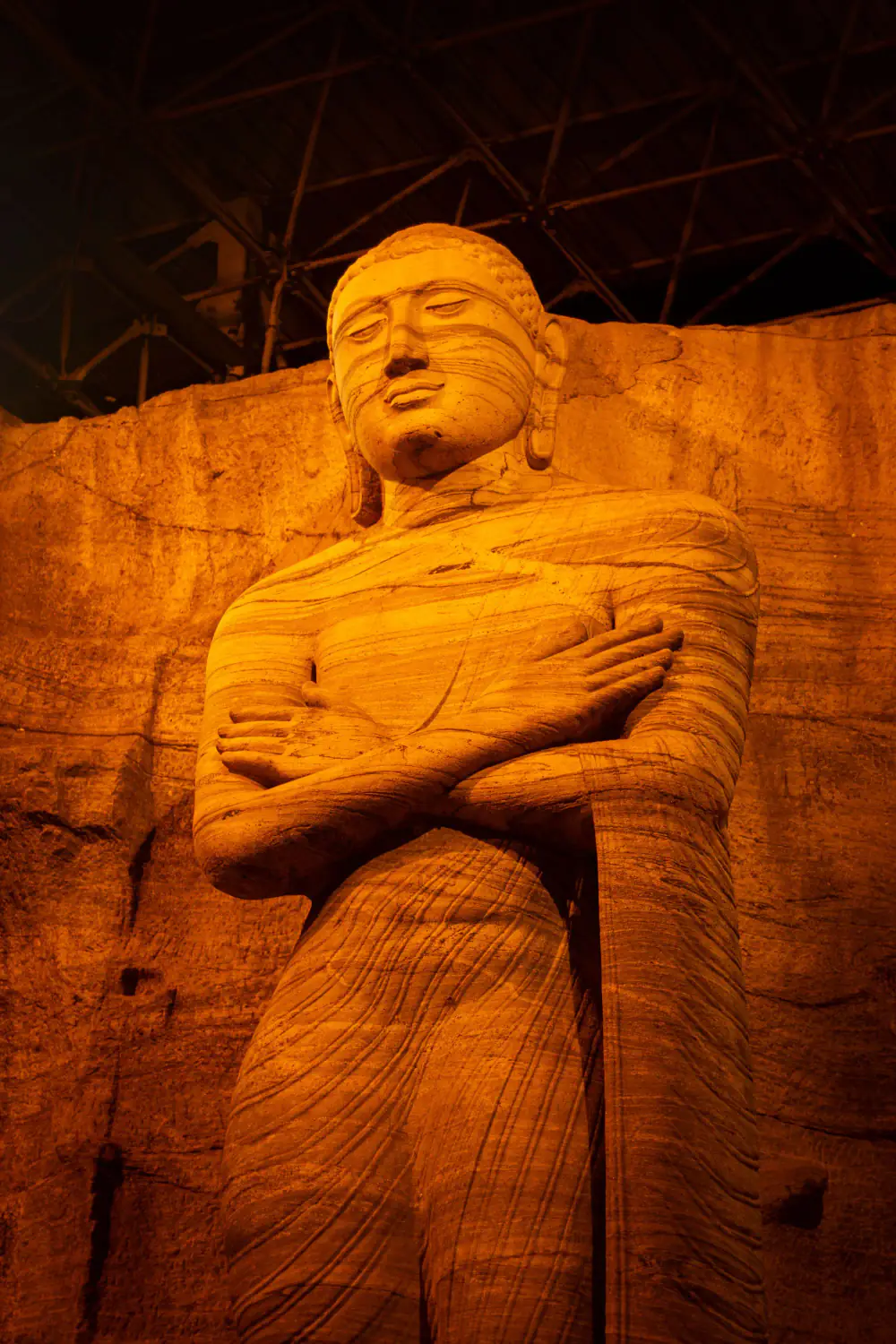
Choose Anuradhapura for a living sacred city and Sri Lanka's first capital; choose Polonnaruwa for medieval sculpture and a shorter hop from Sigiriya or Dambulla. Tickets and routes checked 9 October 2026.
Buddhist Pilgrimage Circuit
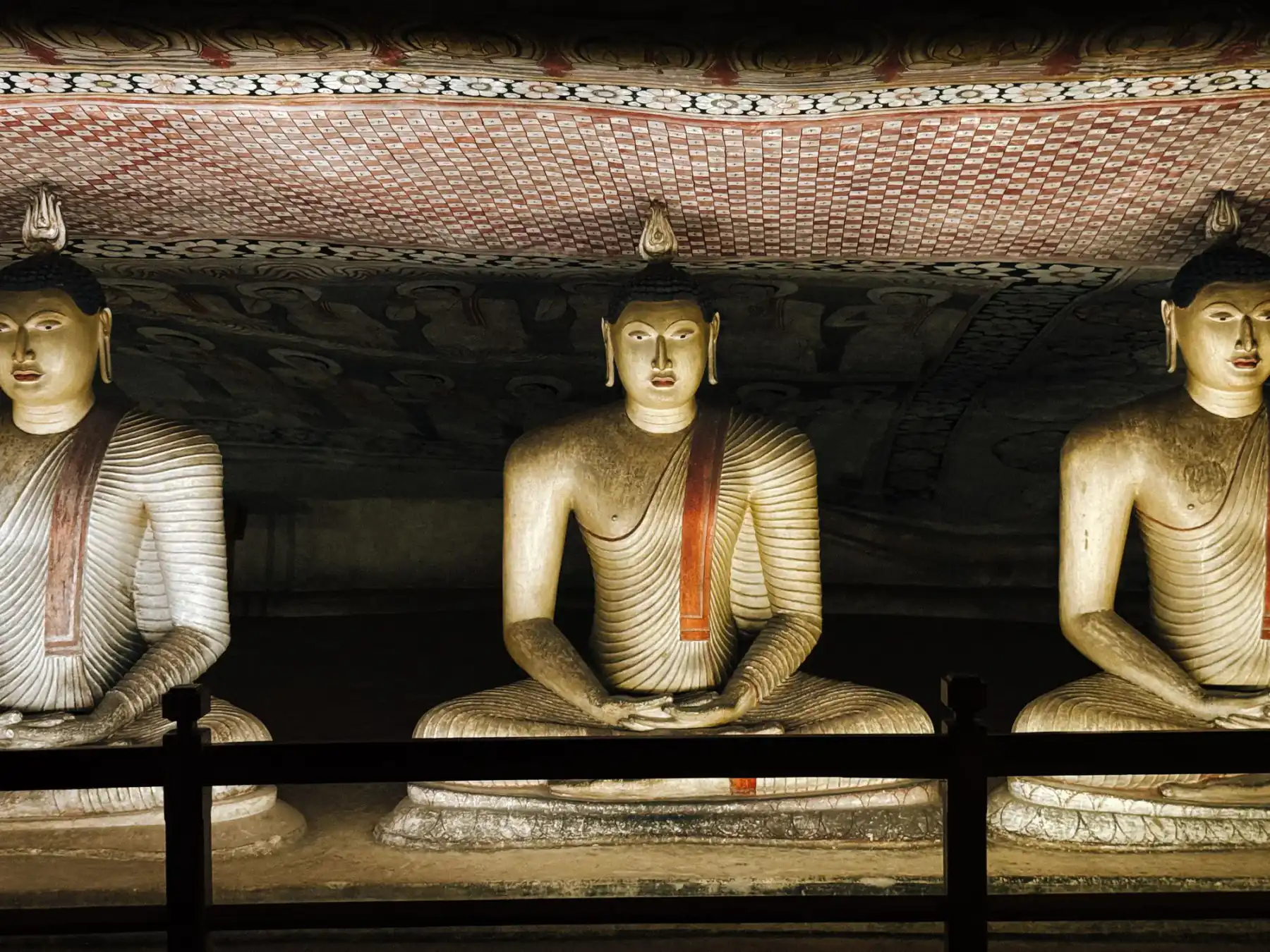
A flexible route framework for active Buddhist sites in Anuradhapura, Mihintale and Kandy, with Sri Pada treated separately.
Cultural Triangle and Heritage Focus
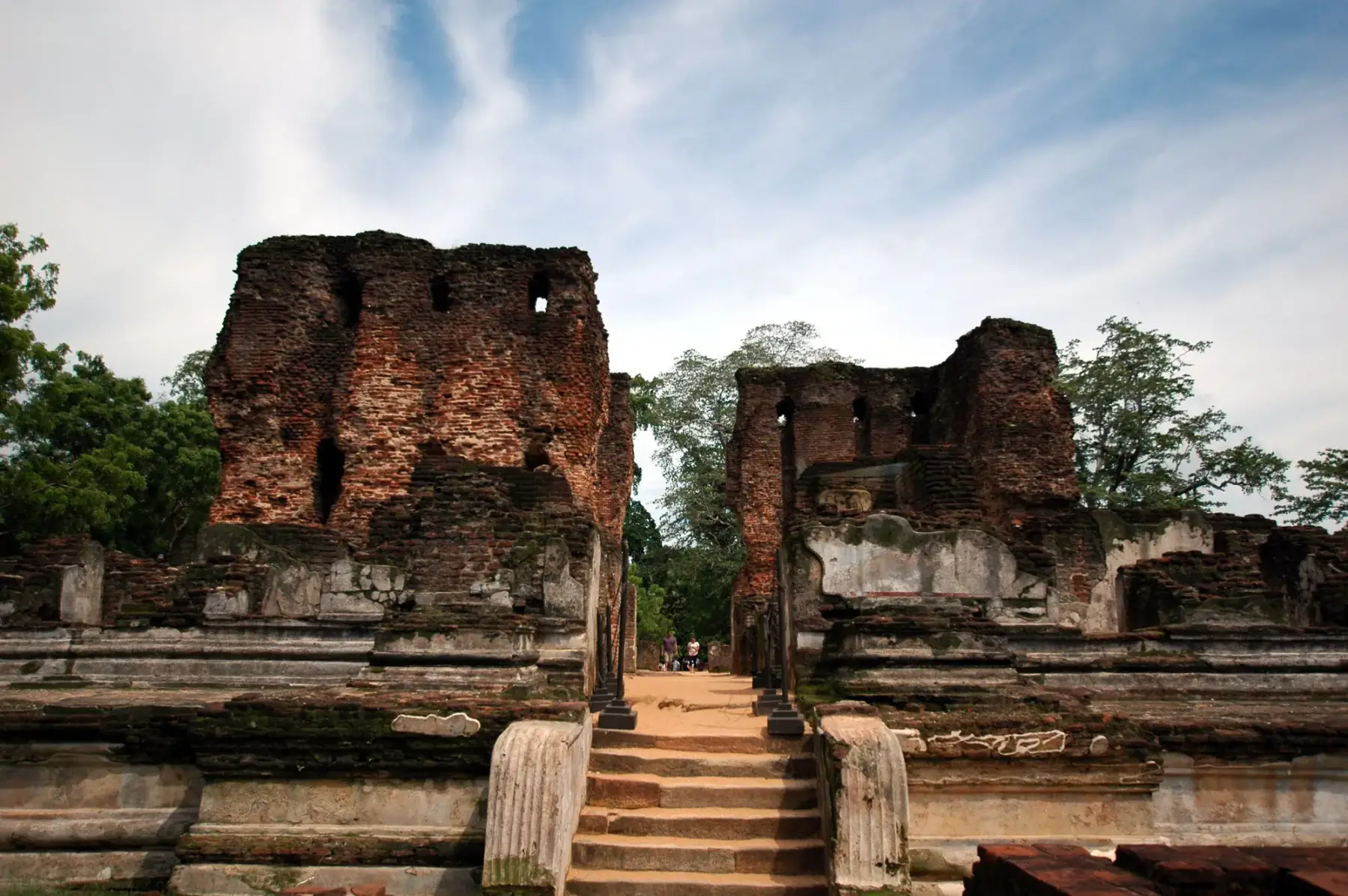
A five-day heritage framework connecting Sigiriya, Dambulla, Anuradhapura, Polonnaruwa and Kandy without pretending every site fits one rushed loop.
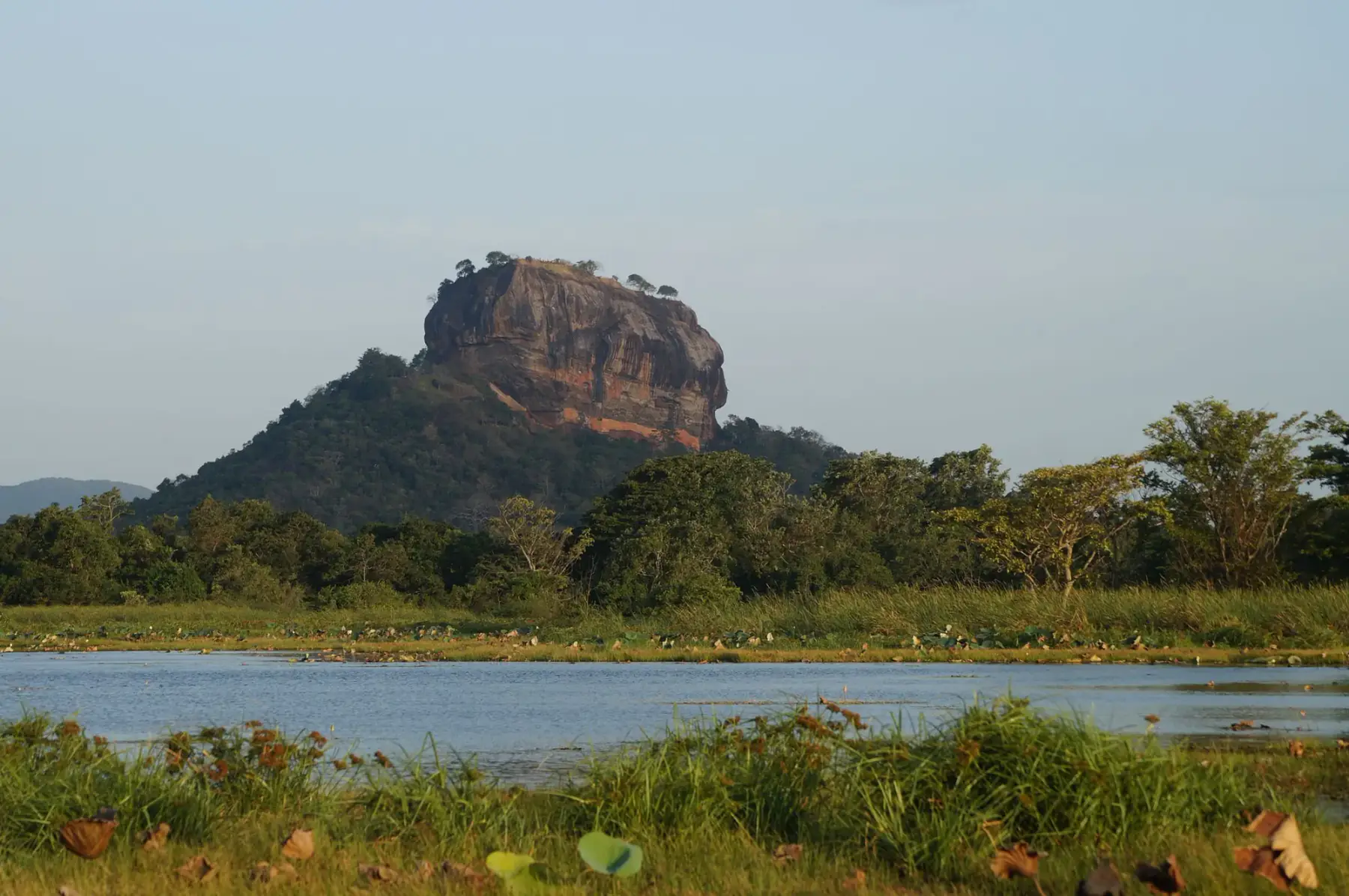
One Week, First Visit
A focused 7-day first route through the Cultural Triangle, with Anuradhapura, Sigiriya and Dambulla instead of a four-region sprint.
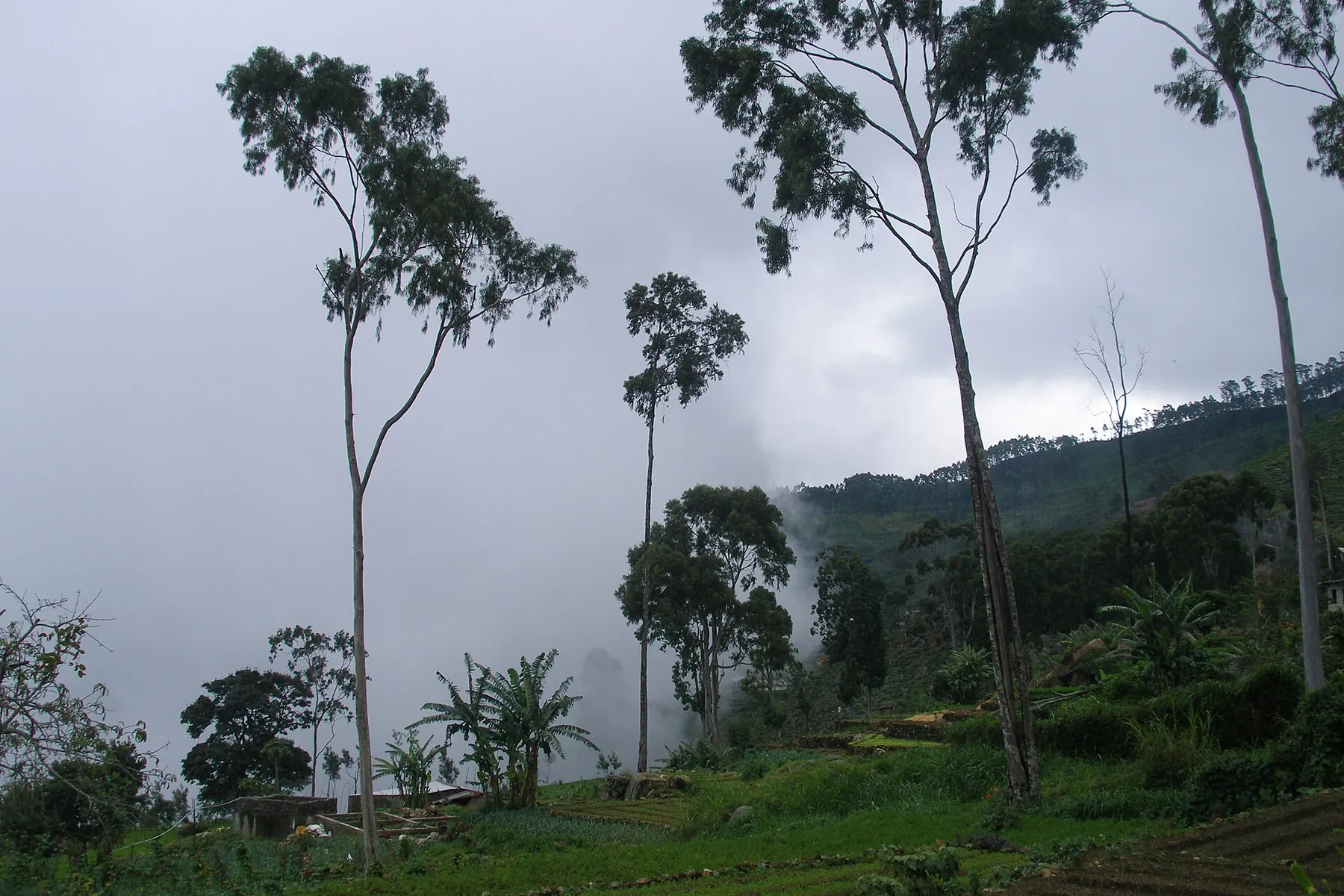
Sri Lanka in 3 Weeks
A 21-day Sri Lanka itinerary: Anuradhapura, Sigiriya and Dambulla, Kandy, the hill country by road and the Nanu Oya to Ella train, Yala, then a slow week on the south coast. Includes an east coast version for May to September. Checked 17 October 2026.
More places in this region
Ancient City of Polonnaruwa
UNESCO 1982 · HeritageSri Lanka's second capital after Anuradhapura, with Chola-period Brahmanic monuments and the 12th-century city associated with Parakramabahu I.
Ancient City of Sigiriya
UNESCO 1982 · HeritageA World Heritage property built across the slopes and summit of a granite peak used as King Kassapa I's capital.
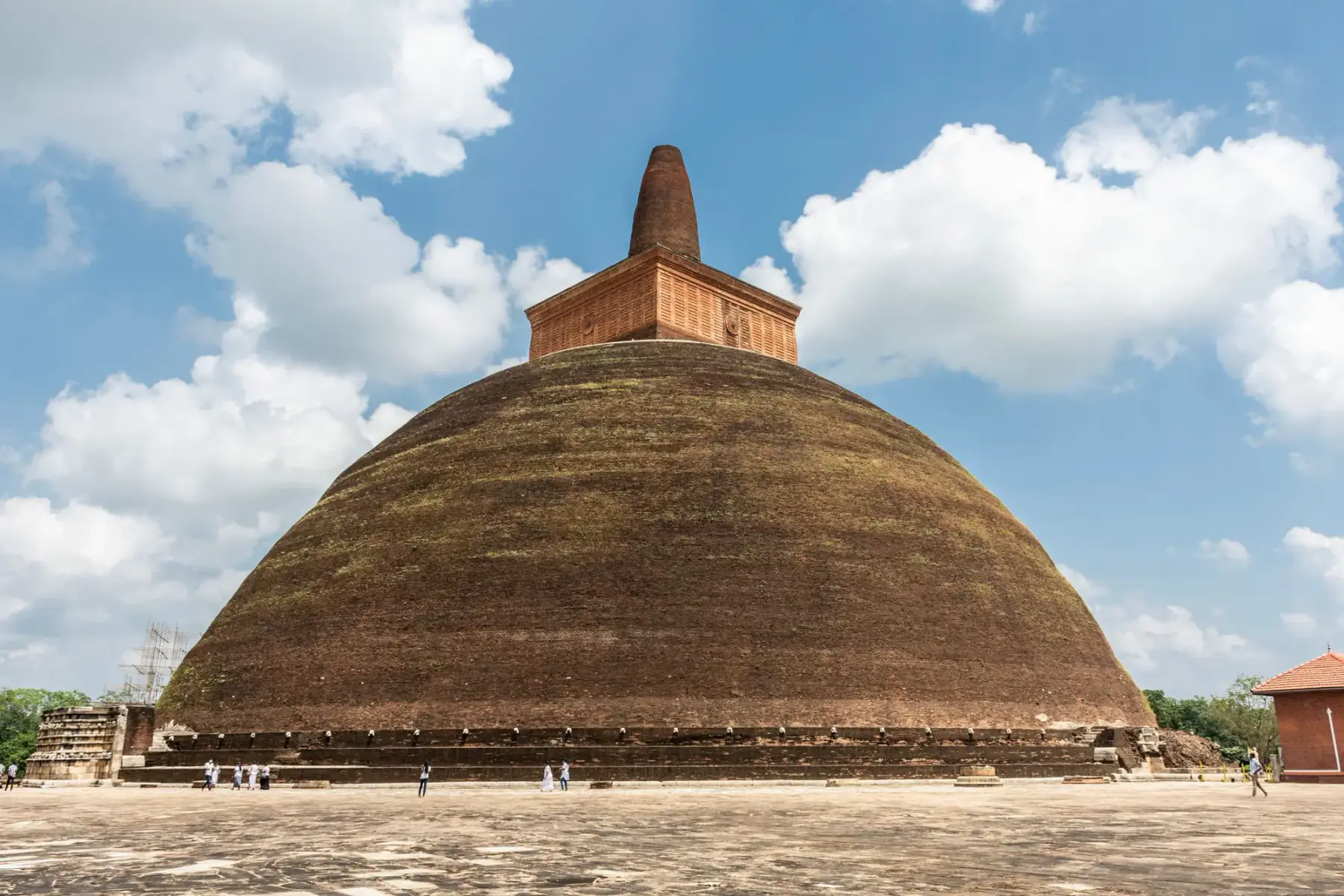
Jaya Sri Maha Bodhi
Sacred siteA living Buddhist pilgrimage place at the centre of Anuradhapura's sacred-city tradition.