Sri Lanka Monsoon Seasons: Wet Coast, Dry Coast
How Sri Lanka's two monsoons and two inter-monsoons work, which coast is wet when, and how to reroute when the weather does not match your plan. Checked 24 October 2026.
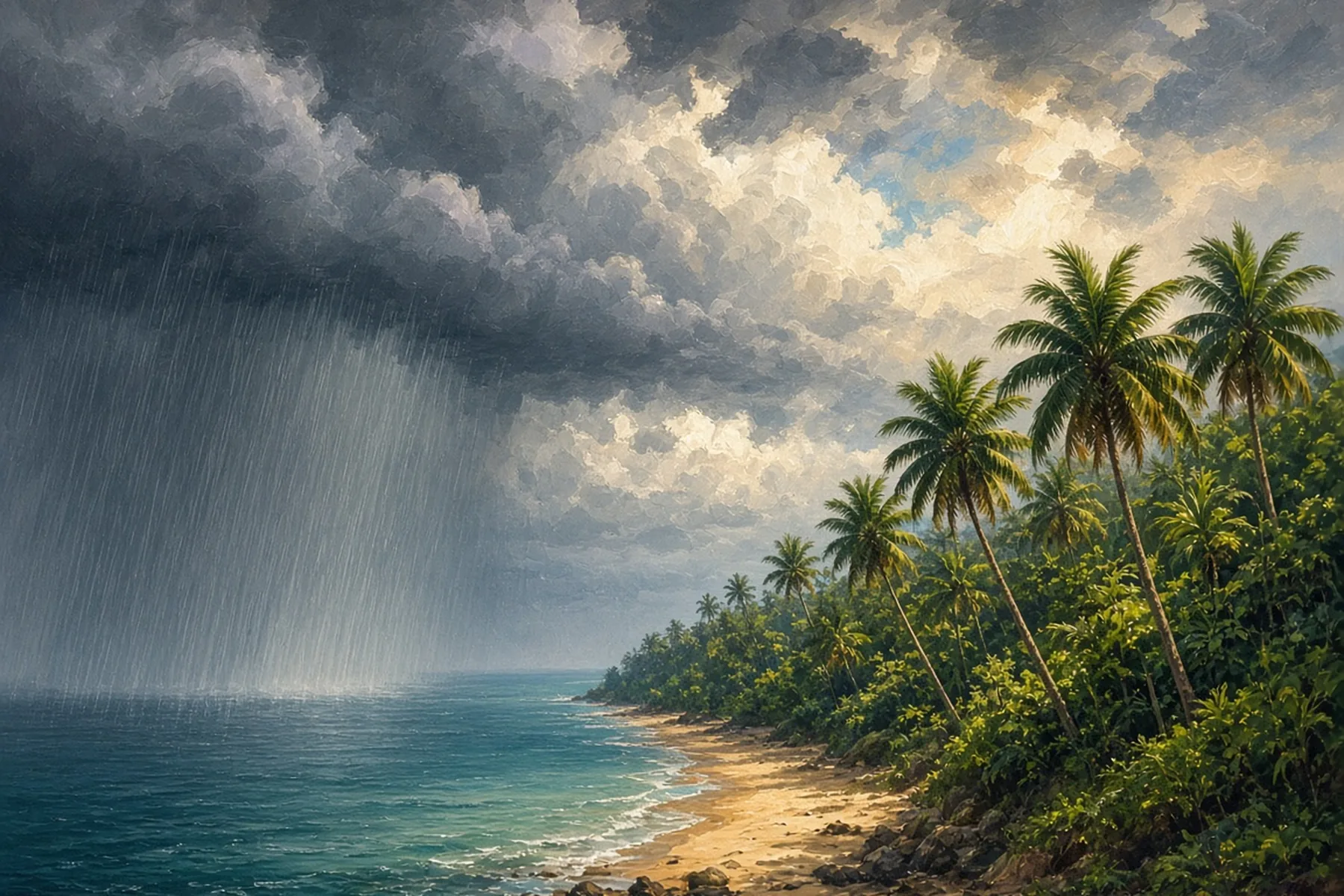
How do Sri Lanka's monsoons work, and what do they mean for a route?
Quick answer: Sri Lanka has two monsoons, and the central mountains split the island between them. The south-west monsoon, May to September, soaks the south-west coast and the hills while the east and north stay dry. The north-east monsoon, December to February, flips that, and the wettest month at every station we checked falls between October and December. So when the coast you planned is wet, you can usually move to the other side of the island.
This page explains the cause and the rerouting. For which month suits which coast, use our best time to visit Sri Lanka guide, which goes month by month. This guide stays on the mechanism and what to do when the weather does not match your plan.
What are the four seasons?
| Season | Dates | What it does | Source |
|---|---|---|---|
| North-east monsoon | December to February | Rain mainly in the east and north-east; Sri Lanka Tourism calls it the peak season on the south-west coast | Department of Meteorology, via our east versus south coast guide; Sri Lanka Tourism |
| First inter-monsoon | March to April | Thunderstorms possible; Sri Lanka Tourism says afternoon thunderstorms | Same |
| South-west monsoon | May to September | Heavy rain on the south-west coast and hills; the dry zone is the place to be | Same |
| Second inter-monsoon | October to November | Occasional heavy showers across the island; seas can be rough | Same |
Wikipedia's geography entry adds the wind detail. From mid-May to October, south-west winds carry moisture from the Indian Ocean, and the rain falls on the south-west and the slopes of the Central Highlands. From December to March the north-east monsoon blows from the Bay of Bengal. March to mid-May brings light variable winds and evening thundershowers. In October and November, squalls and sometimes cyclones bring rain to the south-west, north-east and east.
Why do the mountains split the island into wet and dry?
The central southern highlands rise above 2.5 km, and Sri Lanka Tourism says their ridges, peaks and valleys strongly influence winds, seasonal rain, temperature and humidity. Wikipedia describes the result as a wet zone in the south-west and the mountains, with about 2,500 mm of rain a year, and a dry zone with 1,200 to 1,900 mm a year. In the south-west monsoon, the leeward slopes in the east and north-east get little rain.
You can see the split in the station data. The table shows each station's wettest and driest months in the WMO 1991 to 2020 normals.
| Station | Wettest months | Driest months |
|---|---|---|
| Colombo (south-west coast) | October 359.3 mm, November 345.8 mm, May 313.6 mm | February 77.4 mm, January 79.6 mm |
| Katugastota, near Kandy | October 303.3 mm, November 268.9 mm | February 78.1 mm, August 95.4 mm |
| Bandarawela, near Ella | October 347.1 mm, November 338.1 mm | August 67.8 mm, July 71.2 mm |
| Hambantota (south-east) | November 221.8 mm, December 132.1 mm | July 30.8 mm, March 47.0 mm |
| Pottuvil, near Arugam Bay | November 307.6 mm, December 306.5 mm | June 13.7 mm, July 17.1 mm |
| Batticaloa (east) | December 468.8 mm, November 418.6 mm | July 30.7 mm, June 31.5 mm |
| Trincomalee (north-east) | November 375.6 mm, December 339.0 mm | June 25.9 mm, April 48.1 mm |
| Jaffna (north) | November 437.3 mm, December 273.9 mm | June 18.5 mm, July 22.6 mm |
Three things stand out. The south-west coast has a second peak in May. The east and north peak in November to December and fall almost dry in June and July. And the single wettest month at every station falls between October and December, which is why the second inter-monsoon, and the start of the north-east monsoon, is the hardest time to find a dry coast. Our Sri Lanka in October guide has more on that month.
What do the monsoons do to roads, trains and the sea?
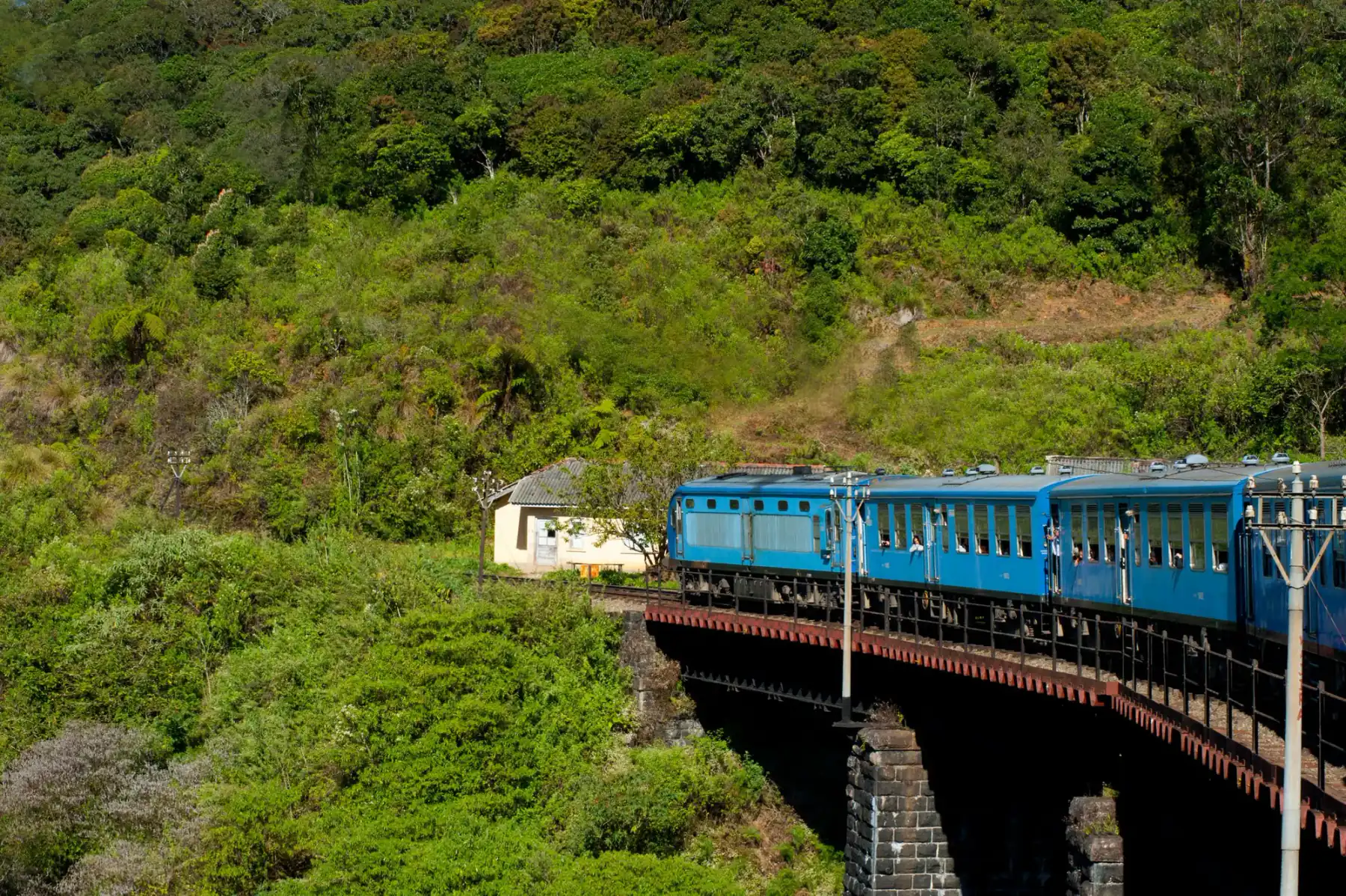
Hill roads and trains. Heavy rain brings landslide risk in the hills. The National Building Research Organisation issues landslide warnings, which the Disaster Management Centre publishes. Our Kandy to Ella by road guide says to check the latest warning before you travel and avoid hill roads in heavy rain. The Upcountry railway line was badly damaged by Cyclone Ditwah in late 2025, and our Colombo to Kandy train guide tracks which sections have reopened.
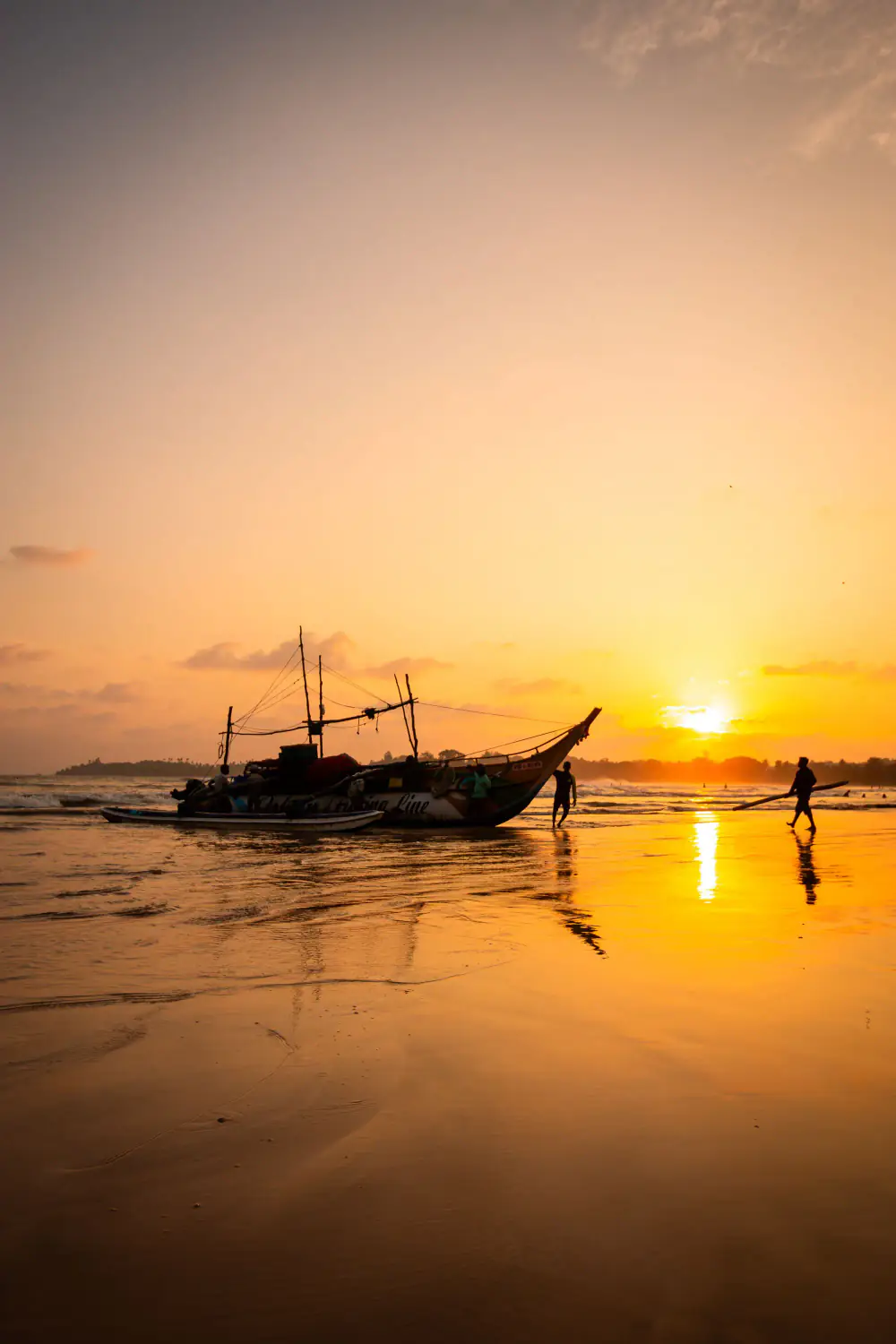
The sea. Sri Lanka Tourism says seas can be rough in October and November, and calls December to February the time of calm seas on the south-west coast. Boat trips can be cancelled in rough weather. The Sri Lanka Navy lists southern whale-watching cruises from Galle for November to April and Trincomalee cruises for May to October, as quoted in our whale watching guide and monthly guides. Sightings are never guaranteed.
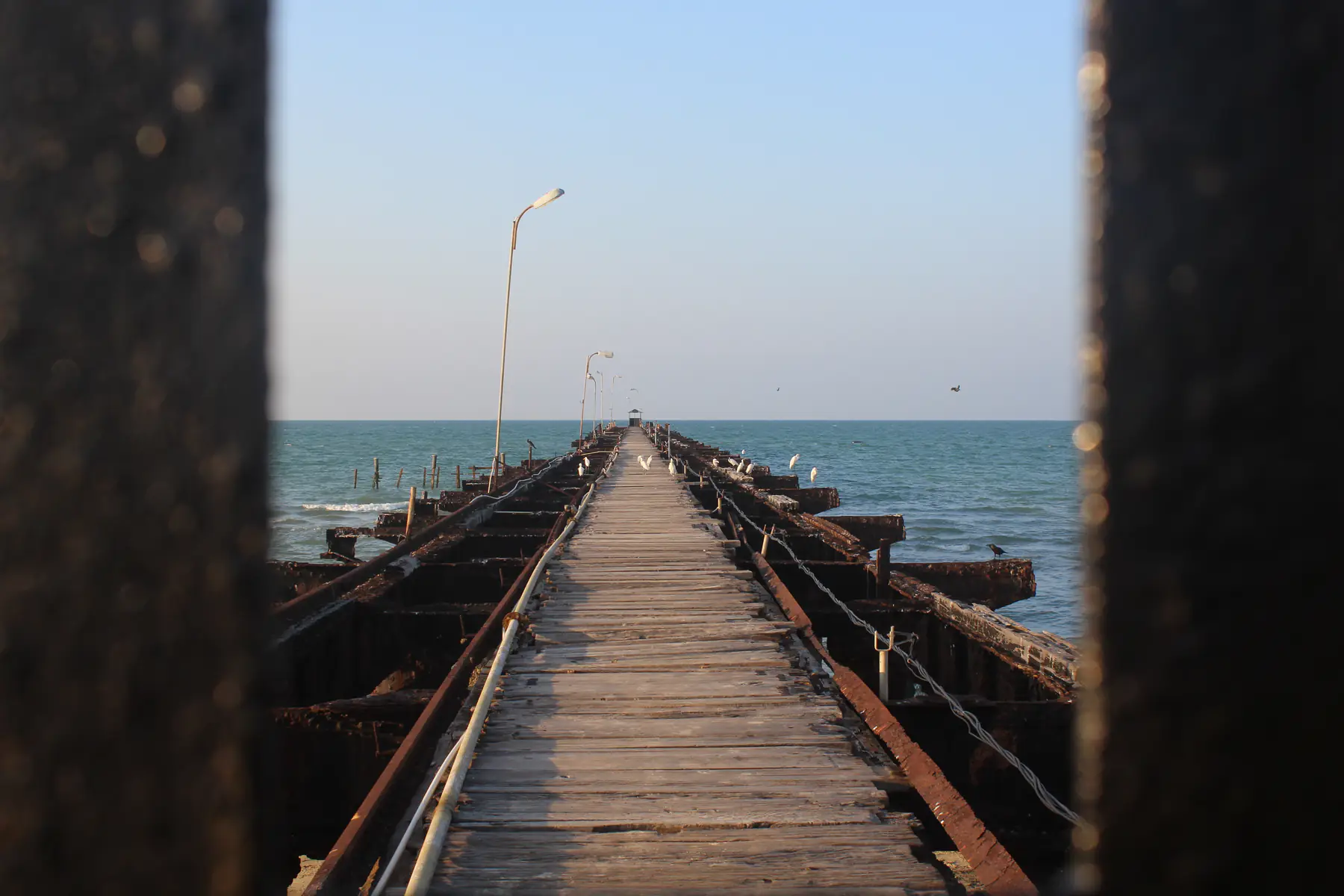
The ferry. Our getting around guide says the Nagapattinam to Kankesanthurai passenger ferry pauses for the north-east monsoon, as it did in 2025. See the India to Sri Lanka ferry guide for the checked details.
Flights. We found no source on monsoon effects on flights, so we make no claim. Check airline notices.
What do you do when the wrong coast is wet?
Use the season to pick the side of the island, then check the forecast for the exact stops.
| If it is... | The wet side is... | Consider moving to... | Where to read more |
|---|---|---|---|
| May to September | South-west coast and hills | The east and north: Sri Lanka Tourism names Trincomalee, Arugam Bay and Jaffna | Trincomalee, Jaffna, East coast region, East coast monsoon itinerary |
| December to February | East and north-east | The south-west coast, where Sri Lanka Tourism says skies are clear and seas calm | South coast region, December guide |
| March to April | Thunderstorms possible anywhere | Keep plans flexible, with outdoor activity early and spare time later | Best time to visit |
| October to November | Almost everywhere | Plan flexibly with spare days; the hills may be lush but wet | Sri Lanka in October, Sri Lanka in November |
Our east versus south coast guide says season is only a first filter: a monsoon label cannot guarantee dry weather, calm water, visibility or a departing boat.
What is the weather situation this week?
This section is time-sensitive and was checked on 24 October 2026. The Department of Meteorology said on 23 October that rain would continue in the south-west until 27 October. A low pressure area over the Bay of Bengal near the North Andaman Islands was forecast to become a cyclonic storm by 26 October, and it was not expected to hit Sri Lanka directly (Colombo Tribune, 23 October 2026). Trains between Rambukkana, Peradeniya and Gampola are suspended on 24 and 25 October after a landslide at Kadigamuwa, with refunds for reserved seats. On the evening of 25 October 2026 the Railways Department extended the suspension: all trains between Rambukkana, Peradeniya and Gampola are off from midnight at the end of 25 October until further notice, with no restart date given (Newswire, 25 October 2026, Daily Mirror, 25 October 2026). A National Building Research Organisation landslide warning issued at 4 pm on 23 October was valid to 4 pm on 24 October.
We found no source on whether this affects sea trips, so check with the operator and the Navy's whale-watching site. Late October falls in the second inter-monsoon.
A simple rerouting checklist
This is practical advice, not an official rule.
- Pick the dry side first. Use the table above to choose a coast, then book the flexible parts.
- Book refundable stays. In October and November, keep spare nights.
- Keep one indoor option per day. Museums, temples and cafes are useful in a shower.
- Check three notices: the Department of Meteorology forecast, the National Building Research Organisation landslide warning, and the rail notice for any train you plan to use.
- Do sea and hill days early. We have no sourced hourly data, so treat this as general caution.
- Do not bank on a boat. Sea trips are cancelled in rough weather.
What this page does not cover
- Month by month weather: see the best time to visit guide.
- Specific hotels, boats or tour operators.
- Flight delays or insurance claims. Read your own policy.
- Rain forecasts beyond the Department of Meteorology notices cited above.
Frequently asked questions
What are Sri Lanka's monsoon seasons?
The Department of Meteorology uses four: the north-east monsoon from December to February, the first inter-monsoon in March and April, the south-west monsoon from May to September, and the second inter-monsoon in October and November. Sri Lanka Tourism describes the island the same way, as two monsoons and four seasons.
Which coast is wet in the south-west monsoon?
The south-west coast and the central hills. Sri Lanka Tourism says the south-west monsoon, May to September, brings heavy rain there, and names Trincomalee, Arugam Bay and Jaffna as dry-zone places to visit in that season. Colombo averages 313.6 mm in May, while Pottuvil, near Arugam Bay, averages 18.8 mm in August (WMO 1991 to 2020).
Which coast is wet in the north-east monsoon?
The east and north-east. Pottuvil, near Arugam Bay, averages 307.6 mm in November, 306.5 mm in December and 263.0 mm in January, while Colombo averages 79.6 mm in January (WMO 1991 to 2020). Sri Lanka Tourism calls December to February the peak season on the south-west coast.
What is the inter-monsoon?
It is the gap between the two monsoons. Wikipedia's geography page describes light variable winds and evening thundershowers in March to mid-May, and squalls and sometimes cyclones in October and November. In our WMO table, the wettest month at every station falls between October and December.
Is there a part of Sri Lanka that is always dry?
No. Even the driest station in our table, Hambantota, averages 221.8 mm in November, and the wettest month at every station falls between October and December. Use the monsoon as a first filter and check the forecast for each stop.
Can I still travel during the monsoon?
Yes, with a flexible plan. The monsoon shifts which coast is dry, it does not close the island. The practical steps are to base yourself on the dry side, keep spare days, check rail and landslide notices for the hills, and avoid booking sea trips on a fixed day.
Does the monsoon stop the India to Sri Lanka ferry?
Our getting around guide says the Nagapattinam to Kankesanthurai passenger ferry pauses for the north-east monsoon, as it did in 2025. Our India ferry guide has the checked schedule. Confirm with the operator before booking.
What is the weather situation on 24 October 2026?
The Department of Meteorology said on 23 October that rain would continue in the south-west until 27 October, and that a Bay of Bengal low was forecast to become a cyclonic storm by 26 October without being expected to hit Sri Lanka directly. Trains between Rambukkana, Peradeniya and Gampola are suspended on 24 and 25 October after a landslide. On the evening of 25 October the Railways Department extended the suspension from midnight at the end of 25 October until further notice, with no restart date given. Check the latest notices before you travel.
Sources
Last verified 2026-10-25
- https://www.srilanka.travel/weather
- https://en.wikipedia.org/wiki/Geography_of_Sri_Lanka
- https://www.meteo.gov.lk/
- https://www.ncei.noaa.gov/data/oceans/archive/arc0216/0253808/2.2/data/0-data/Region-2-WMO-Normals-9120/SriLanka/CSV/
- https://colombotribune.com/rain-to-continue-in-south-west-until-27-october-rambukkana-gampola-trains-suspended-after-landslide/
- https://www.dmc.gov.lk/images/dmcreports/LEWM_23-10-2026_16_00__1792754836.pdf
- https://whalewatching.navy.lk/
- https://www.newswire.lk/2026/10/25/train-services-between-rambukkana-peradeniya-and-gampola-suspended-until-further-notice/
- https://www.dailymirror.lk/breaking-news/Train-services-between-Rambukkana-Gampola-suspended-until-further-notice/108-353358
Covered in this guide
Sri Lanka East Coast or South Coast?
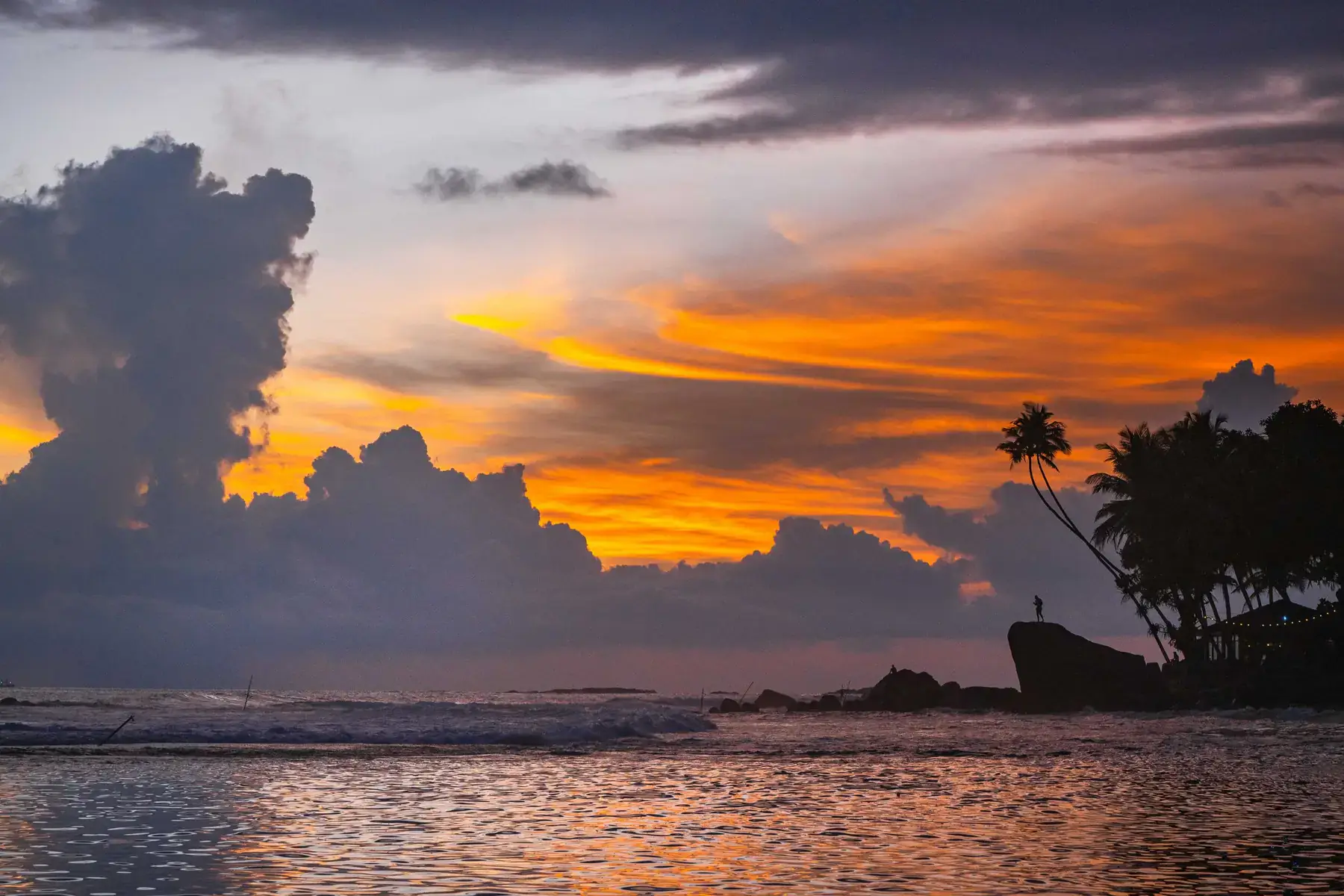
Sri Lanka in October
Sri Lanka in November
Getting Around Sri Lanka
Ferry to Sri Lanka from India
Whale Watching
East Coast
South Coast
East Coast: A Date-Checked 7-Day Route
Related guides
All guidesSri Lanka in October
October is Sri Lanka's second inter-monsoon, with afternoon storms possible anywhere and slightly above-normal rain forecast for 2026. Where to go, what is open and how to plan, checked 15 October 2026.
Sri Lanka in October or November
October or November for Sri Lanka: shoulder-season compare for west, south and east coasts with honest rain using Met and DMC dated sources. Pick-October-if and pick-November-if matrix. Hill warning notes updated 26 October 2026.
Sri Lanka in December
December starts the main season on Sri Lanka's south and west coasts and brings the north-east monsoon to the east. Weather by coast in C and F, Christmas and New Year planning, school holiday dates and sampled festive prices, checked 16 October 2026.