Tuk-tuk fares in Sri Lanka
What a tuk-tuk (three-wheeler) should cost in Sri Lanka in October 2026: the Western Province rate of Rs 110 for the first km and Rs 90 for each km after, a worked fare table, sample trips in Colombo and the south, why fares are not yet fixed in law, meters, taxi apps and UK safety advice. Checked 26 October 2026.
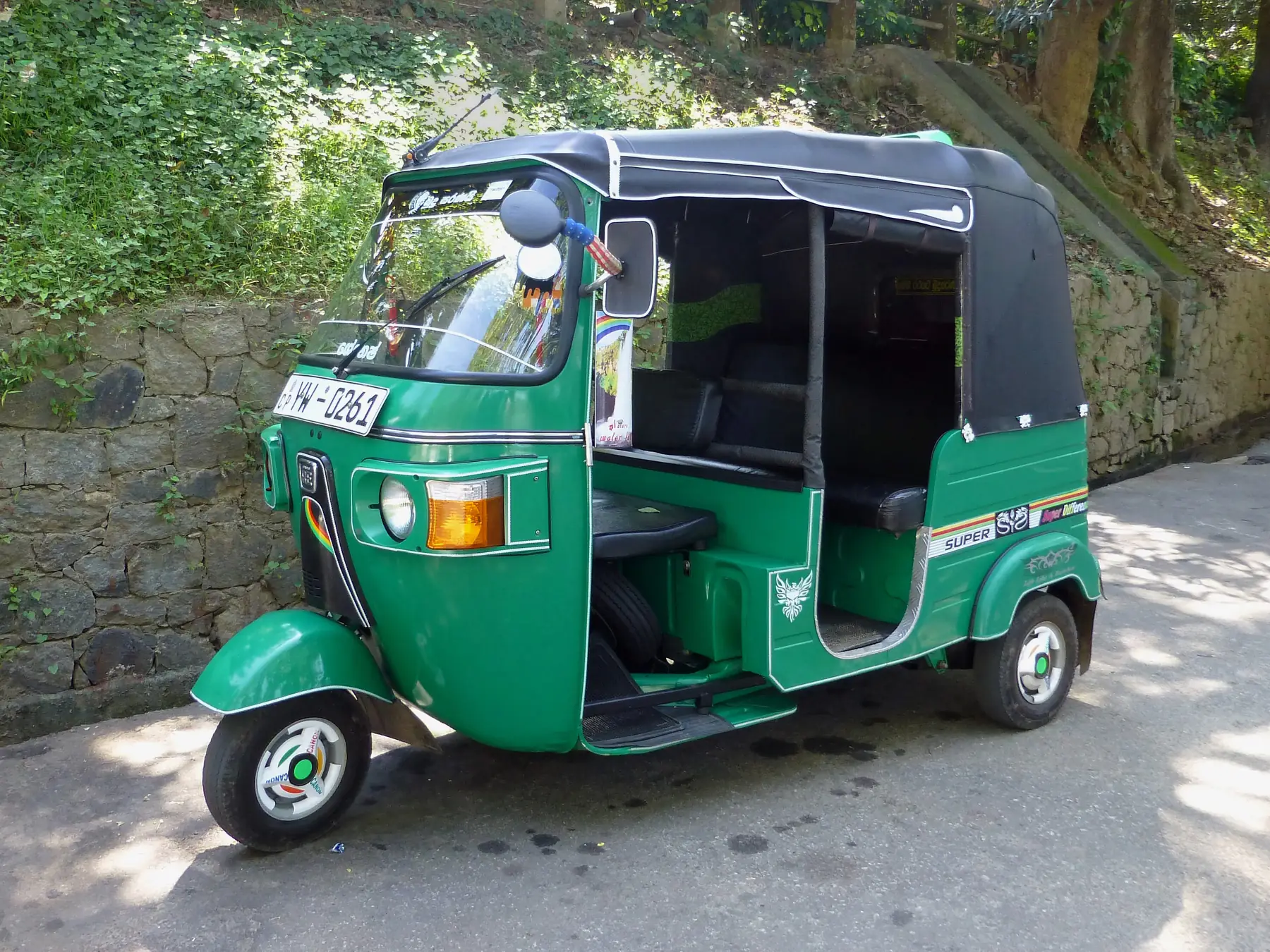
How much is a tuk-tuk in Sri Lanka?
Quick answer: A tuk-tuk (three-wheeler) in Sri Lanka should cost about Rs 110 for the first kilometre and Rs 90 for each kilometre after that. That is the rate the Western Province transport authority announced in March 2026, and Ada Derana's report of 31 August 2026, last updated on 25 October 2026, gives the same rate. It is not yet fixed in law, so use a meter or agree the price before you get in.
A tuk-tuk is the small three-wheeled taxi you see on every street. Drivers call them three-wheelers. They are the easiest way to cover short distances, from a station to a guesthouse or from a beach to a restaurant. The problem for visitors is the price: there is no fare card on the dashboard and no fixed national tariff yet. Knowing the per-km rate gives you a fair starting point.
What is the official tuk-tuk rate per km?
The Daily Mirror reported on 23 March 2026 that the Road Passenger Transport Authority of the Western Province had raised the fare after a fuel price change. The first kilometre went from Rs 100 to Rs 110. Each extra kilometre is Rs 90.
Ada Derana reported on 31 August 2026 (the page was last updated on 25 October 2026) that fares would stay the same even though the government cut the price of Octane 92 petrol by Rs 15. The general secretary of the National Joint Three-Wheeler Drivers and Industrial Workers' Association said drivers will keep charging the existing structure: Rs 110 for the first kilometre and Rs 90 from the second kilometre onwards.
The Western Province covers Colombo, Gampaha and Kalutara districts. We found no separate published rate for the south coast, the hill country or the east. Outside the Western Province, treat the same rate as a guide, not a rule.
How much will my trip cost? (worked fare table)
This table applies Rs 110 for the first km and Rs 90 for every km after it. It is a calculation, not a price list. Real fares can be higher for waiting, luggage, late nights or a driver who will not use the meter.
| Distance | Calculated fare |
|---|---|
| 1 km | Rs 110 |
| 2 km | Rs 200 |
| 3 km | Rs 290 |
| 5 km | Rs 470 |
| 7 km | Rs 650 |
| 10 km | Rs 920 |
| 15 km | Rs 1,370 |
| 20 km | Rs 1,820 |
A simple way to work it out in your head: multiply the kilometres by 90 and add 20. So 8 km is 8 × 90 = 720, plus 20, which is Rs 740.
What do common trips cost at this rate?
These are road distances from OpenStreetMap with no traffic, checked on 26 October 2026, and the fare the published rate gives. Use them to sense-check a quote.
| Trip | Road distance | Fare at the published rate |
|---|---|---|
| Wellawatte to the Dehiwala Zoo | 3 km | Rs 290 |
| Mount Lavinia to the Dehiwala Zoo | 4 km | Rs 380 |
| Galle Face Green to the Dehiwala Zoo | 9 km | Rs 830 |
| Colombo Fort station to the Dehiwala Zoo | 11 km | Rs 1,010 |
| Colombo airport to Negombo | 11 km | Rs 1,010 |
| Rambukkana station to Pinnawala | 3 km | Rs 290 |
| Dickwella to Hiriketiya | 2 km | Rs 200 |
| Dickwella to the Hummanaya blowhole | 7 km | Rs 650 |
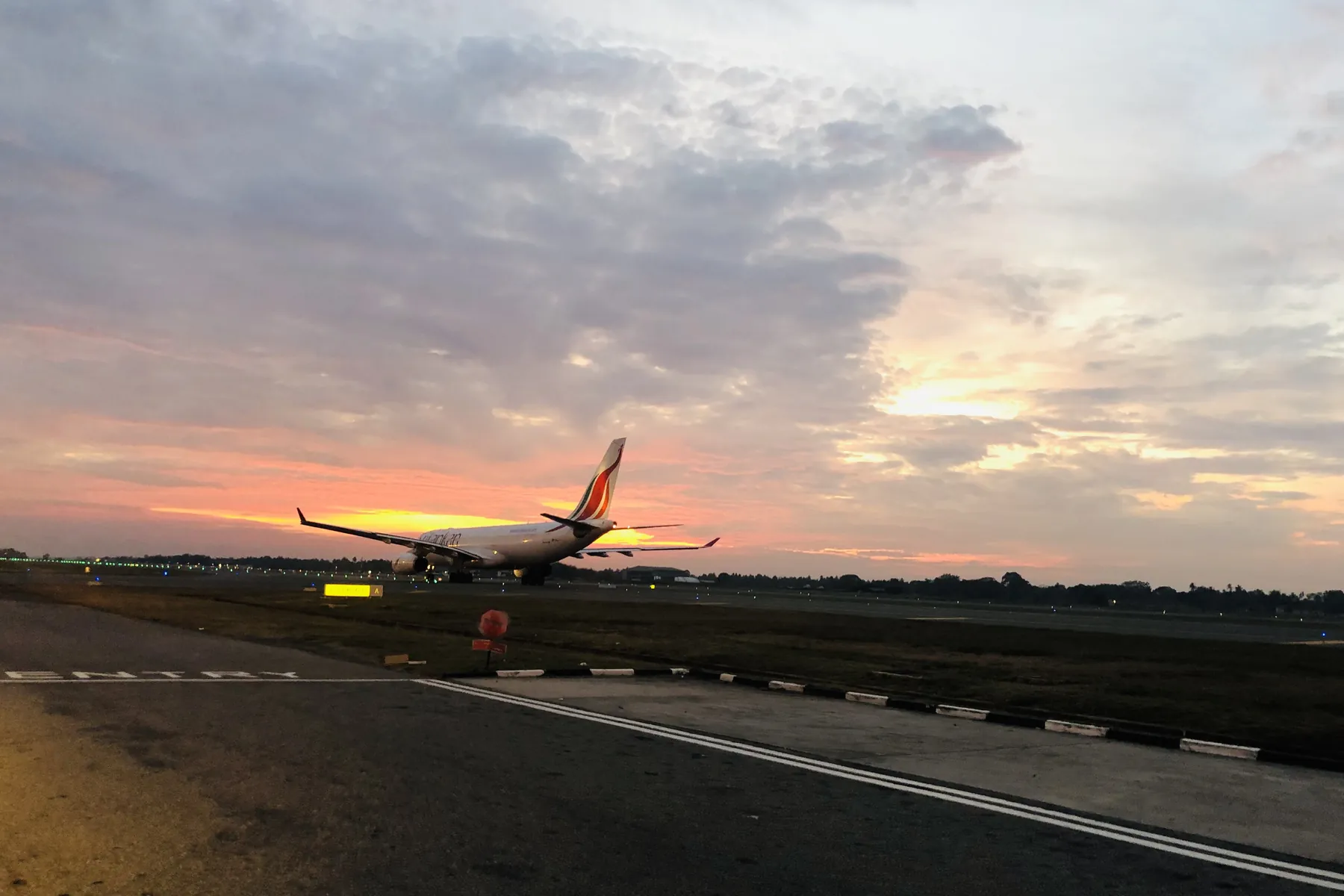
Pinnawala and Dickwella are outside the Western Province, so the rate there is only a benchmark. For airport rides, the Colombo airport arrival guide covers the official taxi counters and other options.
Why are tuk-tuk fares not fixed by law?
According to Ada Derana's report, the National Transport Commission has prepared a fare structure for three-wheelers and sent it to the ministry, but it has not been introduced as law. The Western Province authority has said it cannot revise fares itself because that power rests with the National Transport Commission.
The same union official said that on the road, "fares of around Rs. 110 to Rs. 120 are generally being charged rather than the official rates". The article does not say whether that figure is per kilometre or for the first kilometre. The practical lesson is the same either way: the rate is a guide, and drivers set their own prices until a legal fare is in force.
Should you use the meter or agree a price?
The UK government's travel advice says to agree a price before you set off or look for a tuk-tuk with a working meter. Both work. Here is how to make each one go smoothly:
- Meter. Ask "meter?" before you sit down. Check that it shows the starting fare when you set off. If the driver says it is broken, agree a price instead or wait for the next one.
- Agreed price. Say the destination and ask the price first. If it is far above the table above, offer the calculated fare and be ready to walk away. Agree whether the price is per person or for the vehicle (it should be for the vehicle).
- Waiting and return trips. If you want the driver to wait at a temple or beach, agree the waiting time and total price before you leave.
- Small notes. Carry Rs 100 and Rs 500 notes. Drivers may not have change for Rs 5,000.
Are taxi apps cheaper than a street tuk-tuk?
They are often easier, because the price appears before you book. The UK government says you can book taxis using local and international taxi apps, but there is less availability outside tourist areas. In Colombo, Kandy, Galle and the busy south coast towns, apps are a good backup when a driver will not use the meter. In small villages, you may have to use a street tuk-tuk or ask your guesthouse to call one.
We did not find a published per-km rate for app tuk-tuks on 26 October 2026, so compare the app price with the table before you book.
Is it safe to take a tuk-tuk?
For most trips, yes. The UK government's advice points out a few risks:
- Harassment at night. There are occasional reports of harassment, particularly of women travellers at night. If you are not comfortable, get out at a busy place and change to another tuk-tuk or taxi.
- Bag snatching. The UK government says criminals on motorbikes may ride past and try to snatch bags. Keep your bag on the side away from the road, inside the tuk-tuk.
- Hiring one to drive yourself. Tourists can hire tuk-tuks to drive. The UK government advises using a company registered with the Sri Lanka Tourist Board, with suitable insurance and a roadworthy vehicle. Our driving guide covers licences and road rules.
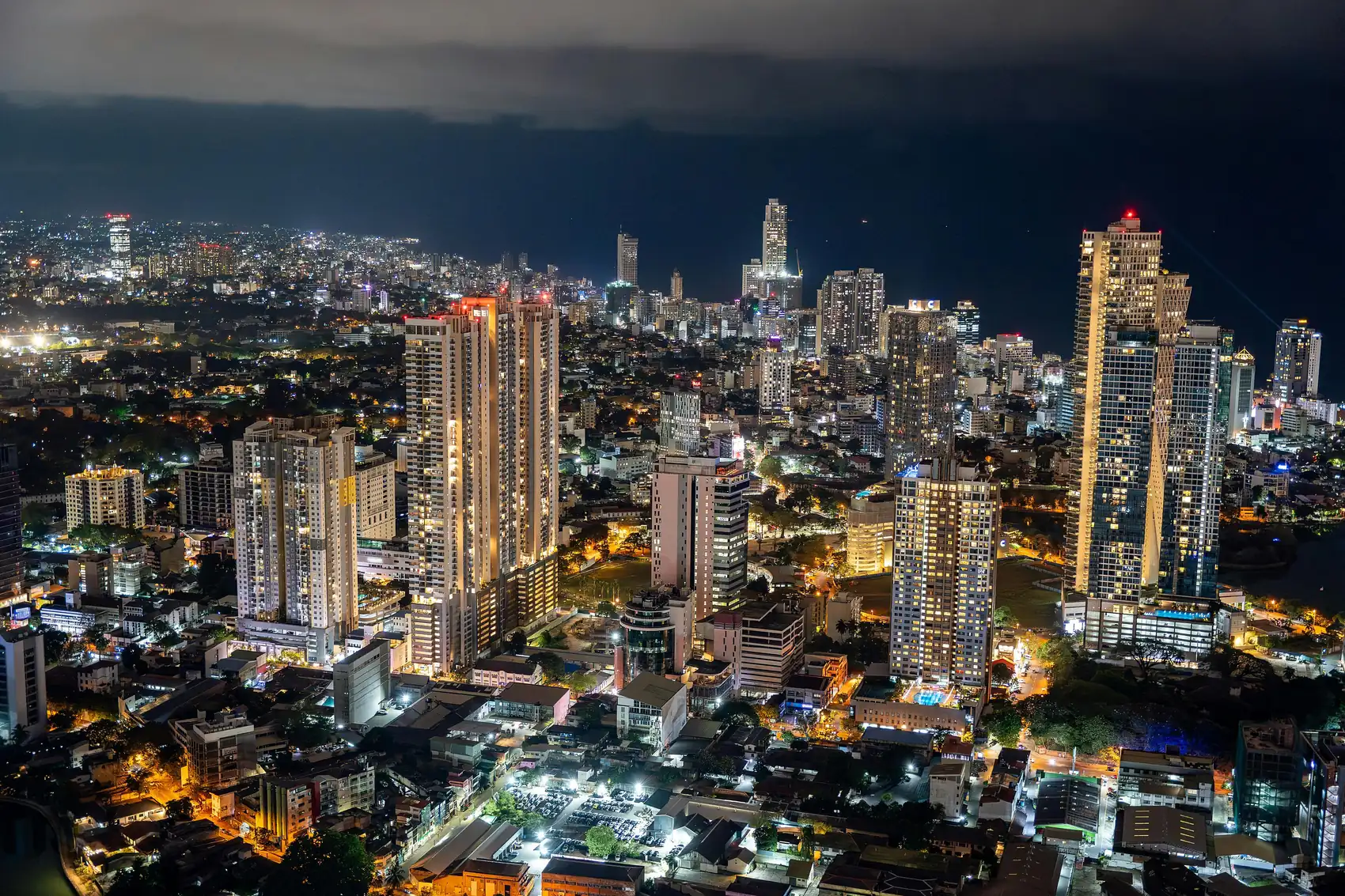
For general safety, read is Sri Lanka safe?. After a night out, the Sri Lanka nightlife guide has tips on getting back safely.
How do tuk-tuks compare with buses and cars?
| Option | Best for | Price signal |
|---|---|---|
| Tuk-tuk | Short hops under about 15 km, door to door | Rs 110 first km, Rs 90 per km after (published rate) |
| Taxi app | Towns, set price before you ride | Shown in the app |
| Bus | Long distances on a budget | Fixed fares published by the National Transport Commission |
| Car with driver | Long days, families, luggage | Agree a daily price in writing |
For long trips, buses are far cheaper. The getting around guide and the public transport 14-day itinerary use official bus fares. If you are travelling with older family members, the 9-day itinerary with parents is built around a car and driver instead.
Frequently asked questions
How much is a tuk-tuk per km in Sri Lanka?
The rate reported by the Western Province Road Passenger Transport Authority in March 2026 is Rs 110 for the first kilometre and Rs 90 for each kilometre after that. Ada Derana reported the same structure in an article published on 31 August 2026 (page last updated 25 October 2026). It is not yet a legally fixed national fare.
How much is a 5 km tuk-tuk ride?
At Rs 110 for the first km and Rs 90 for each km after, 5 km works out at Rs 470. This is a calculation from the published rate, not a quote. Waiting time, night trips and tourist areas can cost more if you agree a price in advance.
Do tuk-tuks in Sri Lanka use meters?
Some do. The UK government's travel advice, checked 26 October 2026, says to agree a price before you set off or look for a tuk-tuk with a working meter. Check that the meter is switched on at the start.
Are tuk-tuk fares fixed by law in Sri Lanka?
Not yet, on the reports we checked. Ada Derana reported that the National Transport Commission has prepared a fare structure but it has not been introduced as law, and that the Western Province authority says fare control rests with the National Transport Commission.
Did tuk-tuk fares fall when petrol got cheaper?
No. Ada Derana reported that a three-wheeler drivers' union said fares would not change after a Rs 15 cut in the price of Octane 92 petrol. The union said drivers will keep the existing structure until a legal fare revision is introduced.
Is it safe to take a tuk-tuk at night?
Usually, with care. The UK government mentions occasional reports of harassment, particularly of women travellers at night, and advises changing to another tuk-tuk or taxi if you have concerns. Taxi apps are another option in towns.
Can I book a tuk-tuk on an app?
Yes, in towns. The UK government says you can book taxis using local and international taxi apps, with less availability outside tourist areas. Apps show the price before you ride, which avoids haggling.
Sources
Last verified 2026-10-26
Covered in this guide
Getting Around Sri Lanka

Is Sri Lanka safe to visit?
Colombo airport arrival guide
Sri Lanka nightlife

Dehiwala Zoo (Colombo zoo)

Colombo
Related guides
All guides
eSIM vs Local SIM in Sri Lanka
A local tourist SIM or eSIM from Dialog, SLT-Mobitel or Hutch costs about USD 2.50 to 9 for a week to a month of data, priced on the operators' own pages on 20 October 2026. An eSIM saves the SIM swap and keeps your home SIM in the phone; a physical SIM works in any unlocked phone.

Colombo Airport to Colombo City
Taxi from Colombo airport to Colombo city: the airport's fixed-fare card rates for Colombo 01 to 15 and nearby suburbs, the 187 bus to Colombo Fort, the road route and what to do first when you land. Checked 27 October 2026.

Direct Flights to Sri Lanka from the UK, Europe, India and Australia
Yes: SriLankan sells London Heathrow to Colombo, and British Airways flies London Gatwick to Colombo from 23 October 2026, three times a week. India, Australia and Germany routes from the airlines' own pages, checked 15 October 2026.