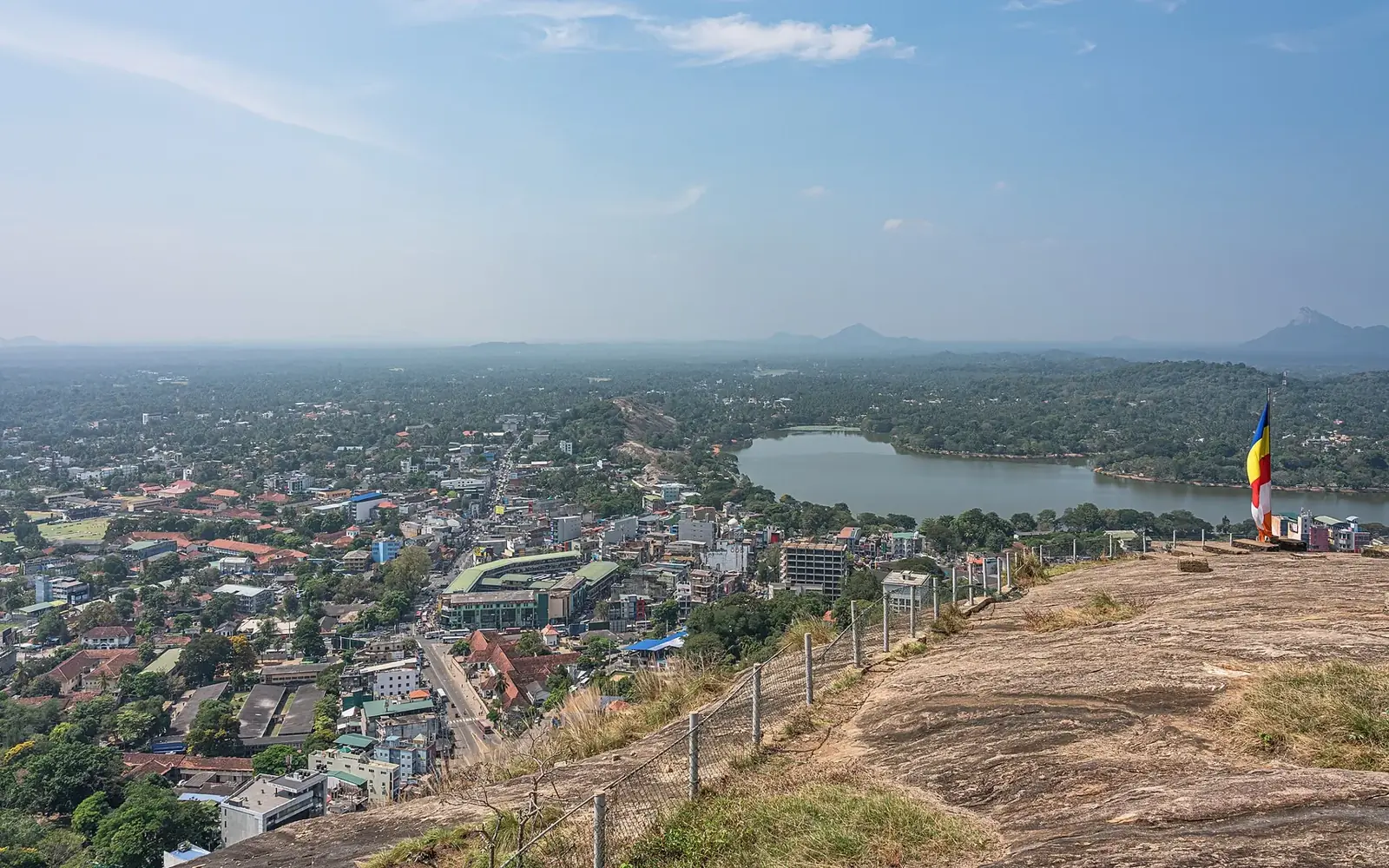
Kurunegala
The capital of North Western Province and a 14th-century royal city ringed by granite rocks. Athugala (Elephant Rock) and its 88 ft Buddha, Kurunegala Lake, Ridi Viharaya, Yapahuwa and Dambadeniya, with official bus fares to Colombo, the airport, Kandy, Dambulla and Sigiriya, road times and rain by month. Checked 25 October 2026.
Is Kurunegala worth visiting?
Quick answer: Kurunegala is a good stop or one-night base between Colombo and the Cultural Triangle. Climb Athugala (Elephant Rock) for the 88 ft Buddha and the view, then take day trips to Yapahuwa, Ridi Viharaya or Dambadeniya. It is about 96 km from Colombo and 56 km from Dambulla, and buses run to both.
Kurunegala is the capital of North Western Province. The provincial tourism site calls it the "City of Rocks" because large granite outcrops ring the town, and says it was a royal capital for about 50 years in the 14th century.
What is there to do in Kurunegala?
| Place | From Kurunegala by road | Why go |
|---|---|---|
| Athugala (Elephant Rock) | In town | 88 ft Buddha statue, view over the town and lake |
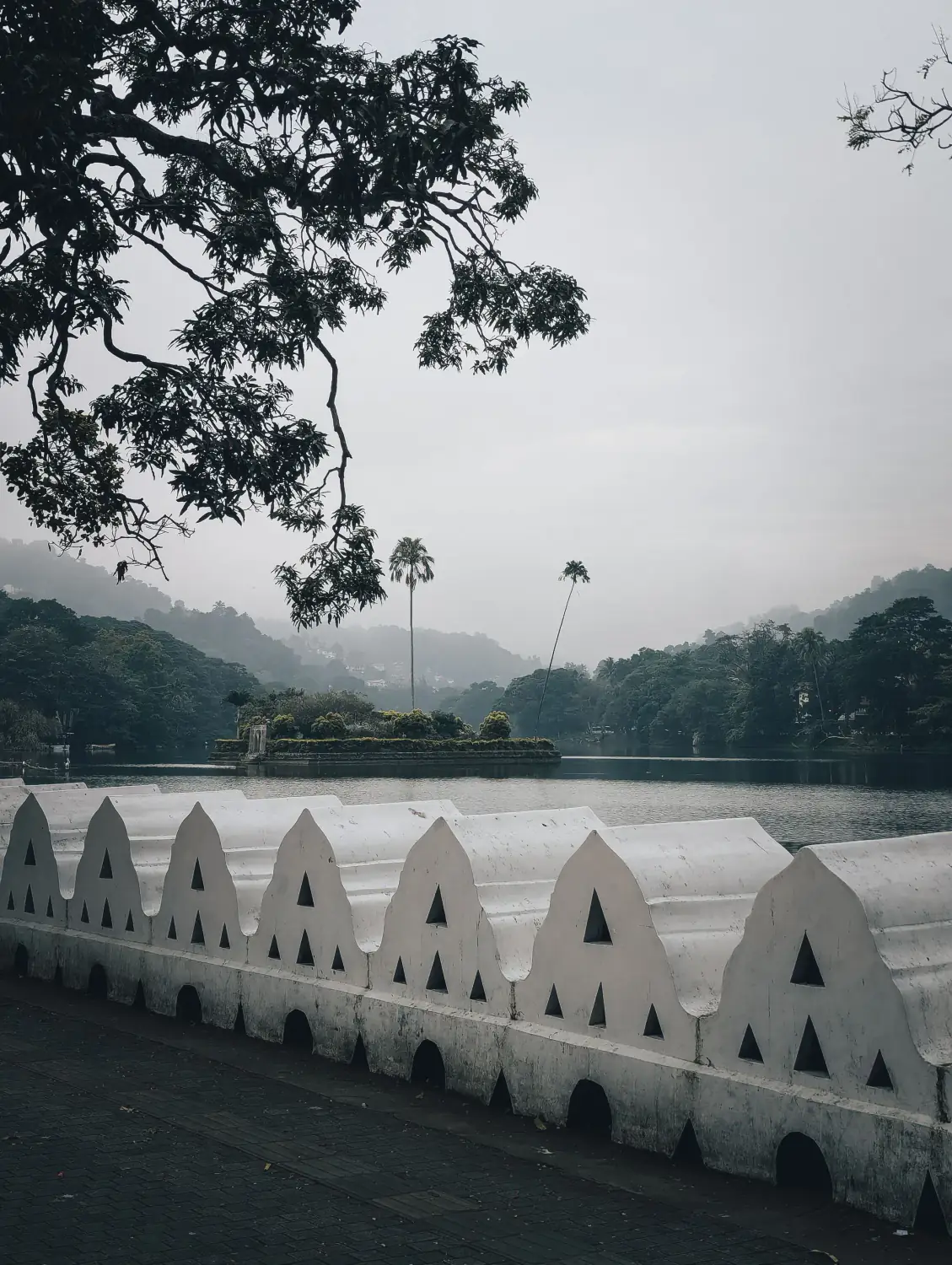
| Kurunegala Lake | In town | Walk along the bund, sunset with the rock behind |
| Badagamuwa Forest | 4 km, 5 min | Roadside forest on the Dambulla road, tourist information centre |
| Ridi Viharaya | 19 km, 26 min | The Silver Temple, linked to King Dutugemunu |
| Dambadeniya | 34 km, 37 min | 13th-century capital, Maligagala palace site |
| Panduwasnuwara | 37 km, 48 min | Oldest capital in the province |
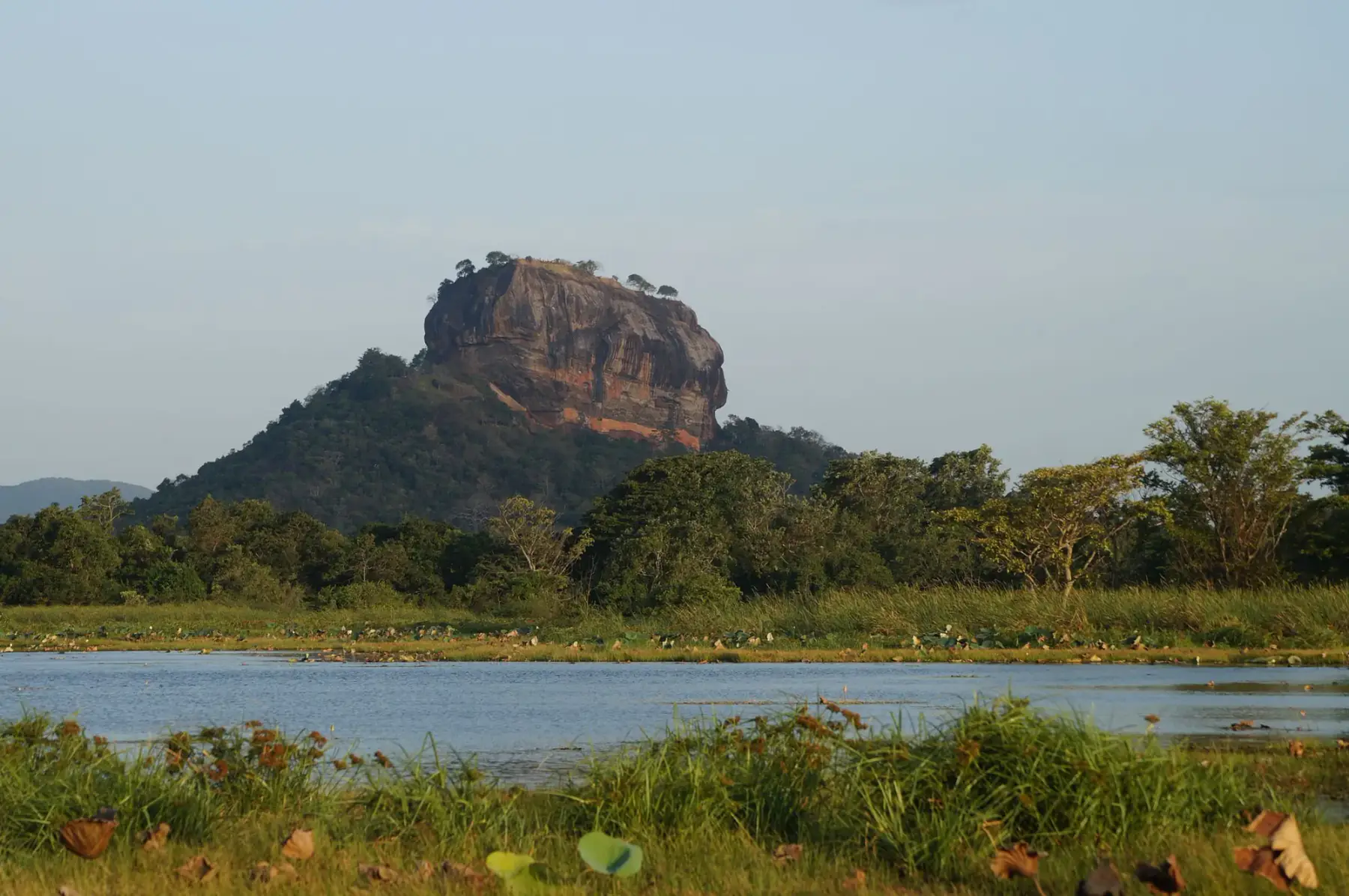
| Yapahuwa | 48 km, 1 h 3 min | Rock fortress with a carved stairway |
Road times are for a car with no traffic. Buses and three-wheelers take longer.
What is Athugala (Elephant Rock)?
Athugala, also written Ethagala, is the biggest of the rocks around the town. The Wayamba tourism site says an 88 ft Samadhi Buddha statue sits on top and gives a 360 degree view over Kurunegala, the lake and the coconut land beyond. Local legend says the rocks around the town are animals turned to stone during a drought. The other named rocks are Ibbagala (Tortoise Rock), Andagala (Eel Rock) and Kuruminiyagala (Beetle Rock).
Go early in the morning or near sunset, when the rock is cooler. It is a working Buddhist site, so cover your shoulders and knees and take off shoes and hats where asked. Our guide to visiting sacred sites explains the etiquette.
Why was Kurunegala a royal capital?
After Yapahuwa fell, King Buwanekabahu II moved the capital to Kurunegala at the start of the 14th century, the provincial tourism site says. The city did well under his successor, King Parakramabahu IV, and like earlier capitals it held the Tooth Relic in its own temple. Little of that palace city is on show today, so most visitors come for the rock, the lake and the older capitals nearby.
The site suggests Kurunegala as a base for three earlier capitals: Yapahuwa, Dambadeniya and Panduwasnuwara.
What are the best day trips from Kurunegala?
Yapahuwa. King Bhuvanekabahu I made this rock his capital around 1272 AD. The Wayamba site says the rock rises almost 100 m from the plain, the carved stairway is one of the finest works of the period, and the capital lasted only about 15 years. There is a museum on site and a cave hermitage near the summit still used by monks. The site says to allow two to three hours, wear good shoes and go early. It says an entry fee applies but gives no amount, so take cash.
Ridi Viharaya. The Silver Temple, in Rideegama, is linked to the legend of King Dutugemunu finding silver here to build the Ruwanweli stupa in Anuradhapura. Nearby, the Wayamba site lists the Rambodagalla Samadhi statue, which it calls the largest stone seated Buddha in Sri Lanka.
Dambadeniya. A 13th-century capital known for its literature. The palace site at Maligagala and the Wijayasundararama temple are the main sights.
Arankele. A forest hermitage in Ganewatte, which the site calls one of Sri Lanka's leading forest monasteries. Dress modestly and keep quiet on the paths.
How do I get to Kurunegala?
| From | Bus (NTC route and fare) | Road distance and time |
|---|---|---|
| Colombo | Routes 5 and 6, Rs 413 (route 6 AC Rs 812); expressway EX03/EX04 Rs 930 | 96 km, 1 h 40 min (from Colombo Central Bus Stand) |
| Colombo airport (Katunayake) | Route 5/245, Rs 331 | 72 km, 1 h 17 min |
| Negombo | Route 34-3, Rs 338 (AC Rs 662) | Not routed |
| Kandy | Route 602, Rs 223 (AC Rs 437) | 42 km, 47 min |
| Chilaw | Not on the NTC list | 74 km, 1 h 27 min |
The NTC lists fares between the end points of each route, not every stop, and it does not give times. Ask at the bus stand for the next departure. The Wayamba site says Kurunegala is about three hours from Colombo by road or train. Kurunegala is also on the railway, but we could not check train times today. See our bus routes and fares guide for how the fare list works.
How do I go on from Kurunegala?
| To | Bus (NTC route and fare) | Road distance and time |
|---|---|---|
| Dambulla | Route 549, Rs 276 | 56 km, 1 h 1 min |
| Sigiriya | Route 549/499, Rs 353 | 73 km, 1 h 24 min |
| Anuradhapura | Route 57-5, Rs 496; route 15-17, Rs 590 | 110 km, 2 h 18 min |
| Polonnaruwa (Kaduruwela) | Route 48-8, Rs 564 | Not routed |
| Trincomalee | Route 49-1, Rs 724 | Not routed |
This makes Kurunegala the usual change point for travellers going from the airport to Sigiriya by bus. Our Colombo airport to Sigiriya guide covers that trip.
What is the weather like in Kurunegala?
Kurunegala is inland and hot. Average highs run from 30.5°C in December to 35.0°C in March, and average lows from 21.3°C in January to 24.7°C in May, on WMO normals for 1991 to 2020.
| Month | Rain (mm) | Rain days |
|---|---|---|
| January | 64 | 6.1 |
| February | 57 | 4.3 |
| March | 136 | 7.0 |
| April | 285 | 14.8 |
| May | 204 | 11.3 |
| June | 128 | 12.1 |
| July | 86 | 8.8 |
| August | 84 | 8.7 |
| September | 148 | 11.4 |
| October | 352 | 17.7 |
| November | 290 | 14.1 |
| December | 160 | 9.9 |
January and February are the driest months, and July and August are fairly dry too. April, October and November are the wettest. The Wayamba site names December to April as the best time, which matches the January to March dry spell. For other regions, see our best time to visit guide.
Where does Kurunegala fit in a trip?
- Airport to the Cultural Triangle by bus: Katunayake to Kurunegala, then on to Dambulla or Sigiriya. A night here breaks up the trip and gives you Elephant Rock at sunset.
- A kingdoms loop: Kurunegala, Yapahuwa and Dambadeniya in one day with a driver, then on to Anuradhapura. Pair it with our Anuradhapura vs Polonnaruwa guide.
- Coast to culture: Chilaw and Munneswaram, then inland to Kurunegala and Dambulla.
Frequently asked questions
Is Kurunegala worth visiting?
Yes, as a stop or one night between Colombo and the Cultural Triangle. Climb Athugala (Elephant Rock) for the view, then use the town as a base for Yapahuwa, Ridi Viharaya or Dambadeniya. If you only have a few days in Sri Lanka, pass through instead.
What is Athugala in Kurunegala?
Athugala, also called Ethagala or Elephant Rock, is the largest of the granite rocks around Kurunegala. The North Western Province tourism site says an 88 ft Samadhi Buddha statue stands on top, with views over the town and Kurunegala Lake.
How do I get from Colombo to Kurunegala by bus?
The National Transport Commission lists routes 5 and 6 from Colombo to Kurunegala at Rs 413 on a normal bus, and Rs 812 on the route 6 air-conditioned bus, on fares from 6 July 2026. The expressway bus (EX03/EX04) is Rs 930. By road it is about 96 km and 1 hour 40 minutes with no traffic.
How far is Kurunegala from Colombo airport?
About 72 km and 1 hour 17 minutes by road with no traffic on our routing. Route 5/245 runs from Katunayake to Kurunegala for Rs 331 on the NTC fare list.
How far is Yapahuwa from Kurunegala?
The North Western Province tourism site says about 45 km and 45 minutes. Our road routing gave 48 km and about 1 hour 3 minutes with no traffic. Plan two to three hours at the site.
Can I go from Kurunegala to Dambulla or Sigiriya by bus?
Yes. The NTC lists route 549 Kurunegala to Dambulla at Rs 276 and route 549/499 Kurunegala to Sigiriya at Rs 353. Dambulla is about 56 km and an hour by road.
When is the best time to visit Kurunegala?
January and February are driest, with about 57 to 64 mm of rain a month on WMO normals for 1991 to 2020. October and November are wettest, with about 290 to 350 mm. March is the hottest month, with average highs of 35°C.
Sources
Last verified 2026-10-25
- https://wayambatourism.lk/kurunegala.html
- https://wayambatourism.lk/kingdom-kurunegala.html
- https://wayambatourism.lk/kingdom-yapahuwa.html
- https://ntc.gov.lk/bus_fare/2026/July/Inter%20Provincial%20Full%20Bus%20Fare.pdf
- https://ntc.gov.lk/bus_fare/2026/July/Expressway_Full_Fare.pdf
- https://www.ncei.noaa.gov/data/oceans/archive/arc0216/0253808/2.2/data/0-data/Region-2-WMO-Normals-9120/SriLanka/CSV/
- https://www.openstreetmap.org/
Plan your Kurunegala trip
Buddhist Pilgrimage Circuit
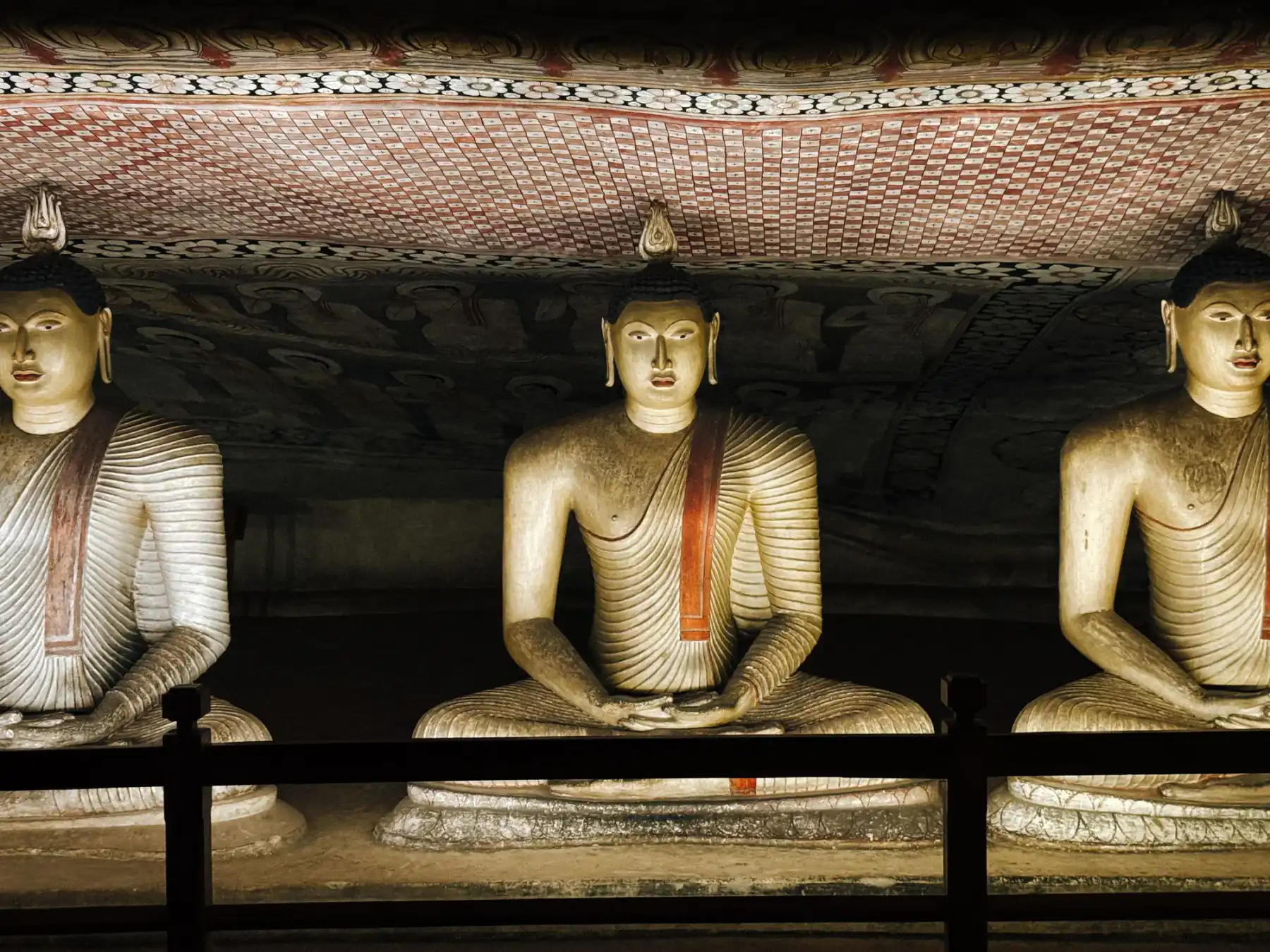
A flexible route framework for active Buddhist sites in Anuradhapura, Mihintale and Kandy, with Sri Pada treated separately.
Colombo airport to Sigiriya
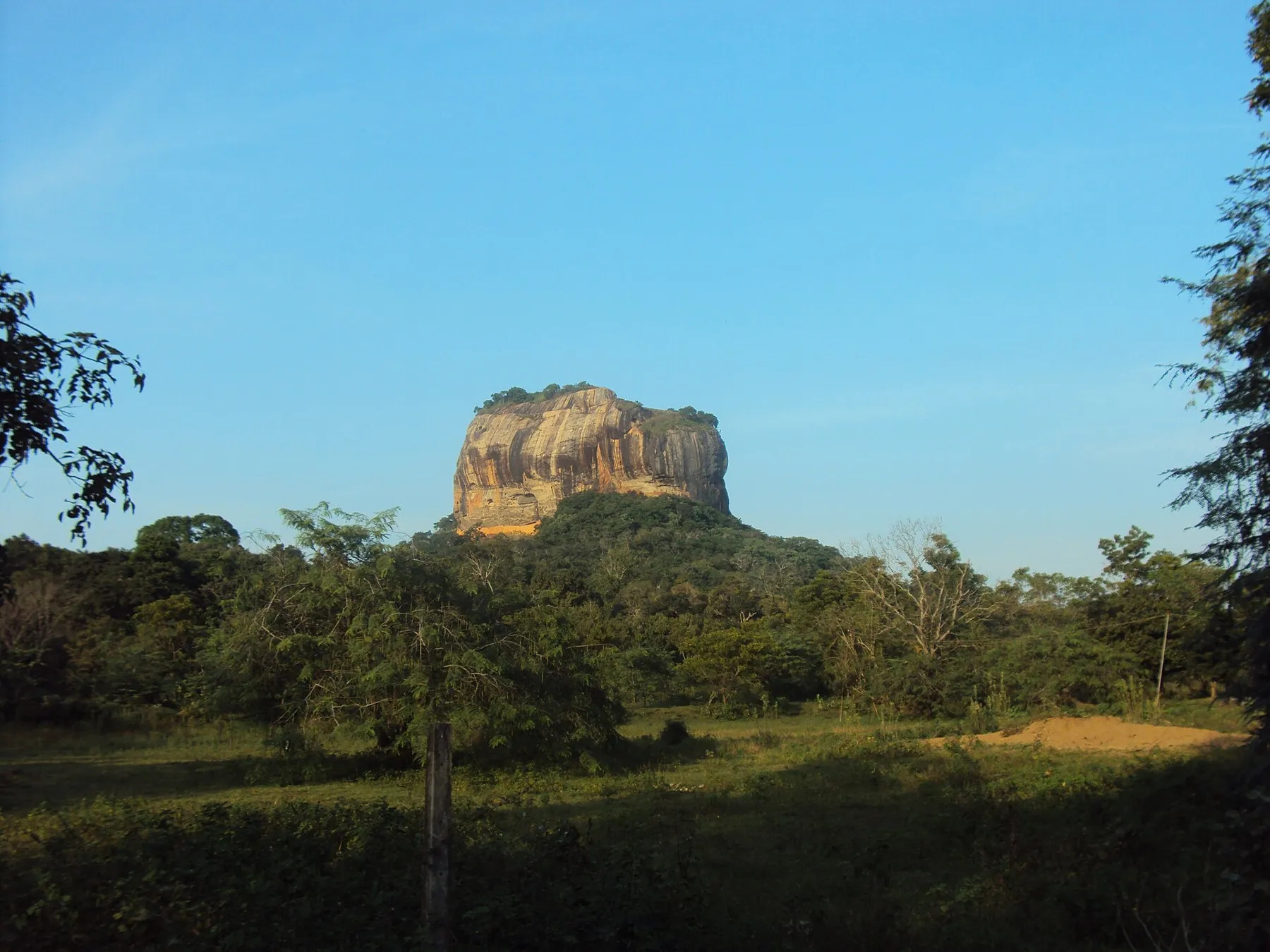
How to get from Bandaranaike International Airport to Sigiriya: road distance and time, the two-bus route through Kurunegala with official NTC fares, the train option to Habarana, the Sigiriya ticket price and hours, and whether you can climb the rock on arrival day. Checked 23 October 2026.