Surfing
Choose a Sri Lanka surf break by current conditions, access, instruction and real ability—not a coast-wide season promise.
Surfing in Sri Lanka is a break-by-break decision. Arugam Bay, Weligama and Hikkaduwa appear in Sri Lanka's visitor geography, but a town name or broad season does not establish today's swell, wind, current, crowd, access or suitability for a particular surfer.
Choose by five checks
- Current marine conditions: use the Department of Meteorology's marine and sea-weather information.
- Actual break: identify the entry, exit, seabed, current and hazards for the specific location.
- Ability: choose conditions that match the least experienced person in the group.
- Instruction and equipment: verify the instructor or operator, board condition, safety process and insurance where relevant.
- Local access: check warnings, restricted areas and advice on the day.
SLTDA's water-activity guidance calls for competent, qualified operators, seaworthy vessels where used, communication capability and operation in appropriate areas. Ask an operator how those safety expectations apply to the activity you are buying.
East coast or south/west coast?
Use the best-time guide for broad rainfall context and the beach guide for coastal route selection. Then use a current surf forecast and qualified local guidance for the exact break. The previous fixed April–September and November–April promises were removed because those ranges cannot guarantee usable or safe conditions.
Beginners need a lesson decision, not a famous break
A well-known destination is not automatically beginner-friendly on a given day. Ask where instruction occurs, how the operator separates learners from other surfers, what safety briefing is provided, and what happens if conditions change.
Pick a break by ability, not reputation
Ask a reputable local school or operator which break suits the surfer's current ability, the day's swell, wind, tide and crowd. A destination known for surfing can still be unsuitable for a beginner or for any surfer on a particular day.
Compare bases before committing
Arugam Bay is an east-coast surf base, while the south-coast choice involves several separate towns and breaks, including Hiriketiya, Ahangama and Hikkaduwa. On 17 October 2026, three Ahangama schools listed group lessons from LKR 5,000 to LKR 16,000 per person on their own pages; the Ahangama guide compares what each includes. Use the south coast hub and the east-versus-south comparison to choose a region, then verify the named break. Do not translate a regional season into a daily safety promise.
Ask practical questions
Confirm board condition, leash, coaching level, supervision, transport to the break and the operator's cancellation rule. Check current marine warnings. Beginners should use instruction appropriate to them and avoid selecting a lesson solely because it is cheapest or closest.
Sources
Last verified 2026-08-28
Destinations for this
Ahangama
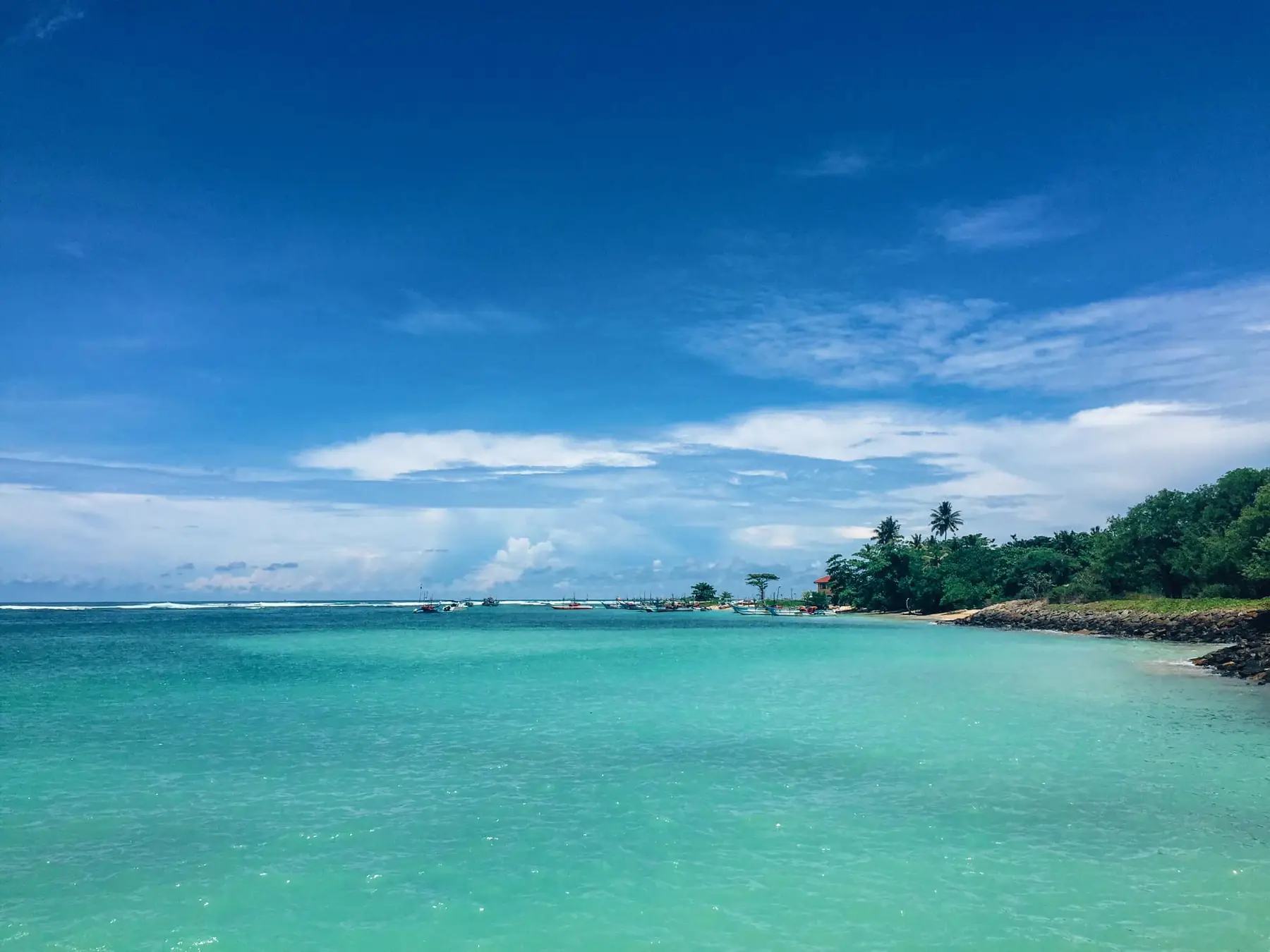
A surf village between Galle and Weligama. Sampled surf lesson prices from three schools, four dated room prices from the properties' own pages, train fares and when to go, checked 17 October 2026.
Arugam Bay
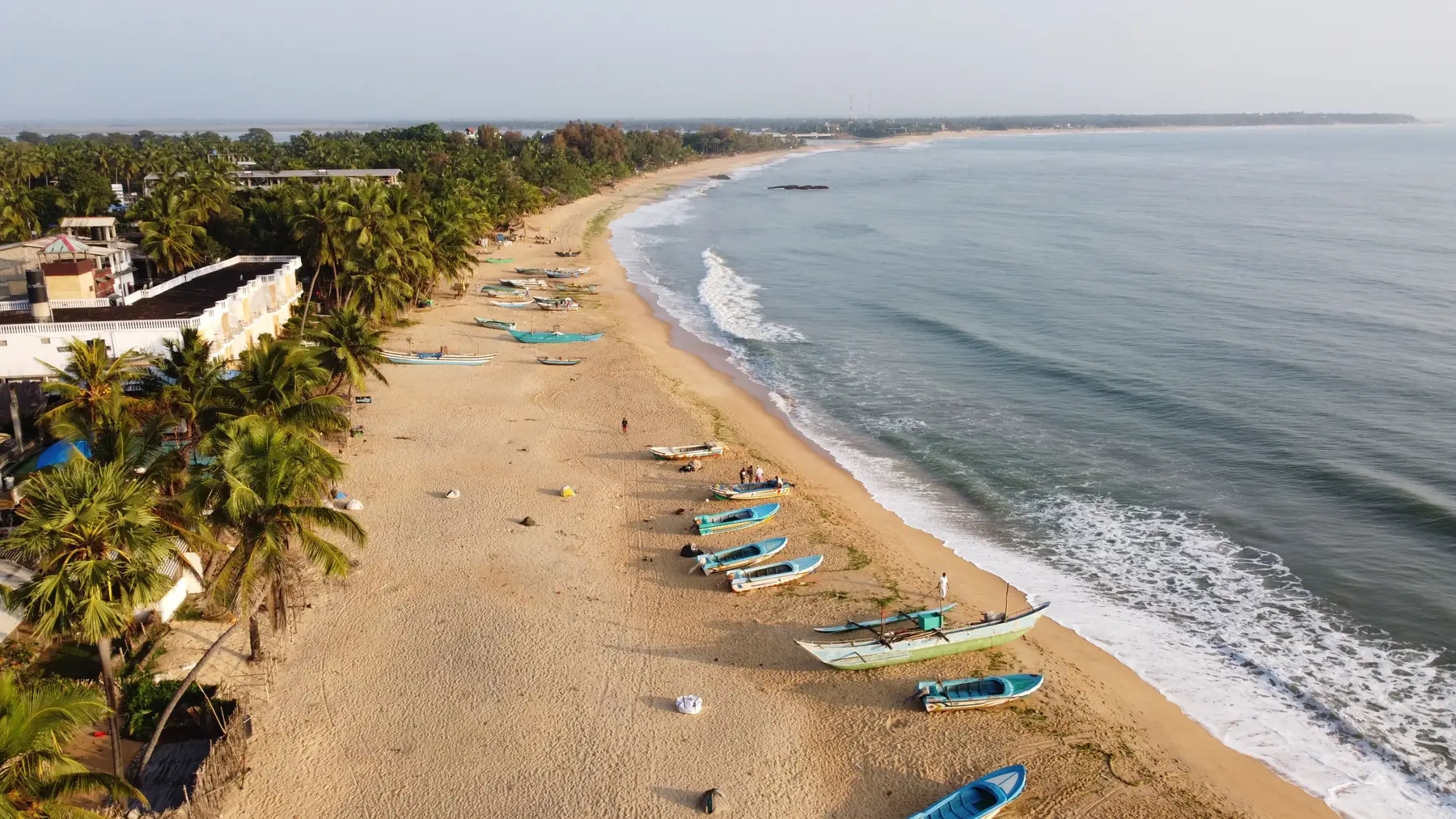
A south-east coast surf bay beside Pottuvil in Ampara District. Surf season runs roughly April to October, and the area's dry season falls in the south-west monsoon, May to September.
Hikkaduwa
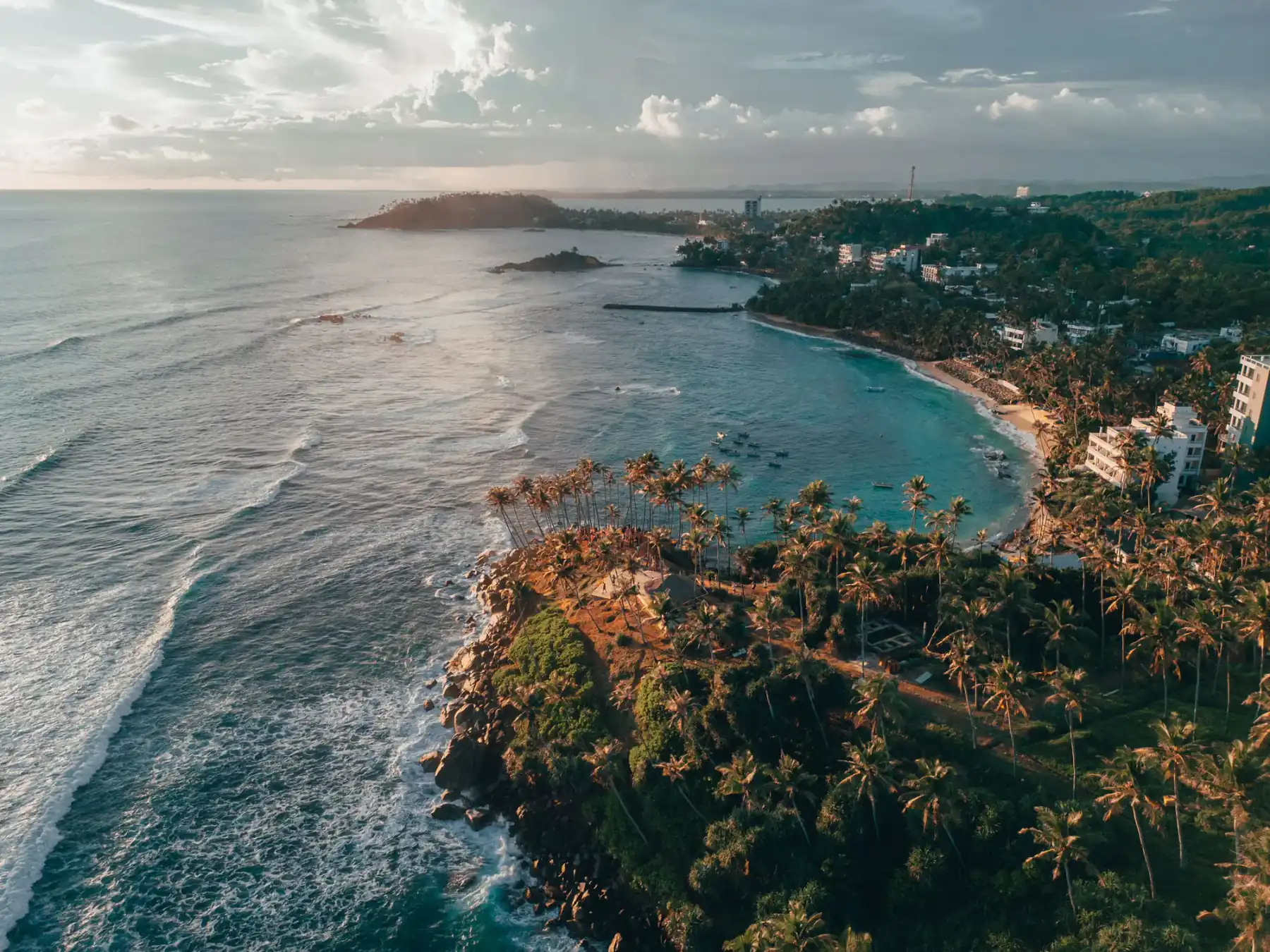
A south-coast beach town known for its reef and surf breaks, on the west side of the South Coast region closer to Galle than to Mirissa.
Hiriketiya
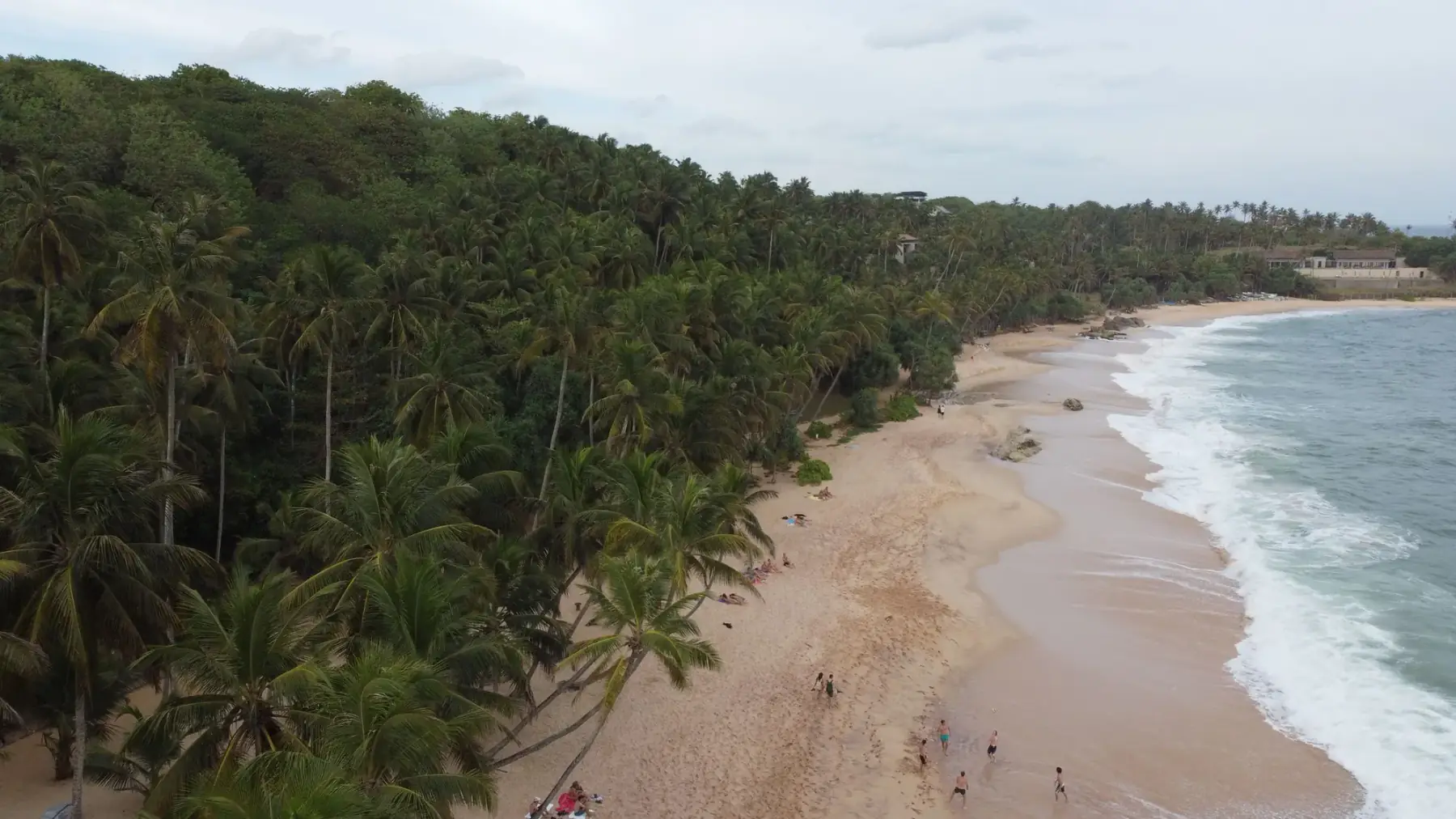
A small horseshoe surf bay at Dikwella in Matara District on Sri Lanka's south coast. Beginner beach break and left reef in one bay, with Dickwella folded into the same stay.
Weligama
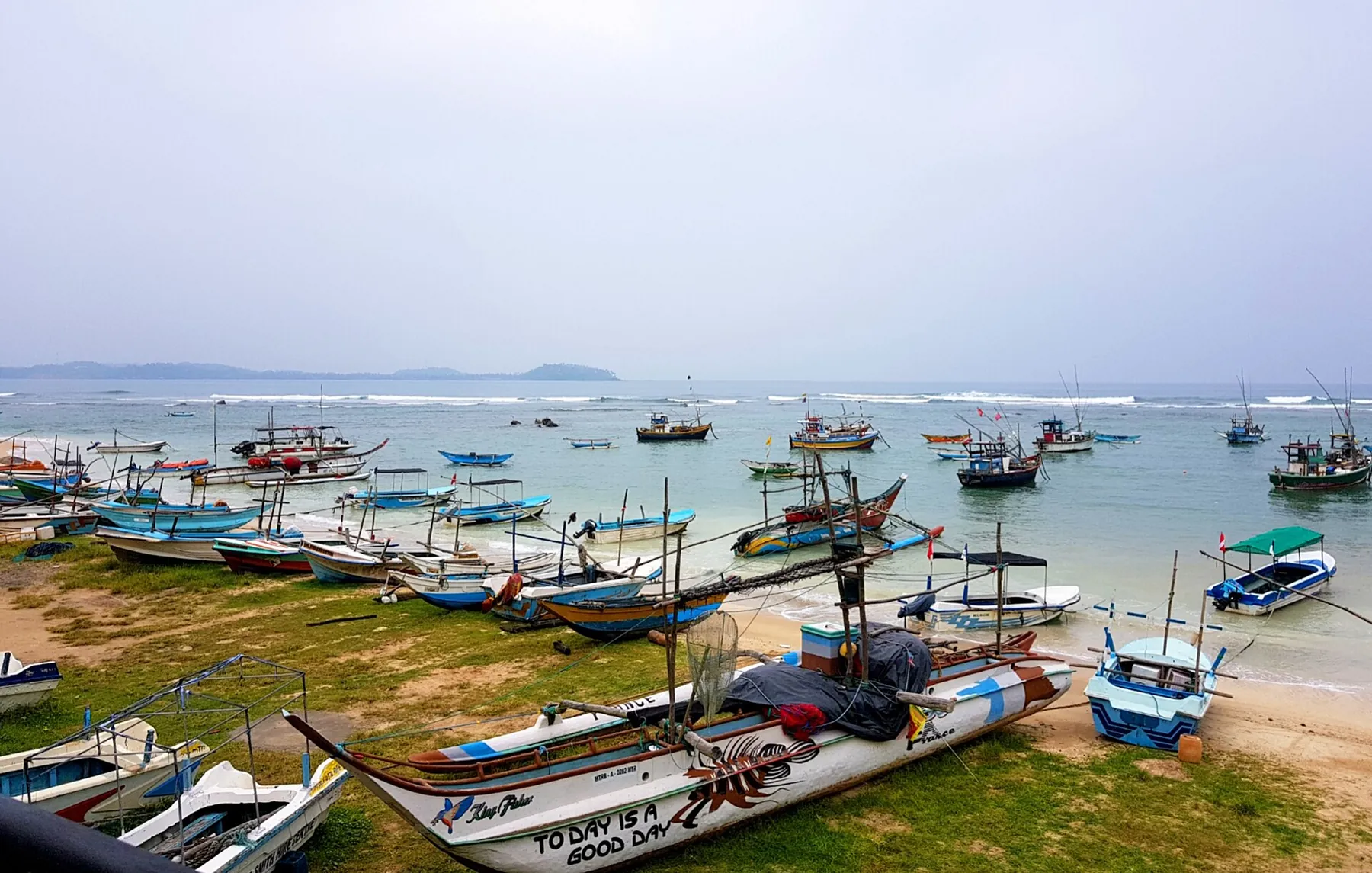
A wide, sandy bay on the south coast between Galle and Mirissa, known for beginner surf lessons, stilt fishermen and Taprobane Island. Surf season runs November to March.
Places for surfing