How Many Days Do You Need in Sri Lanka?
There is no universal minimum: choose trip length from the number of regions, transfer days and non-negotiable experiences you can verify.

For a first Sri Lanka trip, seven days usually works best as one focused route, ten days can support two connected clusters, and fourteen days gives more room for three. Those are planning templates, not documented minimums or guarantees. The right number depends on the exact places, live transfers and pace you choose.
Use this decision rule
Count four things before choosing an itinerary:
- Non-negotiable places: list only the destinations or experiences you would be disappointed to miss.
- Geographic clusters: group nearby priorities into the Cultural Triangle, hill country, south coast, or another coherent region.
- Transfer days: verify the actual rail, bus or road option for each move; do not treat a line on a map as usable sightseeing time.
- Recovery and flexibility: decide how much tolerance you need for weather, delays, mobility, children or a slower pace.
If the required transfers consume the time needed for your priority places, remove a region before shortening every stop.
Seven days: build one coherent route
A one-week plan is strongest when one cluster does most of the work. Examples include:
- a Cultural Triangle heritage route, choosing between Anuradhapura and Polonnaruwa rather than automatically adding both (Anuradhapura or Polonnaruwa?);
- a focused hill-country route, built around the currently available transport rather than an assumed through train; or
- one coastal region, with activities chosen for current weather and sea conditions, such as our south coast itinerary for 5, 7 or 10 days.
The one-week first-visit itinerary is an editorial template. Replace any segment that does not match live transport or your priorities.
Ten days: connect two clusters carefully
Ten days can support a cultural-and-hill-country route, or a hill-country-and-coast route, when the transfers work. The classic 10-day itinerary shows one sequence, but its rail segment remains conditional on current Sri Lanka Railways information.
Avoid adding a third distant region merely to complete a checklist. A new cluster is worthwhile only if its main place or activity justifies another transfer.
Fourteen days: add breadth or slow the pace
Two weeks can be used in two different ways:
- add a third coherent cluster; or
- keep two clusters and spend more time at the places that matter.
The two-week standard-pace itinerary is a starting framework, not proof that every listed safari, boat or train segment operates on a future date.
Combining Sri Lanka with the Maldives? Count the island nights first. The Sri Lanka and Maldives itinerary shows how about six Sri Lanka days fit a 10-day trip and about nine fit two weeks.
Verify the itinerary before booking around it
Confirm entry requirements for your nationality on the official Sri Lanka ETA and free visa guide before committing non-refundable arrangements. Length of stay also changes the visa extension question and the ticket total; the trip-cost guide records the official fees checked for this site.
Sri Lanka Railways publishes operational notices and a reservation service, while the National Transport Commission provides inter-provincial bus tools. Check every long transfer by exact origin, destination and date. Then verify attraction tickets, sacred-site access, park permits and marine conditions separately.
There is no honest answer that guarantees “enough time” for everyone. A good itinerary protects the experiences you chose and makes every transfer earn its place.
A trip-length comparison
| Available time | Strongest planning shape | What usually needs cutting |
|---|---|---|
| 4–5 days | One region or one tightly connected purpose | A broad island loop, multiple coasts and several one-night bases |
| 7 days | One main cluster, possibly with one connected gateway | Distant third region and duplicate experiences |
| 10 days | Two connected clusters with verified transfers | A rushed far-north, east and south combination |
| 14 days | Three coherent clusters or two at a slower pace | Stops added only for coverage |
| 3 weeks or more | Broader regional route with recovery days | Still avoid adding a destination without a distinct purpose |
These are editorial planning shapes, not minimum-stay rules. A traveller attending a wedding, pilgrimage or surf camp may spend the entire trip in one region and have a complete visit.
Four or five days
A short Sri Lanka trip should answer one question well. Examples include a Colombo-and-west-coast stop, a focused Cultural Triangle stay, a Kandy-led cultural visit or one coast selected for the dates. Trying to add Kandy, Ella, a safari and a beach can turn most days into checkouts and transfers.
Choose one base or two closely connected bases. Protect the arrival and departure days from ambitious fixed activities, particularly when international flight timing is involved.
Flying in from India? The 5-day Sri Lanka itinerary from India shows one such plan: two nights in Kandy and two in Nuwara Eliya.
Seven days
Seven days can support a focused first route, but not every celebrated region. The strongest plans usually contain:
- one primary cluster;
- one or two bases within it;
- one major purpose per full day;
- a verified arrival and departure connection; and
- a real alternative for the most weather-sensitive activity.
If the route needs three long transfers, reconsider the third base. The one-week itinerary deliberately excludes much of the island so the included places have a purpose.
Ten days
Ten days offers more flexibility, but the additional time can disappear quickly if it is spent changing regions. Two connected clusters are a useful starting point:
- Cultural Triangle plus Kandy or hill country;
- hill country plus the south coast;
- Cultural Triangle plus an east-coast route when dates and transfers fit; or
- a heritage-and-safari route with the park chosen by location.
Do not assume a through train is the bridge between hill-country stops. Verify the rail or road segment and decide whether the journey leaves enough time at both ends.
Fourteen days
Two weeks can add a third cluster, but it can also improve the same two-cluster route by reducing one-night stays. Decide whether breadth or depth matters more.
A slower route can provide:
- additional time at a World Heritage property;
- a weather alternative for a coast or walk;
- a rest day after a long transfer;
- a second activity in the same region without changing hotels; or
- flexibility around a festival, rail or park condition.
The two-week itinerary should be edited around current services and priorities rather than followed mechanically.
Three weeks or longer
More time makes a north, east or second-coast addition easier to evaluate, but it does not make every stop necessary. Longer trips still benefit from regional blocks and deliberate recovery days. Add Jaffna, Trincomalee, Arugam Bay or a second national park because it contributes something distinct, not because the calendar has empty space.
Count nights, not only days
A “10-day trip” may contain fewer than ten usable sightseeing days after arrival, departure and long transfers. Write the itinerary by nights and mark:
- arrival day and likely available time;
- every checkout and check-in;
- every long transfer;
- fixed reservations or ceremonies;
- weather-dependent activities; and
- the final route to the departure airport.
This makes hidden compression visible. A destination with one night may offer little more than an arrival and a departure.
How to tell if the route is too rushed
The itinerary needs revision when:
- most bases have one night;
- several days combine a long transfer with two major attractions;
- the plan depends on one exact train or boat without a fallback;
- every weather-sensitive activity has only one possible date;
- the airport transfer follows an uncertain connection; or
- removing one stop improves several other days.
Cut the stop with the weakest distinct purpose, not automatically the least famous name.
Different travellers need different margins
Families, travellers with mobility needs, pilgrims, photographers and people managing health requirements may need more time in fewer places. A solo traveller is not automatically faster, and a hired driver does not remove checkouts, fatigue or operating hours.
This guide cannot determine an individual's physical capacity or health needs. Use qualified advice where required and confirm accessibility directly with the site, accommodation or operator.
If you have 21 days, the 3-week Sri Lanka itinerary gives a day-by-day loop with an east coast version for May to September.
A final route-building exercise
Create three lists:
- Must keep: the two or three experiences that justify the trip.
- Useful if nearby: stops that add value without another base.
- Remove first: places included only because a generic itinerary lists them.
Build the shortest coherent route around the first list. Add from the second list only after every transfer is verified. Keep the third list for another trip. The resulting itinerary may cover fewer places, but it will answer the traveller's actual priorities more completely.
Sources
Last verified 2026-08-28
Covered in this guide

Sigiriya
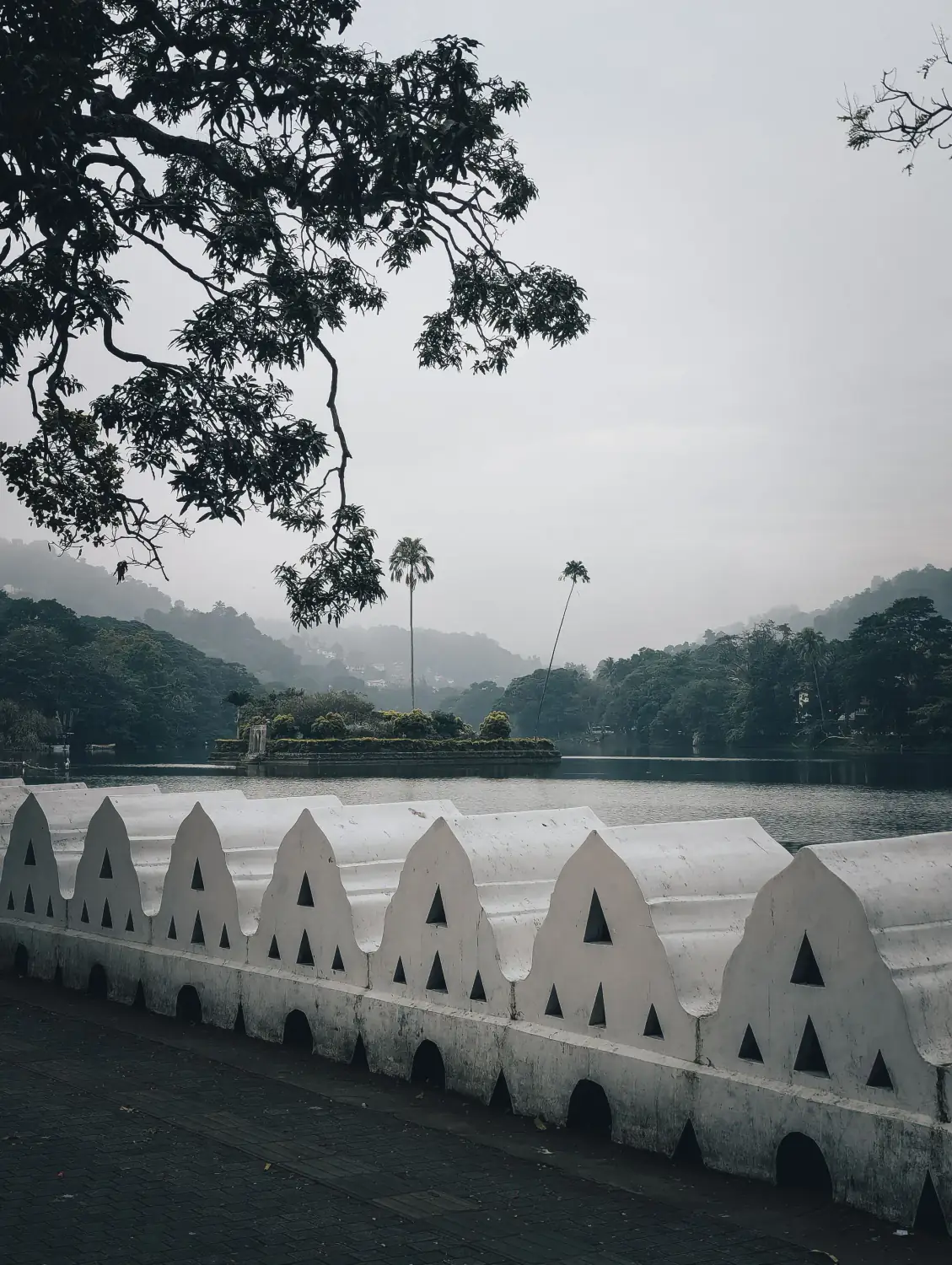
Kandy
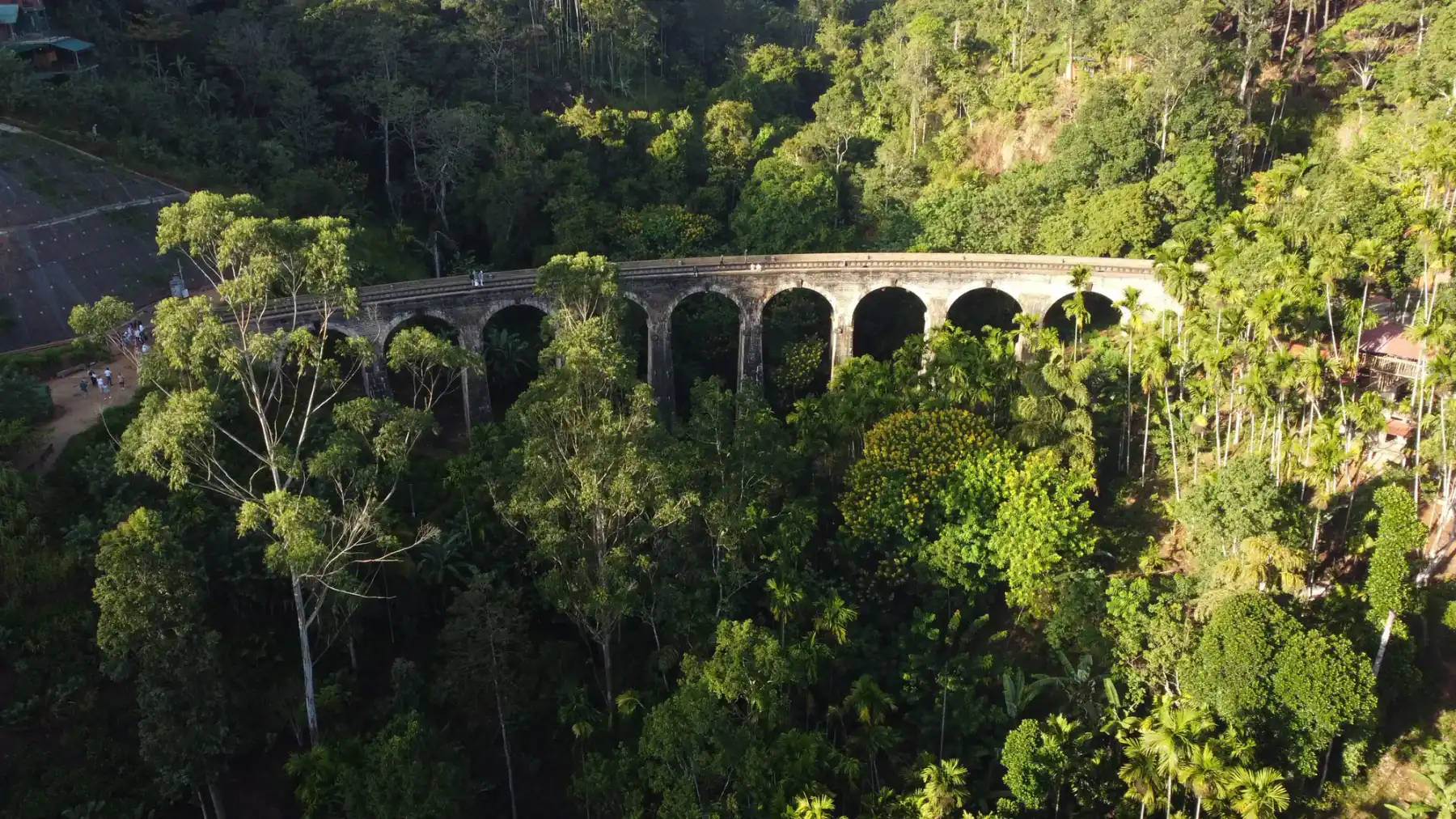
Ella
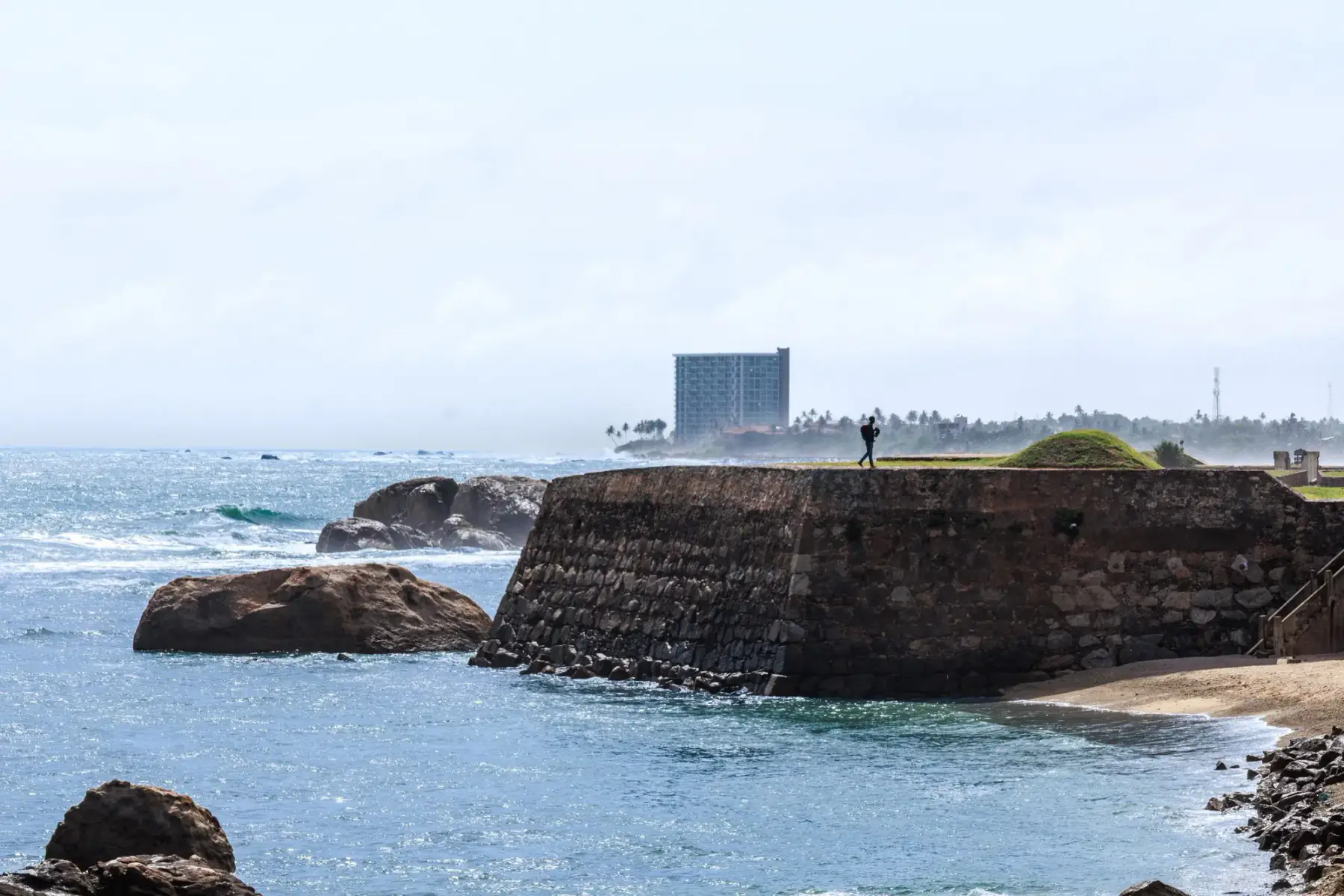
Galle
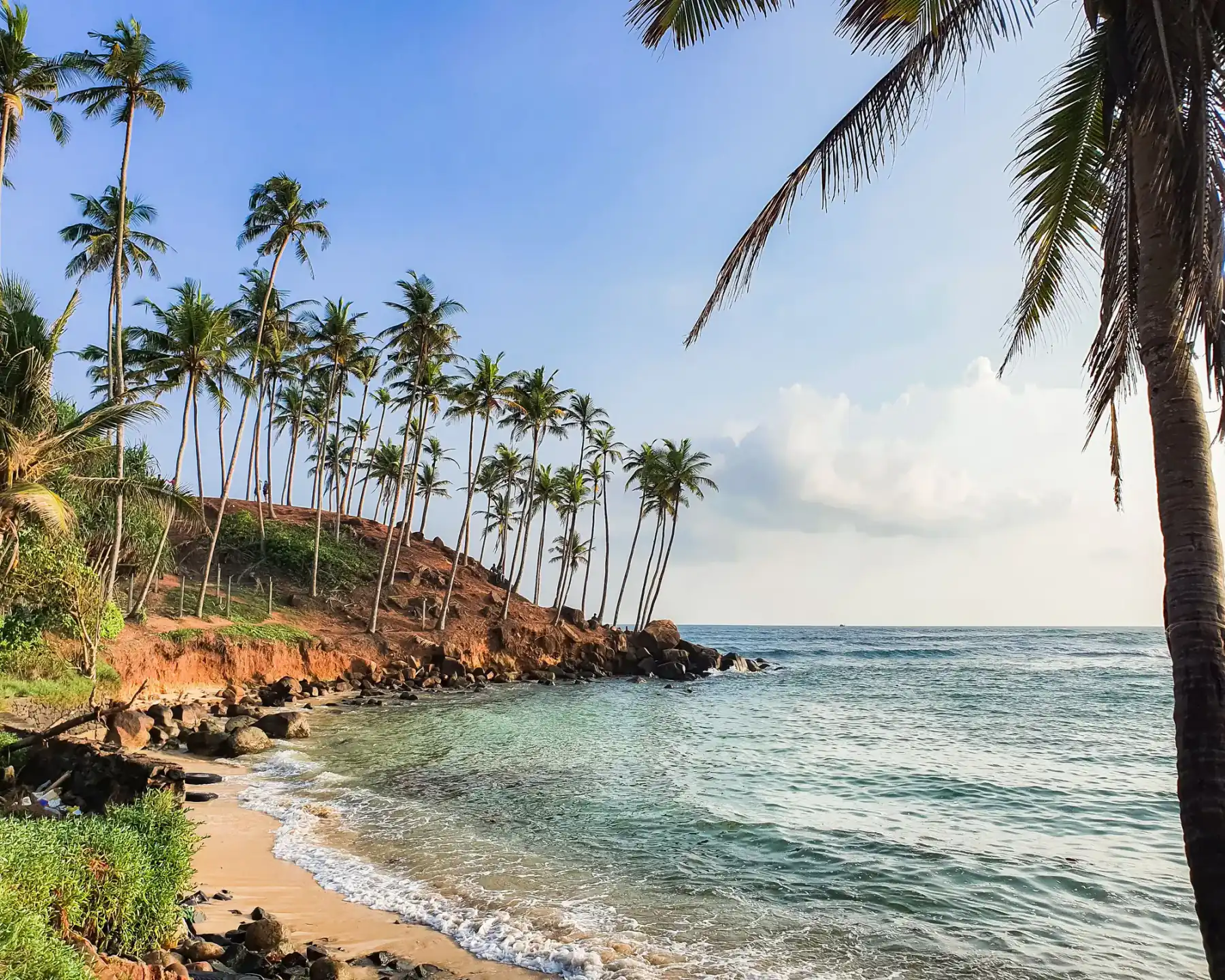
South Coast
Sri Lanka ETA and Free Visa 2026
Related guides
All guides
Getting Around Sri Lanka
Plan Sri Lanka transport by checking rail notices, official bus timetables and fares, and a route-specific fallback before each long transfer.

Best Time to Visit Sri Lanka, Month by Month
Choose when to visit Sri Lanka by matching your route to four broad rainfall seasons, then confirm the forecast for your actual destinations.
Colombo Airport to Galle and Mirissa
From Bandaranaike International Airport to Galle, Mirissa and the south coast by expressway bus or private car. Official NTC expressway bus fares checked 15 October 2026.