Sri Lanka languages and etiquette
What language is spoken in Sri Lanka: Sinhala and Tamil are the official languages and English is the link language. Where each is used, 2024 census facts on who lives where, and the etiquette rules visitors most need, from temple dress to Poya dry days. Checked 4 November 2026.
What language is spoken in Sri Lanka?
Quick answer: Sri Lanka has two main languages, Sinhala and Tamil, and English is the link language between them. Sinhala is the main language in most of the south, west and centre. Tamil is the main language in the north and much of the east. You can get by in English in hotels, stations and tourist towns.
This guide answers the language question first, then covers the etiquette rules that matter most on a trip. For the full temple dress code, see our guide to visiting sacred sites. For what to pack, see what to wear in Sri Lanka.
What does the Constitution say about Sinhala, Tamil and English?
Chapter IV of the Constitution sets out the role of each language. The table sums up the parts that matter to a visitor (Constitution of Sri Lanka, Parliament PDF).
| Article | What it says | What it means for you |
|---|---|---|
| 18 | Sinhala is the official language. Tamil is also an official language. English is the link language. | English is the shared language between Sinhala and Tamil speakers. |
| 19 | Sinhala and Tamil are the national languages. | English is not named as a national language. |
| 20 | Members of Parliament, provincial councils and local authorities may work in either national language. | You may hear either language in Parliament, a provincial council or a local council. |
| 21 | People can be educated in either national language. | Many Sri Lankans grow up speaking one of the two first. |
| 22 | Sinhala and Tamil are languages of administration everywhere. Sinhala is used for public business in seven provinces, and Tamil in the Northern and Eastern Provinces. | Government offices in Jaffna or Trincomalee work mainly in Tamil; in Kandy or Galle, mainly in Sinhala. |
Article 22 also gives people the right to deal with officials in Tamil or English where Sinhala is the language of administration, and the same rights in the other direction. So a public office anywhere in the country should be able to help you in English.
Where will you hear Sinhala or Tamil?
The census does not ask about language, but it does record ethnicity, and the Constitution says which language public offices use in each province. Together they give a fair guide to what you will hear. The census figures below come from the 2024 final report (Department of Census and Statistics press release).
| Area | 2024 census note | Language of public offices | Our guides |
|---|---|---|---|
| Southern Province (Galle, Mirissa, Tangalle) | 94.8% Sinhalese | Sinhala | South coast |
| North Central (Anuradhapura, Polonnaruwa) | 90.5% Sinhalese | Sinhala | Cultural Triangle |
| Western Province (Colombo, Negombo) | 83.6% Sinhalese | Sinhala | Colombo |
| Central Province (Kandy, Nuwara Eliya) | Indian Tamils (Malaiyaga Thamilar) are 15% of the province | Sinhala | Hill country |
| Northern Province (Jaffna) | 91.5% Sri Lankan Tamils | Tamil | Northern Sri Lanka |
| Eastern Province (Trincomalee, Arugam Bay) | 39.5% Sri Lanka Moors/Muslims, the highest share of any province | Tamil | East coast |
Two things are worth knowing. Sri Lanka's Indian Tamil (Malaiyaga Thamilar) community is mainly concentrated in the Central Province (15%), so you may hear Tamil in the hill country too, even though the province uses Sinhala for public business. And the Western Province, which includes Colombo, has the largest share of the country's people, 28.1%, so the capital is where you are most likely to hear all three languages.
Can you get by in English in Sri Lanka?
Yes. Sri Lanka Tourism's travel tips say that "most people have some knowledge of English, and signboards are often in English" (Sri Lanka Tourism travel tips). "Some knowledge" is the key phrase: expect simple English in a village shop and fuller English in places that serve visitors every day.
Two simple habits help. Save your hotel's address and phone number on your phone, so a driver can call ahead. And keep the Sri Lanka Tourism hotline, 1912, in your contacts.
Who lives in Sri Lanka? Ethnicity and religion at a glance
The 2024 census counted 21,781,800 people, with the census moment at midnight on 19 December 2024.
| Group (2024 census) | People | Share |
|---|---|---|
| Sinhalese | 16,144,037 | 74.12% |
| Sri Lankan Tamils | 2,681,627 | 12.31% |
| Sri Lanka Moors/Muslims | 2,283,246 | 10.47% |
| Indian Tamils (Malaiyaga Thamilar) | 600,360 | 2.76% |
| Burghers | 31,721 | 0.15% |
| Malays | 26,650 | 0.12% |
By religion, the same census found 69.8% Buddhists, 12.6% Hindus, 10.7% Muslims, 5.6% Roman Catholics and 1.3% other Christians. This mix is why you will see Buddhist temples, Hindu kovils, mosques and churches, often in the same town. Our sacred sites guide and Hindu temple circuit go into more depth.
What etiquette rules should visitors know?
Most rules are about respect at religious sites. The UK Foreign Office treats some of them as legal matters, not just manners (UK Foreign Office, safety and security, last updated 21 September 2026).
| Rule | Source | Why it matters |
|---|---|---|
| Cover your legs and shoulders and take off shoes and hats at Buddhist temples | UK Foreign Office | You can be turned away at the gate |
| Do not pose for photos in front of a Buddha statue | UK Foreign Office; Sri Lanka Tourism says being photographed in front of or beside statues and murals is "strictly forbidden" | Disrespecting Buddhist images is a serious offence and can lead to arrest |
| Do not show visible Buddha tattoos | UK Foreign Office | Visitors with them can be refused entry or deported |
| No nude or topless sunbathing | UK Foreign Office | It is not allowed |
| Dress modestly off the beach | Sri Lanka Tourism | Especially for women, and at religious sites |
| Do not photograph military bases, government buildings or VIP vehicles | UK Foreign Office | Drones also need Civil Aviation Authority rules |
| Ask before photographing people | Our advice; Sri Lanka Tourism notes that people often ask for a copy and many expect a small payment | Asking first is a simple courtesy. |
| Avoid flash on old murals | Sri Lanka Tourism | Flash can damage them |
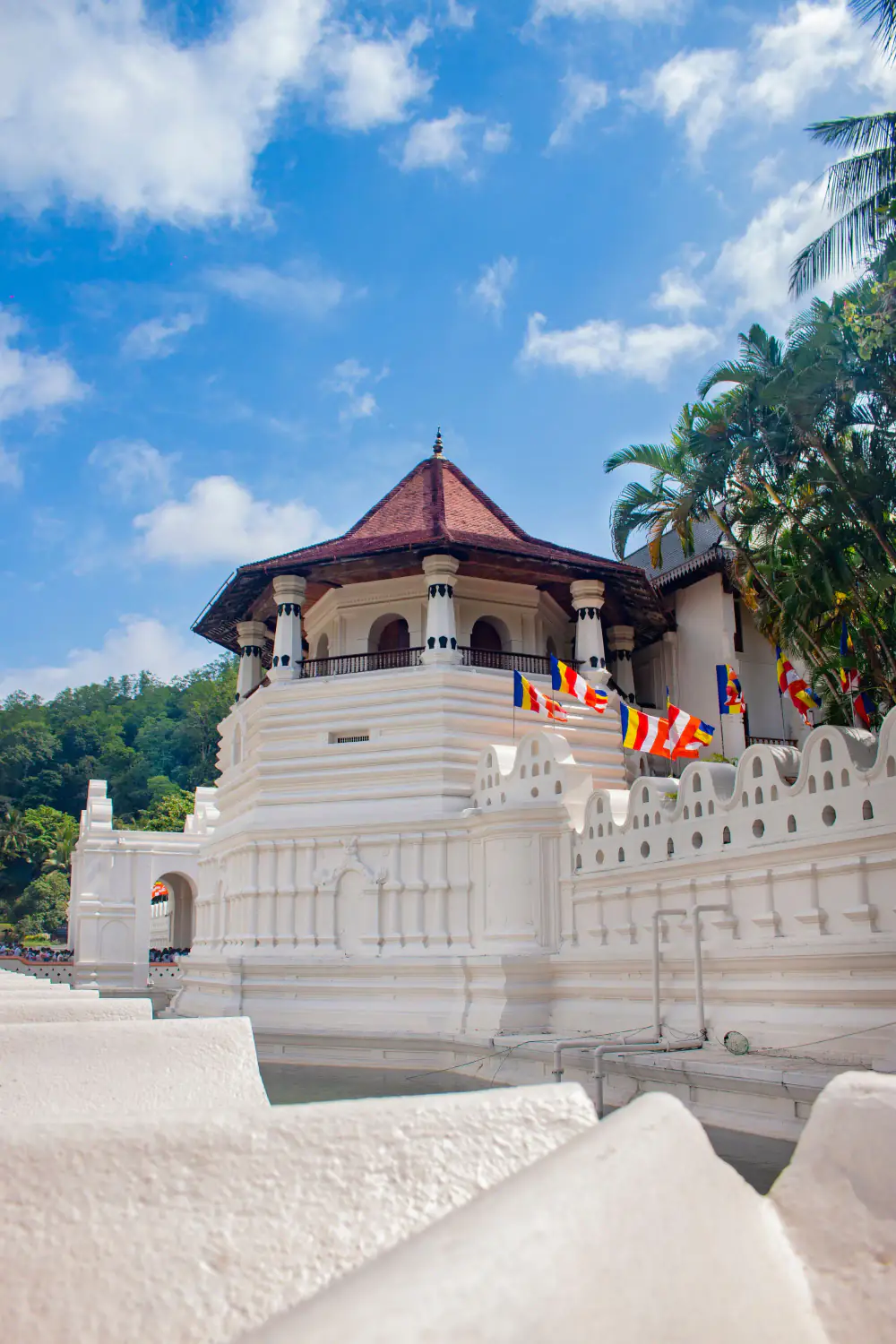
At the Temple of the Tooth in Kandy, the temple's own website lists opening hours of 5.30 am to 8 pm, Monday to Sunday (Sri Dalada Maligawa). Our Temple of the Tooth guide covers tickets and puja times.
Which days are dry days in late 2026 and early 2027?
Every full moon day, called Poya, is a public holiday. The UK Foreign Office says alcohol is not usually available on religious holidays, and that drinking in public on those days could be culturally insensitive. Check locally if you plan a night out. These are the next Poya days from the Central Bank's holiday lists (CBSL 2026, CBSL 2027).
| Date | Day | Poya |
|---|---|---|
| 24 November 2026 | Tuesday | Ill Full Moon Poya |
| 23 December 2026 | Wednesday | Unduwap Full Moon Poya |
| 22 January 2027 | Friday | Duruthu Full Moon Poya |
| 20 February 2027 | Saturday | Navam Full Moon Poya |
| 22 March 2027 | Monday | Medin Full Moon Poya |
Hindu festival days are holidays too. Deepawali falls on Sunday 8 November 2026 and Tamil Thai Pongal on Friday 15 January 2027. For every 2027 date, see Sri Lanka public holidays 2027 and our festival calendar.
How should you dress at temples and kovils?
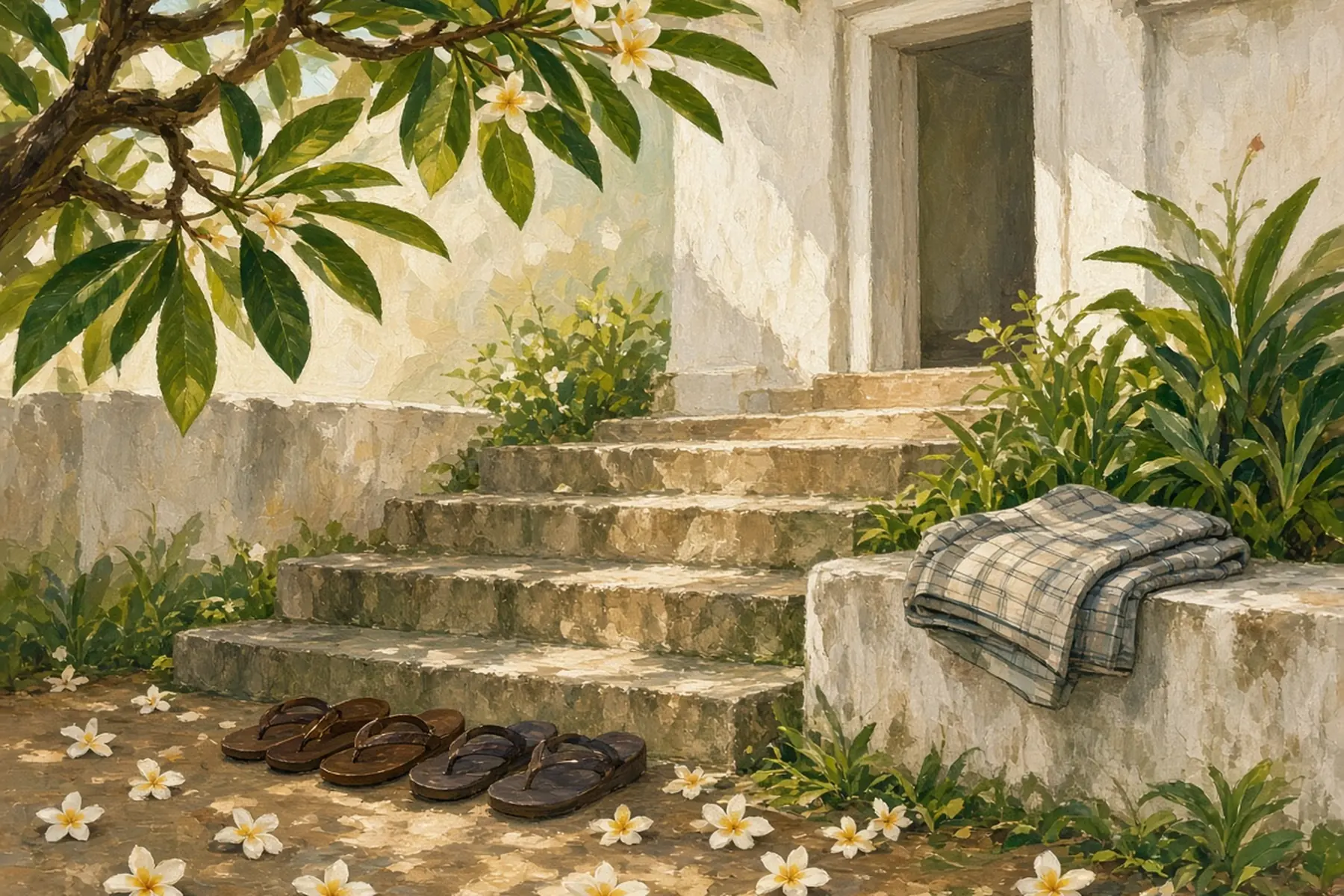
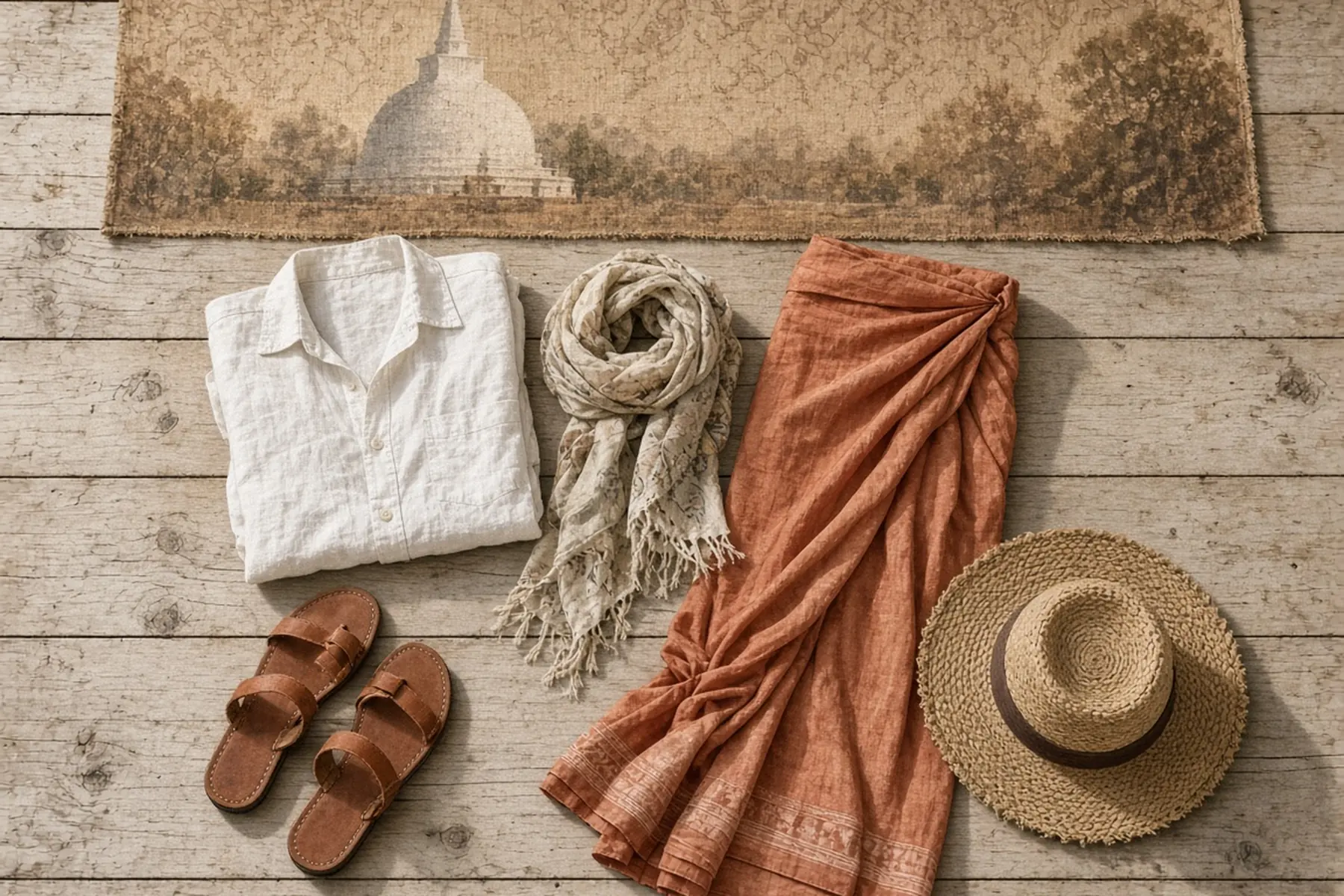
Keep a sarong or long skirt and a top that covers your shoulders in your day bag. Shoes come off before you enter, so sandals you can slip off fast make life easier. At Hindu kovils, rules can differ from temple to temple, so read the signs at the gate and follow what local visitors do. In the north, our Jaffna in January guide covers the Thai Pongal holiday on 15 January 2027.
Are there any language tips for the north and east?
In the Northern Province, 91.5% of people are Sri Lankan Tamils and Tamil is the language of public offices, so Tamil is what you will hear most in Jaffna. On the east coast, Tamil is also the language of public offices, but the population is more mixed: the 2024 census found the Eastern Province has the highest share of Sri Lanka Moors/Muslims of any province, 39.5%. In both areas, English is the usual fallback for a visitor. Our Jaffna guide and northern Sri Lanka guide help you plan the trip.
Frequently asked questions
What language is spoken in Sri Lanka?
Sinhala and Tamil. The Constitution makes Sinhala the official language, says Tamil is also an official language, and makes English the link language. Sinhala is the main language in most of the south, west and centre, and Tamil is the main language in the north and much of the east.
What is the official language of Sri Lanka?
Sinhala and Tamil are both official languages under Article 18 of the Constitution, and both are national languages under Article 19. English is named the link language.
Is English widely spoken in Sri Lanka?
Enough for most visitors to get by. Sri Lanka Tourism says most people have some knowledge of English and that signboards are often in English. Expect less English in small villages than in hotels, stations and tourist towns.
What language is spoken in Jaffna?
Tamil. The 2024 census found that 91.5% of people in the Northern Province are Sri Lankan Tamils, and the Constitution makes Tamil the language of administration in the Northern and Eastern Provinces.
Do I need to learn Sinhala or Tamil to visit Sri Lanka?
No. English is enough for hotels, transport and most tourist sites. A few local words are a friendly extra, but nobody expects them.
Can you buy alcohol on Poya days in Sri Lanka?
Usually not. The UK Foreign Office says alcohol is not usually available on religious holidays and that drinking in public on those days could be culturally insensitive. Every full moon is a Poya day. The next ones are 24 November and 23 December 2026, then 22 January 2027.
Can I wear shorts to a temple in Sri Lanka?
No. At Buddhist temples, the UK Foreign Office says to cover your legs and shoulders and take off your shoes and hat. Carry a sarong or long skirt and a light top that covers your shoulders.
Sources
Last verified 2026-11-04
- https://www.parliament.lk/files/pdf/constitution.pdf
- https://www.statistics.gov.lk/qlink/PressReleases/press_note_CPH_2024_En
- https://www.srilanka.travel/travel-tips
- https://www.gov.uk/foreign-travel-advice/sri-lanka/safety-and-security
- https://www.cbsl.gov.lk/en/about/about-the-bank/bank-holidays-2026
- https://www.cbsl.gov.lk/en/about/about-the-bank/bank-holidays-2027
- https://sridaladamaligawa.lk/
Covered in this guide
What to Wear in Sri Lanka
Sri Lanka public holidays 2027
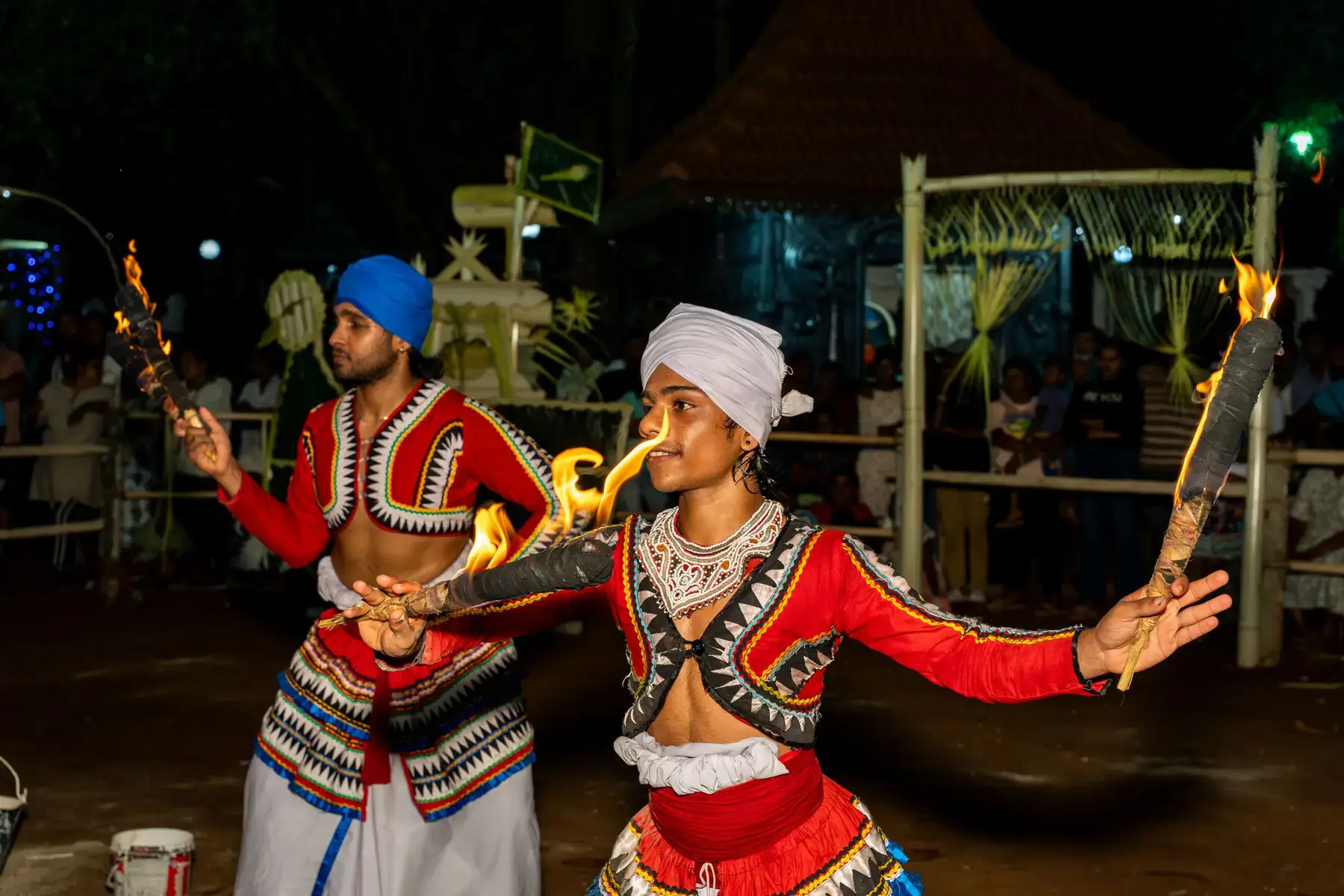
Sri Lanka Festival Calendar
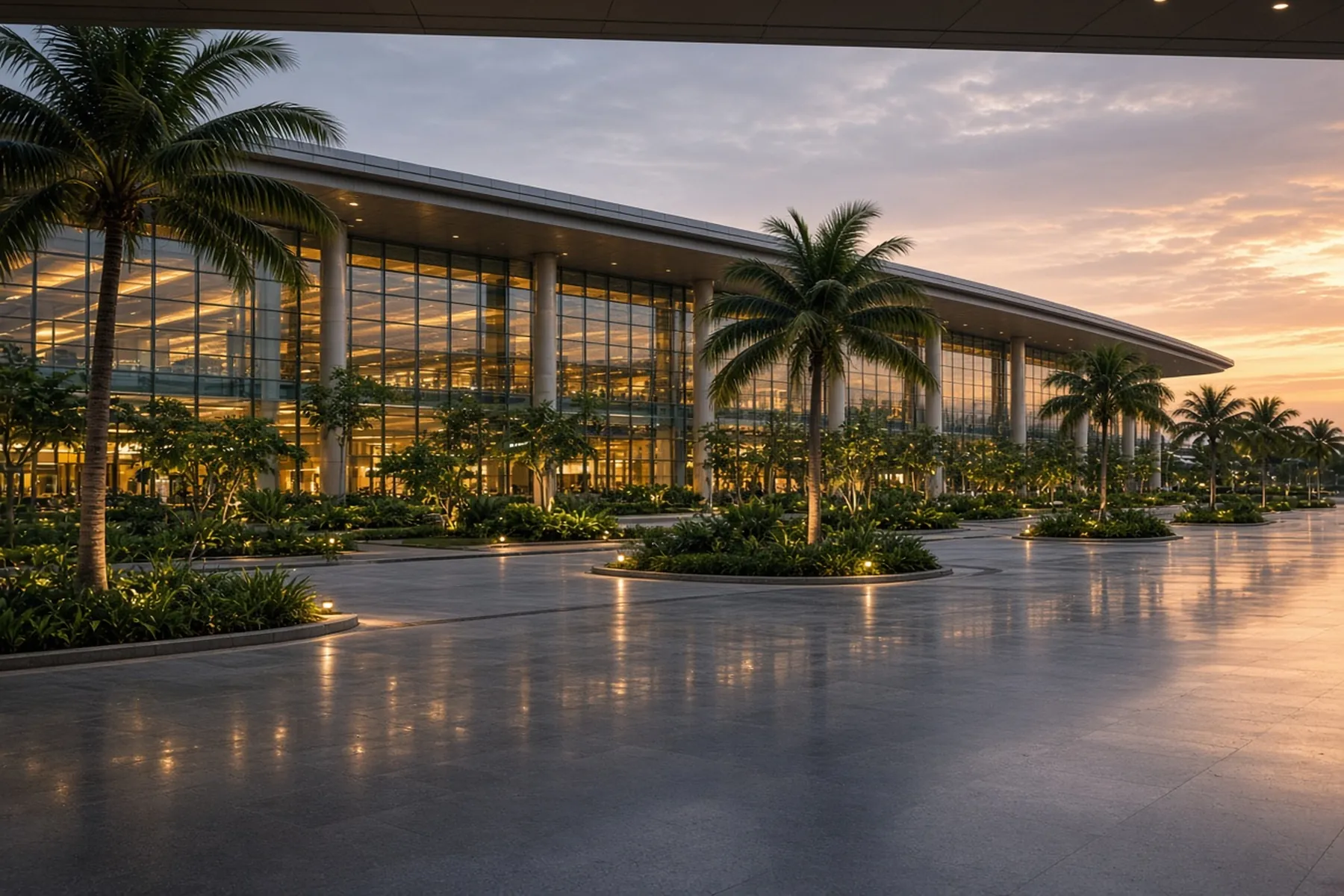
How to Plan a Sri Lanka Trip
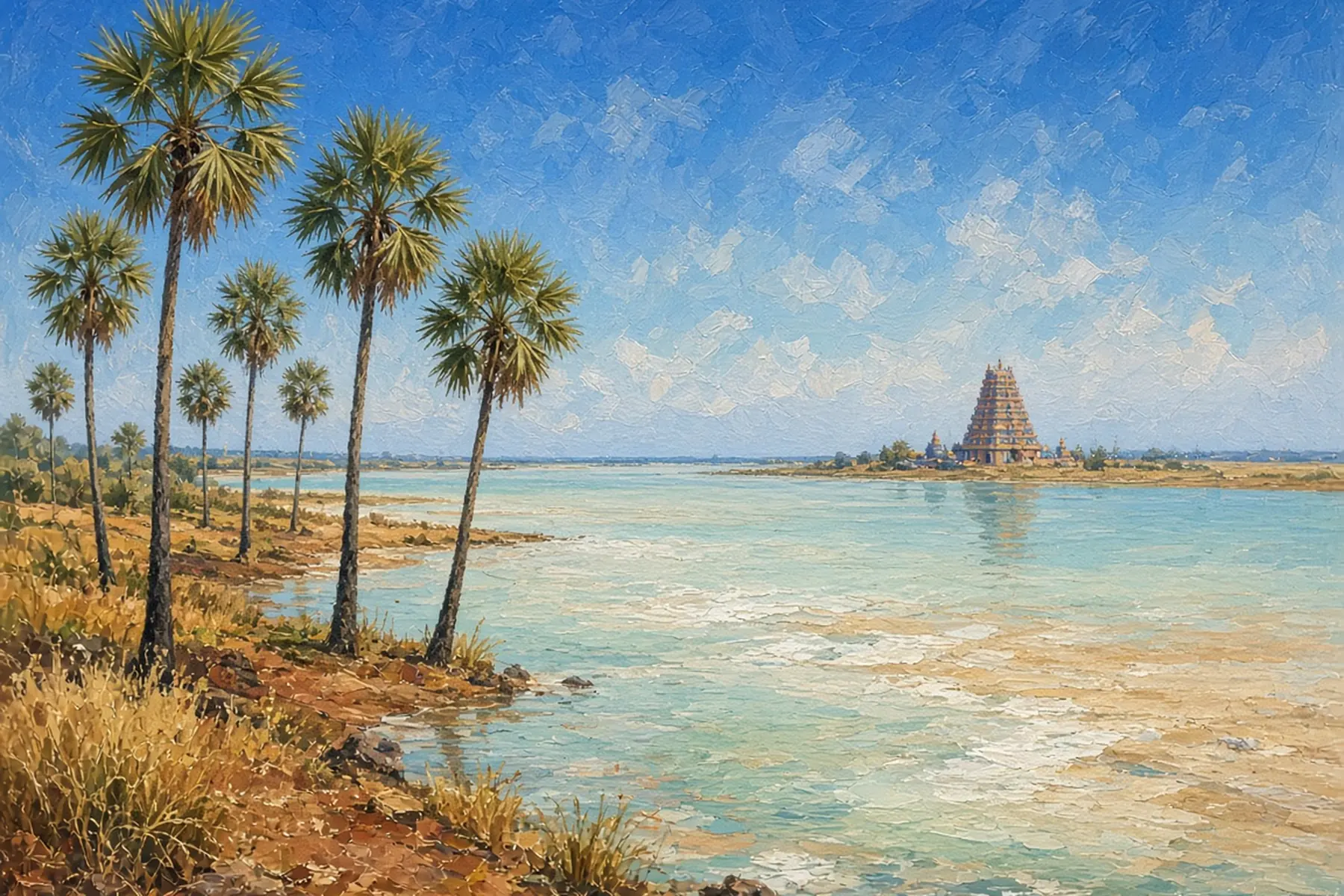
Jaffna in January
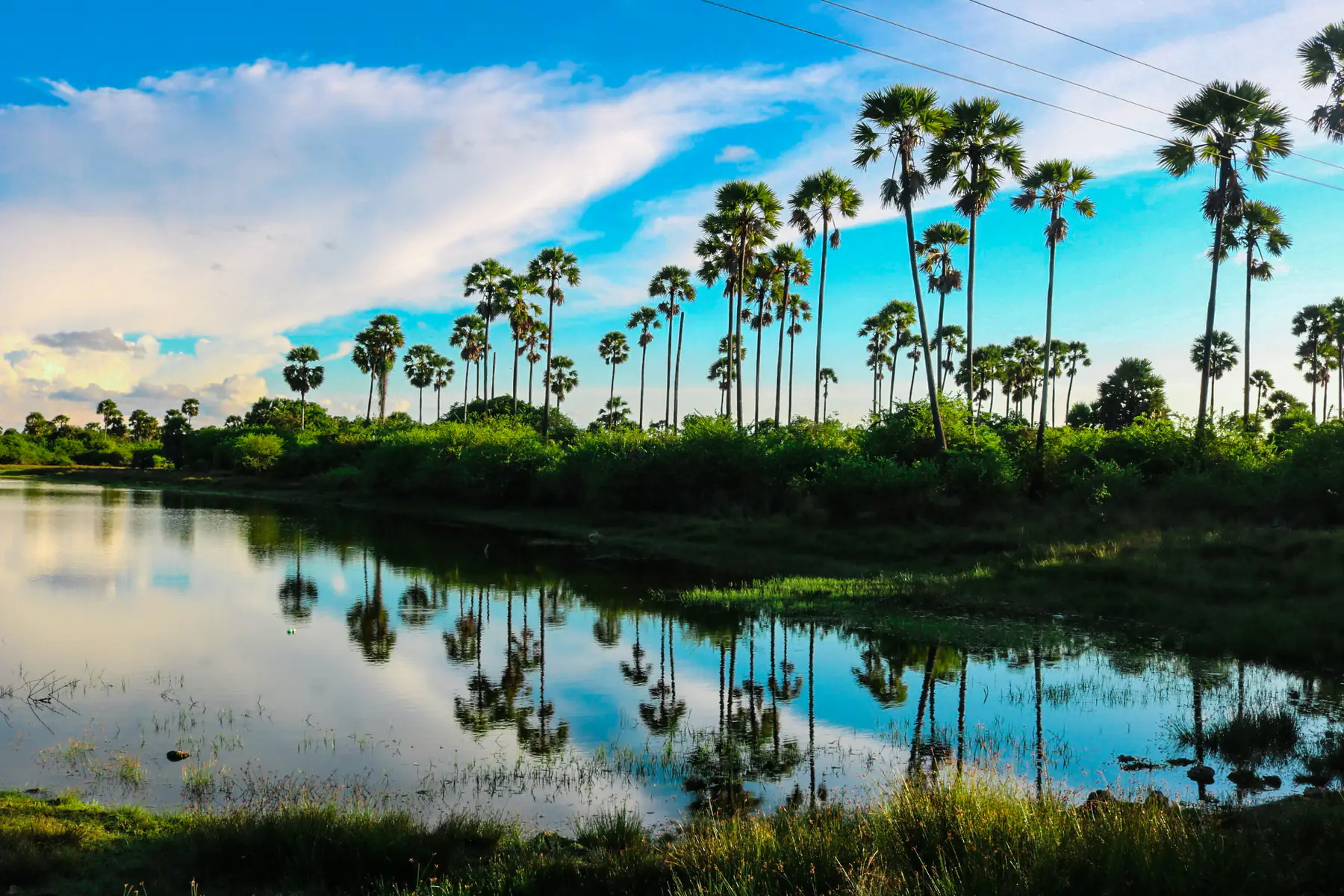
Northern Sri Lanka
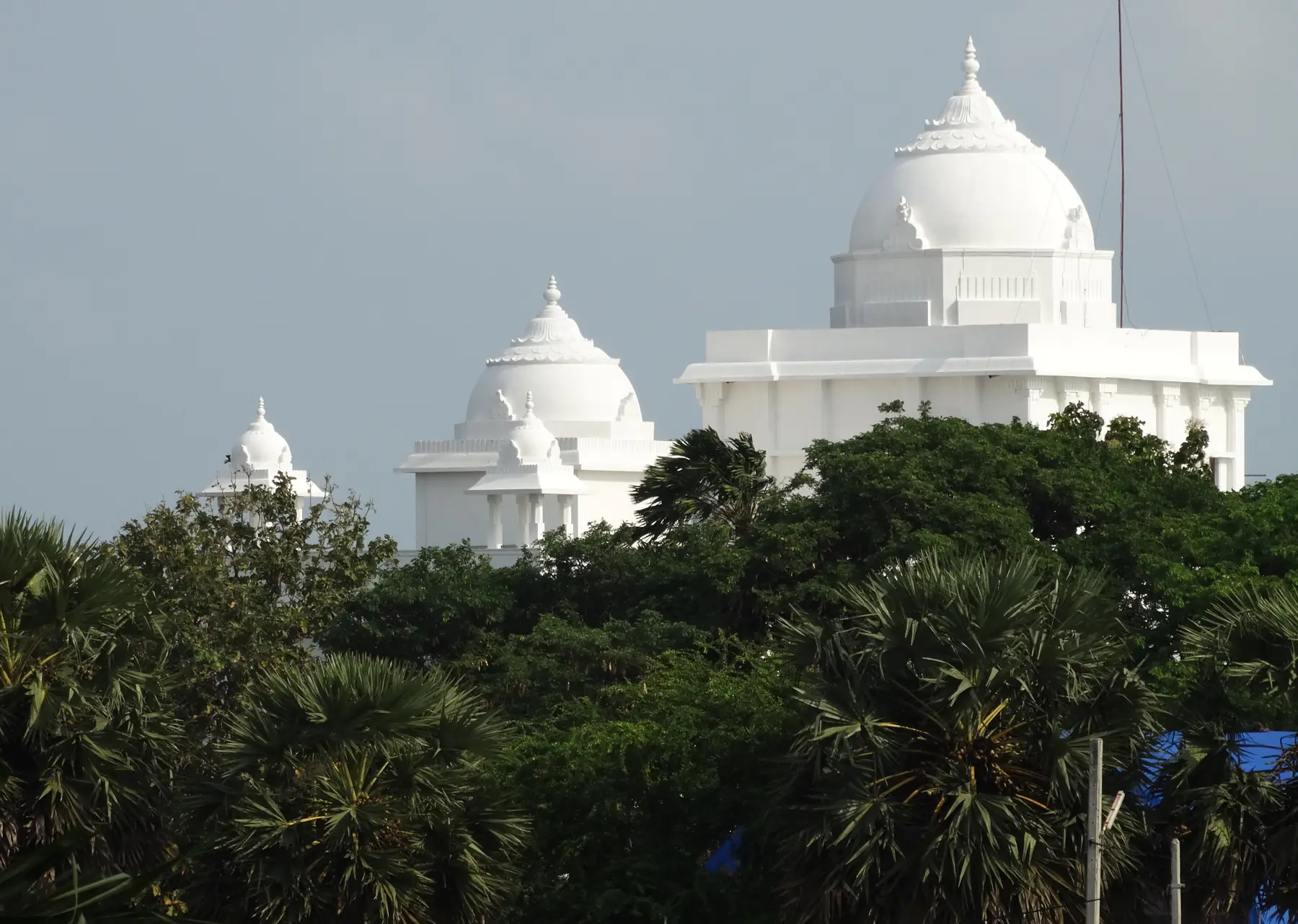
Jaffna
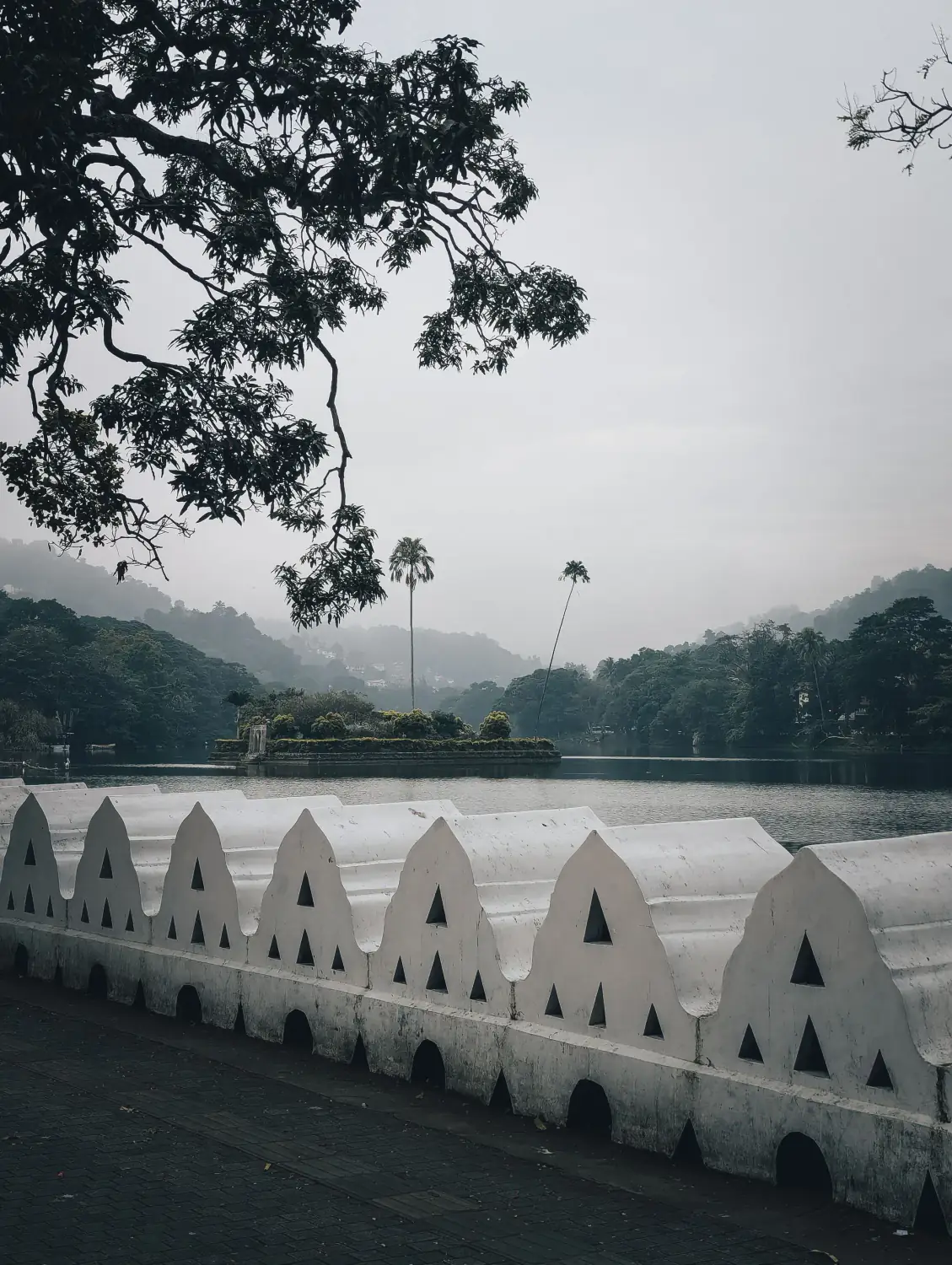
Kandy
Temple of the Sacred Tooth Relic
Related guides
All guides
Colombo Airport to Jaffna
Colombo airport to Jaffna by bus: NTC route 87 fares from Colombo, the airport's fixed-fare card rate of Rs 69,660, about 377 km on our road sample and how to split the trip. Checked 28 October 2026.
Jaffna in January
Jaffna weather in January: much drier than a wet December, with WMO normals in C and F, a December to April comparison, the January 2027 rainfall outlook, Thai Pongal and Duruthu Poya dates, and how to get there. Checked 4 November 2026.
Kandy Weather in November: Rain Days and What to Pack
November is one of Kandy's wettest months: about 16 rain days at the Katugastota station and a Department of Meteorology outlook for above-normal rain in 2026. Rain, heat, sunset times, a wet-day plan and what to pack. Checked 24 October 2026.