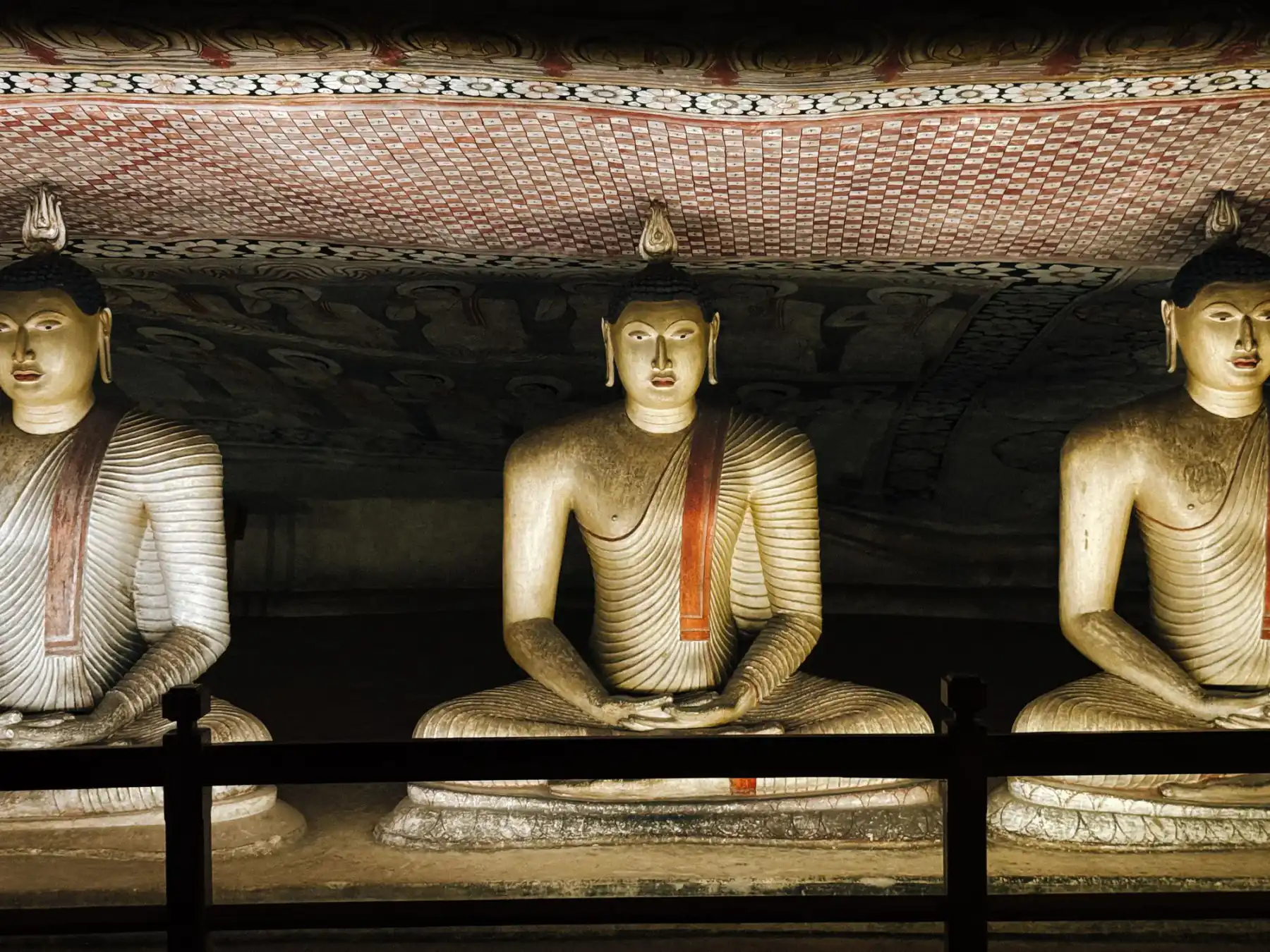
Rangiri Dambulla Cave Temple
A living Buddhist pilgrimage site organised around five cave shrines, inscribed on the World Heritage List in 1991.
Is Dambulla Cave Temple worth visiting? (Checked 11 October 2026)
Yes, if painted interiors and living Buddhist practice interest you. Rangiri Dambulla Cave Temple is five cave shrines under a rock outcrop. UNESCO calls it the largest and best-preserved cave-temple complex in Sri Lanka, with about 2,100 square metres of murals and 157 statues, and a pilgrimage site for 22 centuries. It is still a working temple, so plan the visit around worship rather than sightseeing alone.
| Checked on 11 October 2026 | |
|---|---|
| Opening hours | 7.00 am to 5.00 pm, as listed by the Central Cultural Fund |
| Cave temple ticket | USD 10 on Sri Lanka Tourism's attraction page (undated); confirm at the ticket office |
| Where to buy | The office at the entrance near the Golden Temple |
| Dambulla museum (CCF) | USD 3 (LKR 1,008), half ticket USD 1.50 (LKR 504), per CCF list updated 14 Oct 2026 |
| Dress | Modest dress for a Buddhist temple; follow staff instructions on shoes and hats |
| Photos | No posing in front of or beside statues and murals; no flash |
| Site phone | +94 66 228 4760, listed by the Central Cultural Fund |
Why do the caves matter?
UNESCO describes a living Buddhist site in natural caves used by forest-dwelling monks since the 3rd century BCE. The shrines were renovated many times before reaching their present interiors in the 18th century, and UNESCO counts the paintings among the masterpieces of the Kandyan school. Inside, there are no walls between spaces: statues and murals lead devotees from one ritual area to the next.
Sri Lanka Tourism names the five caves as Devaraja Lena, Maharaja Lena, Maha Alut Viharaya, Paccima Viharaya and Devana Alut Viharaya, at the base of a rock about 150 m high. The property belongs to the Asgiriya Chapter of Buddhist monks and is a Protected Monument under the Department of Archaeology. UNESCO notes that part of the gate collection from foreign visitors funds the monks' upkeep of the site.
How much is the Dambulla Cave Temple ticket?
Sri Lanka Tourism's official attraction page lists a USD 10 entrance fee for foreign visitors, bought at the office near the Golden Temple. That page carries no date, and the cave temple's own admission is not on the Central Cultural Fund price list, so confirm the amount at the office.
Per CCF list updated 14 Oct 2026 (336 rupees to the dollar), the separate Dambulla museum is USD 3 (LKR 1,008), with a half ticket at USD 1.50 (LKR 504). CCF prices are quoted in US dollars and paid in rupees at the day's rate, and SAARC citizens get 50 per cent off CCF tickets. Check the CCF price list close to your visit.
What are the opening hours?
7.00 am to 5.00 pm, as listed by the Central Cultural Fund. Sri Lanka Tourism says each of the four routes up to the temple is a long flight of granite steps, and recommends climbing in the morning or the evening. Two routes start from the Kandy road (A9), one from the Kurunegala to Dambulla road (A6) and one from the Valagamba Pirivena.
What is the dress code?
Dress as you would for any Buddhist temple. Sri Lanka Tourism advises modest dress for women at religious sites. Follow staff instructions on removing shoes and hats before the shrines. Our what to wear guide and the sacred-sites guide cover temple etiquette in more detail.
On photography, Sri Lanka Tourism says it is strictly forbidden to be photographed in front of or beside any statues and murals, and warns that flash can damage old murals. Keep voices low and give worshippers room.
Can you do Sigiriya and Dambulla in one day?
Yes. The two World Heritage properties are about 15 km apart in a straight line, measured between their UNESCO reference points; the road is longer. The Central Cultural Fund lists both as open from 7.00 am to 5.00 pm. A practical order:
- Climb Sigiriya at opening. Per CCF list updated 14 Oct 2026, a full ticket is USD 35 (LKR 11,760) and a half ticket USD 20 (LKR 6,720), valid for a single entry.
- Rest through the middle of the day.
- Climb to the Dambulla caves later in the afternoon, in line with Sri Lanka Tourism's advice to avoid the middle of the day, and leave before the 5.00 pm close.
Both visits involve steps and heat, so a single day suits travellers comfortable with two climbs. If either site is the main reason for the trip, give it a day of its own. Deciding where to sleep? See Sigiriya or Dambulla: where to stay.
Where does the cave temple fit in your route?
Use the Dambulla destination guide for the base and road transfers, and the Cultural Triangle region guide to decide which other heritage cities to add. This page stays on the cave-temple visit itself.
Frequently asked questions
How much is the Dambulla Cave Temple ticket?
Sri Lanka Tourism's official attraction page lists a USD 10 entrance fee for foreign visitors, bought at the ticket office near the Golden Temple. The page is undated and the cave temple is not on the Central Cultural Fund price list, so confirm the amount at the office. The separate Dambulla museum ticket is USD 3 (LKR 1,008) per CCF list updated 14 Oct 2026 (ccf.gov.lk/is/index.php).
What are the Dambulla Cave Temple opening hours?
The Central Cultural Fund lists the Dambulla Cave Temple as open from 7.00 am to 5.00 pm (checked 11 October 2026). Sri Lanka Tourism recommends climbing the granite steps in the morning or the evening.
What is the dress code for Dambulla Cave Temple?
Dress modestly, as at any Buddhist temple: Sri Lanka Tourism advises modest dress at religious sites. Follow staff instructions on shoes and hats. Sri Lanka Tourism also says it is strictly forbidden to be photographed in front of or beside statues and murals, and that flash can damage old murals.
Is Dambulla Cave Temple worth visiting?
Yes, if painted interiors and living Buddhist practice interest you. UNESCO calls it the largest and best-preserved cave-temple complex in Sri Lanka, with about 2,100 square metres of murals and 157 statues across five cave shrines, and it has been a pilgrimage site for 22 centuries.
Can you do Sigiriya and Dambulla in one day?
Yes. The two UNESCO properties are about 15 km apart in a straight line, between their UNESCO reference points, and the Central Cultural Fund lists both as open from 7.00 am to 5.00 pm. Climb Sigiriya first, at opening, then visit the caves later in the day.
Sources
Last verified 2026-10-11
Read next
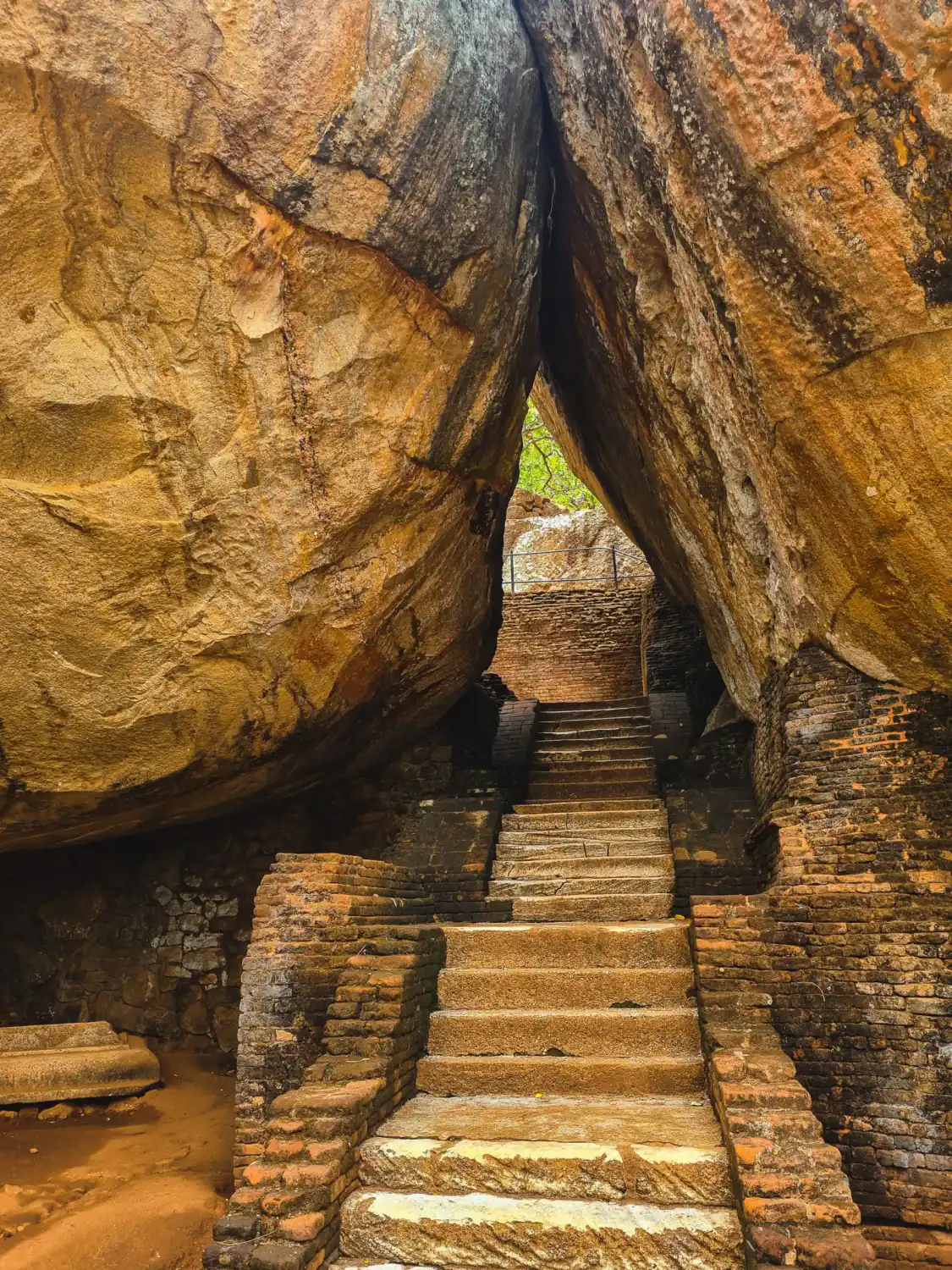
Is Sigiriya the Eighth Wonder of the World?
No official UNESCO designation names Sigiriya an eighth wonder; its verified status is the Ancient City of Sigiriya World Heritage property.
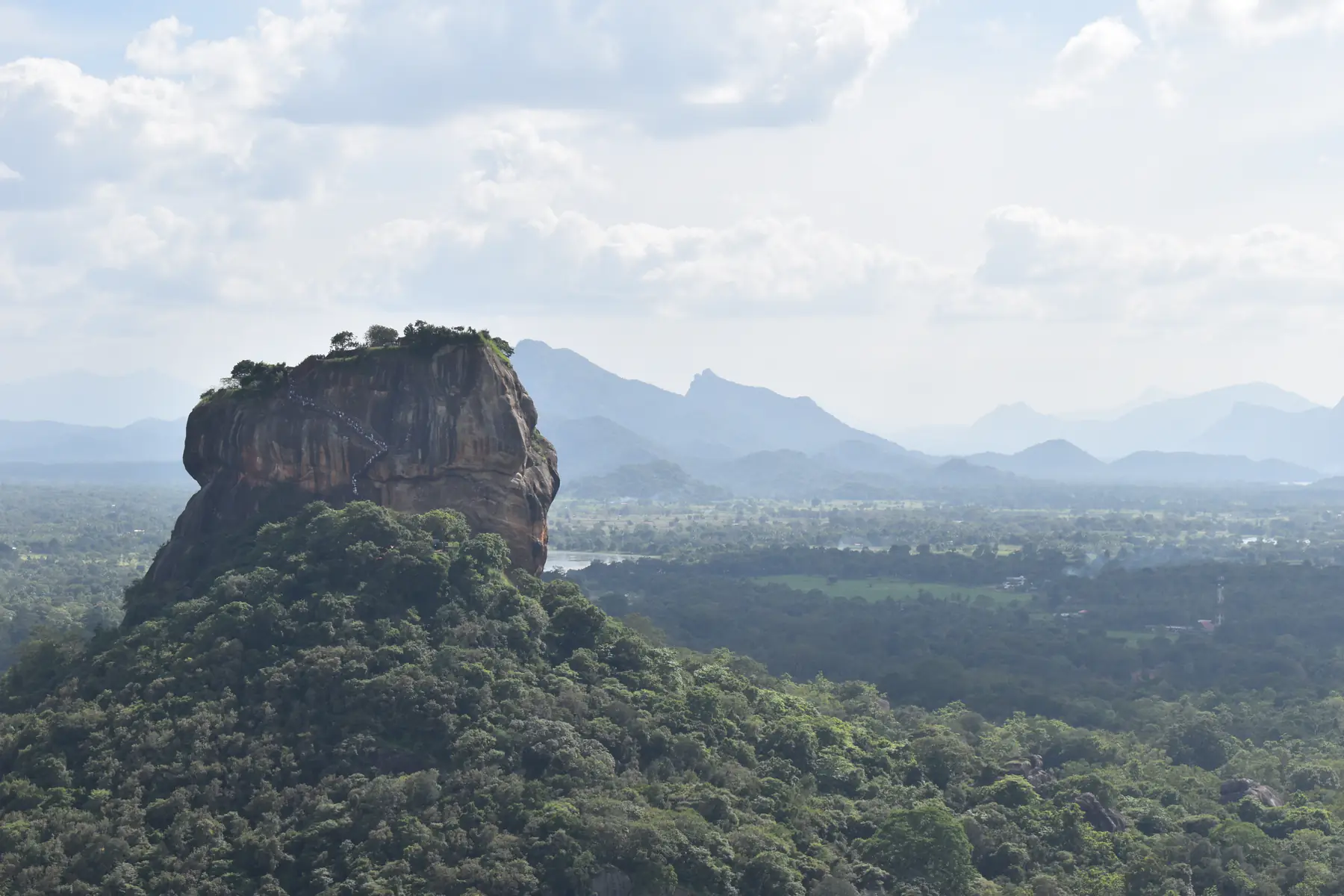
Sigiriya or Dambulla: Where Should You Stay?
Choose Sigiriya or Dambulla as a Cultural Triangle base by starting with the heritage site you want to prioritise and verifying each transfer.
Sri Lanka in November
November is one of Sri Lanka's wetter months island-wide, and the Department of Meteorology expects above-normal rain in November 2026. How to plan around it, where to go, and what opens, checked 12 October 2026.
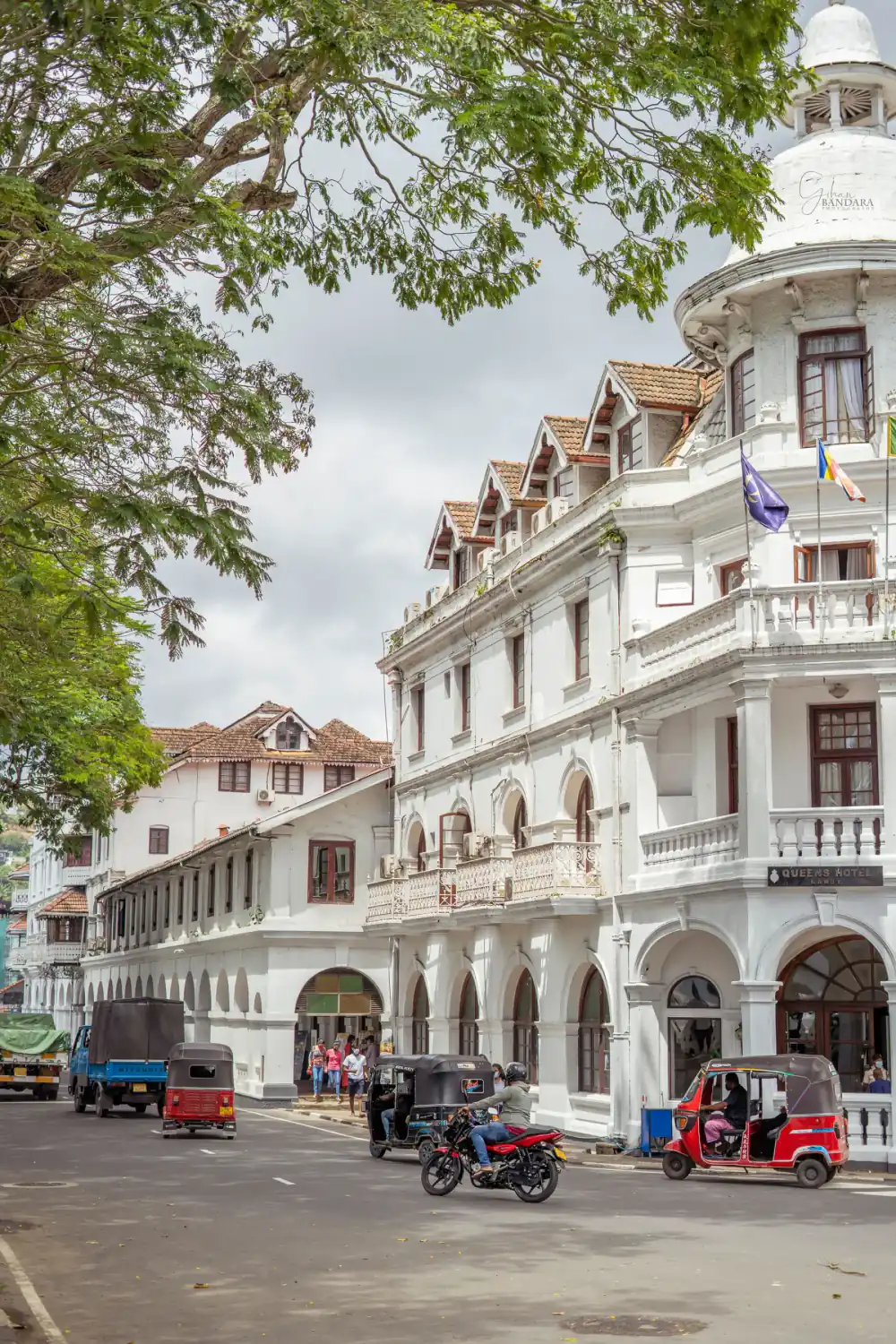
How much does a Sri Lanka trip cost?
Sri Lanka trip costs in GBP, USD, EUR and JPY at the Central Bank rate of 16 Oct 2026: official tickets and fares, SLTDA daily spend, and room, surf and garden prices sampled from businesses' own pages on 17 Oct 2026.
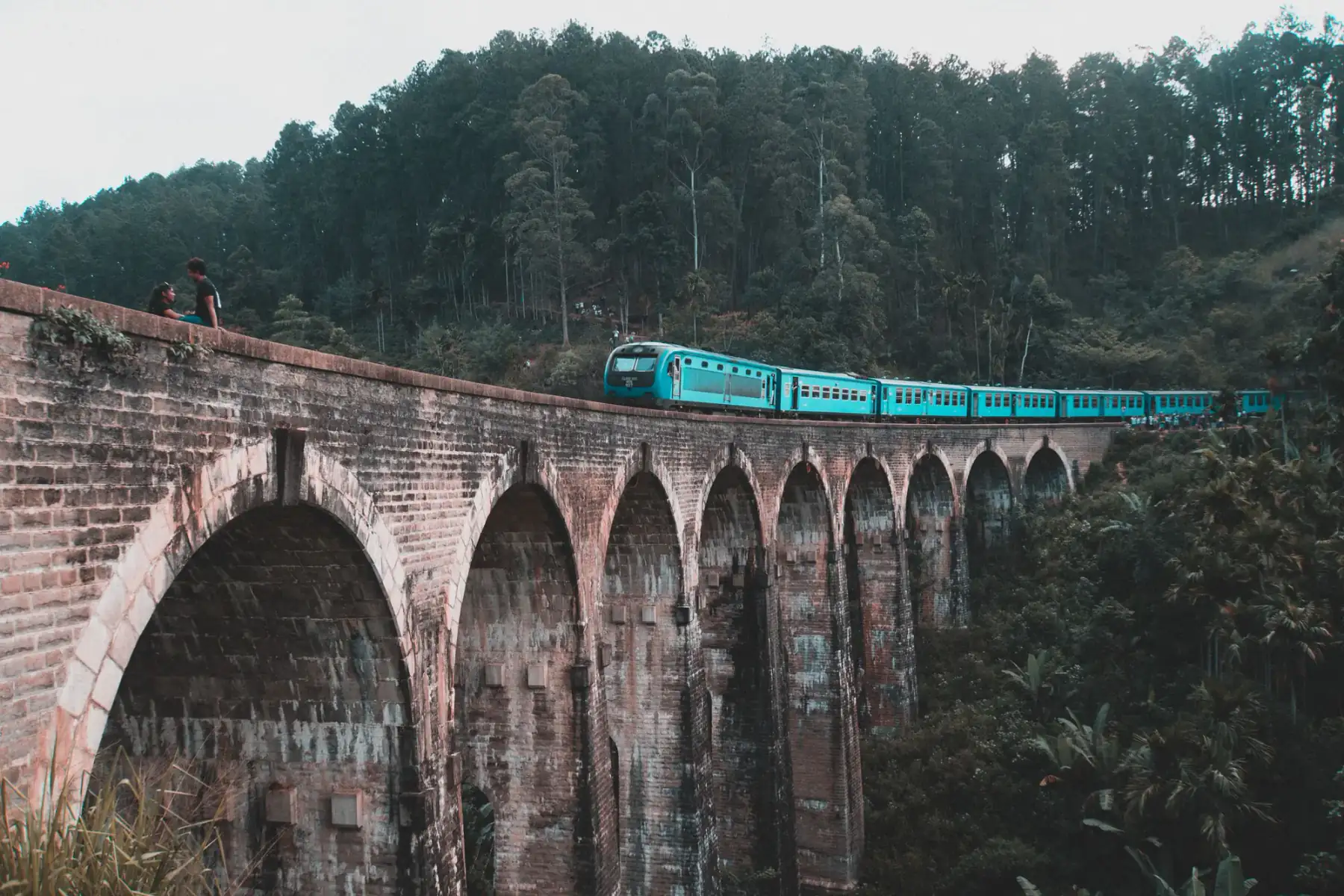
Classic Sri Lanka: South, Hills and Cultural Triangle
A day-by-day 10-day Sri Lanka itinerary: Sigiriya, Dambulla, Kandy, the Nanu Oya to Ella train, Galle and Mirissa, with dated ticket and fare costs checked 17 October 2026.
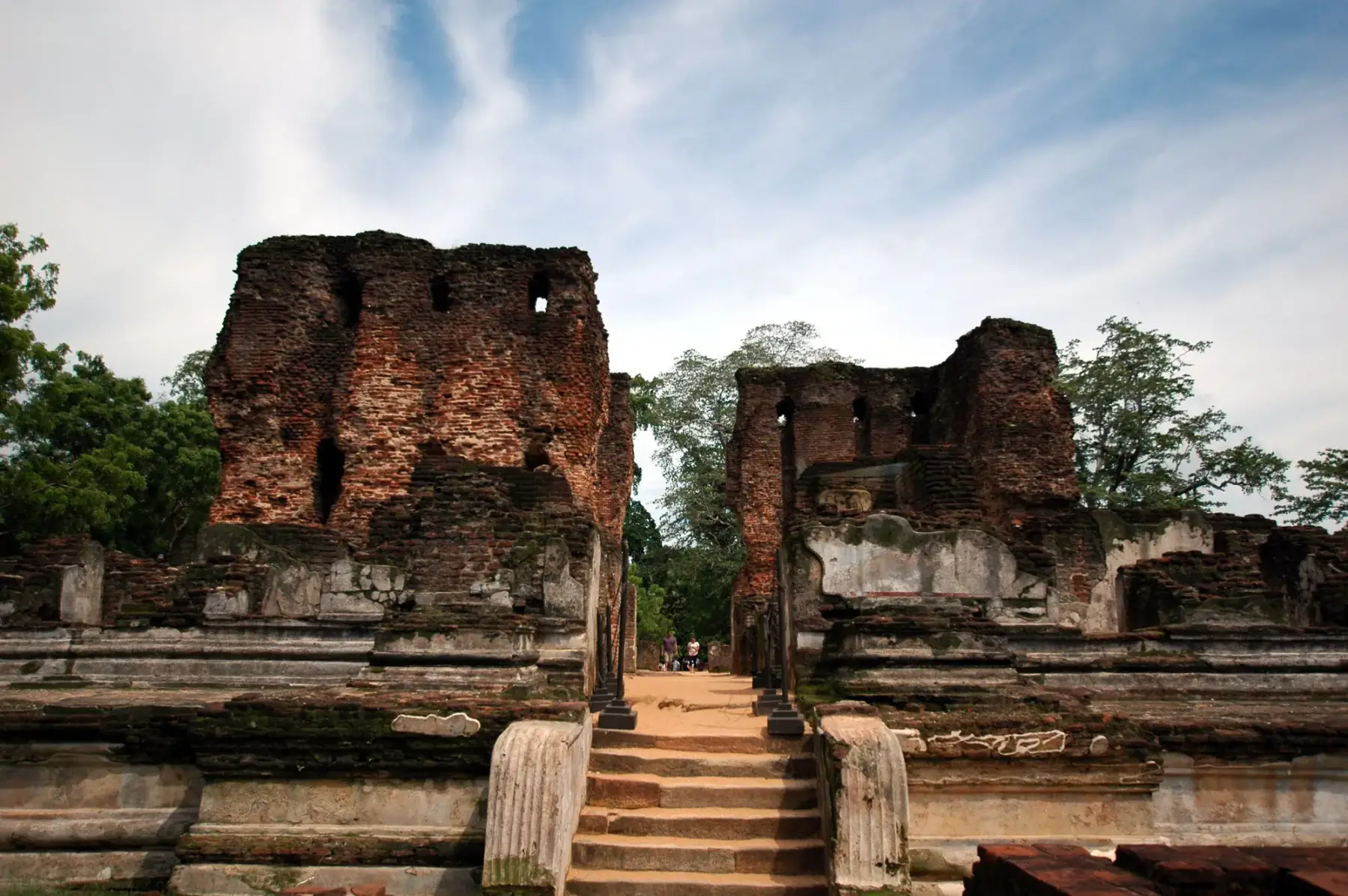
Cultural Triangle and Heritage Focus
A five-day heritage framework connecting Sigiriya, Dambulla, Anuradhapura, Polonnaruwa and Kandy without pretending every site fits one rushed loop.
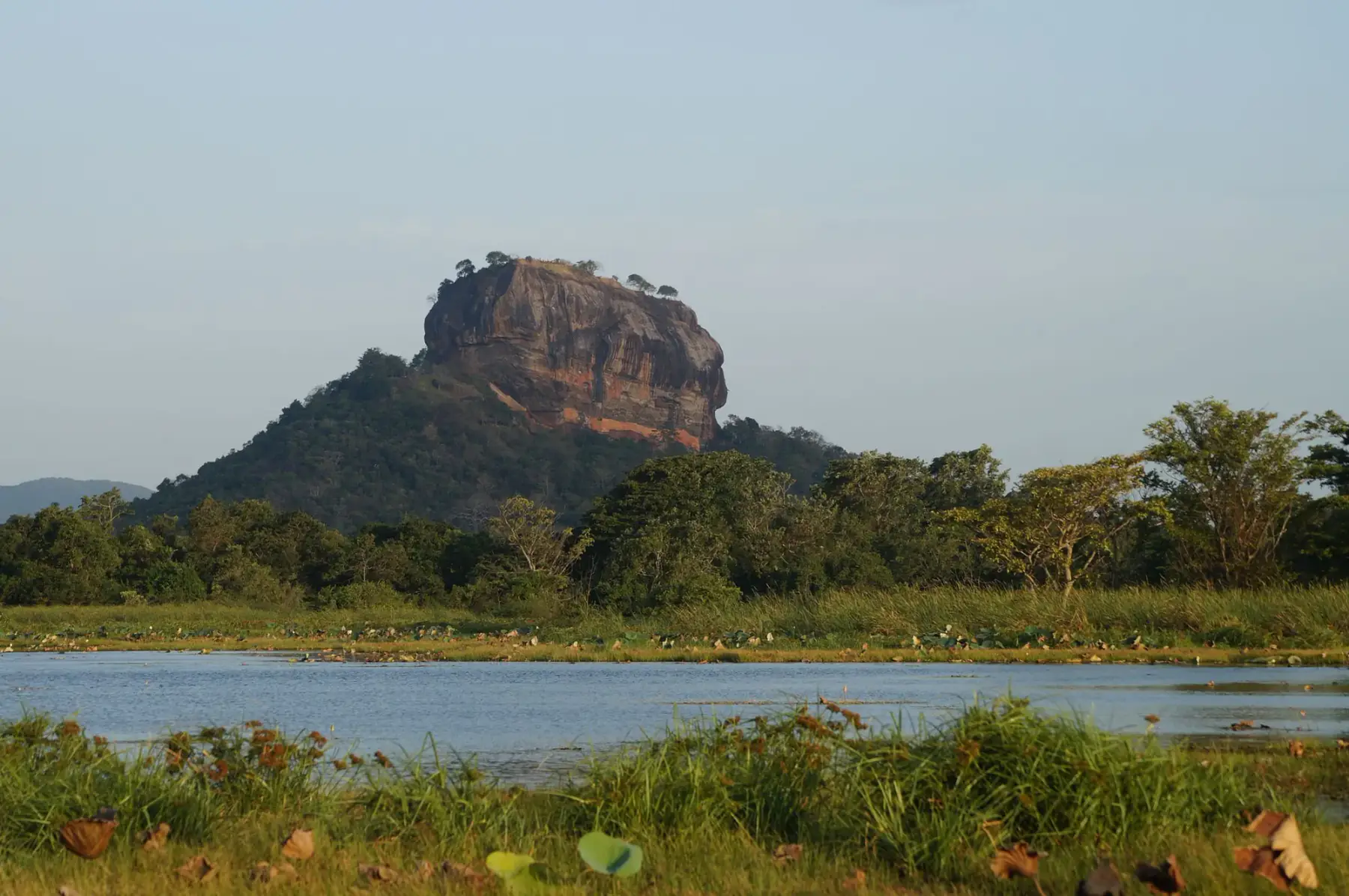
One Week, First Visit
A focused 7-day first route through the Cultural Triangle, with Anuradhapura, Sigiriya and Dambulla instead of a four-region sprint.
Sri Lanka in 3 Weeks
A 21-day Sri Lanka itinerary: Anuradhapura, Sigiriya and Dambulla, Kandy, the hill country by road and the Nanu Oya to Ella train, Yala, then a slow week on the south coast. Includes an east coast version for May to September. Checked 17 October 2026.
Sri Lanka and Maldives: 10 Days or 2 Weeks
A Sri Lanka and Maldives route for UK travellers and honeymooners: about six days in Sri Lanka and four in the Maldives on a 10-day trip, or nine and five over two weeks, with the island time at the end. Entry rules checked 11 October 2026.
Two Weeks, Standard Pace
A day-by-day 2-week Sri Lanka itinerary: Sigiriya, Dambulla, Polonnaruwa, Kandy, Ella by the Nanu Oya train, a Yala safari, Galle and Mirissa, with dated ticket and fare costs checked 17 October 2026.
More places in this region
Ancient City of Polonnaruwa
UNESCO 1982 · HeritageSri Lanka's second capital after Anuradhapura, with Chola-period Brahmanic monuments and the 12th-century city associated with Parakramabahu I.
Ancient City of Sigiriya
UNESCO 1982 · HeritageA World Heritage property built across the slopes and summit of a granite peak used as King Kassapa I's capital.
Jaya Sri Maha Bodhi
Sacred siteA living Buddhist pilgrimage place at the centre of Anuradhapura's sacred-city tradition.