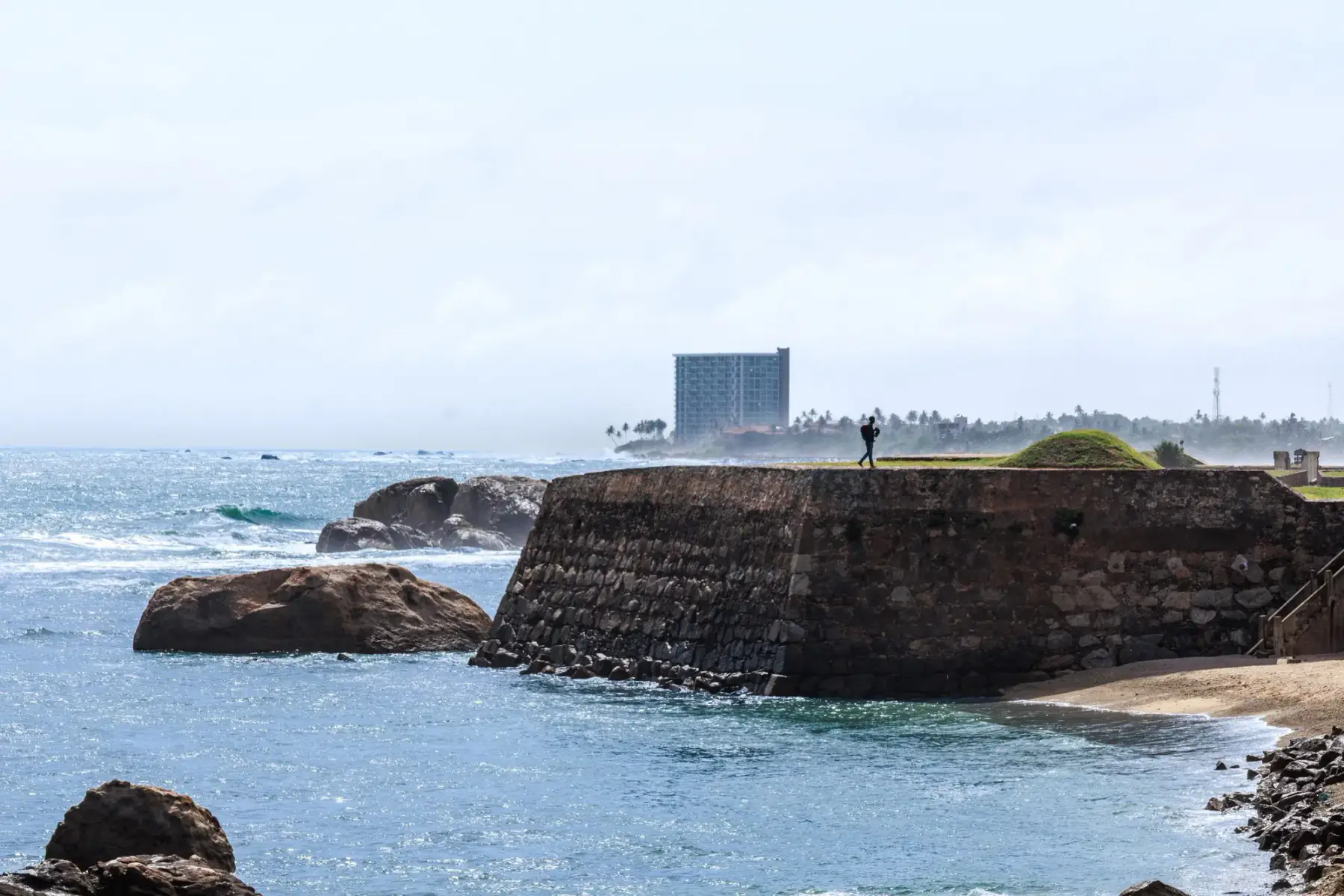
Old Town of Galle and its Fortifications
A living fortified town whose World Heritage value reflects the interaction of European planning and South Asian architectural traditions.
Galle Fort is the commonly used name for the Old Town of Galle and its Fortifications, inscribed on the World Heritage List in 1988. UNESCO describes a fortified town founded by the Portuguese in the 16th century and developed most fully under Dutch rule in the 18th century.
Why it is a World Heritage property
Its significance is not simply that European powers built a fort in Sri Lanka. UNESCO identifies the interaction between European planning, fortification and architectural models and South Asian traditions adapted to local conditions. The street grid, buildings, ramparts and bastions together express that urban history.
A living old town
The property retains residential and public uses. That matters for how it should be visited: streets and buildings are not a museum-only stage, and not every doorway or structure is public access. Respect homes, active religious sites, restricted areas and instructions from local authorities.
How to approach the visit
- Start with the urban ensemble: streets, fortifications and their relationship to the coast.
- Choose any museum, religious building or commercial interior separately and confirm its current access.
- Do not assume that a lighthouse area, rampart section or venue is open because an old itinerary lists it.
- Check weather and coastal conditions independently.
Use the Galle destination guide to decide whether this is a focused heritage stop or part of a wider south-coast route. The destination page owns that itinerary choice; this page owns the World Heritage property's history and visit context.
Build a useful walking plan
Do not reduce the fort to a race between isolated landmarks. Start with the street pattern and fortifications, then choose a small number of interiors that are genuinely open and relevant to your interests. This makes it easier to understand how the defensive edge, civic buildings, religious institutions, homes and businesses form one urban property.
Heat, rain and exposed ramparts can change the order of the visit. Keep indoor options for difficult weather, but verify their opening days before relying on them. At the coastal edge, follow barriers and current local warnings; World Heritage status is not a safety assessment of a rampart or sea condition.
Questions to check before arrival
- Is a particular museum, church, mosque or other interior open to visitors on that date?
- Does it have separate clothing, photography, ticket or ceremony rules?
- Are conservation works restricting a street, bastion or building?
- Will the visit end in Galle, or must the route preserve time for an onward train, road transfer or beach base?
The answers determine the day's practical shape. An online list of “things to do in Galle Fort” cannot replace those institution-specific checks.
Visit as a resident environment
Keep doorways and lanes clear, ask before photographing people, and avoid treating private buildings as public exhibits. Commercial use does not erase the old town's heritage character, while heritage designation does not prohibit ordinary residential and business life. The useful visitor stance is attentive and unhurried: understand what is public, follow the responsible authority, and leave active places able to function.
Sources
Last verified 2026-08-28
Read next
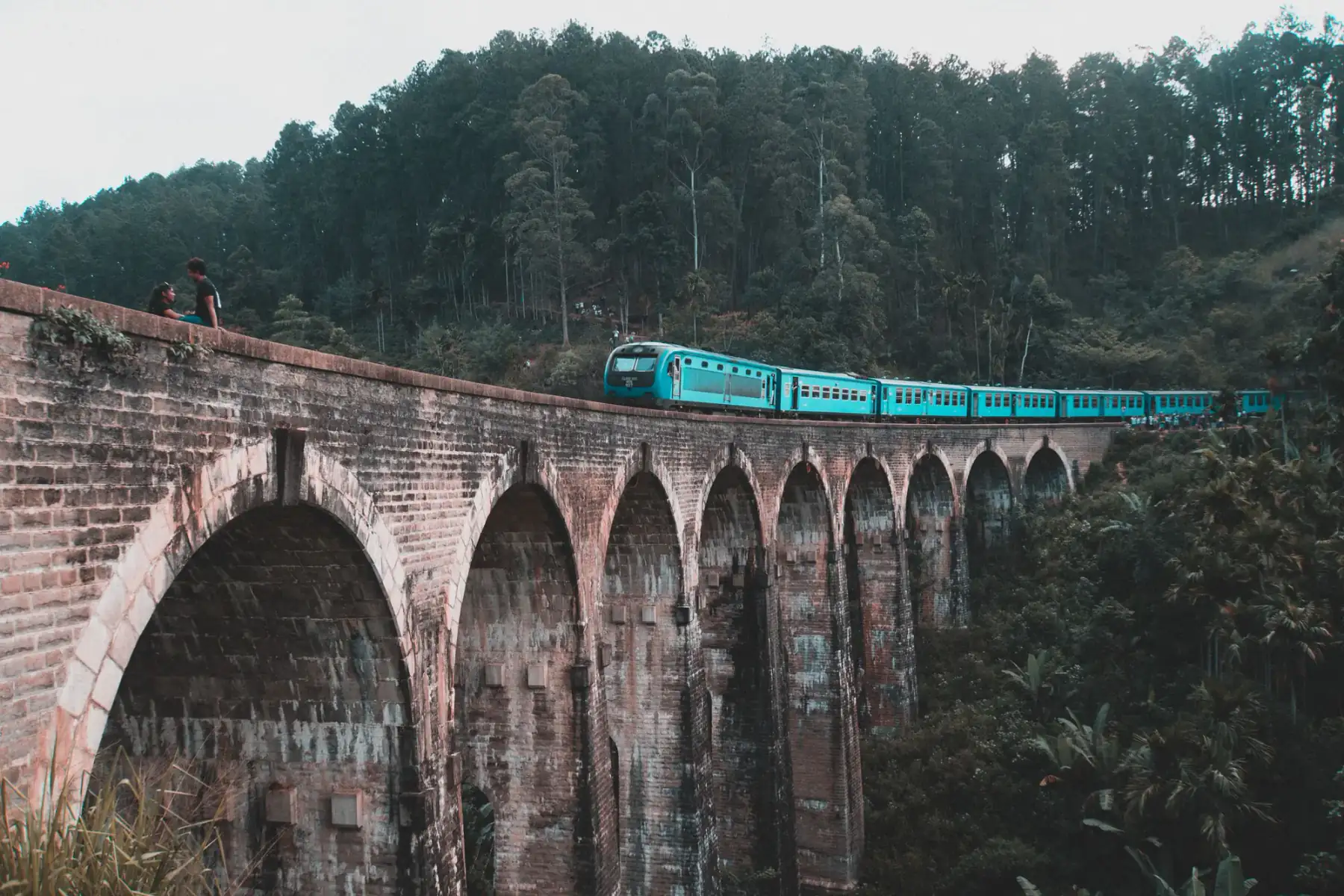
Classic Sri Lanka: South, Hills and Cultural Triangle
A day-by-day 10-day Sri Lanka itinerary: Sigiriya, Dambulla, Kandy, the Nanu Oya to Ella train, Galle and Mirissa, with dated ticket and fare costs checked 17 October 2026.
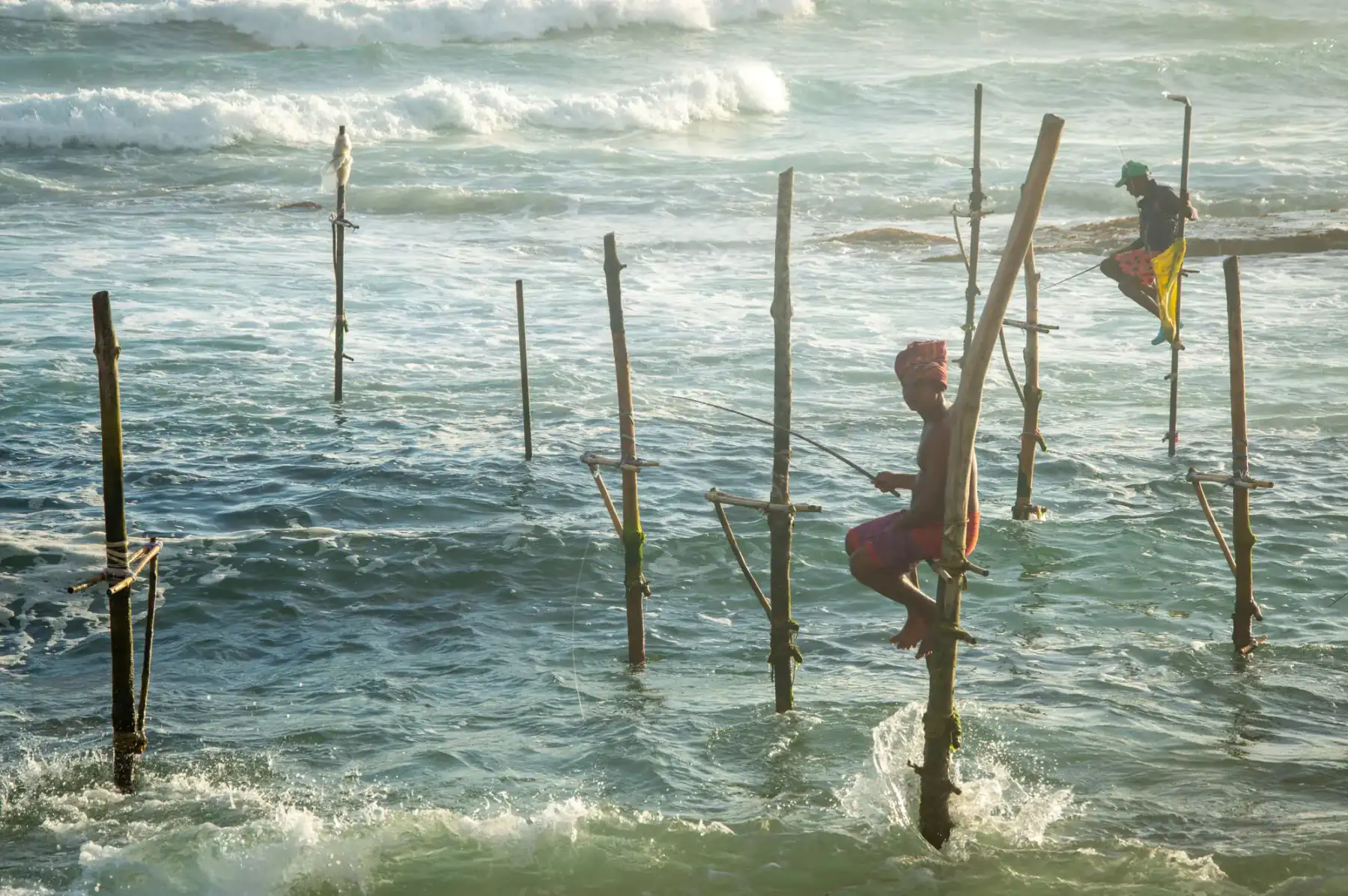
South Coast Sri Lanka: 5, 7 or 10 Days
A day-by-day south coast Sri Lanka itinerary for 5, 7 or 10 days, travelling east from Galle to Mirissa, Hiriketiya and Tangalle, with a Weligama surf day and an optional Yala safari. Bus fares and prices checked 15 October 2026.
Sri Lanka in 3 Weeks
A 21-day Sri Lanka itinerary: Anuradhapura, Sigiriya and Dambulla, Kandy, the hill country by road and the Nanu Oya to Ella train, Yala, then a slow week on the south coast. Includes an east coast version for May to September. Checked 17 October 2026.
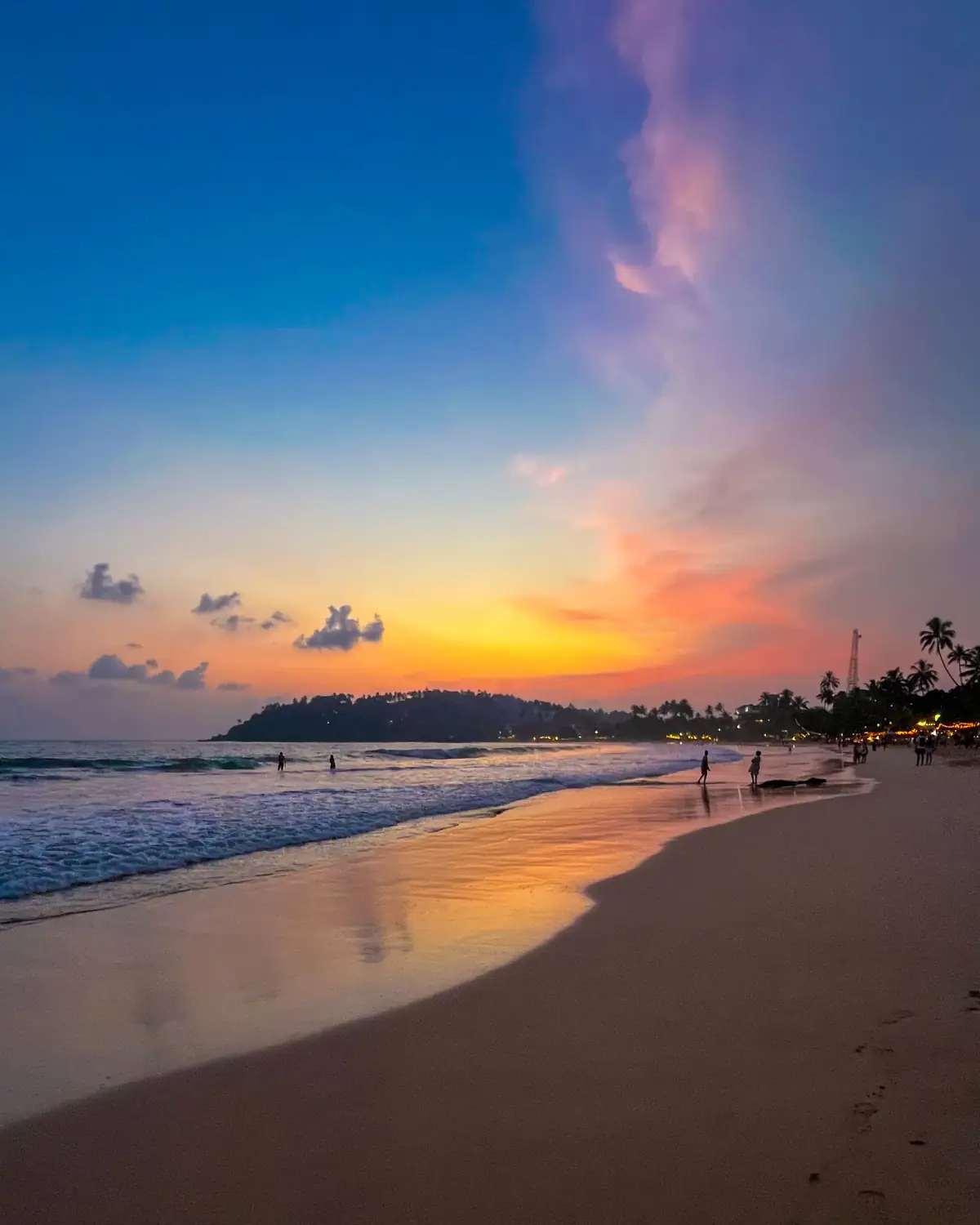
Sri Lanka and Maldives: 10 Days or 2 Weeks
A Sri Lanka and Maldives route for UK travellers and honeymooners: about six days in Sri Lanka and four in the Maldives on a 10-day trip, or nine and five over two weeks, with the island time at the end. Entry rules checked 11 October 2026.
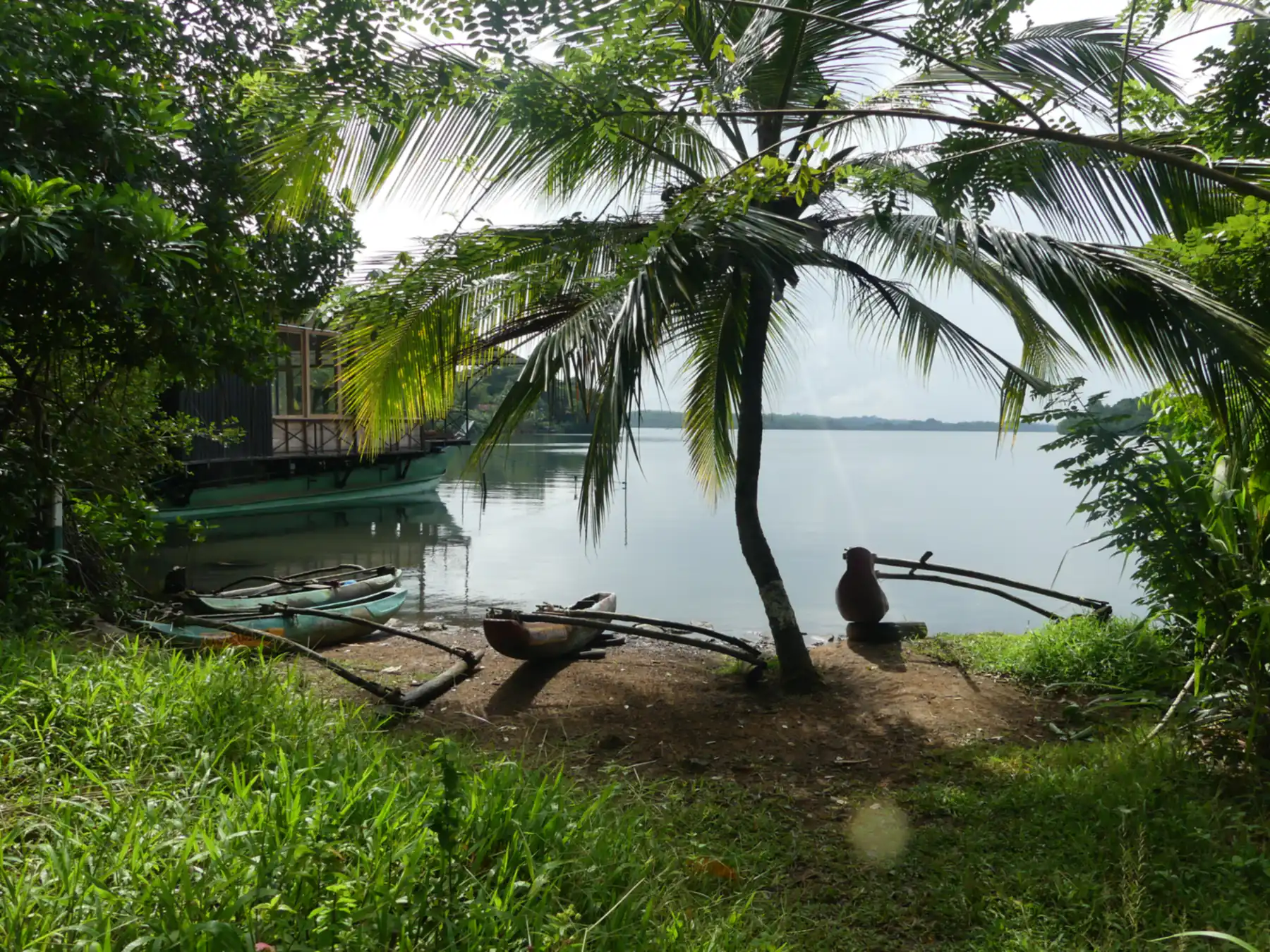
Sri Lanka Wellness: 7 Days on the South Coast
A slow 7-day wellness itinerary with one base in Weligama: a licensed Ayurveda programme or a surf-and-rest week, with short trips to Unawatuna, Galle Fort and, in season, Mirissa. Dated retreat prices checked 17 October 2026.
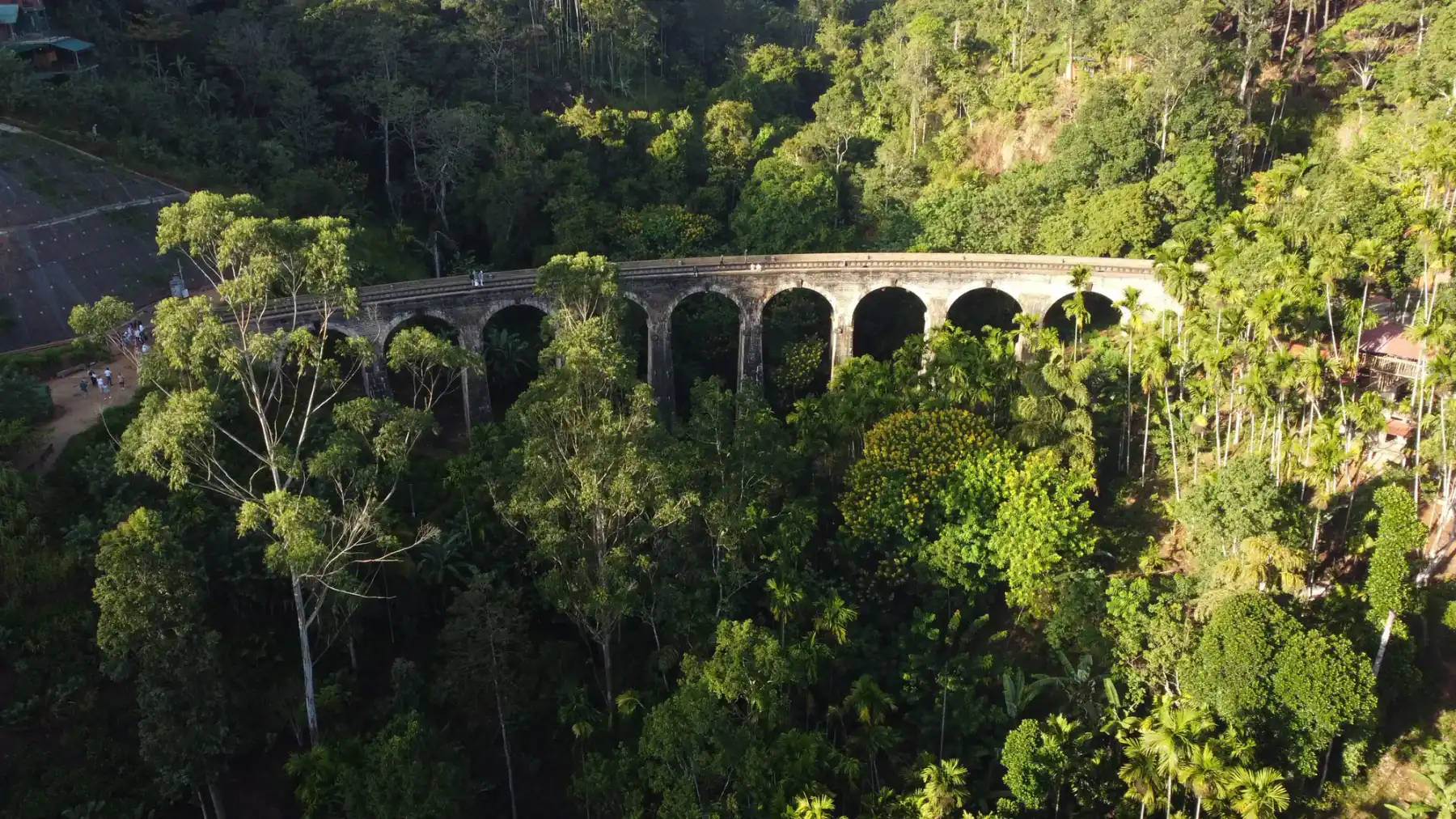
Two Weeks, Standard Pace
A day-by-day 2-week Sri Lanka itinerary: Sigiriya, Dambulla, Polonnaruwa, Kandy, Ella by the Nanu Oya train, a Yala safari, Galle and Mirissa, with dated ticket and fare costs checked 17 October 2026.
More places in this region
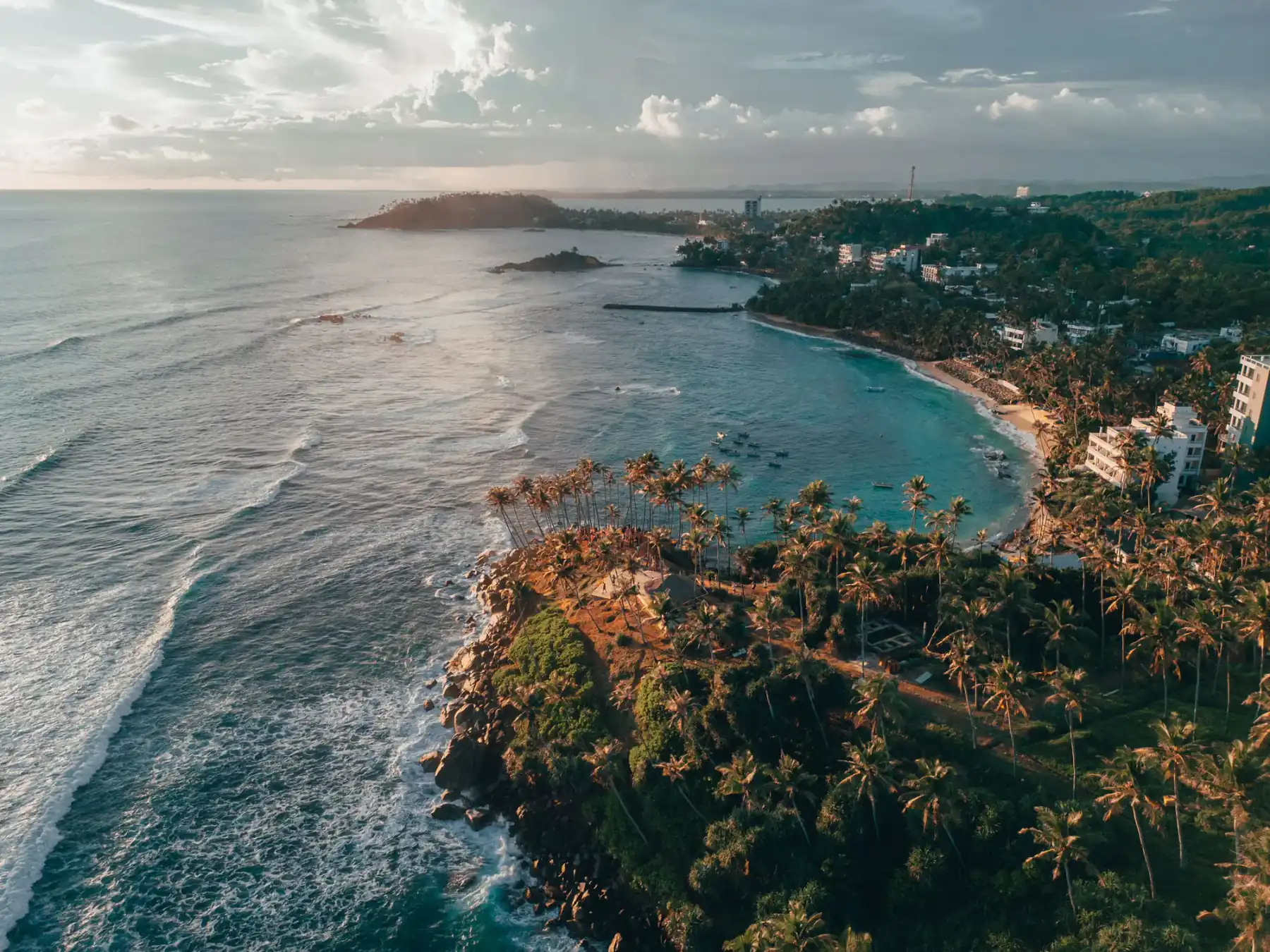
Hikkaduwa Beach
BeachA south-coast beach combining a near-shore reef with several surf breaks.
Sinharaja Forest Reserve
UNESCO 1988 · NatureA UNESCO-listed rainforest reserve in south-west Sri Lanka, recognised for exceptional endemic biodiversity.